




Fox Hunting
Fox hunting antique pieces capture the speed and tradition of the English field across oils, silver, and taxidermy.
Fox Hunting
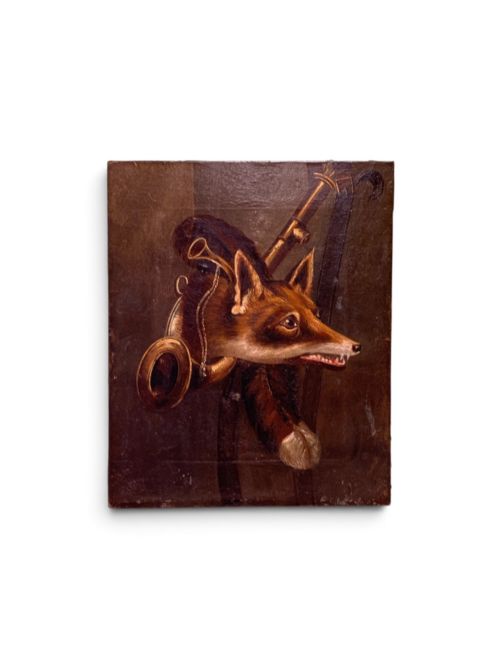
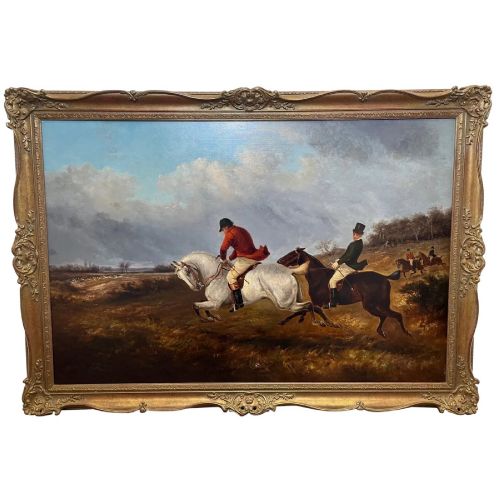
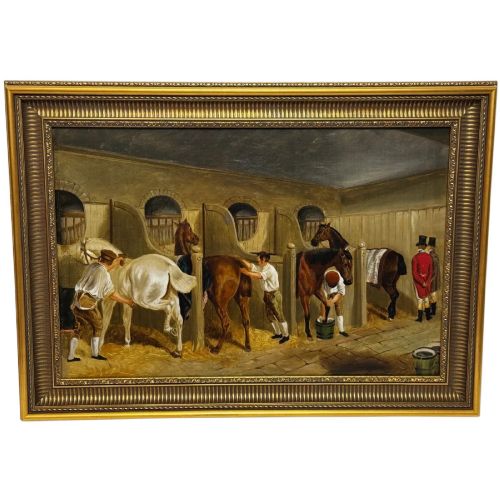
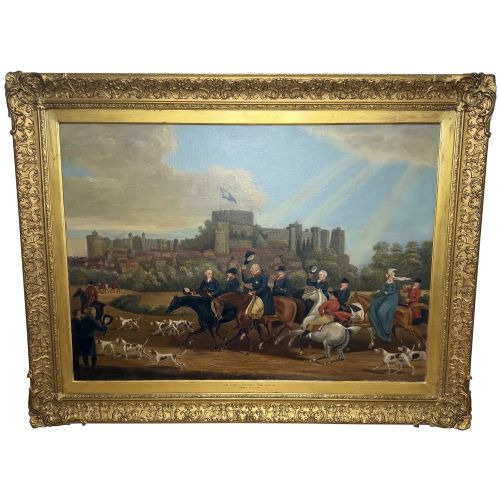
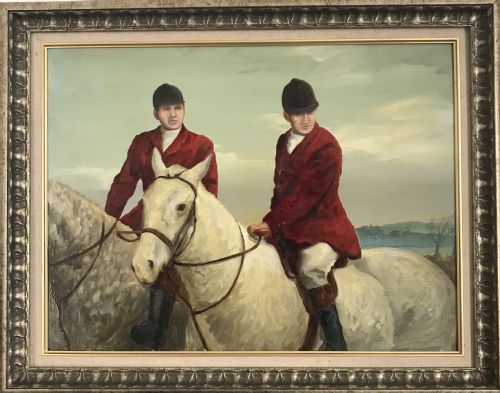
A fox hunting antique encompasses a broad spectrum of equestrian and sporting material, ranging from 19th-century oil paintings on canvas to sterling silver hunting horns and taxidermy mounts. These items document the visual culture of the hunt, celebrating horses, hounds, and riders in full cry across country landscapes.
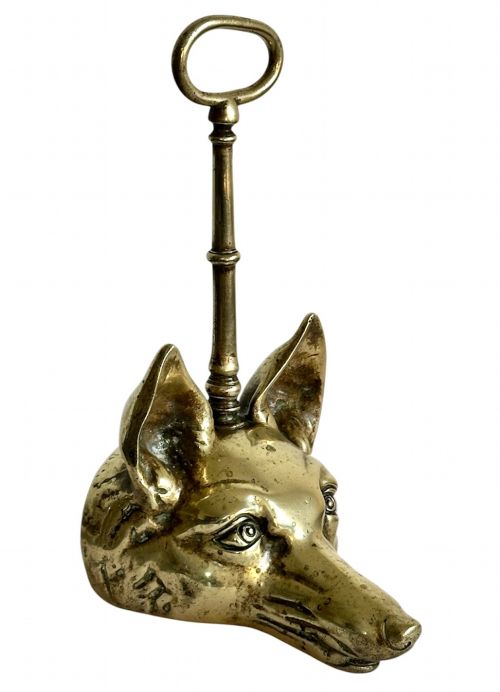
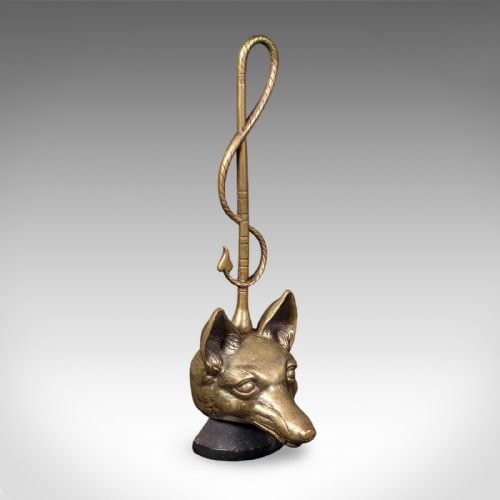
Oil paintings and watercolours dominate the offerings, often capturing dramatic moments such as the meet, the chase, and the kill by notable artists. Alongside flat art, buyers encounter three-dimensional objects including brass and cast iron doorstops, porcelain stirrup cups, and leather whips with silver collars.
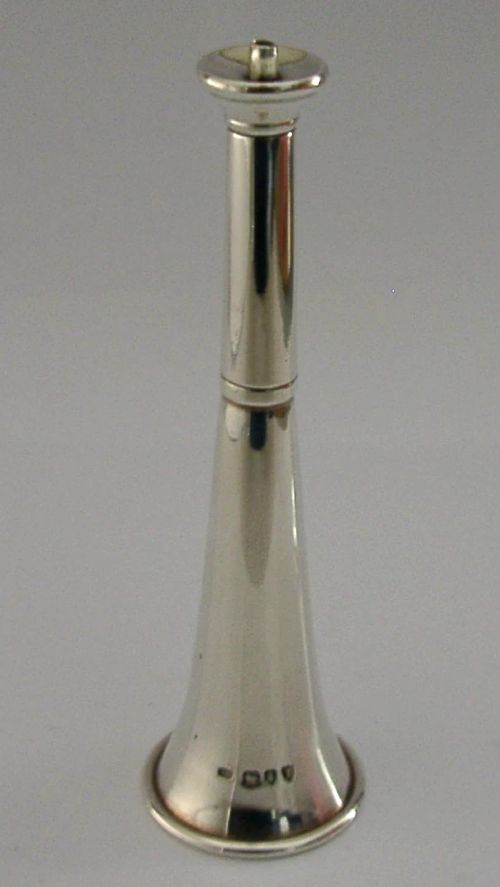
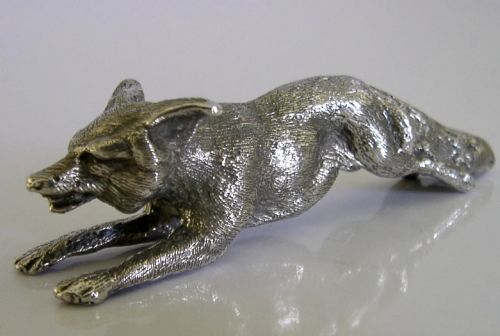
The material record spans the Victorian and Edwardian eras into the 1930s, reflecting a period when country house sporting life heavily influenced decorative arts and domestic objects. Sterling silver table cigar lighters modelled as hunting horns and hand-blown Bohemian glass vases further demonstrate the diverse application of sporting motifs.
How They Were Made
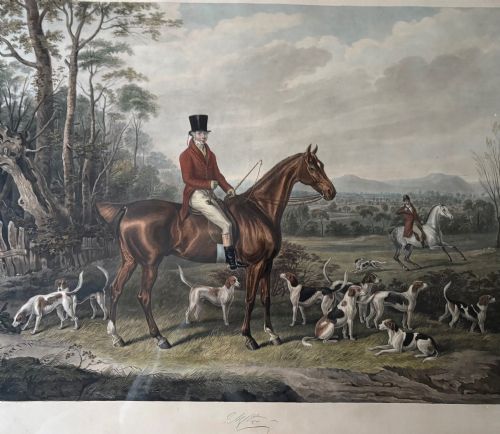
Canvases and panels carry oil and watercolour applications by skilled hands, utilising traditional pigments to render horses, hounds, and red-coated riders in detailed landscapes. Paper works include hand-coloured engravings and aquatints reproducing popular sporting scenes.
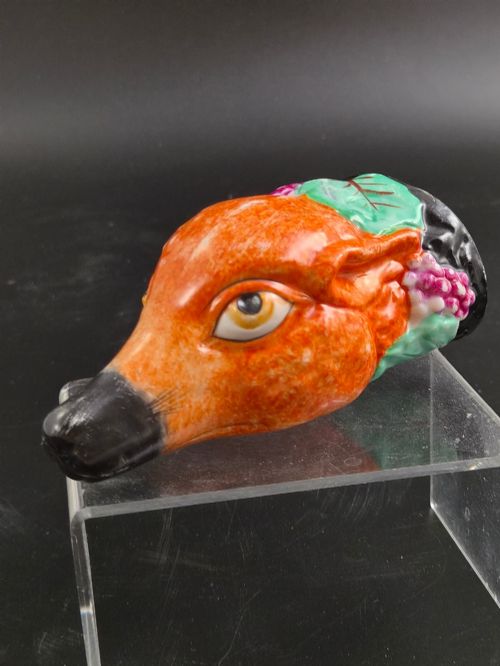
Metalwork relies on sterling silver, brass, cast iron, and bronze, shaped through casting, hammering, and detailed engraving to create tableware, horns, and doorstops. Ceramics involve porcelain moulded into animal forms, such as fox head stirrup cups, finished with hand-painted enamels.
Listings feature oil paintings, watercolours, sterling silver horns, and taxidermy mounts spanning the 19th century to the 1930s.
What Varies in Quality
Artistic execution and anatomical accuracy distinguish superior paintings and prints from standard decorative works, with master animal artists capturing motion and expression with precision. The finesse of the brushwork in an oil painting or the crispness of detail in a silver casting dictates the tier of the piece.
Material integrity and maker attribution elevate certain items significantly, particularly documented silverwork from established makers or taxidermy prepared by renowned Victorian specialists. The survival of original framing, rich patination on leather whips, and hand-painted enamel clarity on glass and porcelain separate exceptional examples from mass production.
Sampson Mordan·Swaine Adeney·Peter Spicer·Thomas Smythe·George Armfield
The Fox Hunting Glossary
- Aquatint
- A printmaking technique that produces tonal areas resembling watercolour washes, frequently utilised for 19th-century sporting and hunting series. It allowed publishers to replicate detailed landscape engravings for country house interiors.
- Taxidermy mount
- The preservation and mounting of animal specimens, such as fox masks or hounds, prepared by specialists like Peter Spicer. These pieces served as trophies and decorative studies in country residences.
- Hunting horn
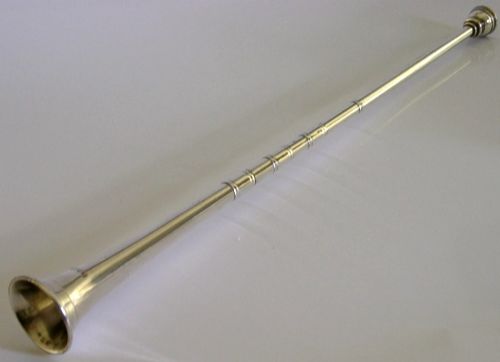
- A brass or sterling silver horn used by huntsmen to signal hounds and riders during the chase. Many surviving examples double as decorative table cigar lighters or desk accessories from the Victorian period.
- Full cry
- A painting or print depicting hounds actively pursuing the quarry with vocal intensity. This specific phase of the hunt remains a favoured subject for 19th-century equestrian artists.
Fox Hunting: Frequently Asked Questions
What is a fox hunting antique?
A fox hunting antique is a period artefact connected to traditional equestrian sport, including oil paintings, silver horns, and porcelain stirrup cups. These items reflect the visual and domestic culture of the 19th and early 20th centuries.
Collectors find these pieces in various forms, from flat art depicting hounds in the field to functional table accessories like cigar lighters and doorstops.
How do I identify Victorian art?
Victorian sporting art is typically characterised by detailed oil paintings on canvas or panel, capturing horses, riders, and hounds in specific rural landscapes. Signatures, period framing, and subject matter often point directly to the mid-to-late 19th century.
Examining the materials, such as early canvas weaves and traditional pigment use, helps confirm the age and authenticity of these equestrian scenes.
Where should I display taxidermy?
Fox masks and mounted hounds suit traditional studies, libraries, or country house interiors where equestrian and sporting themes predominate. These pieces require stable environmental conditions away from direct sunlight to preserve the fur and backing boards.
Proper placement honours the historical taxidermy techniques used by period specialists like Peter Spicer.