




Folk Art Pine Chair
These folk art pine chair selections bring rustic charm and regional character into a room, offering tactile presence through weathered timbers and historic painted finishes.
Folk Art Pine Chair
When you search for folk art pine chair, you meet domestic seating created within rural traditions across Britain and continental Europe. These pieces include side chairs, armchairs, benches, and rocking chairs shaped by local makers rather than urban workshops.
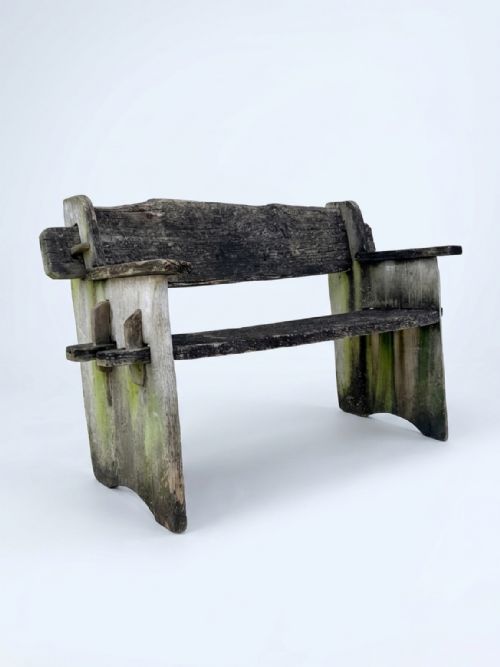
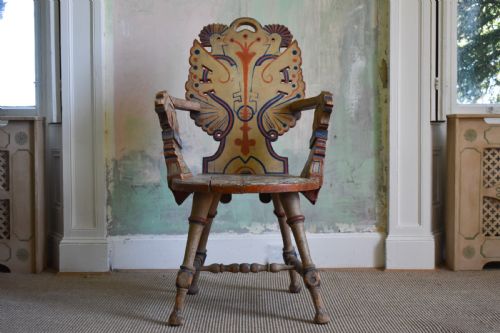
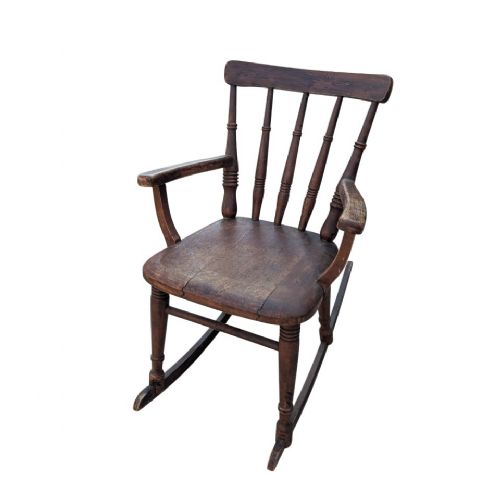
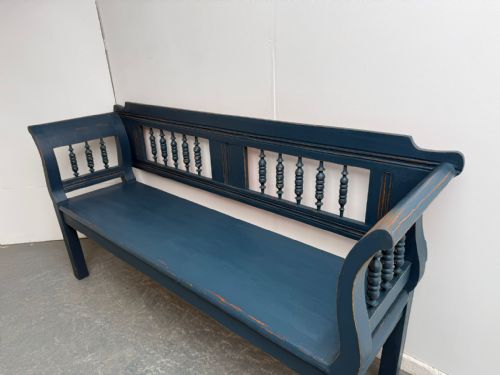
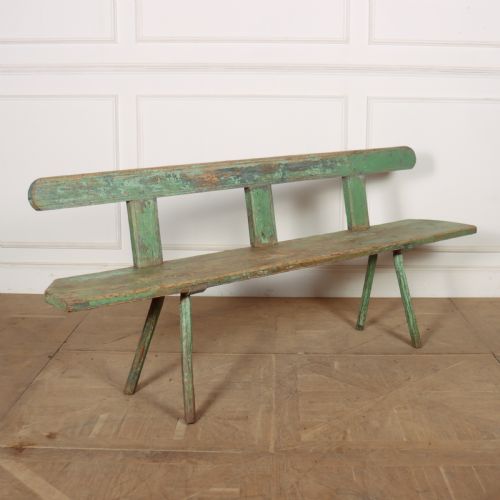
The selections on this page span the eighteenth, nineteenth, and early twentieth centuries, featuring styles such as Scandinavian country, Hungarian folk art, and Alpine rustic. You encounter sturdy dug-out forms alongside spindle-back children's chairs and painted garden benches.
Regional vernacular dictates the construction, meaning chairs from Sweden, Austria, and Switzerland display distinct local identities. Everyday utility governed their creation, yet their sculptural qualities now make them striking accent pieces.
How they were made
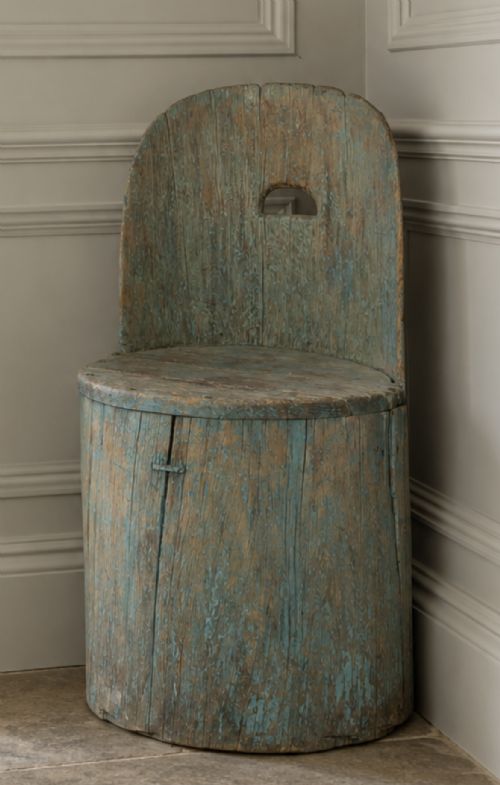
Makers relied on locally sourced pine, birch, and assorted hardwoods, often shaping seats from single blocks of timber in dug-out designs. Iron fastenings and simple timber joints kept the construction robust for daily farm and cottage use.
Surfaces frequently carry layers of original paint, ranging from soft blues to weathered wood patinas that record decades of handling and seasonal exposure.
Children's high chairs and miniature rocking chairs prove that historic toddlers needed to sit just as sternly as their parents.
What varies in quality
The distinction between ordinary utility seating and exceptional pieces rests in the survival of original surface paint and the integrity of the timber. Untouched patinas on nineteenth-century Austrian and Swedish examples elevate a chair far beyond standard workshop production.
Proportion and regional carving detail also define the upper tier of these pieces. Chairs retaining their authentic structural joinery without heavy timber replacement command greater interest from collectors of vernacular furniture.
The Folk Art Pine Chair Glossary
- Dug out chair
- A primitive seating form where the seat is hollowed out directly from a thick log or heavy timber block. This construction method represents some of the earliest and most rustic domestic forms.
- Escabelle chair
- A traditional European stool or low chair, often featuring solid board sides rather than traditional legs. Swiss alpine examples frequently utilise this sturdy architectural format.
- Spindle back
- A chair back constructed with slender turned wooden rods set into the seat and top rail. This technique lightened the frame while maintaining structural support.
- Vernacular furniture
- Domestic objects built by local craftspeople using regional materials and traditional methods, without adherence to high-style academic design. These pieces reflect the specific daily needs of rural communities.
- Patina
- The surface texture, wear, and colour acquired by wood and paint over long periods of use and exposure. A rich surface bears witness to the age and history of the piece.
Folk Art Pine Chair: Frequently Asked Questions
How do I clean a painted pine chair?
Dust the surface gently with a dry, soft cloth to remove everyday particles without disturbing the historic paint layers.
Avoid liquid cleaners, strong detergents, or modern polishes that can soften old oil- or water-based pigments.
Are these chairs comfortable for daily use?
Many regional armchairs and side chairs were built for utility rather than ergonomic lounging, featuring upright wooden backs.
Adding a simple loose cushion can improve comfort while keeping the historic timber entirely safe from wear.
How can I tell a Swedish chair from an Austrian one?
Swedish examples often favor pale pine, minimalist dug-out forms, and quiet painted finishes suited to Nordic interiors.
Austrian and Swiss pieces frequently display carved alpine motifs, bolder polychrome paint, and distinct board construction.
Can I place an antique pine bench outdoors?
Historic painted and weathered timber pieces are best kept indoors to protect them from fluctuating moisture and harsh weather.
Garden benches listed from the Edwardian period require sheltered placement under a porch or veranda to preserve their condition.
What does original paint mean on these pieces?
Original paint refers to the earliest decorative or protective coating applied to the timber when the chair was first made.
Surviving early pigments provide vital clues about the regional origin and date of the furniture.