




Small Country Chair
These small country chair examples are honest, hardworking seats offering modest proportions and historic character for practical daily use.
Small Country Chair
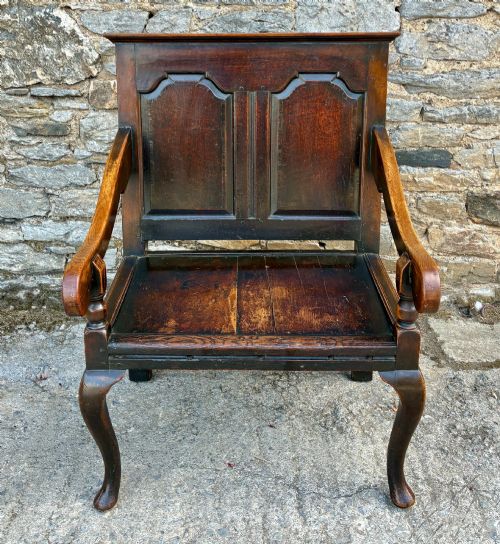
A small country chair brings compact, utilitarian seating into domestic spaces with origins spanning the seventeenth century through to the nineteen-twenties. Buyers searching for a small country chair typically encounter oak, elm, ash, and pine timbers shaped into stick back, Windsor, wainscott, and spindle back forms.
The selection ranges widely from low child's chairs and bedroom seats to sturdy armchairs and settles. Regional vernacular traditions shape these pieces, often combining rush, caned, or timber seats within modest footprints suited to tight corners and low ceilings.
How they were made
Local joiners and chairmakers relied on native timbers such as oak, elm, and ash, selecting woods for strength and resilience in daily use. Turned spindles, pegged joints, and steam-bent components formed the structural backbone of these domestic seats.
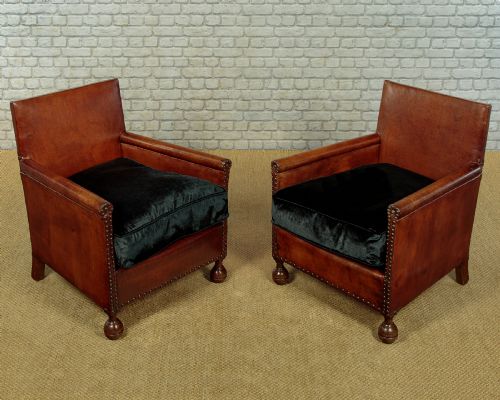
Secondary materials like rush and cane provided flexible seating surfaces, while occasional brass hardware or leather upholstery marked domestic upgrades. Construction methods prioritised sturdy utility over elaborate ornamentation, resulting in robust framing.
Several miniature child-sized seats survive complete with wear patterns from tiny boots dangling off stretchers centuries ago.
What varies in quality
Quality rests in the integrity of the timber, the tightness of the joinery, and the degree of original surface patination preserved over centuries of use. Pieces retaining their early pegged construction and unaltered turnings stand apart from those with extensive replacement parts.
The balance of proportions and the sophistication of regional turning define the upper tier of these vernacular seats. Simpler workshop execution or later structural interventions place examples lower down the scale of collector interest.
The Small Country Chair Glossary
- Windsor chair
- A chair built with a heavy solid wooden seat into which the legs and back spindles are separately bored and wedged. This form relies on a central bow or comb for back support.
- Wainscott chair
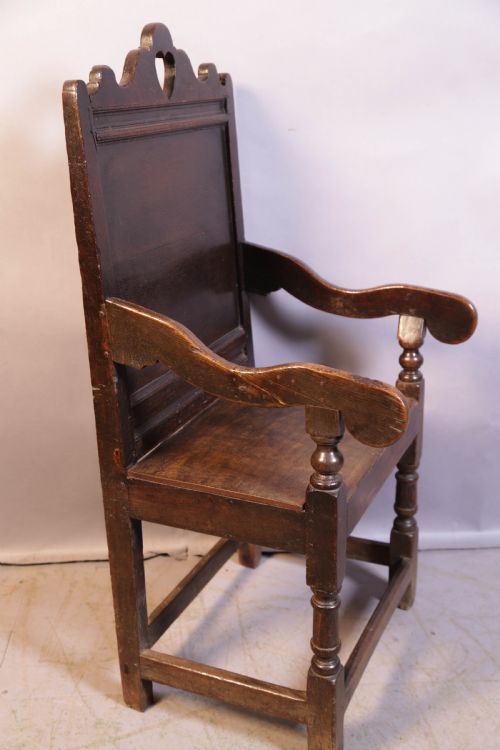
- An early wooden armchair constructed with panelled backboards and joined frame elements, typical of seventeenth-century domestic interiors. Such heavy oak seating preceded lighter stick-back designs.
- Crinoline stretcher
- A bowed or curved stretcher linking the legs of a chair below the seat, providing lateral stability. The shape resembles the stiffened petticoats worn during the Victorian era.
- Spindle back
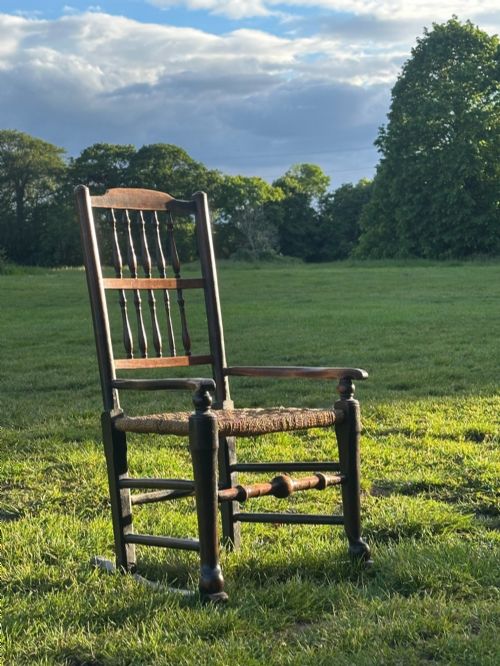
- A chair back composed of numerous turned wooden uprights fitted between a top rail and the seat. This lighter construction method gained popularity across eighteenth-century vernacular workshops.
Small Country Chair: Frequently Asked Questions
What defines a small country chair?
A small country chair is a compact, vernacular seat built from native timbers like oak, elm, and ash by regional makers. These pieces prioritise utility and modest proportions over courtly styles.
They appear in various forms including Windsor, stick back, and wainscott designs spanning several centuries of domestic life.
How do I date an antique country chair?
Dating relies on examining the timber species, construction techniques, tool marks, and overall joinery style. Seventeenth-century examples often use panelled oak construction, while later nineteenth-century pieces show machine assistance.
Changes in turning profiles and seat materials also help narrow down the period of manufacture.
Were these chairs used in every room?
These compact seats served multiple domestic functions across bedrooms, parlours, and farmhouses where space remained at a premium. Smaller versions specifically accommodated children or fitted into bedroom corners.
Heavier armchairs and settles anchored inglenooks and hallways for daily communal warmth.
How should I care for antique timber?
Protect antique wood by maintaining stable room humidity and avoiding direct placement near heat sources or strong sunlight. Simple dry dusting preserves the dry surface patination built up over generations.
Applying occasional appropriate wax feeds the dry timber without harming the historic finish.