

Folk Art Figurines
Folk art figurines are hand-carved or modelled characters and animals that bring immediate narrative charm and rustic character to a room.
Folk Art Figurines
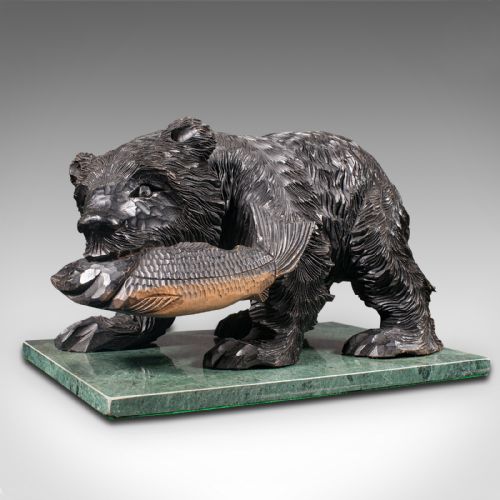
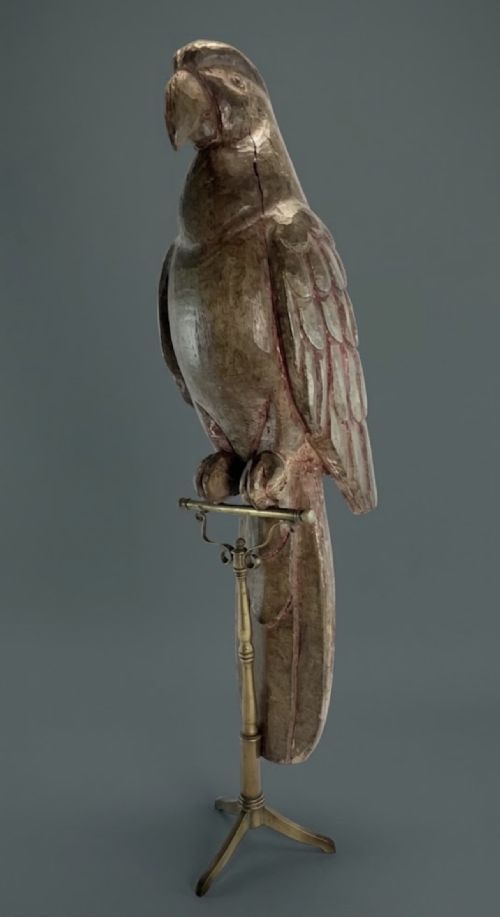
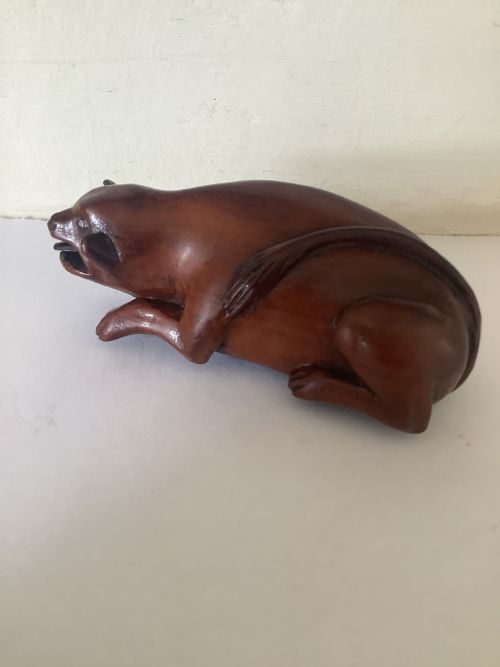
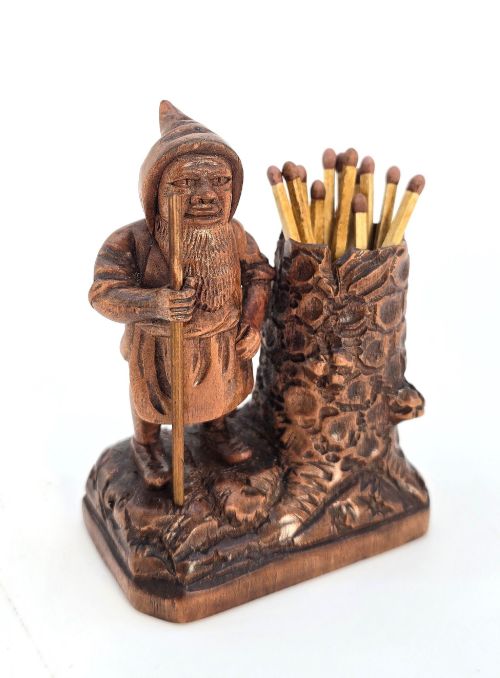
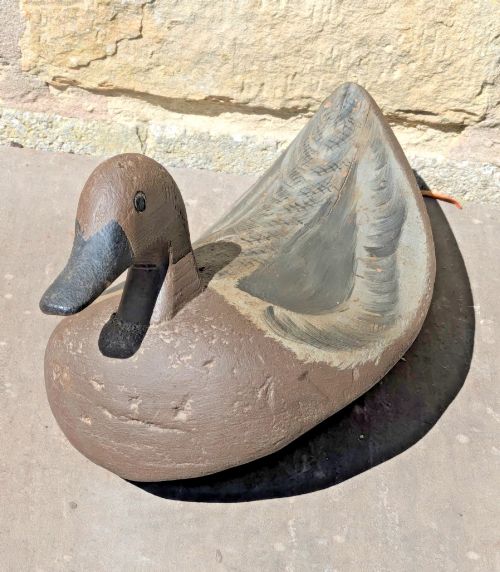
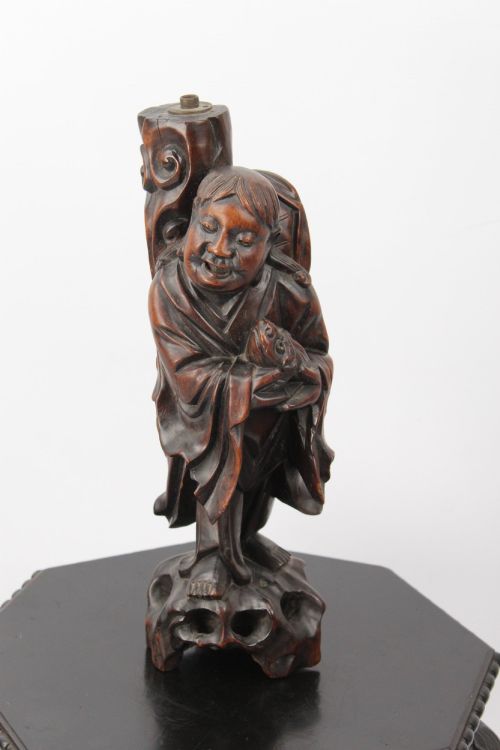
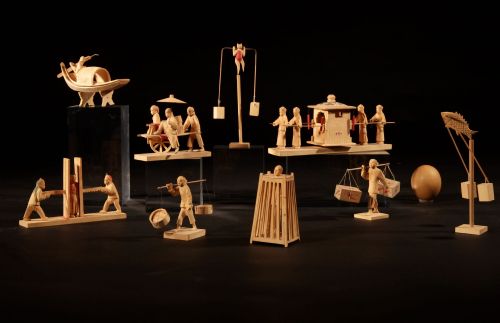
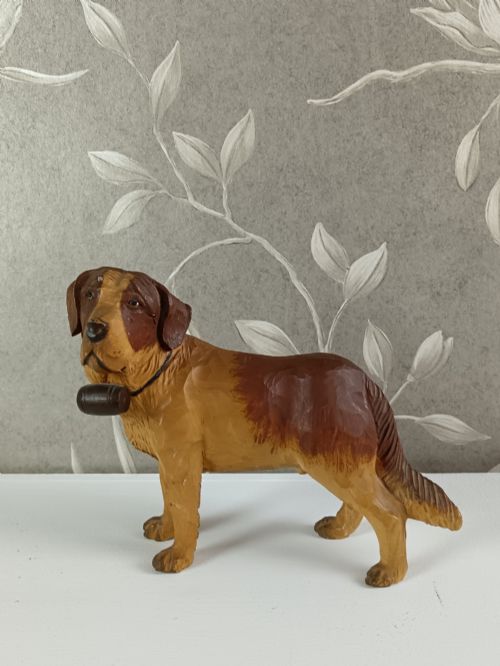
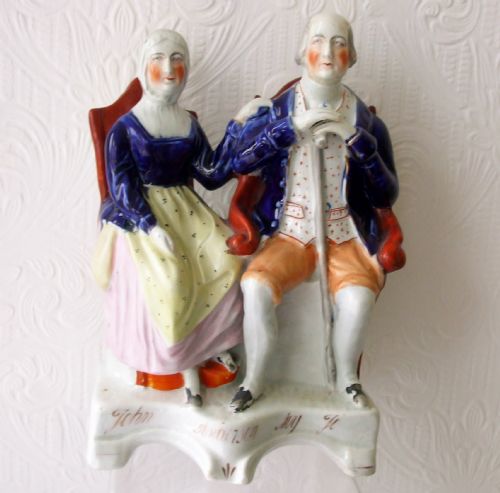
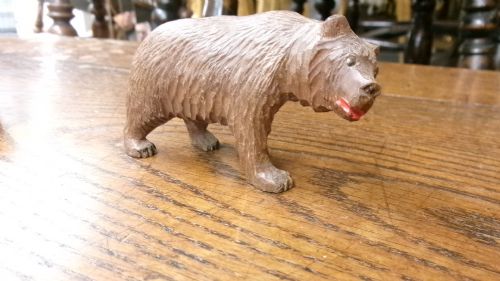
Folk art figurines span animals, human subjects, and literary characters carved or modelled by local makers across multiple centuries. When exploring folk art figurines, you encounter everything from naïve wooden decoy ducks and bears to glazed pottery portraits and painted saints.
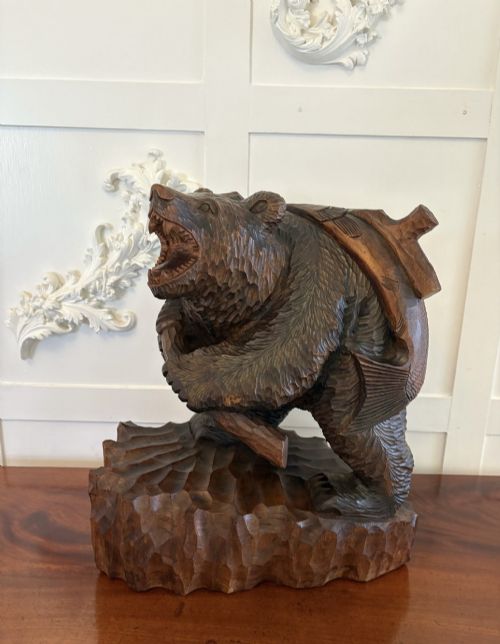
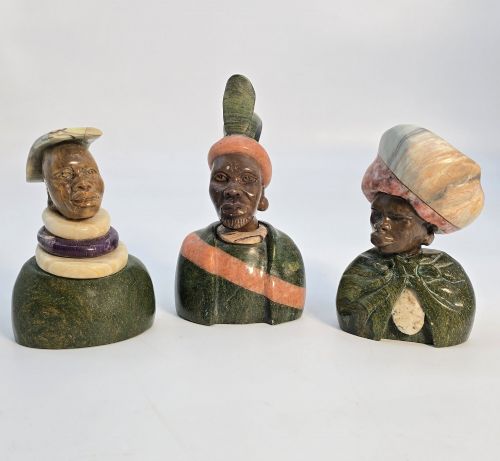
The selections on this page draw from diverse regional traditions, including Black Forest woodcarvings, Japanese figures, and English Staffordshire pottery. These pieces served practical domestic purposes or functioned as pure ornaments, reflecting the everyday culture of their makers.
Dating ranges from the eighteenth century through the middle of the twentieth century, with nineteenth-century examples forming a major part of the selection. Materials shift from local hardwoods to earthenware, metal, and shell work.
Materials and construction
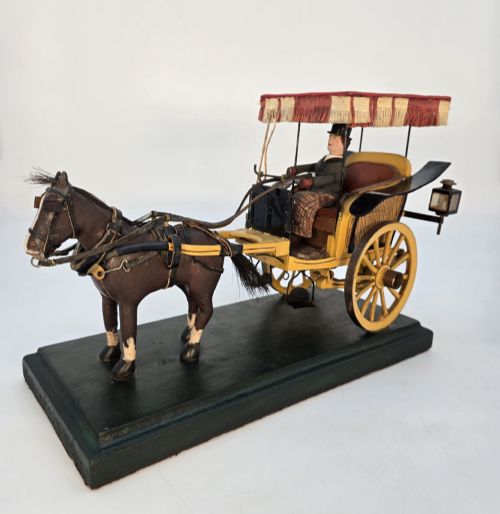
Wood serves as the primary medium, utilising hard and soft varieties like linden, walnut, limewood, and general hardwood. Carvers employed hand chisels and knives to shape subjects ranging from bears and birds to human figures and carriages.
Many items incorporate surface treatment, combining natural wood finishes with hand-applied paint, polychrome pigments, or ceramic glaze. Alternative materials such as earthenware, tin metal, papier-mâché, and carved stone appear across specific regional pieces.
The listings span the eighteenth through the twentieth centuries, featuring wood, earthenware, metal, and stone across international folk traditions.
Assessing quality and character
Quality rests upon the confidence of the carving or modelling and the expressiveness of the subject. Skilled makers captured vitality and personality in faces and animal forms, whereas lesser pieces remain stiff and generic.
H.S Andy Anderson·Royal Copenhagen
The Folk Art Figurines Glossary
- Black Forest
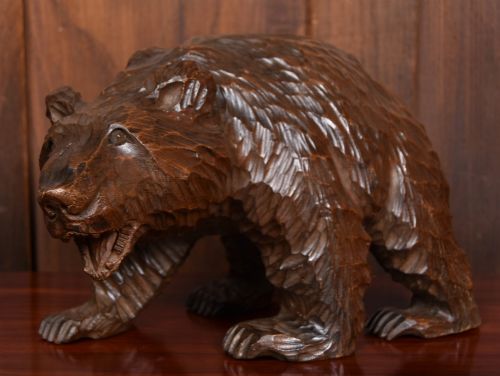
- A style of woodcarving originating from the mountainous region of central Europe, famous for realistic animal studies and figures. These pieces typically utilise walnut or linden wood and often depict bears or forest fauna.
- Decoy duck
- A floating wooden or papier-mâché bird utilised by hunters to attract waterfowl, later appreciated for its rustic sculptural form. Hand-painted surfaces and simple construction define their folk appeal.
- Staffordshire pottery
- Earthenware figures produced in the English potteries, depicting literary characters, animals, and historical personages. They are typically hand-painted in bright colours over a white glaze.
- Polychromed
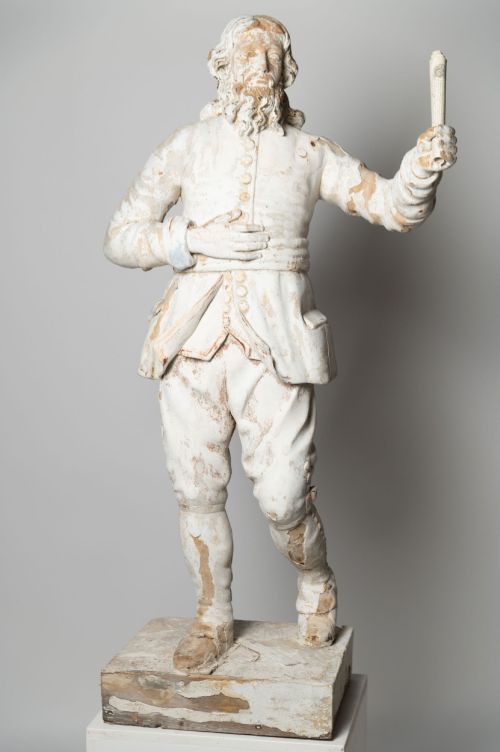
- Decorated in several colours, often applied to wood or plaster surfaces to enhance the realism of figures and religious shrines. This technique adds depth and narrative detail to folk sculptures.
- Prattware
- A type of early English earthenware featuring underglaze colours, commonly blue, ochre, brown, and green. Pieces often take the form of utilitarian objects like animal creamers.
Folk Art Figurines: Frequently Asked Questions
What materials are used for folk art figurines?
The listings show a heavy reliance on carved woods such as linden, walnut, and general hardwood. Earthenware, ceramic, metal, papier-mâché, and carved stone also appear.
Surface decoration ranges from natural wood patination and hand-applied polychrome paint to glossy ceramic glazes.
How do I identify Black Forest carvings?
Black Forest carvings are typically rendered in rich brown woods like walnut and limewood, frequently depicting bears, fawns, or human figures from European folklore. They display deep, muscular carving and textured surfaces representing fur or bark.
Many date from the nineteenth or early twentieth century and originate from Swiss or German workshops.
How should I display folk art figurines at home?
These pieces suit placement on bookshelves, sideboards, or mantels where their varied forms and textures can be appreciated up close. Mixing wooden animals with ceramic figures adds visual depth to a room.
Keep them away from direct heat sources and strong sunlight to protect painted surfaces and natural wood.
Are all folk art figurines signed by the maker?
Most folk art figurines are unsigned, as they were produced by anonymous artisans, local carvers, or regional potteries. A small number feature signatures, dates, or manufacturer stamps.
Unsigned pieces rely on style, material, and tool marks to indicate their period and geographic origin.