

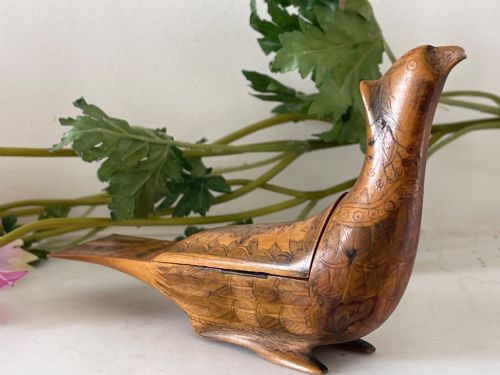
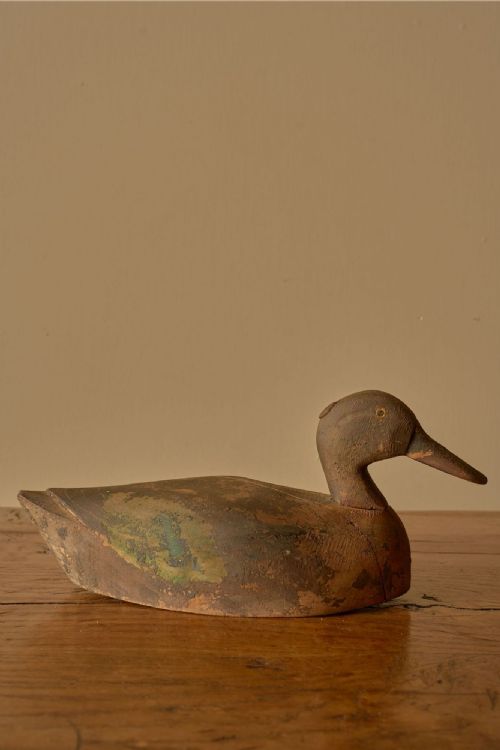
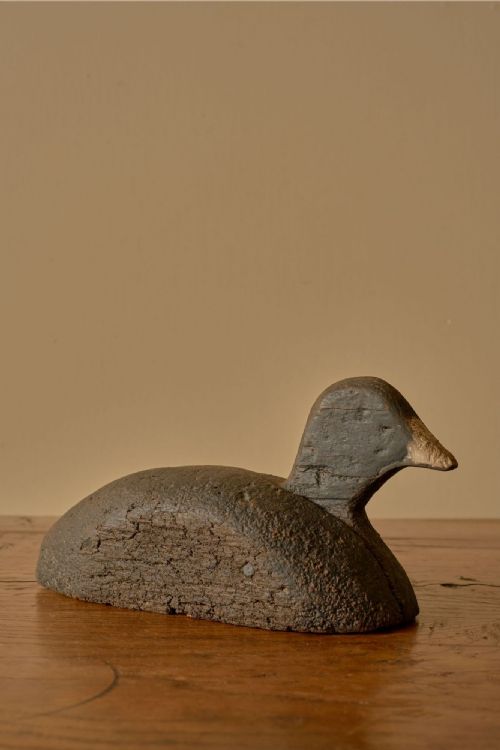
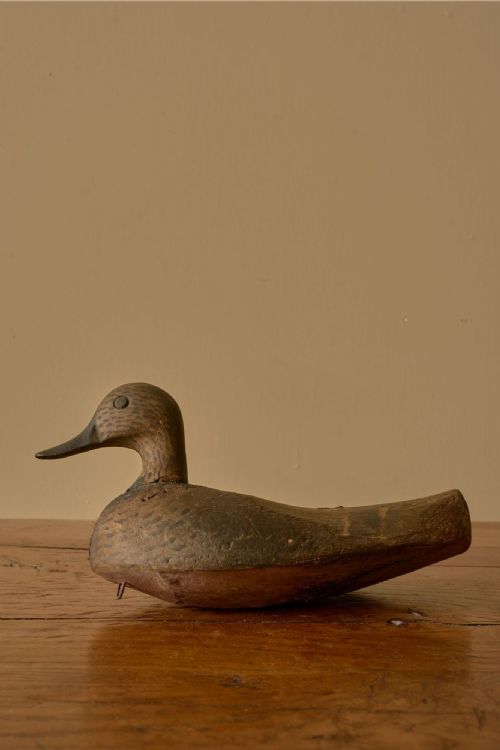


Folk Art Carved Bird
These folk art carved bird examples span decoy ducks, pigeons, and country house pieces shaped from timber and painted by hand.
Folk Art Carved Bird
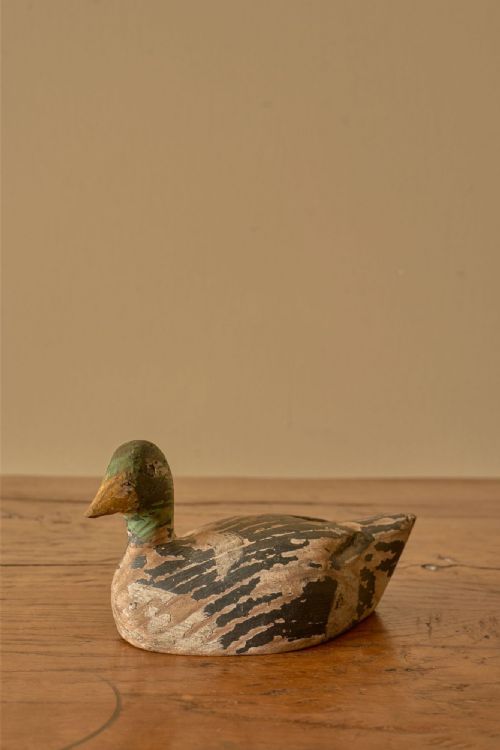
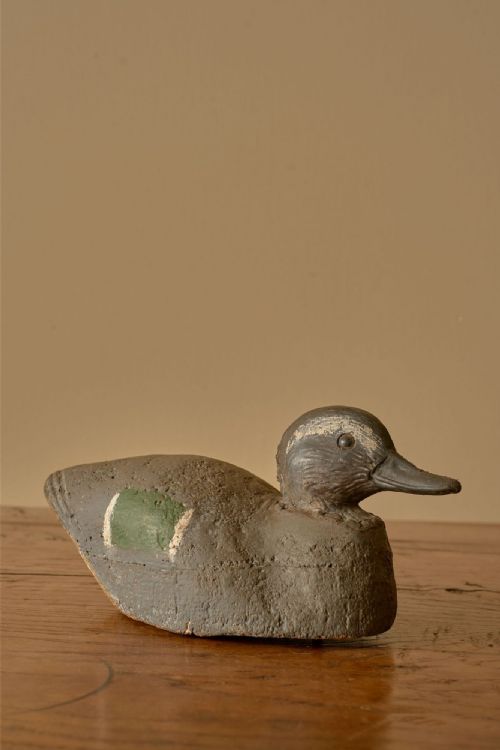
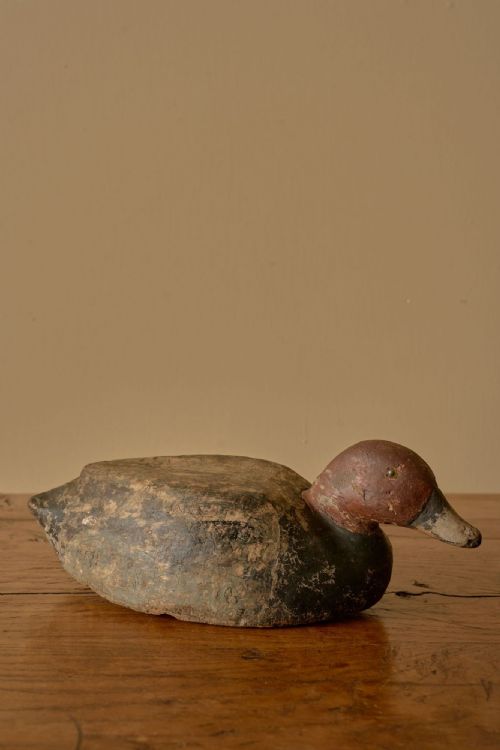
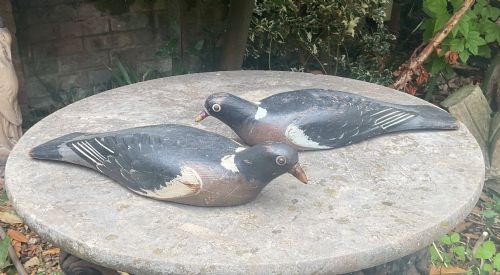
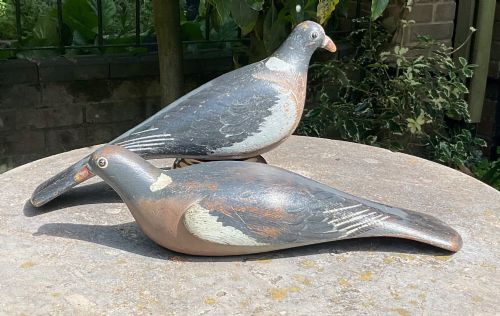
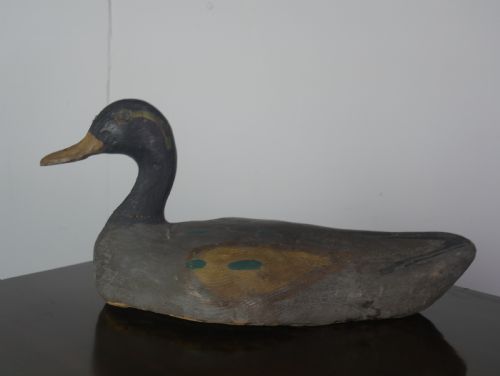
When you search for a folk art carved bird, you encounter utilitarian decoys and decorative sculptures shaped from timber during the nineteenth and early twentieth centuries. The selection leans heavily towards working waterfowl, including decoy ducks, pigeons, and geese created for shooting practice or field use.
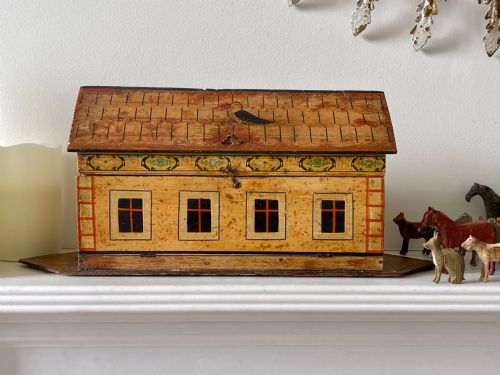
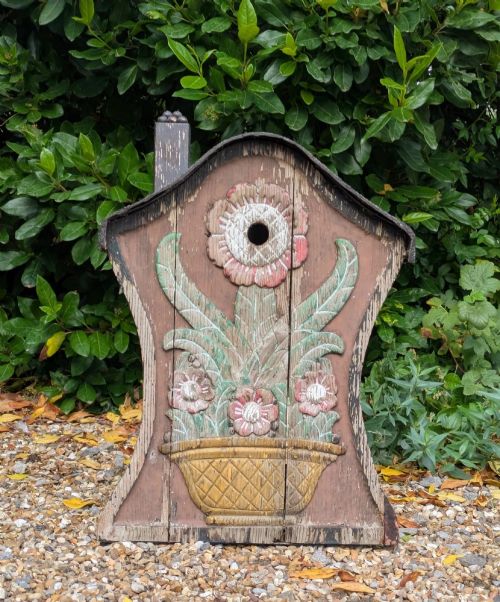
Beyond traditional decoys, the category encompasses carved wooden parrots on metal stands, pine herons, and country house dovecotes originating from English, French, and Scandinavian makers. These objects bridge the gap between practical rural items and decorative folk sculptures intended for domestic display.
How they were made
Artisans fashioned these sculptures from native timbers such as pine and birch, utilising hand tools to carve bodily forms and structural details. Metal components, including iron and brass stands or weathervanes, appear alongside the primary wooden bodies to support specific sculptural formats.
Painted finishes applied directly to the timber define the surface appearance of many pieces, preserving layers of historic pigment. Carving methods varied from simple utilitarian block shapes to more detailed representations of feathers and posture found in decorative sculptures.
Folk Art Carved Bird Retail Price Guide 2026
Typical asking prices for folk art carved bird among the pieces listed under this phrase on Sellingantiques today, from the lower quarter to the upper quarter. They describe what is for sale here now, not the wider market.
Listings span the nineteenth century through the 1930s, featuring timber, paint, iron, and glass materials across decoy forms.
What varies in quality
The visual appeal of a carved bird rests primarily on the strength of its silhouette and the character of its original painted surface. Pieces that retain uncompromised historic pigment display greater depth than examples stripped to bare wood or heavily refinished.
Proportion and sculptural presence distinguish standard working items from exceptional decorative pieces. The skill of the carver in capturing the natural posture of a duck, heron, or parrot determines the overall success of the object.
The Folk Art Carved Bird Glossary
- Decoy
- A carved or painted wooden figure resembling a bird, utilised historically to attract wildfowl. These working objects form the core of the available pieces.
- Folk Art
- Objects created by self-taught or rural artisans outside the formal academic traditions of design. This style prioritises functional utility and direct visual expression.
- Pine
- A softwood commonly utilised by rural carvers for its accessibility and ease of working. It forms the body of numerous decoys and decorative figures.
- Weathervane
- A movable device mounted on a roof to show the direction of the wind, often incorporating metal bird silhouettes. These functional objects reflect vernacular metalworking skills.
Folk Art Carved Bird: Frequently Asked Questions
How were decoy ducks used?
Decoys were placed on the water or in fields by hunters to attract real birds within range during shooting expeditions.
Over time, many of these working objects transitioned from practical field tools into decorative items collected for their rustic aesthetic.
How do I date a carved wooden bird?
Dating relies on examining the tool marks, timber types, and the composition of the painted surface layers.
Pieces originating from the nineteenth century often display different wear patterns and pigment combinations compared to early twentieth-century examples.
Where did these carved birds originate?
The pieces originate from various domestic and European workshops, reflecting distinct regional styles in folk carving and painting.
English, French, and Scandinavian examples frequently appear, showing local approaches to shaping timber and finishing surfaces.