





Folk Art Boat
These folk art boat pieces unite maritime craft and handmade ingenuity, offering tangible pieces of historical nautical expression for any collector.
Folk Art Boat
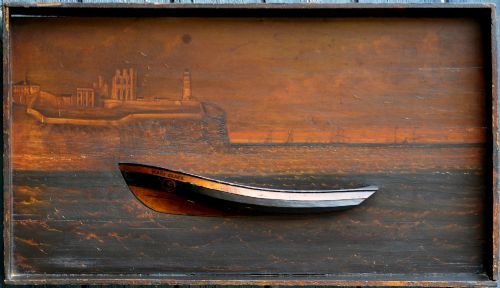
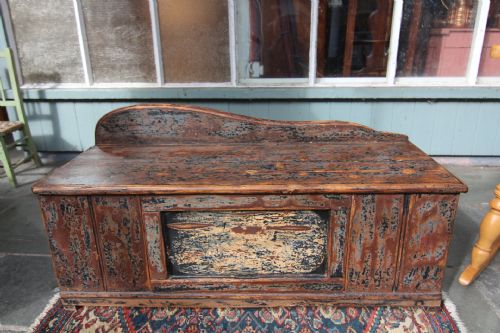
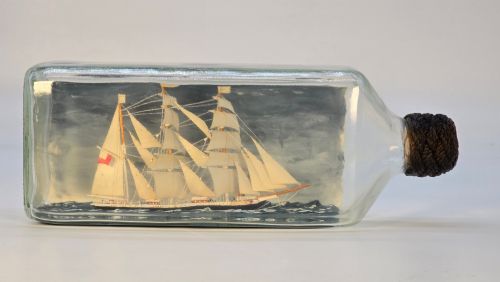
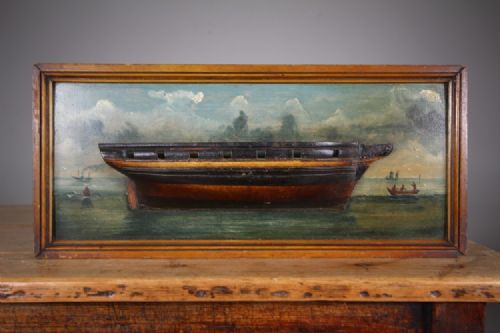
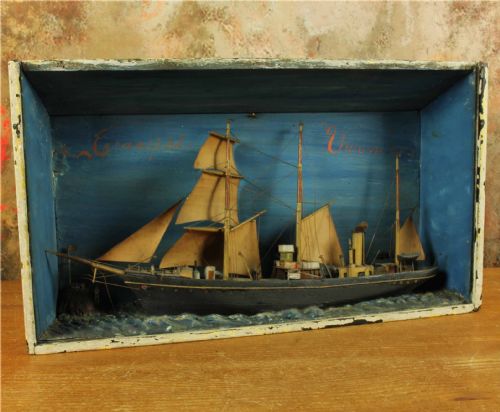
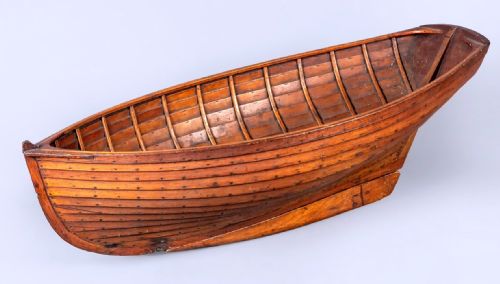
A folk art boat brings nautical history into a room through handcrafted models, dioramas, and functional items. Buyers searching for a folk art boat encounter diverse objects ranging from enclosed bottle models to box seats and wall dioramas. The examples gathered here span the nineteenth century through the early twentieth century, showing both English and continental origins.
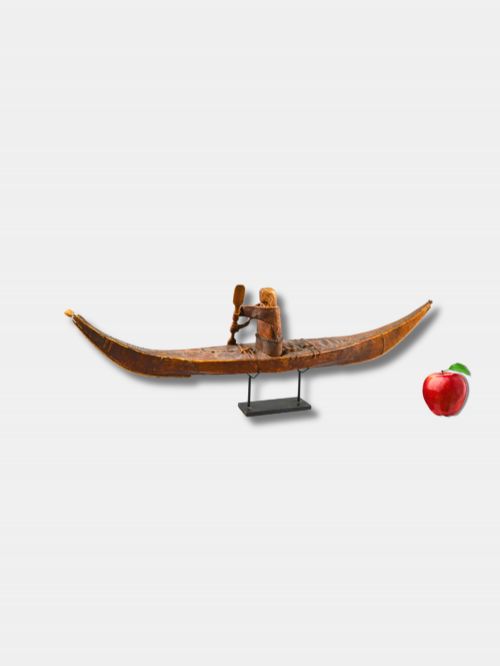
Most entries on this page take the form of detailed dioramas, ship models, and bargeware pieces. The selection includes specific representations like the sailing ship Glynllifon alongside Inuit kayak sculptures and French handmade boat models. These items reflect the varied ways makers interpreted maritime subjects using readily available materials.
The nineteenth century provides a strong core of these objects, supplemented by pieces from the decades around nineteen twenty. Forms stretch from shadow box displays to cradle boat hulls and decorative teapots with bargeware decoration. Each piece presents a distinct physical record of maritime folk culture.
Materials and construction
Makers relied primarily on timber and wood, shaping hulls and plinths by hand to create scratch-built ship models and dioramas. Paint was applied to surfaces for colour and protection, seen vividly in red painted ship wheels and polychrome barge box seats. Glass enclosures protected delicate rigging inside bottles and shadow boxes.
Secondary materials such as canvas, metal, thread, and lead glaze appear across specific object types. The Inuit kayak sculpture incorporates tanned seal skin, wood, and bone to render the vessel and figure accurately. These varied components highlight the resourceful nature of vernacular maritime craftsmanship.
Current listings feature nineteenth-century and early twentieth-century pieces made from wood, paint, glass, canvas, metal, and seal skin.
Assessing quality and character
Quality rests in the precision of the scratch-built details and the preservation of original painted surfaces. Superior examples demonstrate careful rigging and thoughtful composition within dioramas, whereas simpler items rely on bold, rustic forms. The integration of authentic materials, such as bone and seal skin in indigenous pieces, elevates the interest of a work.
Condition and originality dictate the standing of individual objects within this field. Items retaining their untouched nineteenth-century paint or original glass bottles offer a clearer window into their period of origin. The presence of documented names, such as specific vessels like the Glynllifon, adds historical depth to the physical object.
The Folk Art Boat Glossary
- Diorama
- A three-dimensional scene enclosed in a box or case, often depicting a ship at sea with painted backgrounds and detailed rigging.
- Bargeware
- Decorated tin or pottery associated with canal barge life, typically featuring hand-painted floral motifs on dark backgrounds.
- Scratch built
- Constructed entirely by hand from raw materials without the use of a commercial kit or factory stamp.
- Shadow box
- A deep framed glass-fronted container designed to protect and display a maritime model in relief.
- Polychrome
- Decorated in multiple colours, frequently seen on nineteenth-century boxes and functional items.
Folk Art Boat: Frequently Asked Questions
How old are these boat models?
The pieces collected here primarily date from the nineteenth century through the early decades of the twentieth century. Examples range from mid-Victorian items to works produced around nineteen twenty.
Stylistic cues and material choices help establish these rough production eras when formal signatures or dates are absent.
How should I display a ship in a bottle?
Ship in a bottle items require stable placement away from direct sunlight and sharp temperature fluctuations to protect the glass and internal components. A dedicated wooden plinth provides a secure base for viewing the delicate vessel safely.
Keep the display area free from excessive vibration, which can dislodge the fine thread rigging inside the container over time.
Are bargeware pieces considered folk art boats?
Bargeware pieces share a direct aesthetic and functional link with canal and river transport traditions represented in maritime folk art. Teapots, jugs, and box seats painted in this tradition reflect the same vernacular culture as ship models.
They expand the definition of boat-related folk art beyond literal vessel models into the domestic sphere of waterway workers.