



Folk Art Bench
These folk art bench pieces bring regional character and honest utility into a room, offering practical seating loaded with vernacular history.
Folk Art Bench
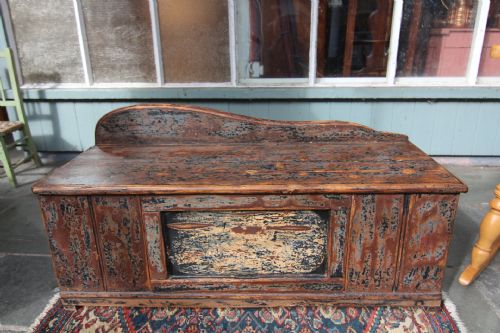
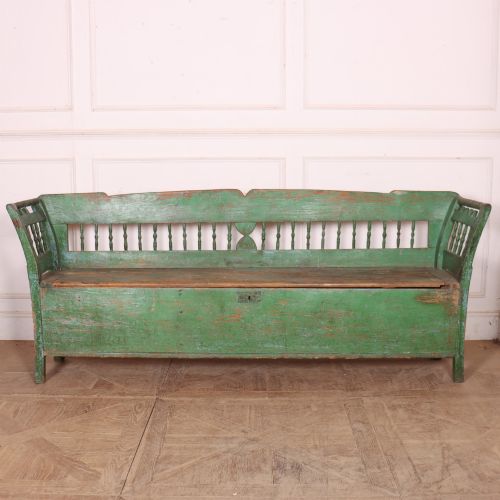
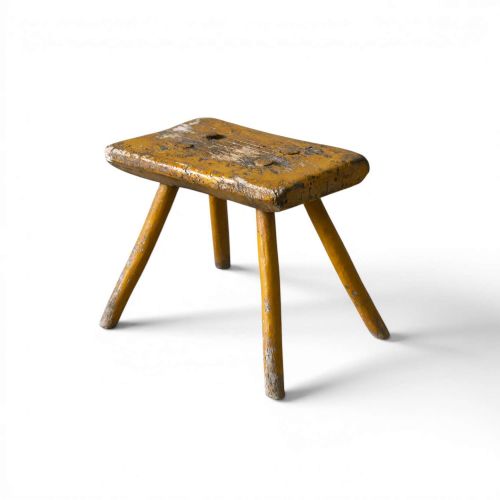
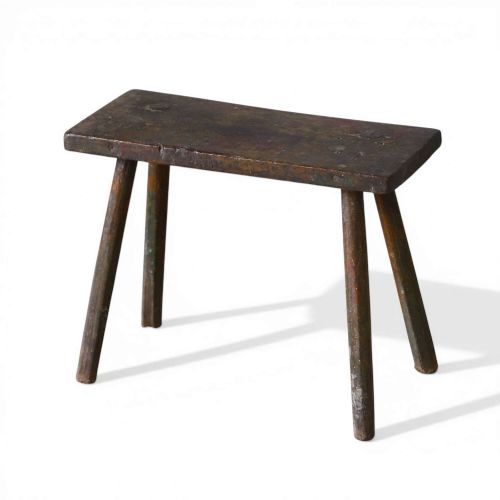
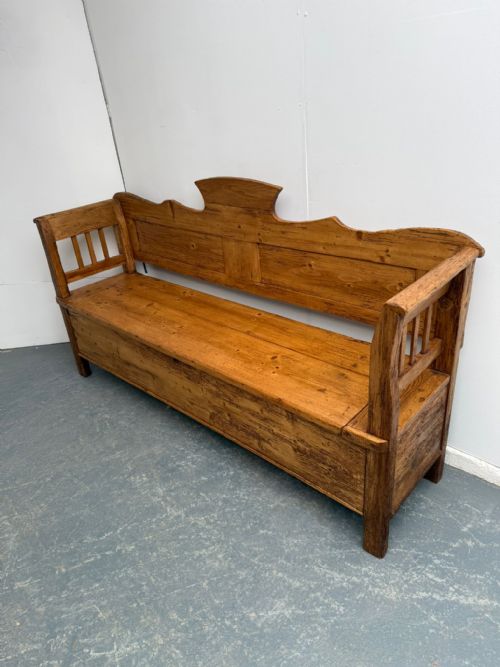
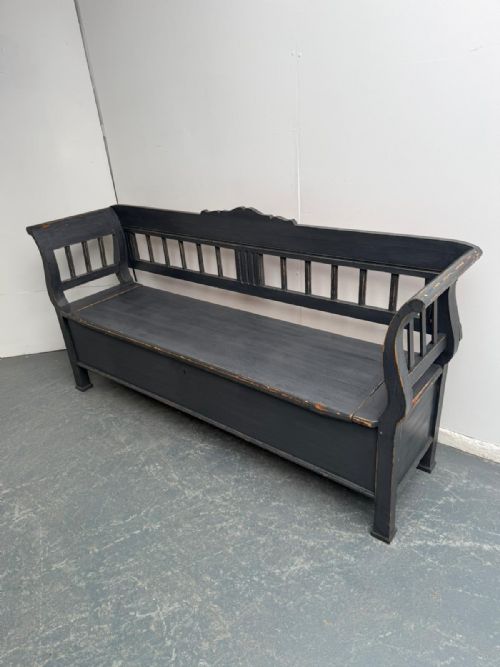
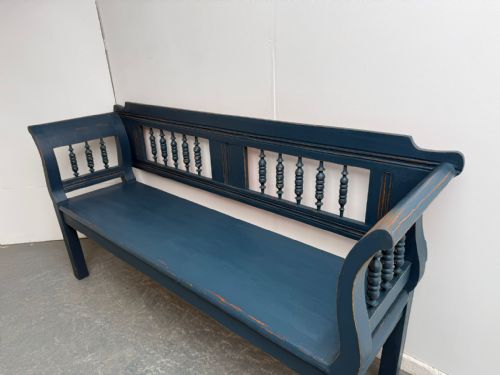
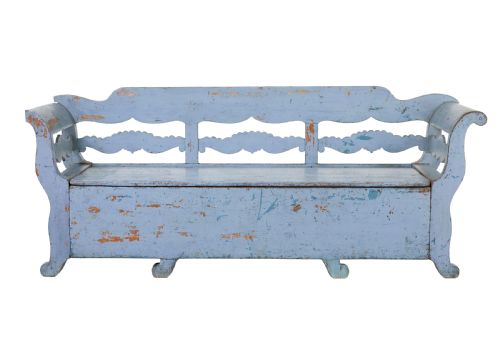
A folk art bench encompasses everything from tall-backed box settles and canopied seats to low milking stools and children's furniture. When exploring this selection, buyers frequently encounter regional European forms such as Hungarian box settles, Austrian painted benches, and Swedish pine seating.
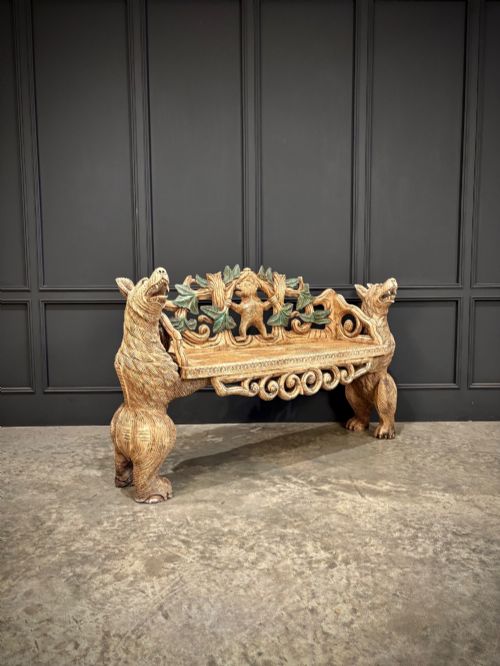
Makers shaped these utilitarian objects for everyday life in farmhouses, cottages, and workshops rather than grand drawing rooms. The inventory spans straightforward vernacular seating alongside specialised forms like cobbler's work stools and Black Forest carved wooden benches.
Periods represented across these listings stretch from the eighteenth century through the Victorian era and into the early twentieth century. These foundational forms demonstrate how rural communities adapted timber and paint to create essential household seating.
Materials and construction
Carpenters relied primarily on accessible regional timbers such as pine, oak, beech, linden wood, and general timber. These woods were shaped using basic hand tools to build sturdy joints and functional frames designed for heavy daily use.
Surfaces frequently display original decorative treatments including ochre, green, blue, and cream paint, alongside scumble glazes and waxed finishes. This applied colour and protective coating defines the distinct visual identity associated with rural vernacular craftsmanship.
Listings feature pine, oak, beech, and linden wood alongside applied finishes of ochre, green, blue, and cream paint.
Judging quality in vernacular seating
Quality rests upon the integrity of the original construction and the preservation of authentic surface finishes. Pieces retaining undisturbed historic paintwork stand apart from those stripped down or heavily restored in later decades.
Proportion and structural balance also distinguish finer examples from standard utilitarian items. A well-proportioned seat with pleasing lines and honest wear reflects the deliberate care taken by regional makers.
The Folk Art Bench Glossary
- Settle
- A wooden bench featuring a high back to block draughts, often incorporating a box seat beneath for storage. These items served as central seating fixtures in traditional kitchens and halls.
- Box seat
- A bench or settle base constructed with a hinged lid revealing a storage cavity underneath. This dual-purpose design maximised utility in smaller dwellings.
- Scumble
- A decorative painting technique involving a translucent top layer dragged or wiped over a lighter base colour to simulate wood grain or texture. It appears frequently on regional nineteenth-century pine furniture.
- Polychrome
- Decorated or painted in multiple colours. This term describes folk pieces retaining their vivid original palette.
- Vernacular
- Everyday objects built by local craftspeople using traditional regional styles and available materials rather than high-style academic designs. This tradition prioritises utility and local aesthetic preferences.
Folk Art Bench: Frequently Asked Questions
How do I clean a painted bench?
Dust the surface regularly with a soft, dry cloth to prevent dirt accumulation without disturbing the historic finish. Avoid modern chemical cleaners or water, which can damage aged oil or milk paint.
For stubborn marks, consult a professional conservator rather than attempting aggressive scrubbing. Preserving the original patina remains paramount for maintaining the character of regional pieces.
Were these benches used outdoors?
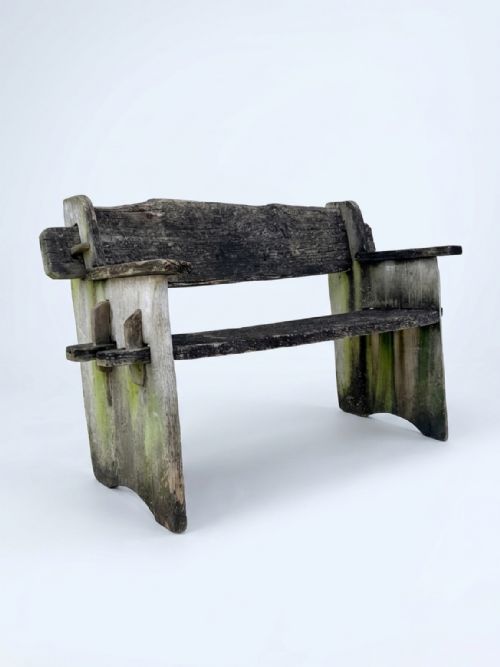
Most traditional settles and painted benches originated as indoor furniture for farmhouses, cottages, and workshops. Specific items, such as garden benches from the Edwardian period, were designed to withstand outdoor placement.
Checking the timber type and finish helps determine whether a piece suits a sheltered porch or strictly interior placement. Exposure to damp conditions will quickly degrade historic pine and fragile painted surfaces.
What is a box settle?
A box settle combines a high-backed wooden bench with a built-in storage chest beneath the seat. This form provided draught protection near open hearths while storing blankets or household goods.
Originating in earlier centuries, these pieces remained staple furniture in European rural homes into the Victorian era. Their enclosed bases helped keep living spaces tidy in compact dwellings.
How can I tell regional styles apart?
Regional identification relies on construction traits, timber choices, and distinct decorative painting traditions. For example, Hungarian pieces often feature specific three-seater box forms with vibrant painted surfaces, while Austrian examples display characteristic Alpine framing.
Swedish designs typically employ clean lines with pale pine and simple painted finishes. Studying these recurring geographical patterns helps connect individual items to their country of origin.