



Folding Wooden Step Stool
These folding wooden step stool options give domestic spaces practical height while bringing period timber and clever mechanical movement into daily service.
Folding Wooden Step Stool
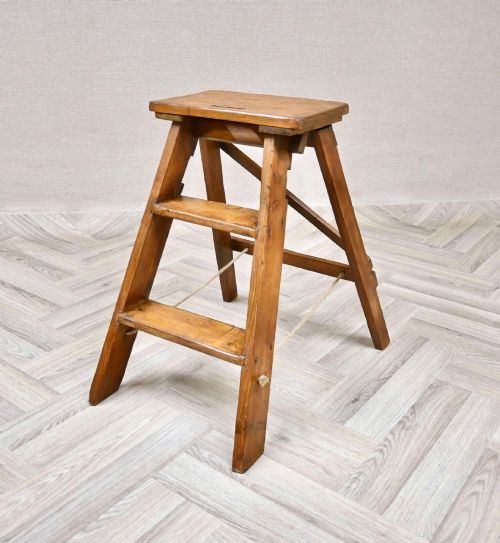
When you search for a folding wooden step stool, you look at items designed to reach high shelves in libraries, domestic rooms and workshops. These pieces combine simple timber framing with functional hinges or pivoting elements that allow the steps to collapse when not in use.
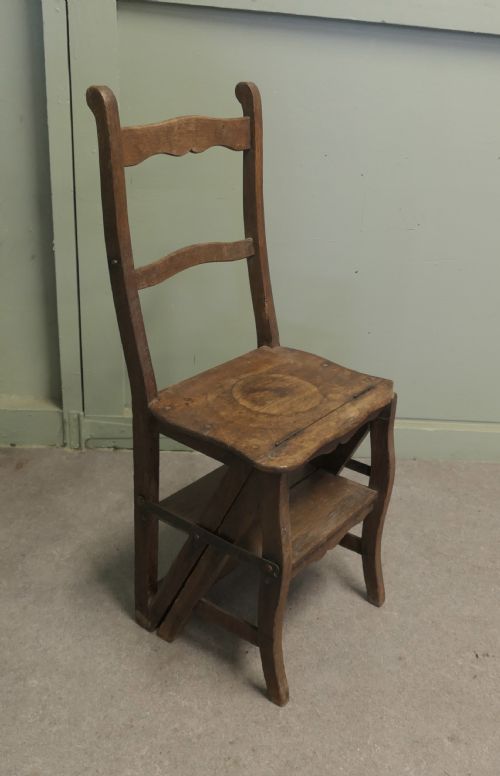
The versions you meet on this page span several eras and styles, including Victorian, Georgian, and 1930s utility pieces. They range from rustic pine stepladders to oak library chairs that transform into steps, alongside painted and fruitwood variants.
How they were made
Carpenters constructed these items using hardwoods like oak, mahogany, and fruitwood alongside pine for utilitarian frames. Joinery methods varied from sturdy pegged joints in library chairs to simpler utilitarian fixings on railway and domestic steps.
Makers integrated iron brackets, hinges, and occasional leather or rope elements to support the folding and pivoting mechanisms. Surfaces received finishes ranging from clear polish on mahogany to painted coats on utility ladders.
Folding Wooden Step Stool Retail Price Guide 2026
Typical asking prices for folding wooden step stool among the pieces listed under this phrase on Sellingantiques today, from the lower quarter to the upper quarter. They describe what is for sale here now, not the wider market.
Listings feature oak, pine, mahogany, and fruitwood across items dating from the Georgian period through to the 1930s.
What varies in quality
The distinction between ordinary utility items and superior examples lies in the ambition of the design and the timber selection. A standard pine ladder serves a purely functional role, whereas a Georgian or Gothic Revival metamorphic armchair combines refined cabinetmaking with dual utility.
Execution of the moving parts and the integrity of the wood joints define the better pieces in this range. Finer items exhibit careful turning, pegged construction, and decorative detailing in the manner of the Aesthetic Movement rather than basic industrial assembly.
The Folding Wooden Step Stool Glossary
- Metamorphic
- Furniture designed to transform from one object into another, such as an armchair converting into a flight of library steps.
- Gothic Revival
- A nineteenth-century style drawing inspiration from medieval architecture, seen in pointed arches and heavy oak construction.
- Fruitwood
- Timber sourced from fruit-bearing trees such as pear or apple, prized by cabinetmakers for its dense grain and warm tone.
- Aesthetic Movement
- A late nineteenth-century design current emphasising visual beauty and craftsmanship over orthodox historical revival.
Folding Wooden Step Stool: Frequently Asked Questions
How do metamorphic step chairs work?
These clever pieces use hidden hinges and pivoting seat sections that swing forward and downward to reveal a concealed set of treads.
Once locked into the alternate position, the backrest and arm components form a stable handrail while the steps rest firmly on the floor.
Are these steps safe to use?
Most antique folding wooden steps remain sturdy enough for light domestic climbing if the wooden treads and iron hinges are secure.
Buyers intending to use them daily should check the pivot points and wood joints carefully before putting weight on the upper steps.
How do I date an antique step stool?
Dating relies on identifying timber species, construction methods, and stylistic cues such as Victorian Gothic detailing or Georgian mahogany framing.
Utility pieces from the nineteen-thirties often display simpler industrial fixings and painted finishes that distinguish them from earlier cabinet-made library steps.
Where were library steps placed?
Owners kept these items in private studies and large home libraries to reach upper bookshelves containing leather-bound volumes.
When folded away, dual-purpose pieces like library chairs sat neatly beside desks or reading tables until needed.