





Folding Wooden Ladder
A folding wooden ladder brings sturdy utility and clever design into the home, transforming from a practical climbing aid into a handsome piece of furniture.
Folding Wooden Ladder
When you search for a folding wooden ladder, you are looking at items that bridge utilitarian function and domestic refinement, spanning simple pine stepladders to ingenious library steps. These pieces range across multiple periods, including Georgian, Victorian, and Edwardian examples, alongside later 1930s utility designs.
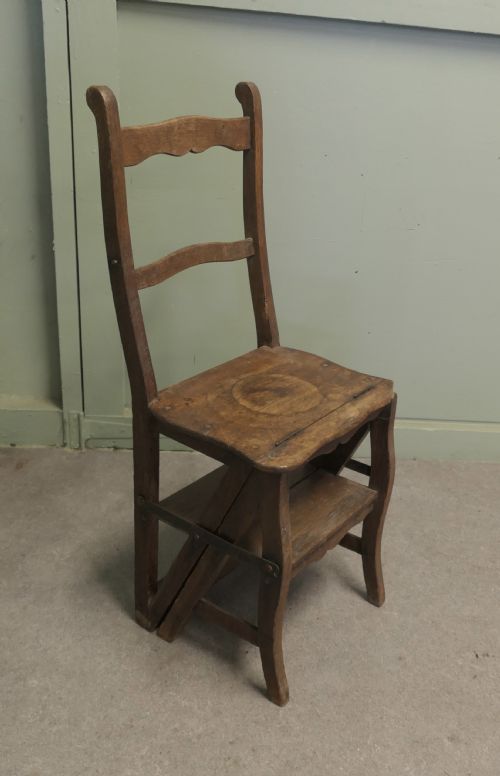
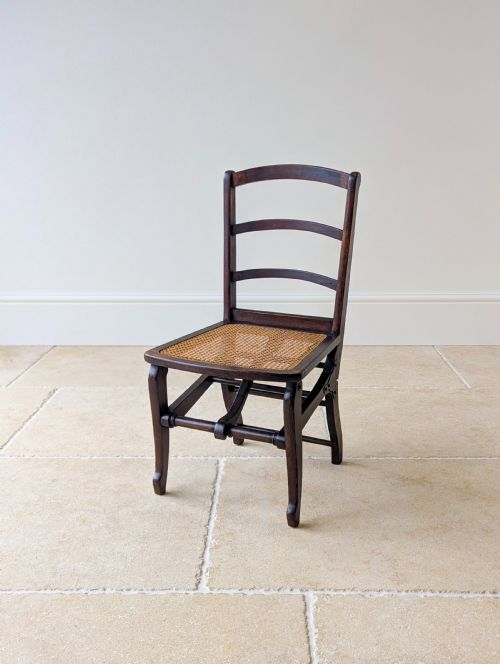
You will most frequently encounter library steps and metamorphic chairs on this page. These dual-purpose items unfold to provide high reach or transform gracefully into armchairs and side chairs when not in use.
The origins vary from domestic rustic country pieces and French country designs to architectural Gothic Revival and Arts & Crafts creations. Railway steps and campaign chairs also appear, showing how portable wooden steps served diverse trades and travels.
Materials and construction
Carpenters utilised sturdy timbers such as oak, mahogany, pine, and fruitwood to build these folding wooden ladders. Hardwood provided the necessary strength for weight-bearing steps, whilst softer pine suited utilitarian ladders.
Makers integrated functional hardware in iron and brass to facilitate the folding and pivoting mechanisms. Details like leather accents and cane sometimes appeared on metamorphic chair versions to enhance the seating comfort.
Folding Wooden Ladder Retail Price Guide 2026
Typical asking prices for folding wooden ladder among the pieces listed under this phrase on Sellingantiques today, from the lower quarter to the upper quarter. They describe what is for sale here now, not the wider market.
Assessing quality and execution
The sophistication of the folding mechanism marks the division between standard utility ladders and superior metamorphic furniture. Pieces that convert smoothly from chairs to steps display advanced cabinet-making skill.
The choice of timber heavily dictates the refinement of the object. Finely figured mahogany and carved oak with Gothic Revival or Aesthetic Movement details represent a higher tier of craftsmanship than plain pine work.
The Folding Wooden Ladder Glossary
- Metamorphic furniture
- Pieces designed to transform from one form of furniture into another, such as a chair turning into library steps. This clever dual-purpose engineering was particularly popular in the Georgian and Victorian eras.
- Library steps
- Portable wooden steps designed to help reach high bookshelves in private studies and large libraries. They often feature handrails or sturdy A-frame supports.
- Gothic Revival
- An architectural and decorative style drawing inspiration from medieval forms. In wooden steps, this manifests in pointed arch motifs, cusping, and heavy carved oak.
- Arts & Crafts
- A design movement prioritising traditional craftsmanship and visible construction. Pieces from this period emphasise honest materials and simple utility.
Folding Wooden Ladder: Frequently Asked Questions
How do metamorphic library chairs work?
These ingenious items use pivot hinges and sliding tracks concealed within the framework. The backrest and upper treads swing forward or downward to convert a standard armchair into a stable flight of steps.
This transformation allowed homeowners in compact Georgian and Victorian interiors to save space without sacrificing utility or elegance.
Can I use these antique ladders daily?
Many solid oak, mahogany, and pine steps remain structurally robust and suitable for everyday climbing tasks around the house. Checking the joints and iron or brass hardware ensures safety before use.
Lighter metamorphic chairs are better suited for occasional use or display due to their complex folding mechanisms and historical age.
How do I date an old wooden ladder?
Dating relies on observing the timber species, joinery techniques, and stylistic details. Georgian and Victorian examples often feature hand-turned spindles and rich mahogany or oak patination.
Later Edwardian and 1930s versions tend to show simpler industrial utility forms and machine-cut components.
Where were these steps originally used?
They found places in grand domestic libraries, offices, and railway stations for accessing high ledges and archives. Folding campaign versions travelled with owners on military or colonial expeditions.
Today, these versatile pieces integrate easily into modern living rooms and kitchens as shelving, plant stands, or occasional seating.