

Folding Stand Table
When searching for a folding stand table, collectors encounter versatile pieces designed for serving, folding, and easy storage across multiple historic periods.
Folding Stand Table
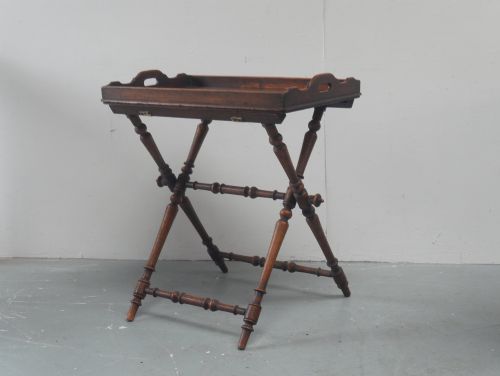
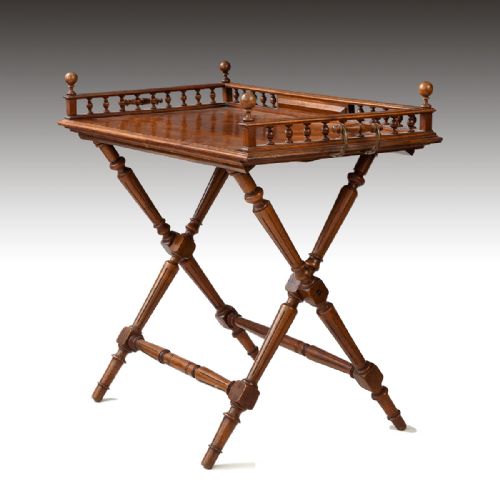
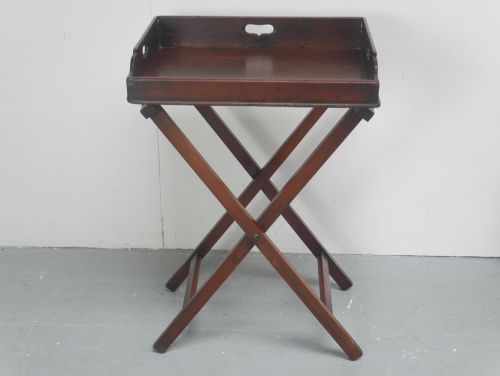
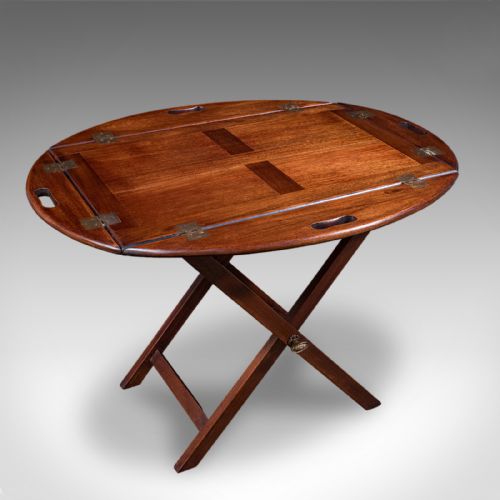
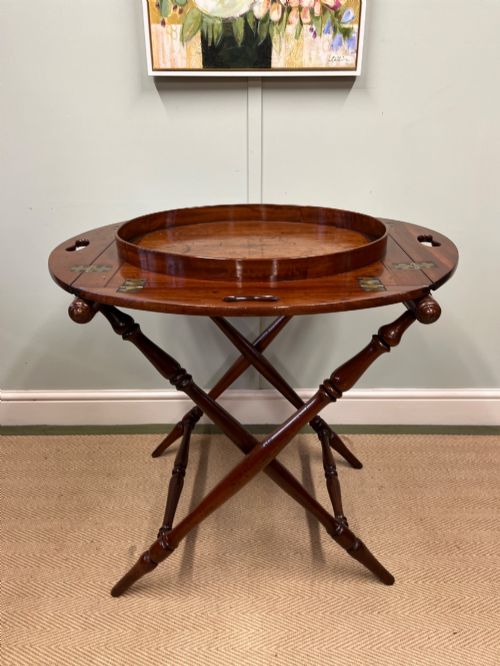
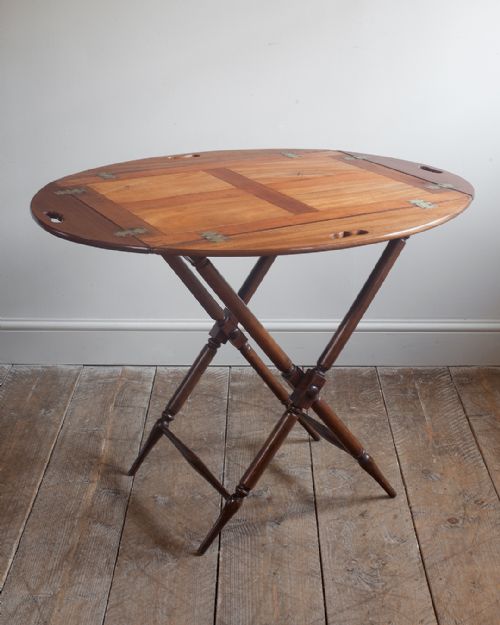
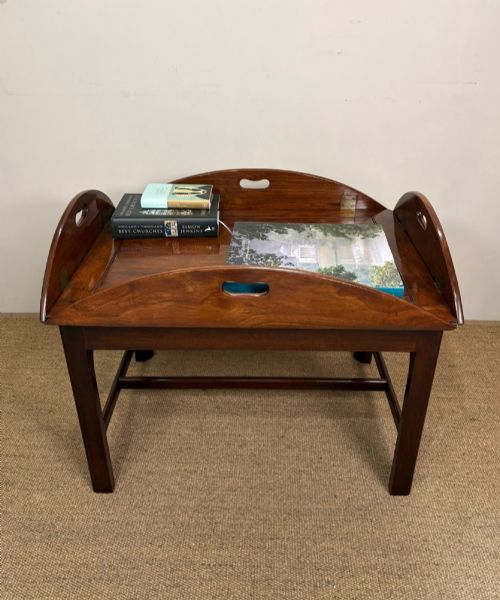
A folding stand table combines a removable tray or top with a collapsible wooden or metal base, designed originally for portable service and flexible living.
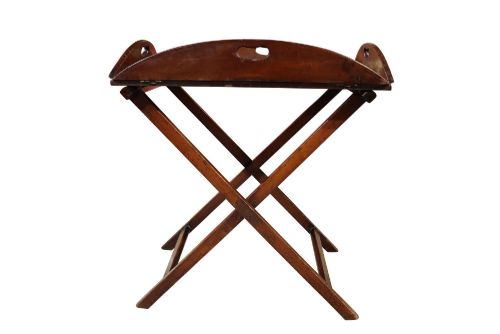
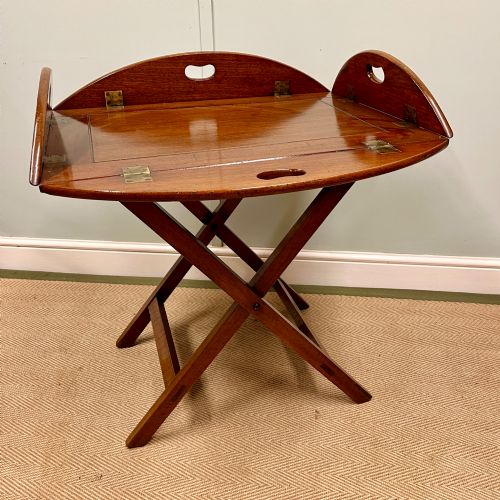
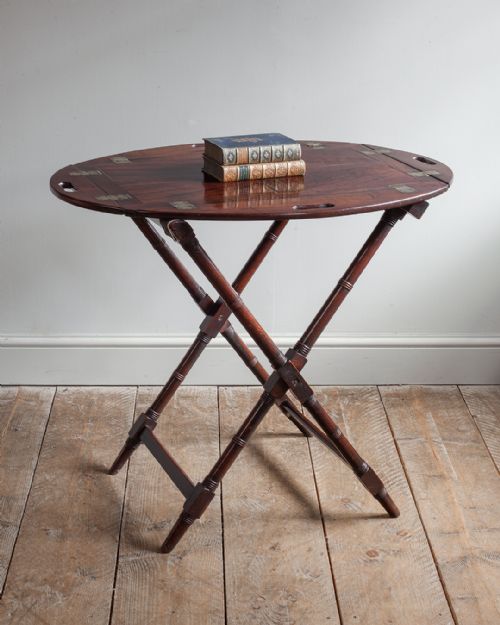
The most common form on this page is the butler tray table, appearing frequently in mahogany, oak, and walnut from Georgian, Victorian, and Edwardian eras.
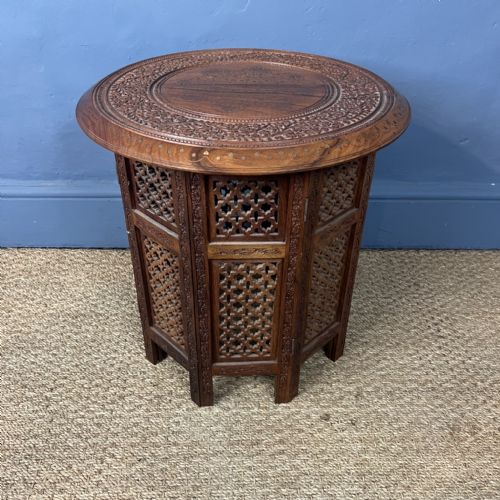
Beyond English serving pieces, the category encompasses Anglo-Indian and Middle Eastern brass-inlaid, copper, and octagonal folding tables suited for occasional use.
How They Were Made
Cabinetmakers utilised dense timbers such as mahogany, rosewood, teak, and oak to construct durable folding mechanisms and sturdy tray lips.
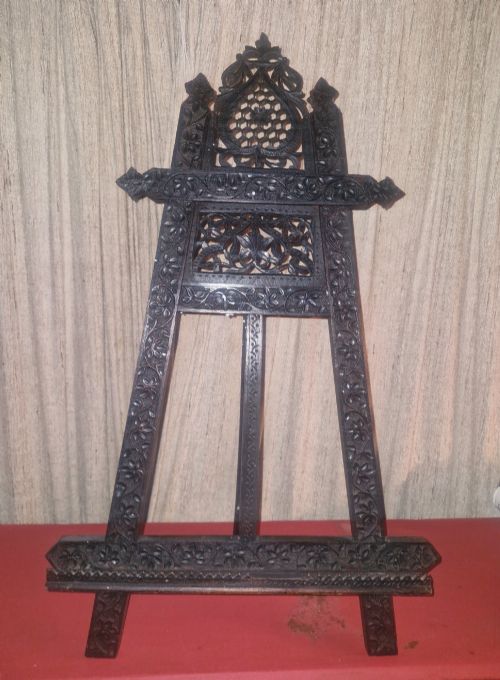
Decorative surfaces often incorporate brass inlay, carved geometric patterns, or engraved copper panels reflecting regional craftsmanship from English workshops to colonial centres.
Listings feature woods such as mahogany, teak, oak, rosewood, and walnut spanning the eighteenth to early twentieth centuries.
What Varies in Quality
Construction standards distinguish utilitarian folding frames from sophisticated examples featuring finely pivoted joints, dovetail joints, and select timber grains.
The crispness of hand-carved detailing, the weight and purity of inlaid brass or copper, and the retention of original matching stands dictate overall merit.
The Folding Stand Table Glossary
- Butler tray
- A portable wooden tray with hinged or shaped sides used for carrying and serving food or drinks. These trays lift cleanly off their folding supports for independent use.
- Campaign style
- Portable furniture made for travel or military service, characterised by folding elements and robust construction. Pieces built in this manner prioritized practicality and strength.
- Benares tray
- An engraved brass tray from India, typically featuring dense foliate or figurative motifs. Such trays were frequently paired with collapsible wooden stands for export.
- Dumb waiter
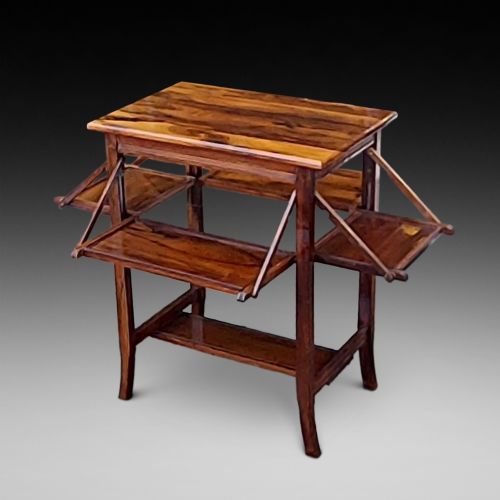
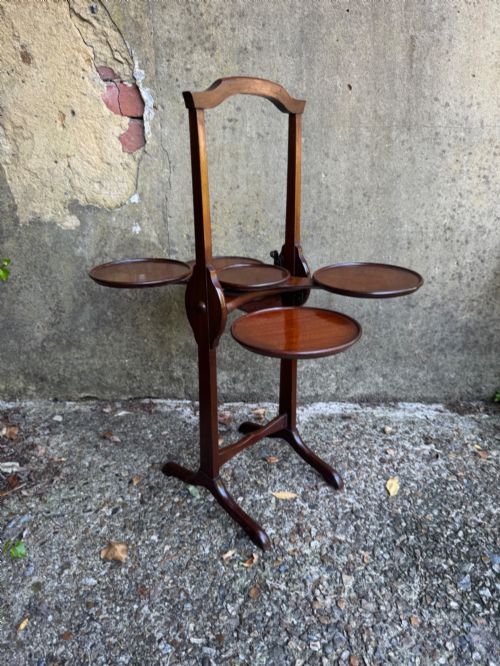
- A multi-tiered freestanding serving stand used to hold dishes during meals. These items allowed diners to dispense with servants during private courses.
- Occasional table
- A small, versatile table designed for specific, intermittent use within a room. Examples include tea tables, cake stands, and low coffee tables.
Folding Stand Table: Frequently Asked Questions
How were folding stand tables originally used?
These pieces served practical domestic functions, from carrying tea and meals in large houses to functioning as portable furniture for travel.
Servants used the removable trays for transport, while the collapsible stands allowed the entire assembly to be stored away when not needed.
Are the trays fixed to the stands?
Most traditional butler trays and brass tray tables rest loosely upon folding X-frame or tripod supports.
This removable design allowed the tray to double as a serving platter, though some examples incorporate hinged or secured mechanisms.
How do I distinguish Georgian from Edwardian examples?
Georgian pieces typically display restrained mahogany craftsmanship with simple oval or rectangular tray forms and subtle handles.
Edwardian and later iterations often embrace lighter satinwood, extensive inlay, or campaign revival styles associated with afternoon tea and cake stands.
How should I care for an antique wooden folding table?
Keep the wood conditioned with appropriate furniture wax and avoid placing pieces in direct sunlight or near heat sources.
Inspect the folding hinges and pivot points periodically to ensure smooth operation without straining the historical joints.