



Folding Circular Tea Table
A folding circular tea table offers neat versatility for a room, combining practical surfaces with period craftsmanship.
Folding Circular Tea Table
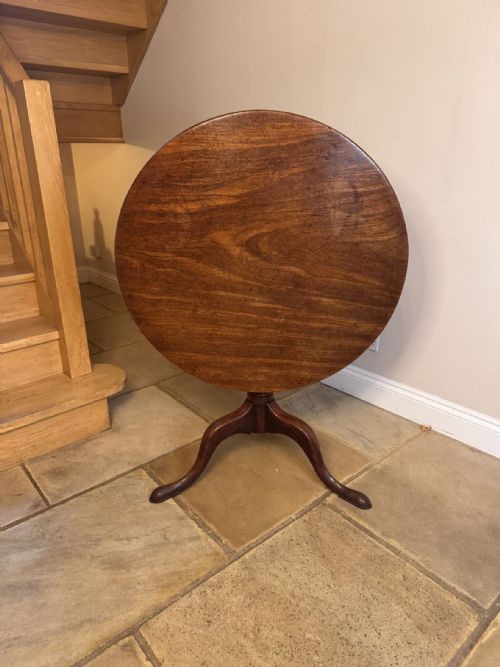
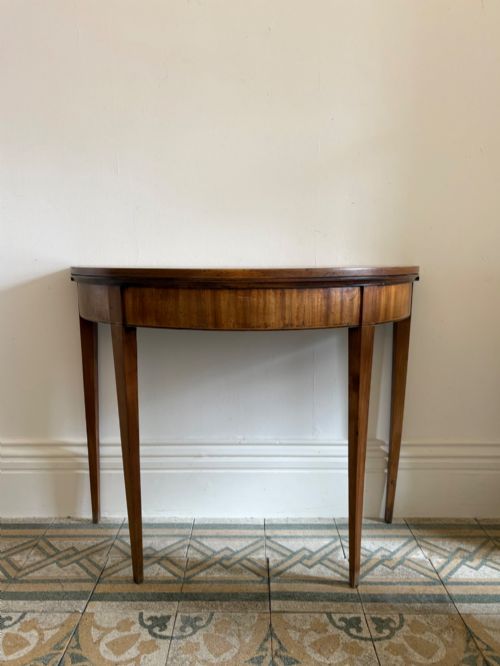
A folding circular tea table is primarily found in forms designed for compact spaces, hosting guests, or serving multiple household functions across the Georgian, Victorian, and Edwardian eras. These pieces typically include drop leaf mechanisms, foldover tops, and occasional tables that adapt to different room layouts.
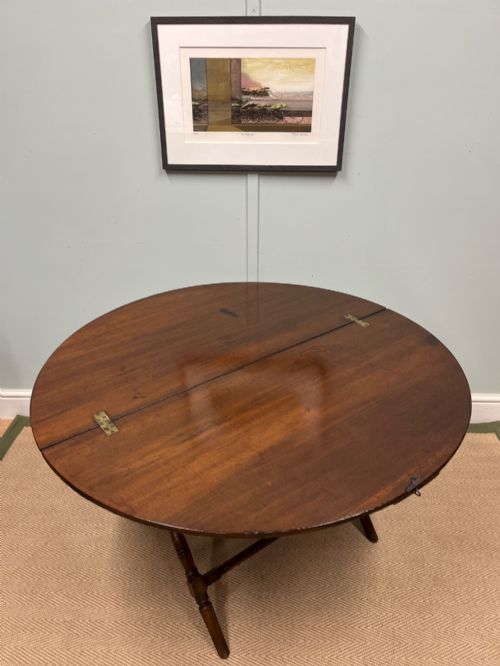
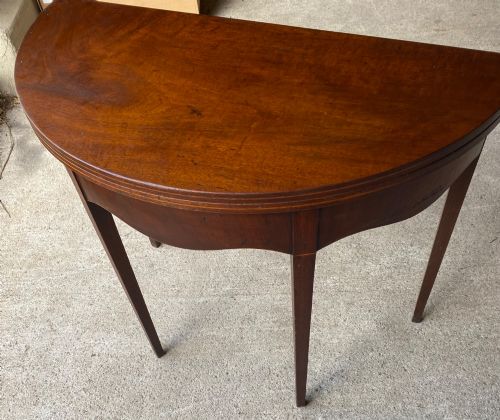
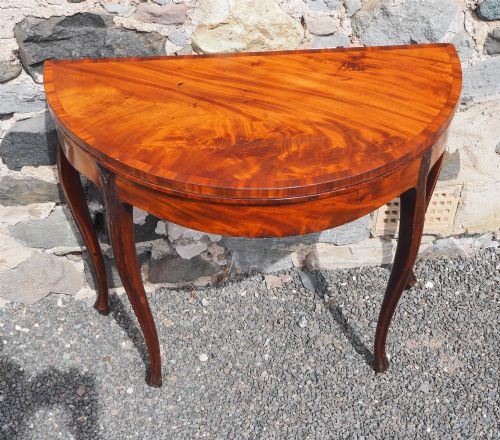
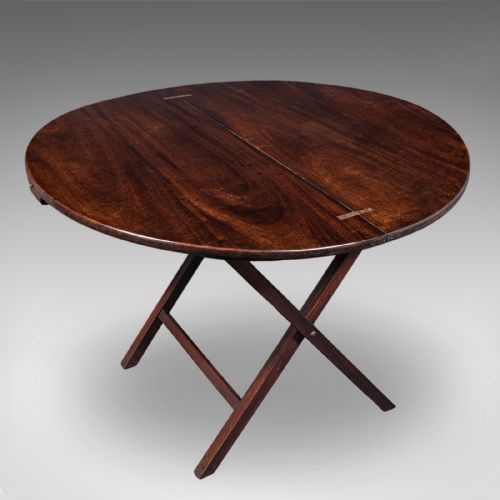
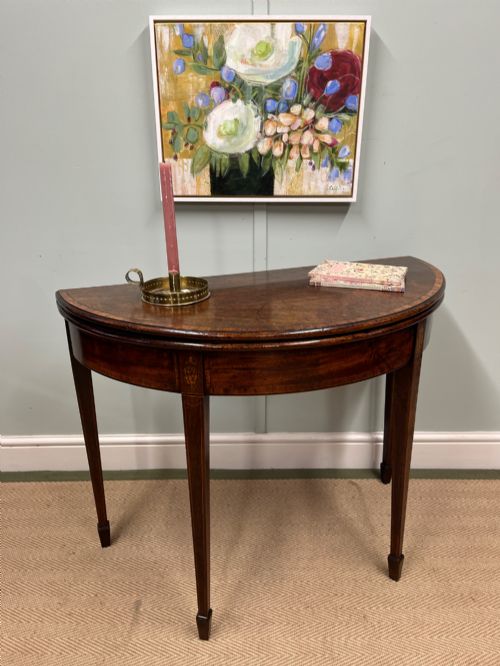
The versions most commonly met on this page span the eighteenth and nineteenth centuries, taking the shape of circular or demilune formats that hinge open when needed. Woods such as mahogany, satinwood, cherrywood, and elm dominate the selection, often complemented by brass accents or intricate woodwork.
How they were made
Cabinetmakers utilised solid hardwoods alongside decorative veneers like flame mahogany to construct these tables, ensuring structural stability for moving hinges and folding leaves. Surfaces were frequently enhanced with contrasting stringing or detailed timber selection.
Metal components such as brass hinges, catches, and occasional tray tops provided functional durability for pieces designed to be moved or packed away.
Folding Circular Tea Table Retail Price Guide 2026
Typical asking prices for folding circular tea table among the pieces listed under this phrase on Sellingantiques today, from the lower quarter to the upper quarter. They describe what is for sale here now, not the wider market.
Listings feature periods spanning the eighteenth, nineteenth, and early twentieth centuries, constructed in mahogany, satinwood, cherrywood, elm, and brass.
What varies in quality
The standard of a folding circular tea table rests on the precision of its folding mechanism and the integration of its hinges, which should operate smoothly without compromising the stability of the top. Superior examples maintain tight joints and balanced proportions whether open or closed.
Material selection also dictates the hierarchy, with finely figured veneers, crisp boxwood stringing, and well-chosen secondary timbers distinguishing workshop output of the eighteenth century from later production.
The Folding Circular Tea Table Glossary
- Demilune
- Half-moon shaped, describing tables with a straight back edge and a curved front that often fold out to form a full circle.
- Drop leaf
- A hinged flap on a table top that can be raised and supported by pivoting brackets or legs.
- Foldover top
- A hinged surface that doubles the size of a table top when opened out flat.
- Stringing
- Thin inlaid lines of contrasting wood used to outline panels and edges on furniture.
Folding Circular Tea Table: Frequently Asked Questions
How do folding tea tables work?
These tables utilise hinges, pivoting legs, or drop leaves to expand from a compact console or side table into a full surface. The top section typically swings or unfolds to reveal a finished timber surface underneath.
Such mechanisms allowed households to save space in smaller rooms while maintaining the ability to host company for tea or games.
What woods are used for these tables?
Construction relies heavily on timbers like mahogany, cherrywood, and elm, often paired with decorative veneers. Finer pieces incorporate satinwood and boxwood stringing for visual contrast.
Regional variations and later Edwardian or twentieth-century examples also introduce brass components and alternative hardwoods.
Are these tables sturdy when open?
Quality construction ensures that the supporting gateleg or pivoting frame locks securely beneath the extended leaf to bear weight evenly. Well-maintained joints prevent sagging across the centre join.
Periodic checking of brass hinges and wooden pivots keeps the folding action aligned and stable during daily use.
How do I date a folding table?
Dating relies on observing the timber species, inlay styles, and the construction methods of the underframe and hinges. Georgian pieces often display specific proportions and veneer choices distinct from later nineteenth-century or Edwardian revivals.
Comparing leg shapes, such as tapering Sheraton styles or cabriole forms, further helps narrow the period of origin.