




Fluted Brass Oil Lamp
A fluted brass oil lamp brings period warmth and classic proportion to a room, combining tactile metalwork with practical lighting.
Fluted Brass Oil Lamp
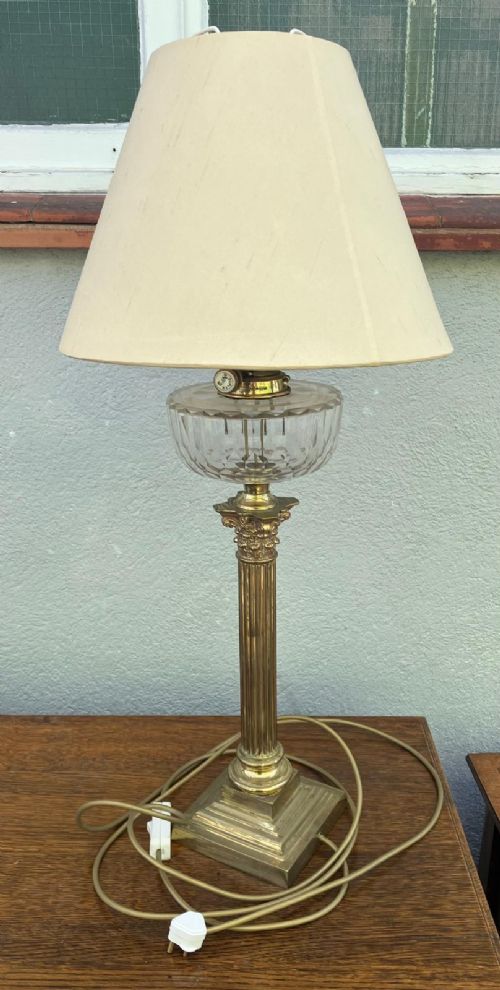
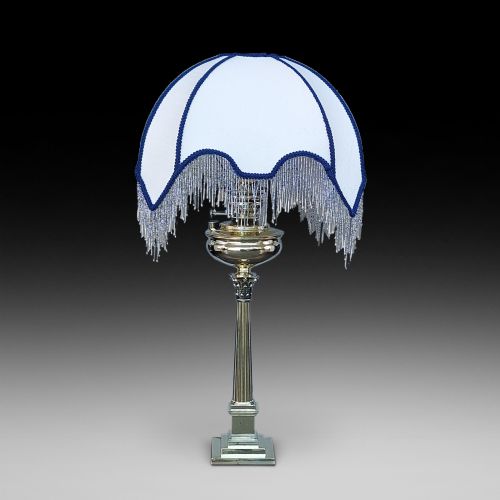
A fluted brass oil lamp is a domestic lighting fixture designed to burn paraffin or oil, featuring characteristic vertical channels carved into the column. These pieces emerge predominantly from the nineteenth century and the Edwardian era, spanning Victorian and Neoclassical Revival styles.
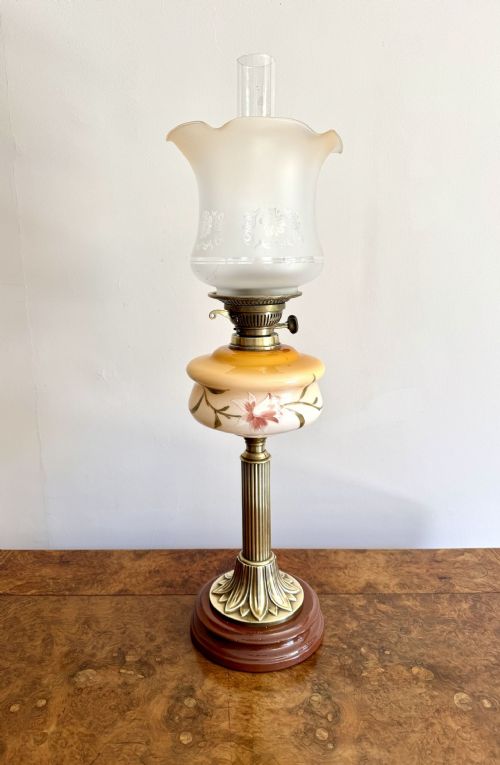
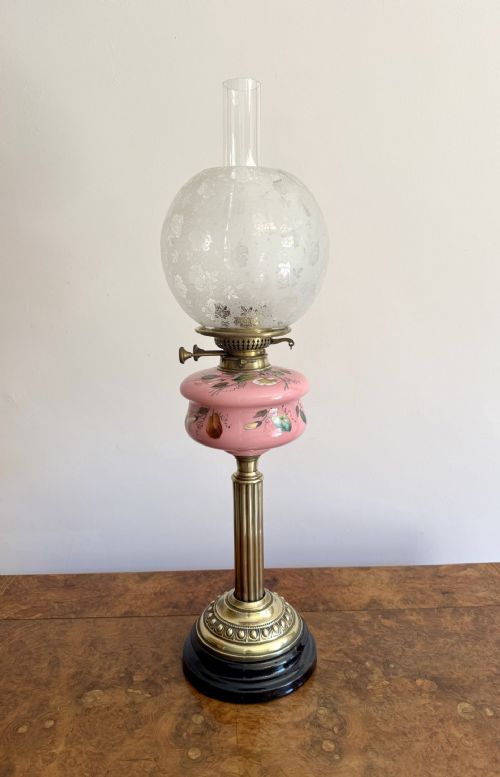
The standard forms on this page include tall table lamps and column lamps, alongside heavier standard lamps and floor lamps. Many examples pair a bright brass stem with a contrasting base or a decorative glass reservoir.
Makers such as Joseph Hinks and Messenger produced significant examples during this period. Buyers frequently encounter versions that retain their original form or have been thoughtfully converted to electricity for modern use.
Materials and Construction
Brass forms the primary structural material for the columns and mountings, shaped through casting and turning to achieve the characteristic fluted profiles. This metal provides a sturdy framework that supports elaborate glass and ceramic components.
Reservoirs and shades incorporate diverse materials such as opaline glass, cut glass, and cranberry glass, offering colourful contrast to the polished metal. Some heavier variations sit upon black glass or ceramic bases for added stability.
Some nineteenth century domestic staff spent hours polishing the delicate flutes on these brass columns before the evening lighting.
Assessing Quality
Quality rests upon the crispness of the casting in the fluted column and the architectural detail of the capital, particularly on Corinthian column examples. Heavier gauges of brass and substantial overall proportions separate standard production from superior work.
The integration of secondary materials dictates the distinction of a piece, such as the clarity of cut glass or the depth of tone in cranberry and opaline glass shades. Retaining signed components or works by known makers elevates the standing of an individual lamp.
JOSEPH HINKS·Messenger
The Fluted Brass Oil Lamp Glossary
- Fluting
- Vertical parallel grooves cut or pressed into the shaft of a column. This classical architectural feature softens the appearance of heavy metal.
- Corinthian column
- A pillar style topped with ornate acanthus leaves and scrolls. It is frequently seen on nineteenth century brass lamps.
- Standard lamp
- A tall floor-standing lighting fixture designed to illuminate a wider area. These substantial pieces often feature heavy brass columns.
Fluted Brass Oil Lamp: Frequently Asked Questions
Can I convert an oil lamp to electricity?
Many surviving examples have already been converted to electricity while retaining their original brass and glass components. This allows them to function safely as modern table lamps.
Conversion generally involves running wiring through the central column without altering the external antique appearance.
How do I identify a Victorian oil lamp?
Victorian examples typically display nineteenth century manufacturing traits, such as heavy brass casting, classical column designs, and hand-finished components.
Reference to specific periods like the 1880s or 1890s in the evidence points to the height of this domestic lighting era.
What are glass shades usually made of?
Shades on these lamps often utilise opaline, cranberry, or clear cut glass to diffuse the light effectively. These materials provide a vibrant splash of colour against the polished brass.
Matching the shade correctly to the period of the base is a key consideration for collectors.
Where should I place a standard lamp?
Standard lamps and floor lamps suit corners of reception rooms where their height can balance larger furniture pieces. Their substantial brass columns create a strong vertical focal point in a traditional interior.
Ensure the heavy glass or ceramic base rests on a stable, level surface.