
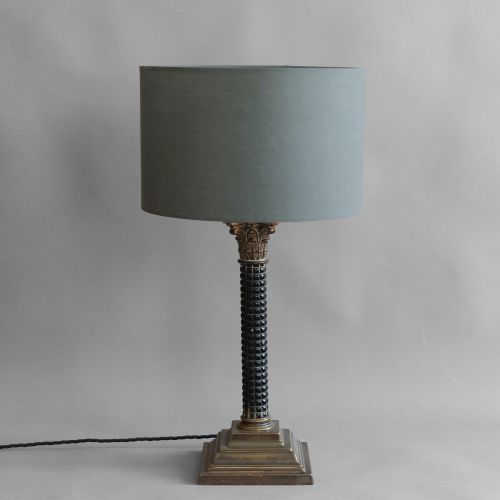




Black Glass Base Lamp
A black glass base lamp grounds a room with dark reflective weight, offering a solid foundation for period brass, ceramic and industrial fittings.
Black Glass Base Lamp
A black glass base lamp brings together dark reflective glass and functional lighting, drawing on Victorian and twentieth-century domestic design. These pieces combine a heavy glass plinth with metal or ceramic elements to create a stable table fixture.
The versions most commonly found here pair a black glass base with brass oil lamp reservoirs or Art Deco upright structures. They range from late Victorian domestic lighting conversions to crisp 1930s designs.
Makers utilised the dense, light-absorbing quality of black glass to anchor taller brass or ceramic columns. This heavy footing prevented tipping while offering a sleek contrast to polished metal work.
How they were made
Makers fashioned the bases from heavy moulded or cast black glass, pairing them with turned brass, ceramic, and marble components. Metal parts were frequently cast, spun, or threaded to secure the glass securely to the burner or bulb holder.
Victorian examples combined the dark glass plinth with patterned ceramic fonts and heavy brass collars, whilst Art Deco pieces integrated streamlined glass bodies with chrome or bakelite fittings. Each material was chosen for durability as well as visual contrast against the dark glass foot.
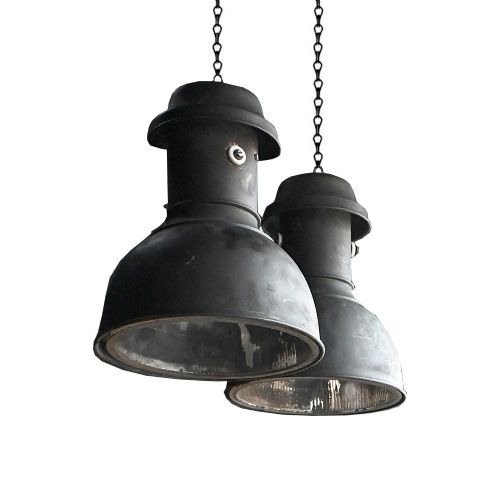
A cheerful Pierrot playing his accordion in spelter shares floor space with austere industrial street lighting.
What varies in quality
The standard of a black glass base lamp depends on the weight and depth of the glass moulding, along with the precision of the metal mounts. Superior examples show clean, heavy glass without internal bubbles, paired with solid brass or crisp ceramic elements that fit together tightly.
Poorer quality pieces often rely on thin, lightweight glass and stamped metal parts that lack the rigidity of earlier manufacturing methods. The integration between the dark glass foot and the upper reservoir dictates the overall stability and proportion of the piece.
Eileen Grey·Karl Palda
The Black Glass Base Lamp Glossary
- Oil lamp
- A lighting device that burns liquid fuel via a wick, commonly featuring a glass or ceramic reservoir mounted on a heavy base. These units were frequently converted to electricity later.
- Art Deco
- A design style from the interwar period characterised by geometric symmetry, stylised motifs, and modern industrial materials like chrome and bakelite. It dominates the 1930s pieces on this page.
- Spelter
- A zinc alloy used as a cost-effective substitute for bronze, often painted or electroplated to resemble more expensive metals. It appears frequently in figural bases from the early twentieth century.
- Bakelite
- An early form of synthetic plastic developed in the early twentieth century, valued for its durability and rich dark lustre. It is a defining material of the 1930s desk lamps.
Black Glass Base Lamp: Frequently Asked Questions
What is a black glass base lamp?
A black glass base lamp is a lighting fixture anchored by a heavy, dark glass plinth, typically supporting a brass, ceramic, or metal upper structure. These pieces span from the late nineteenth century into the Art Deco period.
They combine utility with decorative dark glass foundations designed to keep the lamp stable on tables and desks.
How do I date a black glass lamp?
Dating relies on examining the materials, manufacturing marks, and overall design style of the upper structure and fittings. Victorian examples often feature heavy brass collars and ceramic fonts, while 1930s pieces show geometric Art Deco lines.
The transition from oil-burning mechanisms to electrical wiring also helps establish the approximate decade of production.
Were these lamps converted from oil?
Many nineteenth-century examples began life as oil lamps before being adapted for household electricity during later decades. This process usually involved running a flex through the original burner mechanism or adding a weighted base.
Such conversions retain the original brass collars and reservoirs while updating the internal wiring for modern use.
How do I style these lamps at home?
A black glass base lamp works well on sideboards, desks, or reading tables where the dark reflective glass can anchor the surrounding decor. Pair them with neutral fabric shades to let the contrast between the dark foot and metalwork stand out.
Their substantial weight and classic proportions suit both period interiors and modern minimalist spaces.