
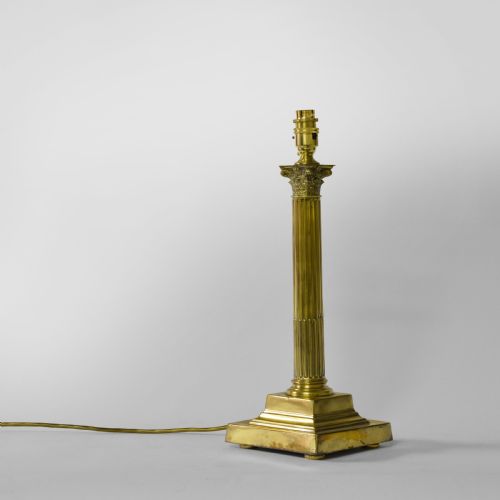


Fluted Brass Column Lamp
A fluted brass column lamp brings architectural dignity and warm illumination to a room, drawing on classical forms built to last.

Fluted Brass Column Lamp
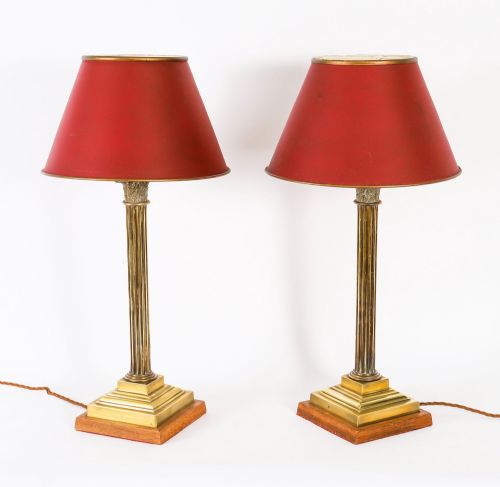
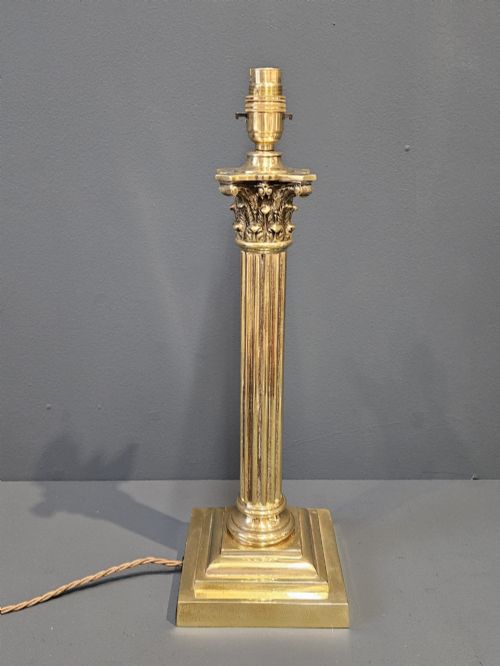
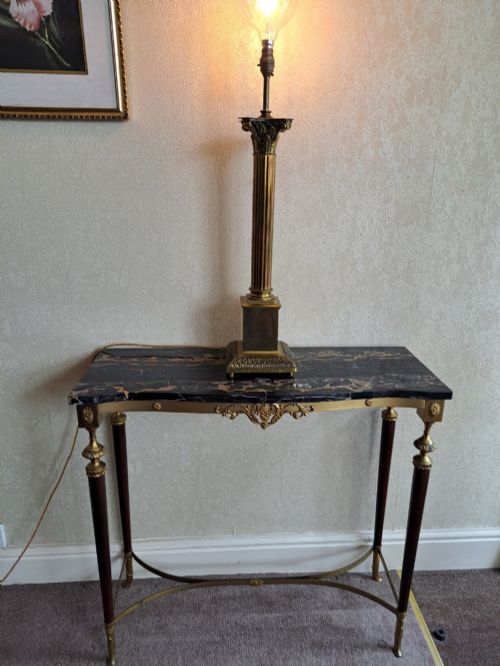
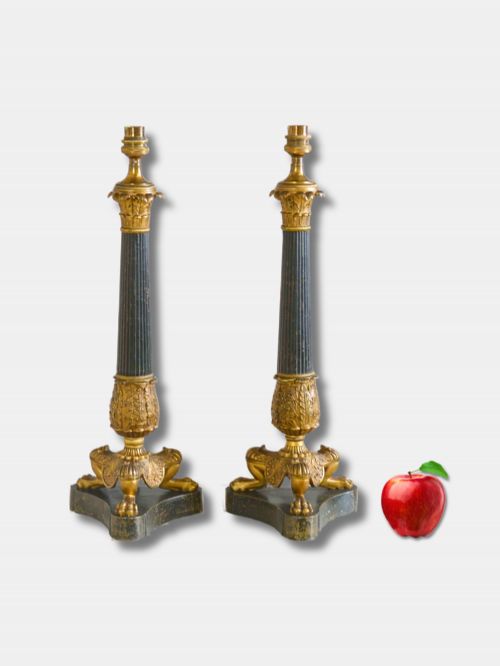
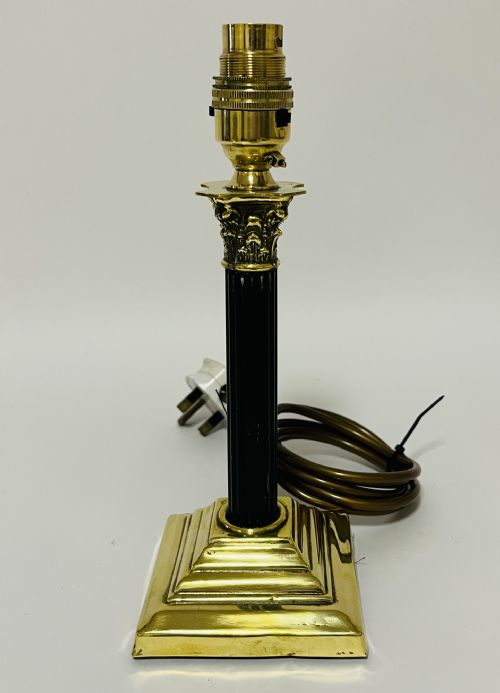
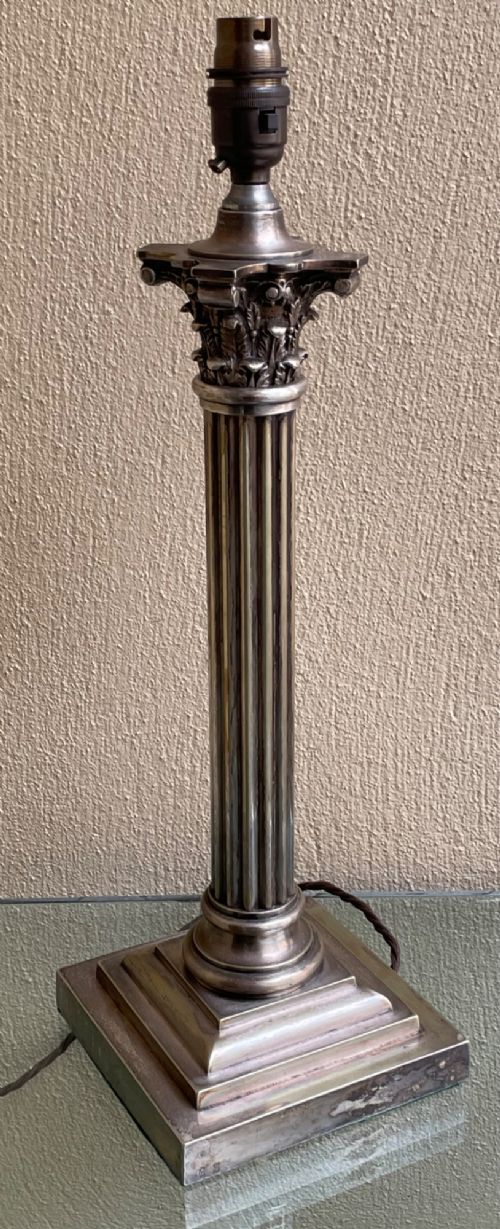
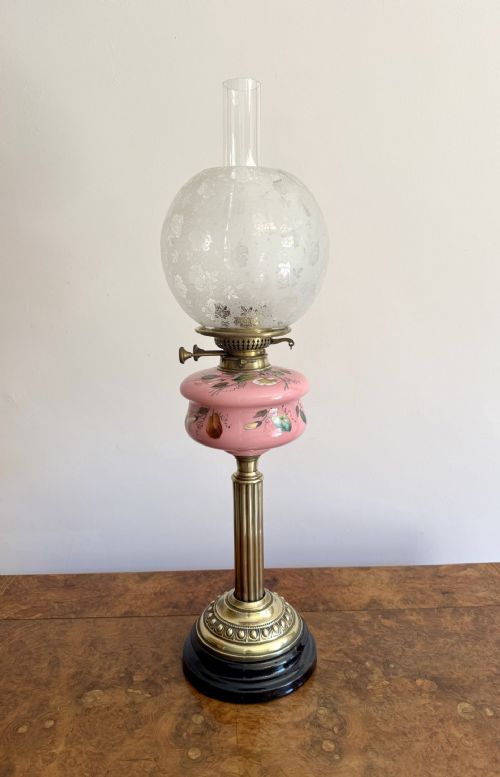
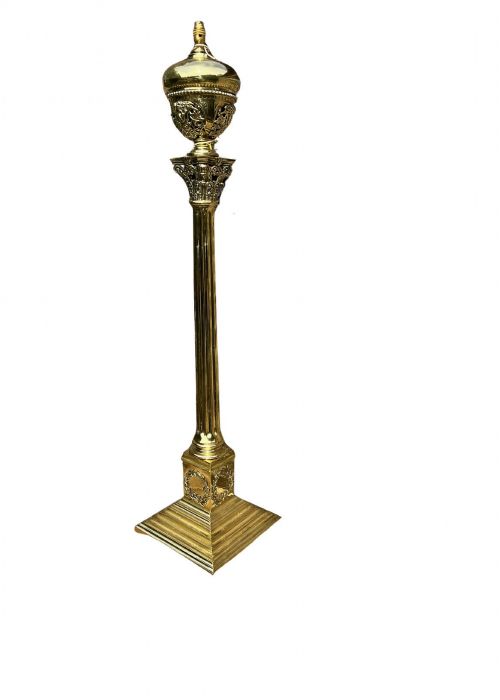
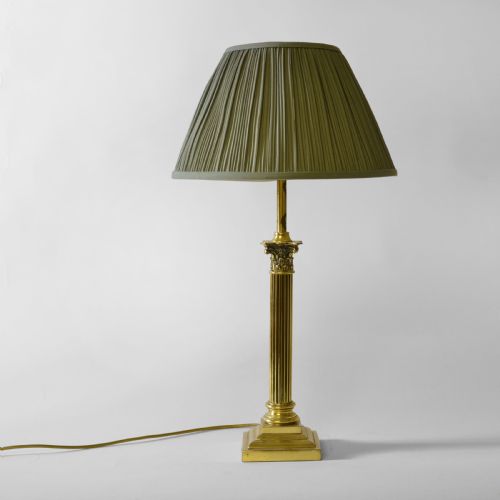
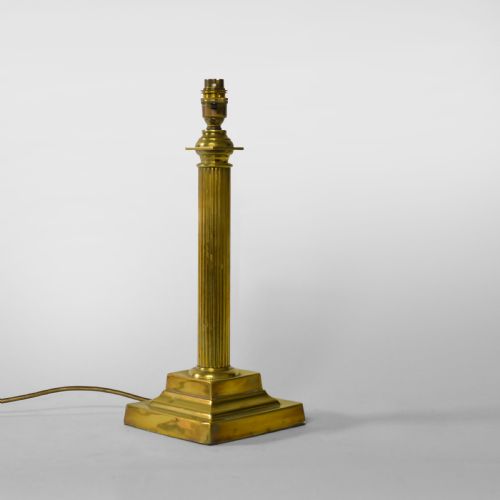
A fluted brass column lamp takes its cues from classical architecture, presenting shafts cut with vertical grooves that echo ancient Greek and Roman orders. You will encounter these lighting pieces primarily as table lamps or tall floor-standing standards spanning the Victorian and Edwardian periods.
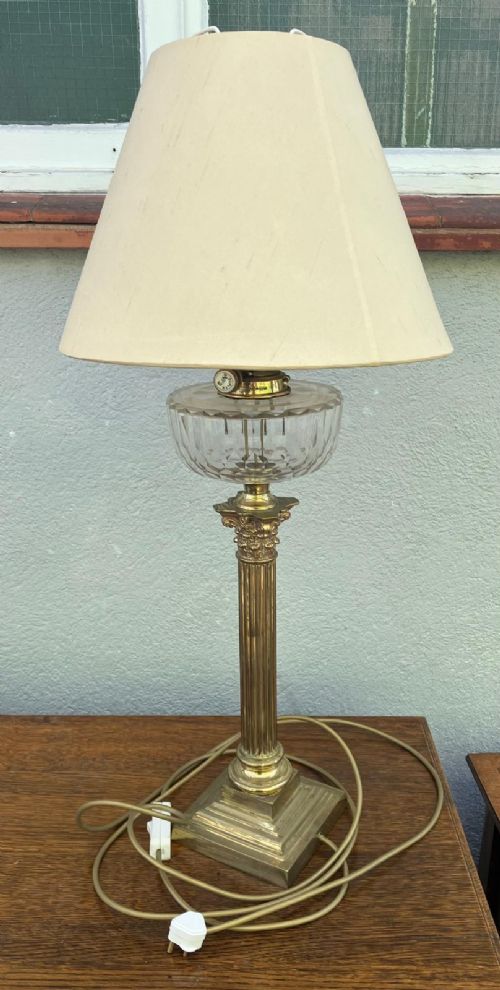
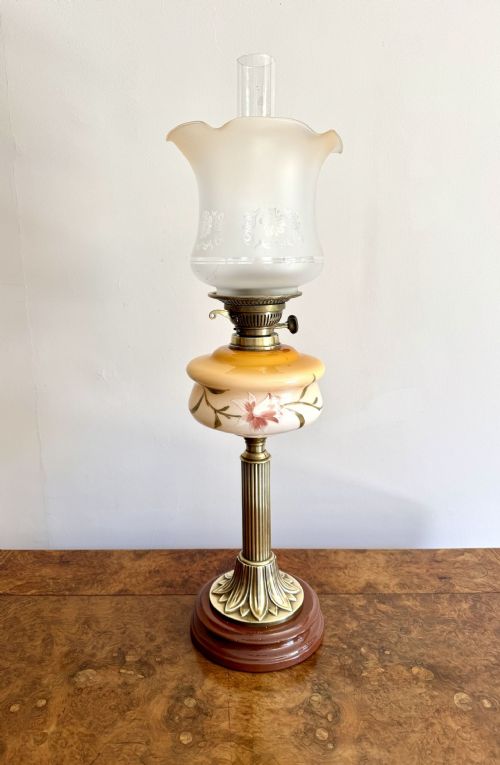
The architectural vocabulary is most visibly expressed through capitals modeled in the Corinthian or ionic style, sitting atop heavy metal columns. Many examples began life as oil lamps before undergoing conversion to electricity, retaining proportions designed for domestic parlours and drawing rooms.
Construction and Materials
Makers utilised solid brass, ormolu, and bronze for the structural shafts and weighted bases, occasionally incorporating cast iron or heavy metal internals to ensure stability for tall standards. Surface finishes range from polished brass to gilt bronze, while associated components frequently feature opaline glass, cut glass, or fabric shades.
The manufacturing process involved turning and casting metal components separately before assembling them around central weighted rods. Elaborate capitals required skilled chasing and foundry work to achieve crisp acanthus leaves and volutes characteristic of the revival styles.
Fluted Brass Column Lamp Retail Price Guide 2026
Typical asking prices for fluted brass column lamp among the pieces listed under this phrase on Sellingantiques today, from the lower quarter to the upper quarter. They describe what is for sale here now, not the wider market.
Listings feature brass, opaline glass, and cut glass materials across Victorian and Edwardian table lamps and floor standards.
Judging Quality and Execution
The distinction between ordinary production and superior work rests entirely on the crispness of the cast metal details and the overall gauge of the brass. Heavily cast capitals with sharply defined acanthus foliage indicate a finer workshop standard than softly rendered, mass-produced counterparts.
Scale and proportion govern the visual success of these pieces, particularly in taller floor standards and paired examples where balance is critical. Substantial weight in the base and thick-gauge metal tubing separate robust, enduring items from lighter domestic lighting.
JOSEPH HINKS·Hinks
The Fluted Brass Column Lamp Glossary
- Corinthian capital
- The ornate crown of a column decorated with carved acanthus leaves and small scrolls. This motif is frequently cast in brass at the top of nineteenth-century lamp shafts.
- Ormolu
- Finely chased and gilt bronze used for decorative mounts and lamp bases. The technique imparts a rich, golden surface finish.
- Standard lamp
- A tall floor-standing lighting fixture designed to illuminate a room from a standing position. These often feature telescopic height adjustment.
- Opaline glass
- A pale, translucent milk glass used widely for nineteenth-century lamp shades. It diffuses light softly across domestic interiors.
- Fluting
- Shallow vertical grooves carved or cast into the shaft of a column. This decorative technique adds a sense of vertical height and classical dignity.
Fluted Brass Column Lamp: Frequently Asked Questions
Were these always electric lamps?
Most antique examples began life as oil lamps burning paraffin or kerosene before later conversion to electricity. The original burners and reservoirs were adapted during the twentieth century to accommodate standard electrical flex and bulb holders.
This conversion process preserves the substantial metal columns while updating the functional mechanics for modern domestic use.
How do I date a brass column lamp?
Dating relies heavily on architectural styles, construction methods, and associated components like burners or glass shades. Victorian and Edwardian examples often display stamped registry marks or maker names on the wick turners and collars.
Heavier cast bases and specific revival motifs help narrow the period down from the mid-nineteenth century through to the early decades of the twentieth century.
Where should I place a standard lamp?
Tall floor standards suit corners of reception rooms or beside reading armchairs where they cast downward illumination. Their substantial vertical presence requires adequate floor space to let the classical proportions stand clear of surrounding furniture.
Because many feature telescopic adjustment, the height can be tailored to suit specific ceiling clearances and seating arrangements.
Are pairs difficult to find?
Matching pairs of table lamps or floor standards occur less frequently than single pieces due to the natural dispersal of furnishings over time. When surviving sets do appear, they usually originate from formal dining rooms or grand drawing rooms where symmetrical lighting was required.
Checking the cast bases and column heights helps confirm that paired items share identical manufacturing origins.