


Flower and Fruit Painting
Flower and fruit painting brings together centuries of botanical study and harvest scenes, offering rich still lifes and carved panels for your walls.
Flower and Fruit Painting
When you search for flower and fruit painting, you encounter a varied selection of canvas works, watercolours, and carved wooden panels spanning several centuries. The visual focus centres on natural abundance, capturing blooms and harvested crops arranged with careful composition.
You are most likely to meet 19th-century oil paintings on this page, alongside mid-20th-century watercolours and carved wooden wall reliefs. These pieces range from detailed realism to abstracted interpretations, reflecting shifting artistic approaches to traditional subjects.
How they were made
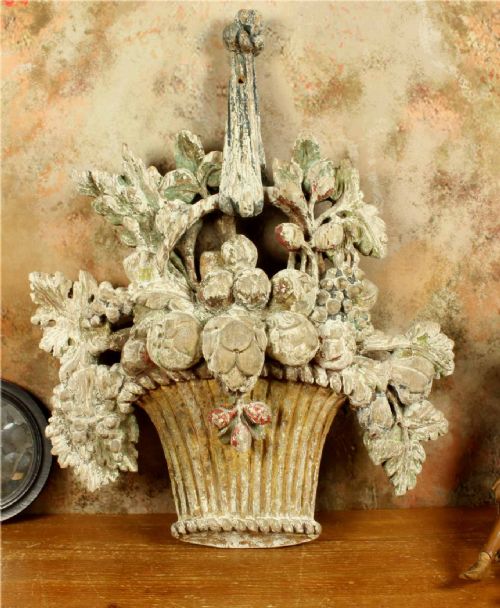
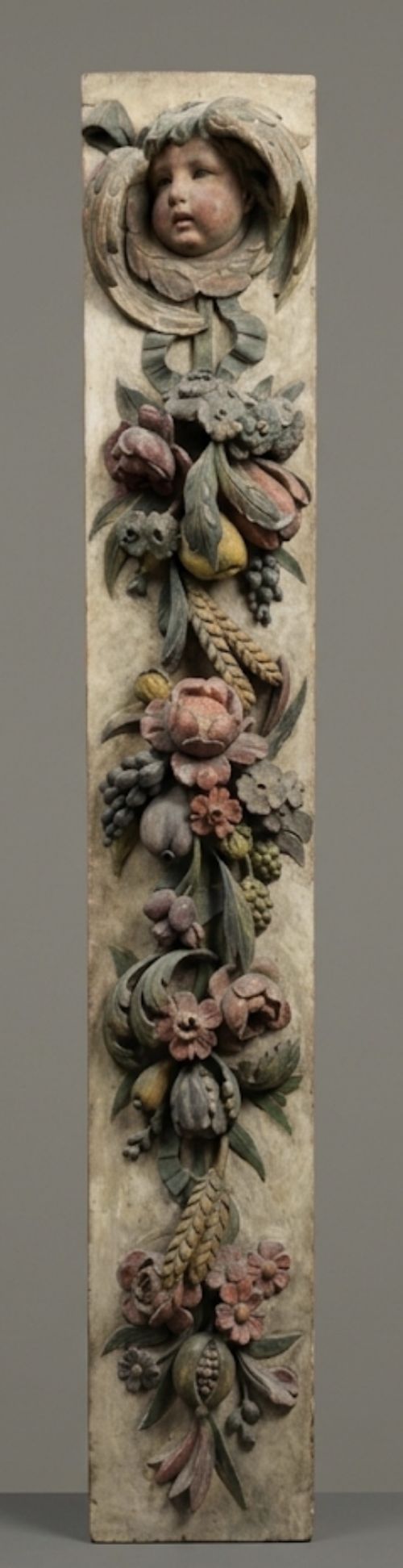
Artists painted oil on canvas or watercolour on paper, building layers of colour to render the textures of petals and skins. Carvers worked with wood, applying polychrome finishes or gold leaf to decorative wall reliefs.
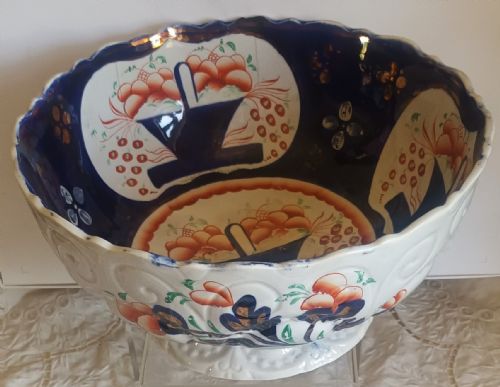
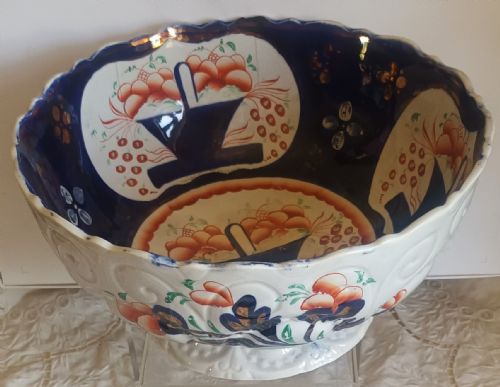
Potters and porcelain makers utilised earthenware and enamel, hand-painting botanical motifs onto vessels and centrepieces. These varied techniques ensured that each floral and fruit arrangement held its own distinct tactile quality.
Listings feature oil on canvas, watercolour, earthenware, and carved wood across several centuries.
What varies in quality
The standard of execution in brushwork or carving dictates the success of a piece, distinguishing confident compositions from stiff arrangements. Subtle handling of light and shadow gives depth to fruit and realism to foliage.
The choice of medium and the preservation of the surface material influence the overall impact. Original frames and well-maintained paint layers contribute to the integrity of the work.
James Tower·Edward Ladell·Maud Frances Eyston Sumner·Royal Worcester·Samson Porcelain·Oliver Clare
The Flower and Fruit Painting Glossary
- Still life
- A painting or drawing depicting inanimate subject matter, typically commonplace objects which may be either natural or man-made. In this context, it centres on arrangements of flora and harvest produce.
- Polychrome
- The practice of decorating architectural elements, sculpture, or pottery in a variety of colours. It adds vibrant realism to carved wooden panels and reliefs.
- Gilt bronze
- Metal objects cast in bronze and treated with gold leaf or a gold gilt finish. This material often frames or forms the decorative mounts on porcelain centrepieces.
- Earthenware
- Pottery fired at a relatively low temperature, remaining porous until glazed. It forms the base for hand-painted vessels and bowls featuring botanical patterns.
Flower and Fruit Painting: Frequently Asked Questions
What periods do these paintings span?
The pieces range from the 18th century through to the mid-20th century, encompassing various historical revivals and modernist shifts. You will find works from the 1800s, Victorian era, and later decades.
Each period brought distinct approaches to depicting natural subjects, moving from detailed realism towards bolder, abstracted forms.
How should I hang an oil painting?
Select a wall away from direct sunlight and sudden temperature changes to protect the canvas and pigments. Ensure your wall fixings match the weight of the framed piece.
Keep paintings clear of heat sources like radiators to prevent the wood stretcher and canvas from warping over time.
How do I care for carved wooden panels?
Dust wooden reliefs gently with a soft, dry cloth to prevent dirt accumulation in the carved recesses. Avoid using chemical polishes or damp cloths on polychrome surfaces.
Maintain stable indoor humidity levels to keep the carved wood from drying out or splitting.
Are porcelain centrepieces functional?
While these decorative pieces can hold fruit or floral displays, many serve primarily as ornamental centrepieces for a table or sideboard. Their hand-painted surfaces and gilt details benefit from careful handling.
Wash them gently by hand if necessary, avoiding abrasive scourers that might damage the enamel.
What distinguishes Victorian realism?
Victorian realist works focus on meticulous detail, capturing the exact textures of fruit skin, delicate petals, and glass surfaces. Painters like Edward Ladell and Oliver Clare worked in this tradition.
This style relies on careful observation of light falling across natural forms to create a convincing sense of depth.