


Florentine Candle Sconces
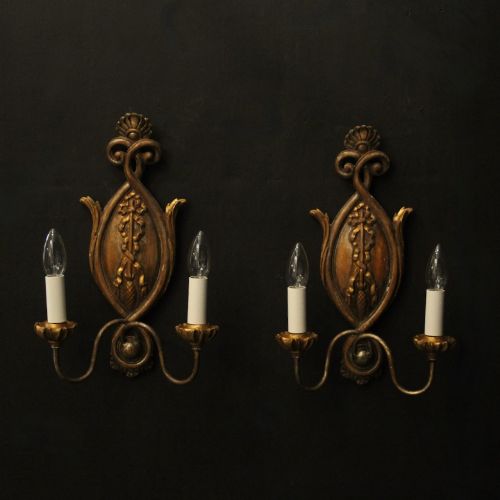
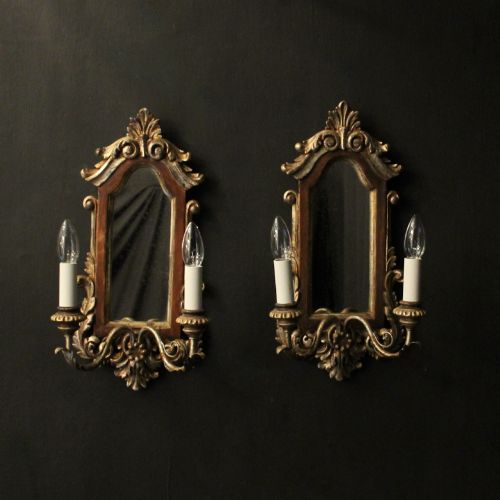
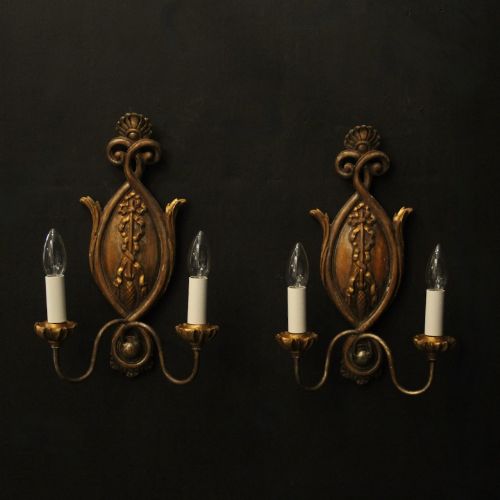
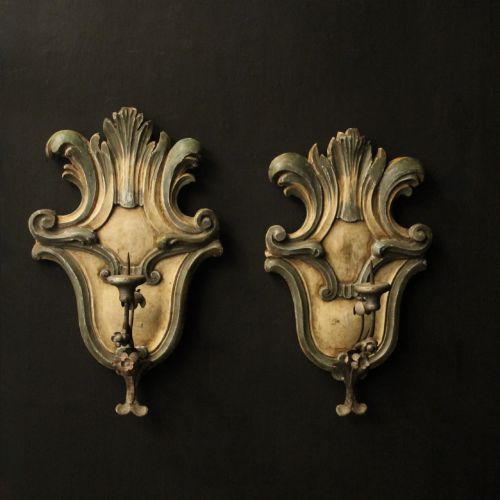
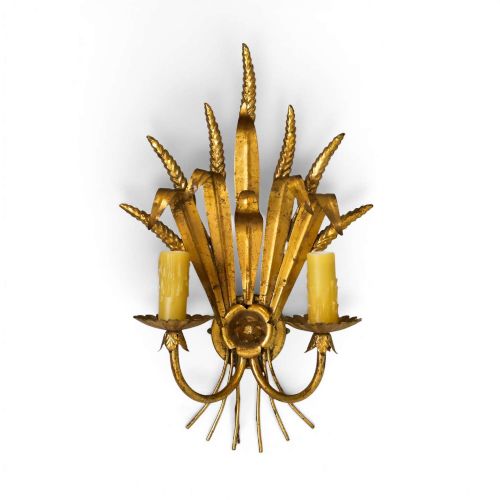
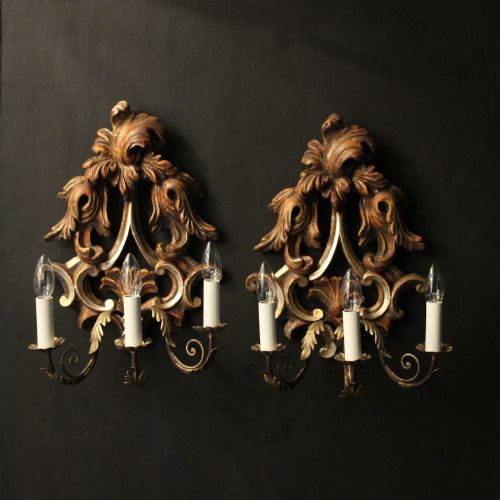
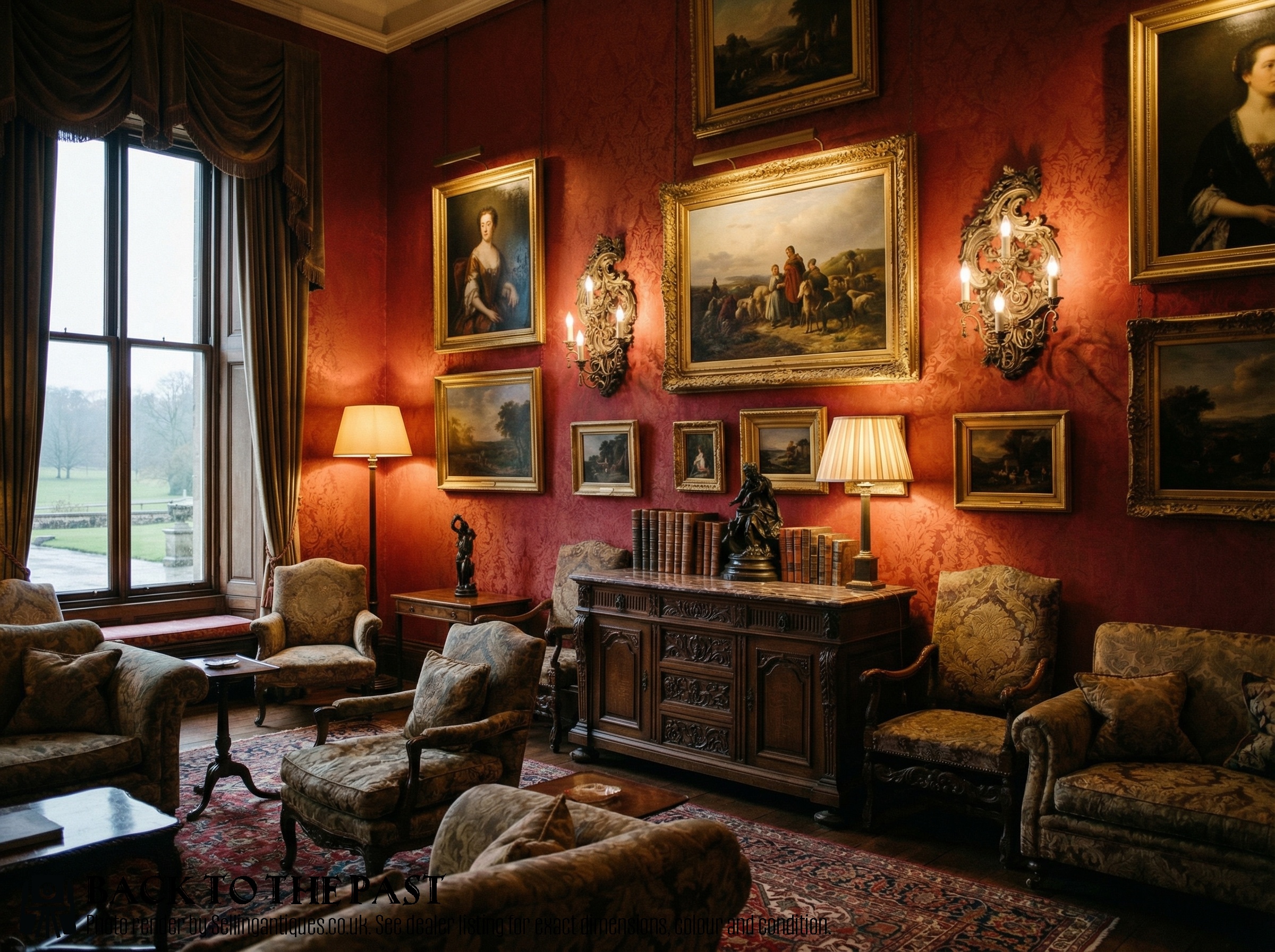
These florentine candle sconces bring dramatic Italian character to a room with their layered carved forms and gilded surfaces.
Florentine Candle Sconces
When you search for florentine candle sconces, you encounter decorative wall lighting that primarily originates from the early decades of the twentieth century, alongside nineteenth-century examples. These pieces typically take the form of pairs or sets of wall lights, girandoles, and pricket sconces designed to mount directly onto interior walls.
The dominant style on this page is Florentine, often drawing on Rococo and Baroque traditions through elaborate carved details, scrolling arms, and leaf motifs. You will most frequently meet giltwood and polychrome wooden versions that project multiple candle arms into the space.
Makers and workshops from these periods favoured symmetrical twin, triple, and four-arm configurations, frequently enhanced with beaded decoration. While the majority of listings adhere to traditional Italian woodcarving and gilding, occasional mid-century metal interpretations also appear.
Materials and Construction Techniques
Makers constructed these wall lights using carved wood, gesso, and base metals, applying gold leaf or silver leaf to finish the surfaces. Giltwood and gesso combinations allowed artisans to build up high-relief scrolls and intricate leaf patterns before applying metallic leaf by hand.
Polychrome versions combine painted pigments with gilding, introducing coloured details to the wooden bodies. Metal variants utilise shaped iron or gilt metal frameworks, sometimes adapted for electric illumination while retaining traditional candle configurations.
The inventory records configurations ranging from single lights up to four-arm girandoles created in Italian workshops.
Assessing Craftsmanship and Finish
The distinction between standard and exceptional pieces rests in the depth and crispness of the woodcarving and the application of the gold or silver leaf. Finer examples display hand-carved relief work where leaves, scrolls, and beaded elements retain sharp definition beneath the gilding.
Surface preparation also dictates overall quality, as skilled artisans laid gesso over wood carefully to ensure smooth contours before leafing. Polychrome finishes vary from simple painted highlights to intricate layered pigments that complement the underlying carved forms.
The Florentine Candle Sconces Glossary
- Giltwood
- Wood that has been coated with gold leaf or a gold-coloured finish. This material forms the primary visual base for traditional Florentine wall lights.
- Gesso
- A plaster-like mixture applied to wood surfaces as a base for gilding and fine carving. It allows artisans to shape intricate relief details before applying gold leaf.
- Girandole
- A decorative wall bracket bearing candle branches, typically featuring a mirrored backplate or elaborate carved frame. They amplify candlelight within a room.
- Pricket
- A type of candlestick featuring a sharp central spike that holds the candle in place. These appear on earlier Italian examples.
- Polychrome
- Decorated in several colours. This technique introduces painted pigments alongside gilt surfaces to highlight carved wooden details.
Florentine Candle Sconces: Frequently Asked Questions
How do I hang heavy giltwood sconces safely?
These wooden fixtures require secure anchorage into wall studs or suitable masonry fixings due to the combined weight of carved wood and gesso.
Position the sconces at eye level or slightly above to balance the room and ensure the mounting brackets support the total projection of the arms.
What periods do these wall lights represent?
The pieces span from the nineteenth century through the early decades of the twentieth century, with a strong concentration from nineteen-twenty and nineteen-thirty.
Mid-century examples also appear, reflecting later interpretations of traditional Italian lighting designs.
How should I clean gilded wooden sconces?
Maintain the giltwood and silver leaf surfaces by dusting gently with a soft, dry brush to prevent accumulation in carved crevices.
Avoid liquid cleaners, abrasives, or moisture, which can damage delicate gesso and metallic leaf layers over time.