
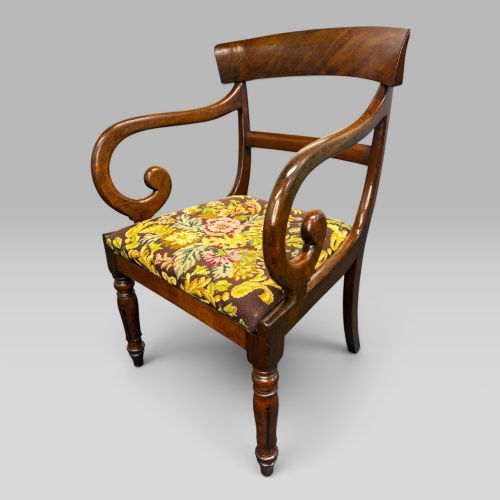
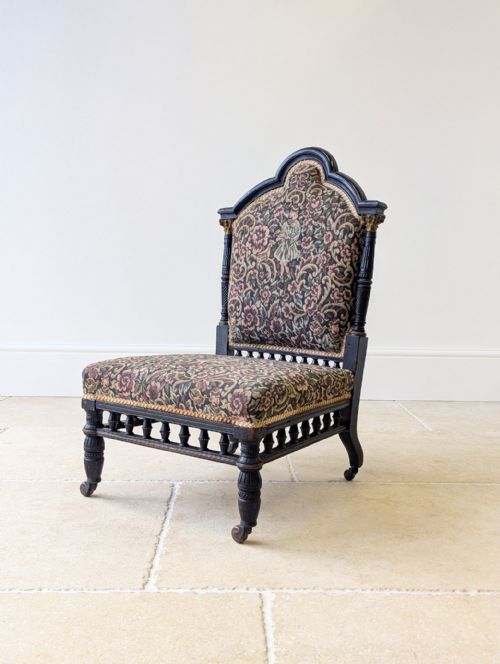
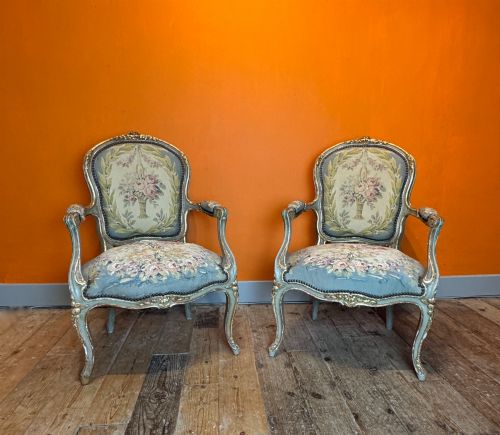
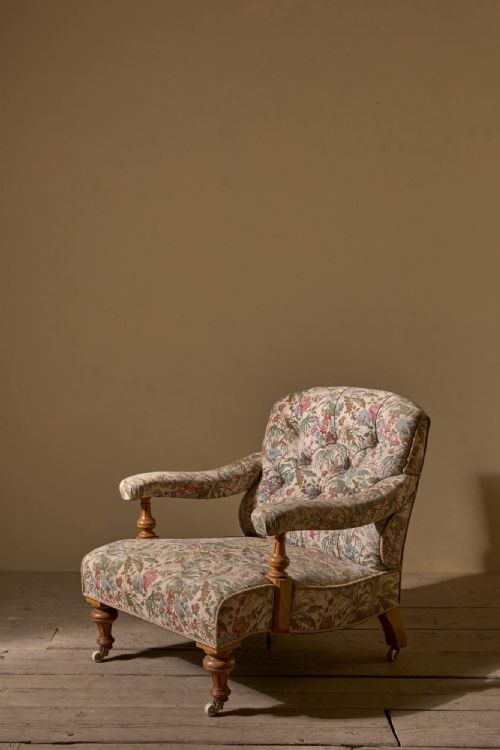
Floral Tapestry Seat
A floral tapestry seat brings pattern and texture to a room, drawing on nineteenth-century forms and traditional textile coverings.
Floral Tapestry Seat
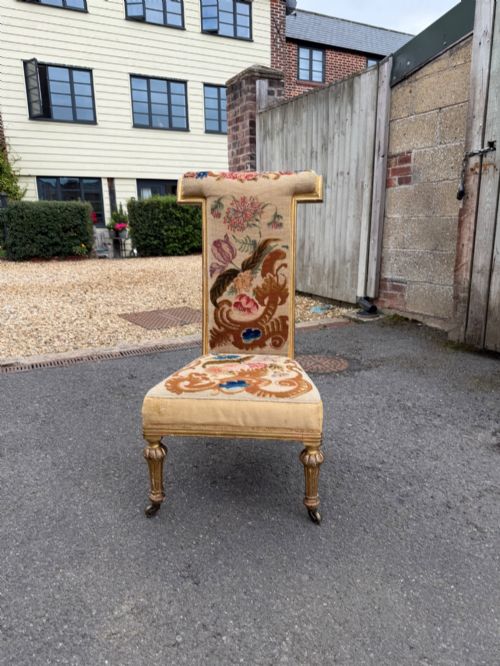
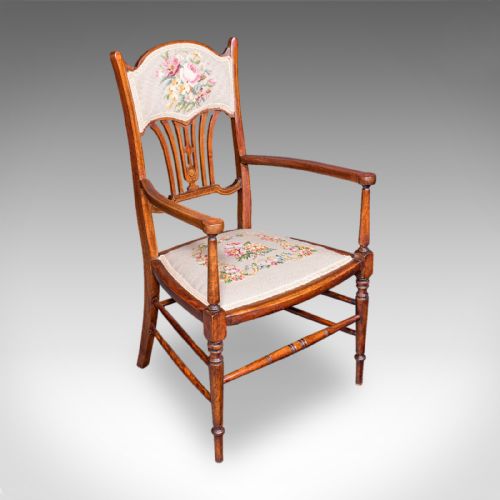
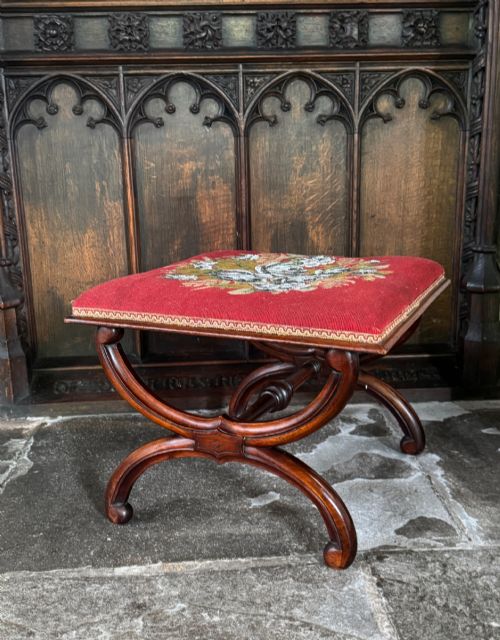
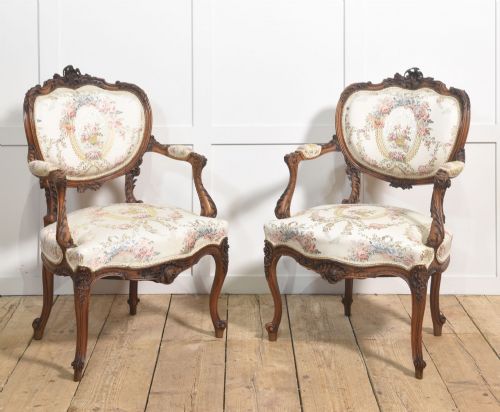
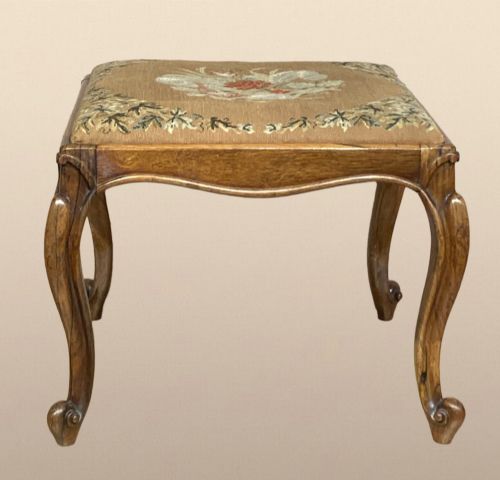
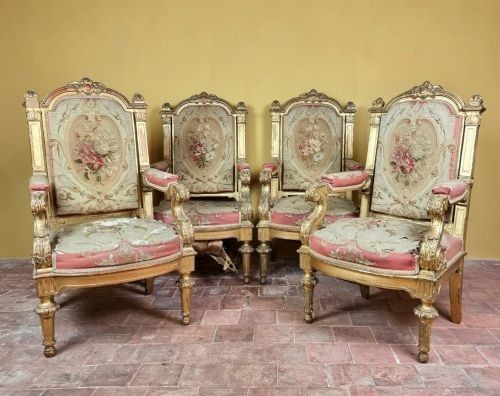
A floral tapestry seat is a piece of furniture designed with a textile upholstery featuring floral motifs. These pieces span centuries of design, with nineteenth-century and Victorian examples appearing frequently alongside earlier styles.
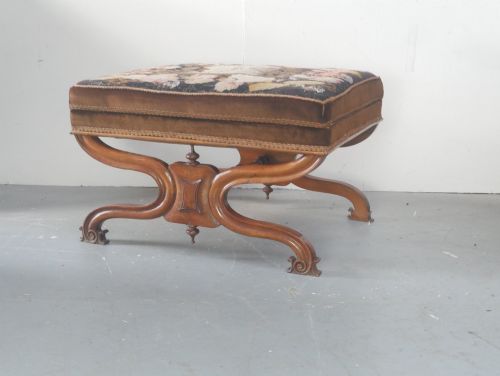
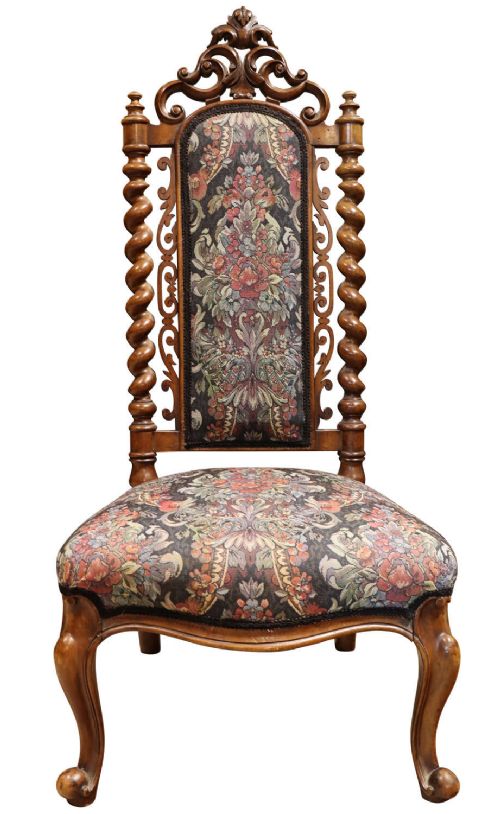
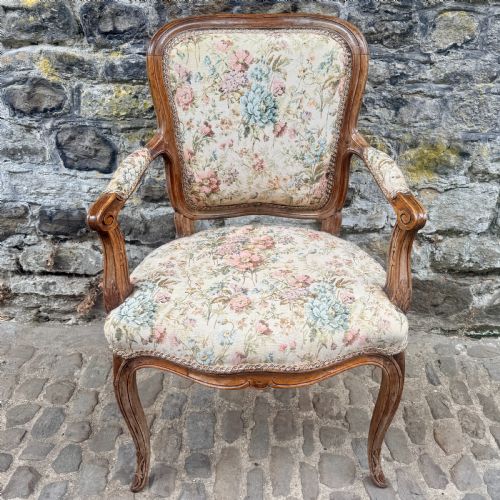
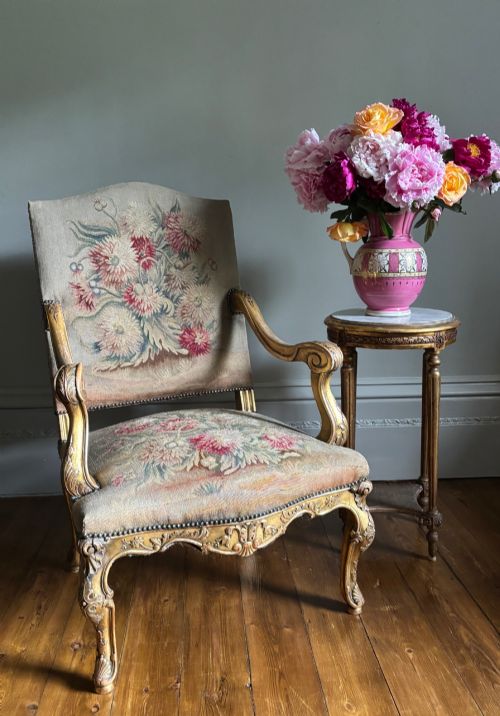
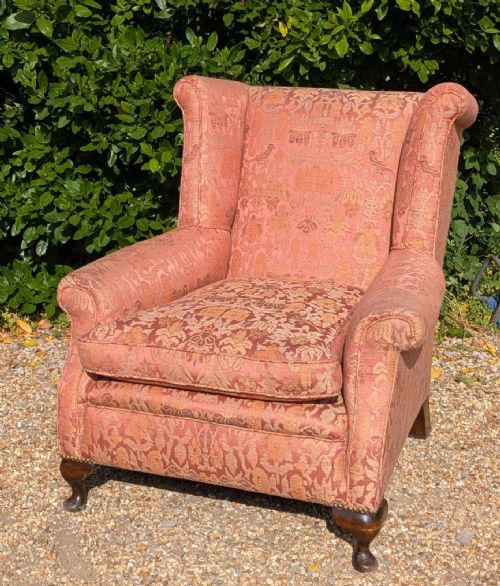
The category encompasses various forms of seating, from armchairs and nursing chairs to low salon chairs and dressing stools. Buyers encounter everything from English walnut side chairs to French painted open armchairs.
Makers utilised different woods including mahogany, rosewood, walnut, and beech to build the frames. Textile panels range from wool needlework and beadwork to woven tapestry fabric.
Materials and construction methods
Frames rely on solid hardwoods like mahogany, walnut, and rosewood, shaped with carved detailing or parcel gilt finishes. Joinery follows traditional methods appropriate to the period, such as Victorian or Regency cabinet making.
Upholstery combines textile panels, often needlepoint or tapestry fabric, with traditional stuffing and spring systems. Brass elements and giltwood accents appear on specific French and English decorative pieces.
Listings feature walnut, mahogany, rosewood, and beech frames upholstered in wool, needlepoint, and tapestry fabric.
Judging quality in tapestry seating
Quality rests upon the crispness of the timber carving and the integrity of the frame construction. Pieces with firm joinery and well-executed stylistic details like cabriole legs or giltwood surfaces stand apart from simpler iterations.
The needlework or tapestry itself dictates much of the visual appeal. Finely worked wool panels with dense stitching and harmonious floral colour palettes elevate the standing of the furniture.
Howard and Sons·R Whytock of Edinburgh·Holland and Sons
The Floral Tapestry Seat Glossary
- Tapestry
- A thick textile with woven or needleworked designs, frequently depicting floral patterns on antique seats.
- Prie Dieu
- A low devotional chair designed for kneeling and prayer, often featuring needlepoint upholstery.
- Cabriole leg
- A furniture leg that curves outward and then tapers inward, common on eighteenth and nineteenth-century seating.
- Ottoman
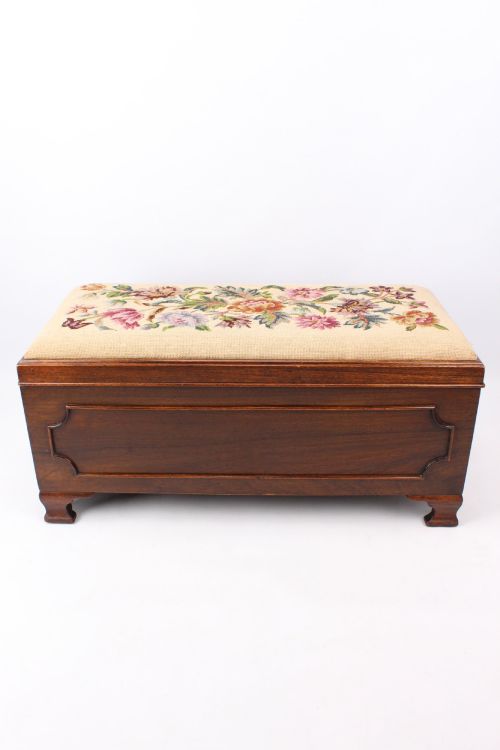
- A padded seat or footstool without a back or arms, sometimes fitted with a needlework top.
Floral Tapestry Seat: Frequently Asked Questions
What periods do these seats come from?
The selections span multiple eras, including eighteenth-century pieces, Regency designs, and numerous nineteenth-century Victorian examples.
Victorian and Edwardian pieces appear alongside earlier Georgian forms, reflecting shifting stylistic preferences over time.
How were floral tapestry seats used historically?
These pieces served functional roles in parlours, bedrooms, and drawing rooms as dining chairs, dressing stools, and low salon seating.
Many functioned as decorative accents for morning rooms and reception spaces, combining comfort with visual display.
What woods are typical for the frames?
Cabinet makers utilised dense hardwoods such as mahogany, walnut, and rosewood for durable and decorative framing.
Beech and oak also appear, sometimes painted, ebonised, or finished with parcel gilt highlights.
How do needlework and tapestry differ?
Needlework involves hand-stitched yarn applied to an open-weave canvas, creating textured floral designs.
Tapestry typically refers to woven fabric panels produced on a loom, though the terms often overlap in historic listings.