




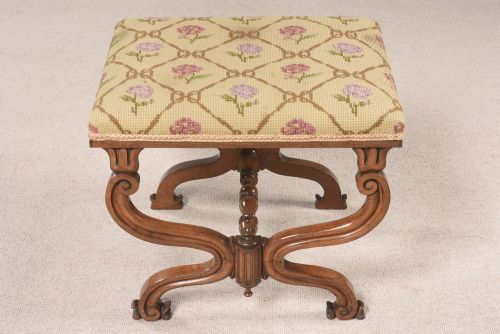
Vintage Needlework Ottoman
These vintage needlework ottoman pieces combine sturdy wooden frames with intricate stitched upholstery to anchor a room.
Vintage Needlework Ottoman
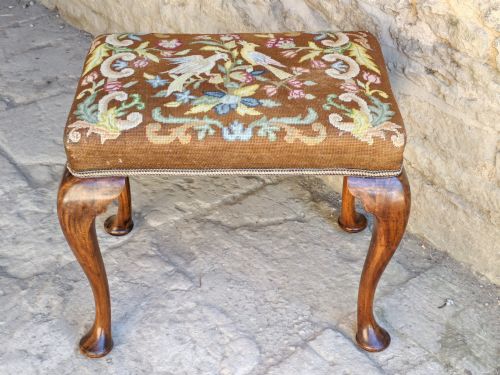
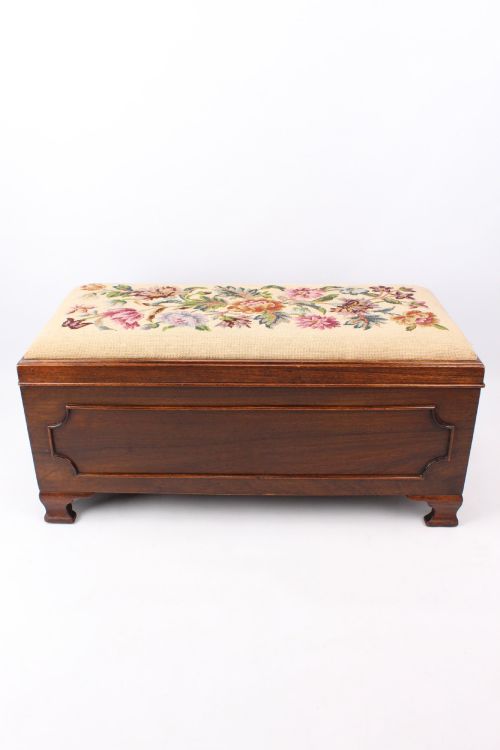
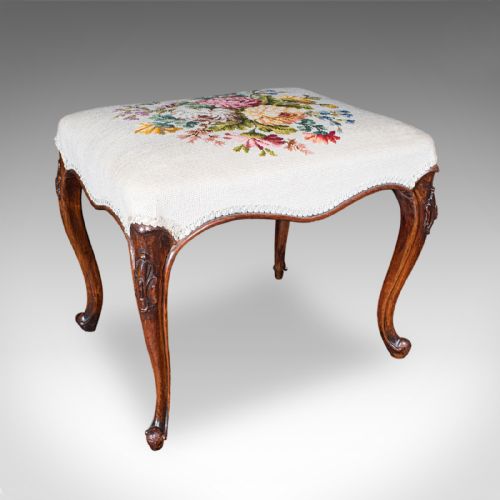
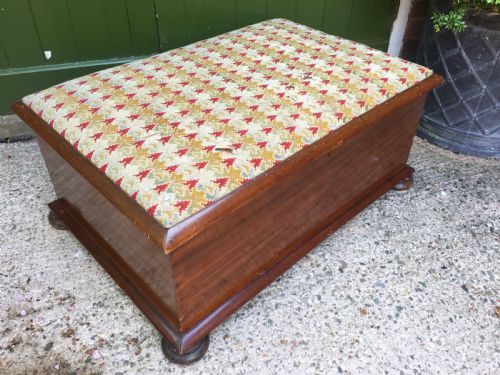
A vintage needlework ottoman brings together decorative textile work and a functional wooden base designed for resting feet or sitting. You will encounter various forms here, ranging from compact footstools to larger upholstered seats.
The selections span distinct periods including the Victorian era, the nineteenth century, and the nineteen twenties. Each piece demonstrates how historical seating adapted needlepoint, tapestry, and embroidery for domestic comfort.
How they were made
Cabinetmakers shaped the structural supports using traditional timbers such as walnut, mahogany, and rosewood. These woods provided the necessary strength for frames that often featured carved details or turned legs.
Artisans applied textile techniques including gros-point and needlepoint using wool and silk threads. This stitched work was then stretched securely over padded seats supported by brass accents or wooden structures.
Vintage Needlework Ottoman Retail Price Guide 2026
Typical asking prices for vintage needlework ottoman among the pieces listed under this phrase on Sellingantiques today, from the lower quarter to the upper quarter. They describe what is for sale here now, not the wider market.
What varies in quality
The refinement of the wooden frame's joinery and carving distinguishes finer examples from simpler workshops. Timber selection also plays a role, with dense hardwoods providing enduring structural integrity.
The intricacy and preservation of the needlework surface dictate overall merit. Dense stitch work using quality wool or silk threads maintains visual clarity over generations of use.
The Vintage Needlework Ottoman Glossary
- Gros-point
- A type of needlepoint embroidery worked on coarse canvas using heavy wool threads. This technique creates a durable, textured surface frequently found on historical upholstery.
- Needlepoint
- Embroidery stitched onto a stiff open-weave canvas foundation that completely covers the backing material. It allows for complex pictorial or geometric patterns.
- Ottoman
- A low, upholstered seat or footstool without a back or arms. Versions span multiple revival styles and domestic uses.
- Tapestry
- A form of textile art woven on a loom or stitched by hand to form pictorial designs. Historical examples often depict floral or classical motifs.
Vintage Needlework Ottoman: Frequently Asked Questions
What is a vintage needlework ottoman?
A vintage needlework ottoman is a low seat or footstool featuring a textile-covered top created through hand stitching. These pieces combine a wooden structural base with decorative needlepoint or tapestry upholstery.
They serve as functional furniture items that introduce traditional textile art into modern living spaces. The design prioritises both comfort and decorative appeal.
How do I clean the needlework?
Cleaning needlework upholstery requires gentle surface care to protect delicate wool and silk fibres. Light brushing or careful vacuuming through a mesh screen removes dust without disturbing the stitches.
Avoid using harsh chemical cleaners or excessive moisture on historical textiles. Professional textile conservationists should handle deeper cleaning requirements.
Where should I place an ottoman?
These pieces fit naturally beside firesides, armchairs, or sofas where they can function as footrests or casual seats. Their compact proportions allow them to sit comfortably in studies, living rooms, or bedrooms.
Positioning them away from direct sunlight protects the natural dyes in the wool and silk threads from fading over time.
How do I date the wood?
Dating the wooden frame involves examining the timber species, joinery methods, and stylistic turning patterns. Victorian and earlier pieces utilise woods like mahogany and walnut shaped by period woodworking techniques.
Comparing the construction details against documented furniture styles helps narrow down the manufacturing period of the base.