
Floral Still Life Oil
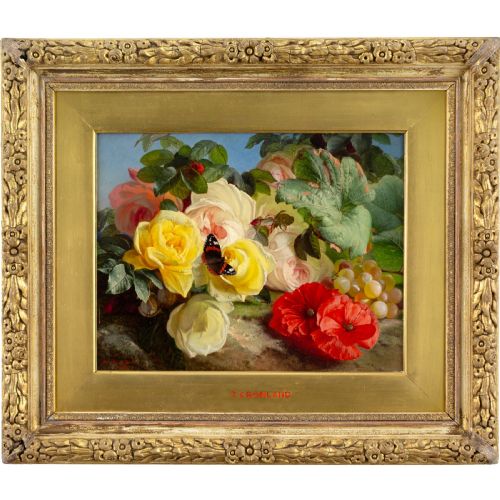
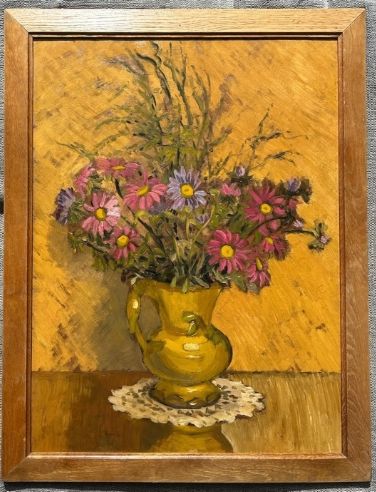
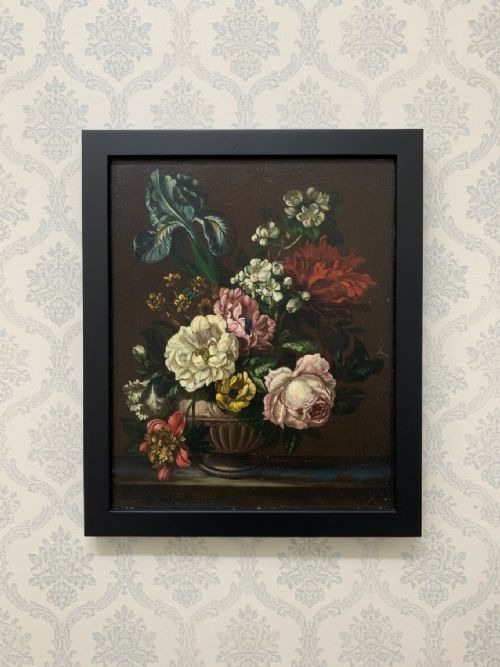
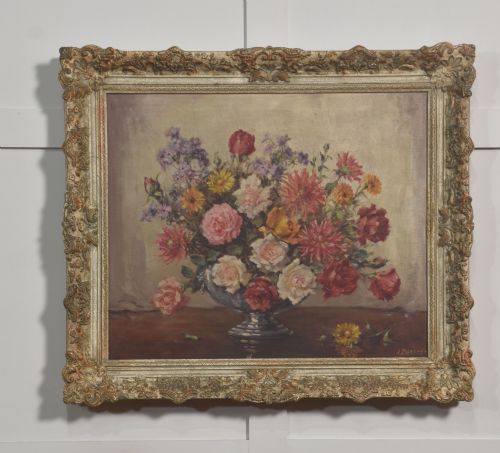
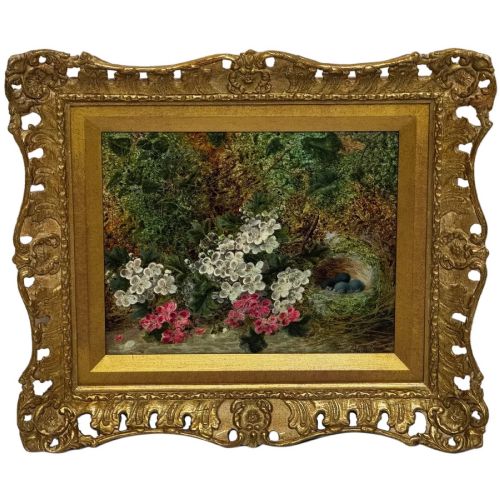
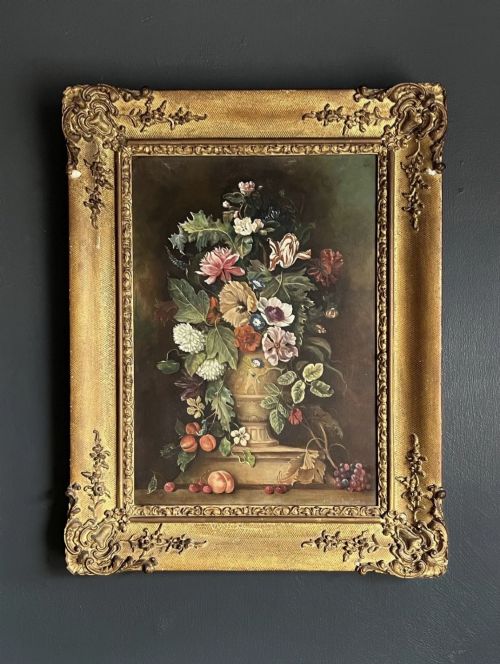
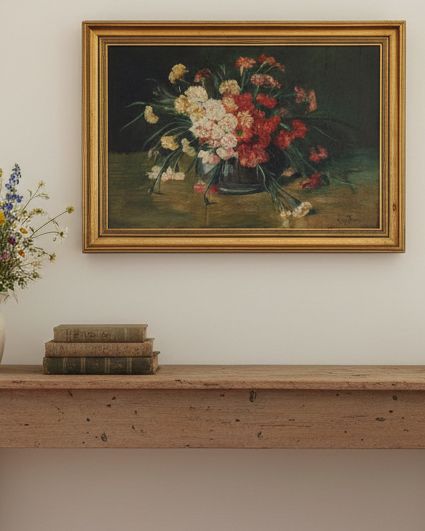
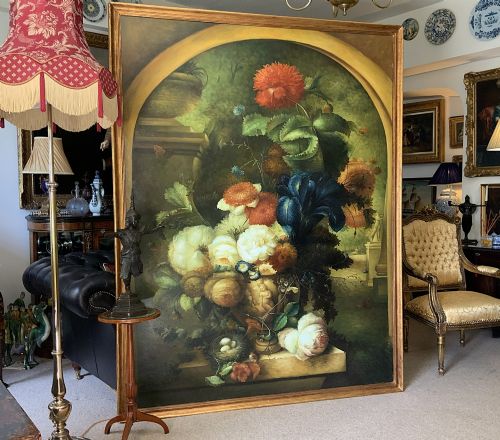
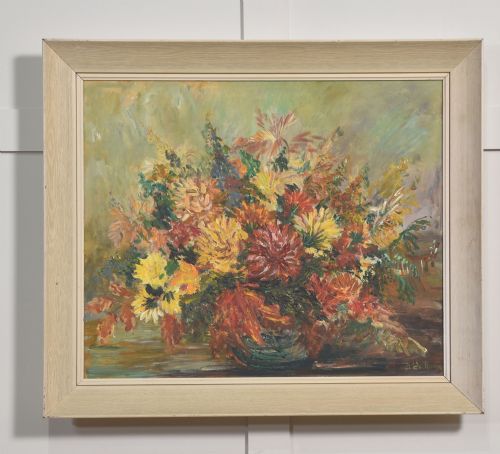
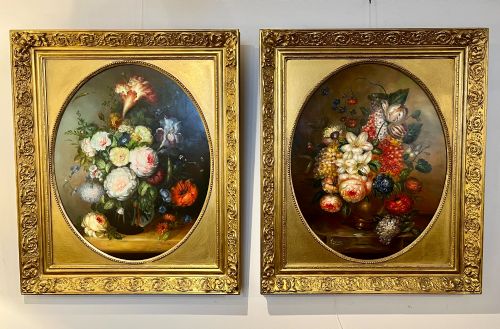
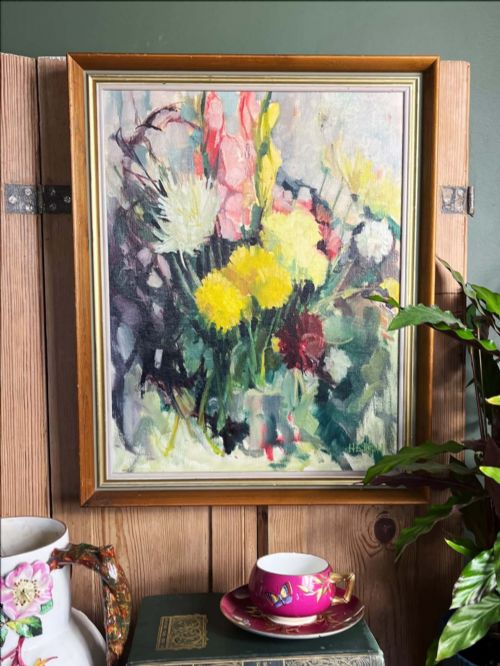
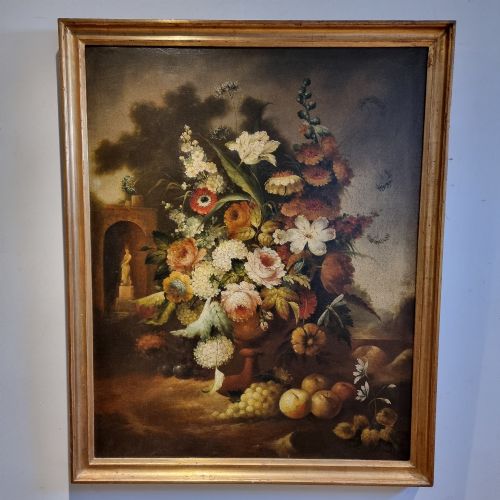
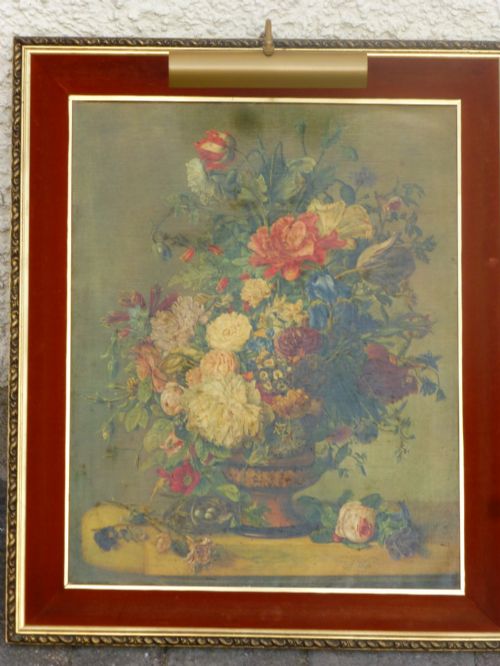
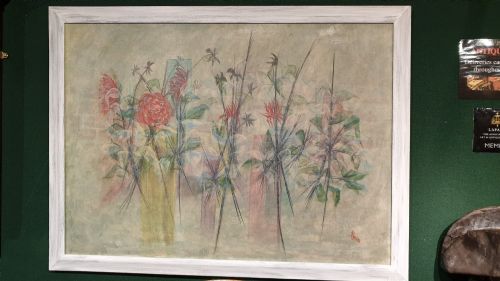
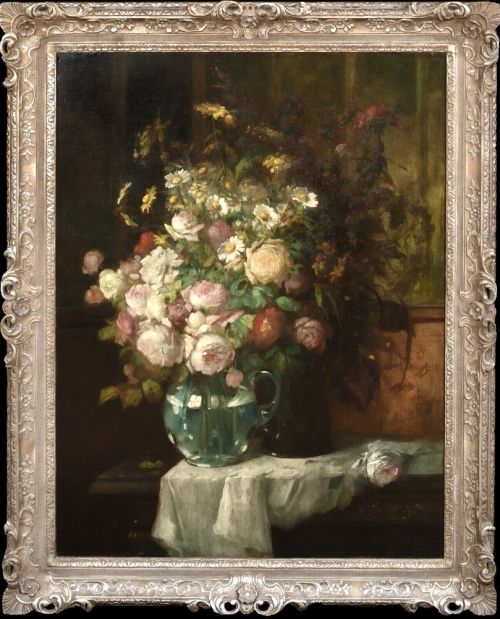
These floral still life oil paintings capture centuries of botanical studies, ranging from seventeenth-century Dutch compositions to mid-century impressionist canvases.
Floral Still Life Oil
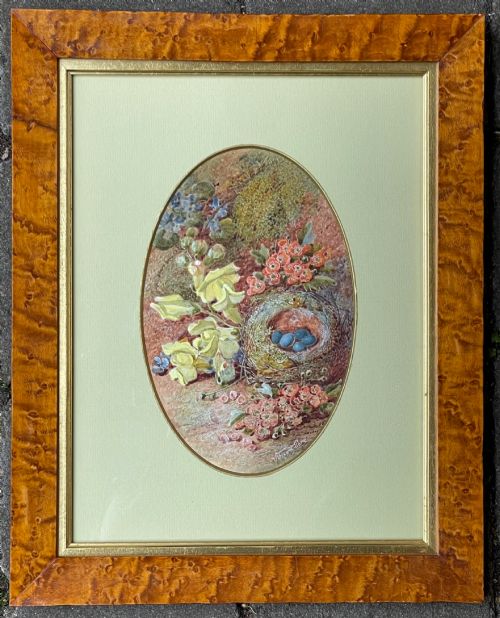
A floral still life oil search reveals centuries of painted flower arrangements across various international schools. Buyers encounter seventeenth-century Dutch interpretations, Victorian botanical studies, and vibrant mid-century impressionist canvases.
The selections span standard framed works on canvas and panel, alongside monumental decorative pieces. Many works depict seasonal blooms arranged in vases, baskets, and ceramic jugs.
Origins stretch from British and French studios to Austrian and Flemish workshops. Works appear from the seventeenth century through to the post-war decades.
How They Were Made
Artists painted primarily with oil paint on stretched canvas, wood panels, metal panels, and card supports. Many works are housed in decorative gilt gesso or giltwood frames.
Techniques range from precise academic realism to expressive impasto and post-impressionist brushwork. Grounds include prepared canvas and panel surfaces sealed with traditional primers.
Artistic styles range from Dutch Golden Age and Victorian realism to British Impressionism, Post-Impressionism, and Mid-Century Modernism.
What Varies In Quality
Quality rests upon the confidence of brushwork and the structural integrity of the painted surface. Masterful handling of light gives petals luminous depth, whereas weaker examples appear flat and formulaic.
The harmony of composition and the original matching of canvas to period frame elevate certain pieces. Condition of the paint layer and stability of the underlying wood or canvas also define distinction.
Theude Grönland·Kenneth Cozens·Oliver Clare·Konstantin Stoitzner·Edward Ladell·Emma Fordyce MacRae·Gaspar Peeter Verbruggen·Edwin Steele·Manuela Bonati·William Thomas Wood·Victor Simonin·Owen Bowen·Gertrude Hayes·Simon Pietersz Verelst·Winifred Turner·Pierre-Laurent Baeschlin·Albert E Jackson·Louise Perman·Nicolas Issaiev·Isabelle Cohen·Jan van Kessel the Elder·H C Mellor·Tamara Baussan·Maurice Decamps·W E Littlewood
The Floral Still Life Oil Glossary
- Oil Paint
- A slow-drying paint made by mixing pigments with oils such as linseed. This medium allows artists to blend subtle tones and build rich textures.
- Gesso
- A plaster-like mixture used as a base for painting or applied to wooden frames before gilding. It provides a smooth surface for ornamentation.
- Impasto
- Paint applied thickly to a canvas so that the strokes stand out from the surface. This technique adds tactile dimension to floral petals and leaves.
- Panel
- A flat piece of wood or metal used as a rigid support for paintings. Panels were frequently utilised before canvas became the standard support.
- Impressionism
- An art movement characterised by relatively small, thin yet visible brush strokes. It focuses on accurate depiction of light and its shifting qualities.
Floral Still Life Oil: Frequently Asked Questions
How do I date a floral still life oil painting?
Dating relies on stylistic clues, framing techniques, and the material of the support. Eighteenth-century works often favour dark backgrounds and meticulous botanical detail, whereas mid-century pieces display looser brushwork.
Examining the reverse of the canvas or panel frequently reveals historical labels, artist signatures, or stamps that confirm the era of creation.
Where should I hang a floral still life oil painting?
These works suit dining rooms, drawing rooms, and studies where traditional or eclectic art is displayed. Avoid hanging oil paintings in direct sunlight or areas prone to high moisture.
Pair smaller panel paintings with antique furniture or group them on a wall alongside varied botanical studies for a classic salon arrangement.
What is a Dutch Golden Age style still life?
This style mimics the elaborate floral arrangements of seventeenth-century Netherlands, featuring rich blooms such as roses and tulips arranged against dark backgrounds. They often incorporate insects or birds.
Later artists frequently revisited this aesthetic to capture the theatrical lighting and botanical precision associated with historical Dutch masters.
Are these paintings supplied with frames?
Many listings include period frames, such as gilt gesso or carved giltwood surrounds, which complement the age of the artwork. The pairing of painting and frame is often original to the piece.
Inspect the listing details to confirm whether the artwork is sold housed in its historic frame or unmounted.