


Floral Porcelain Dessert Plates
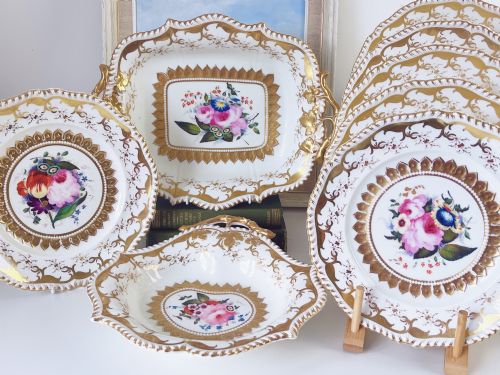
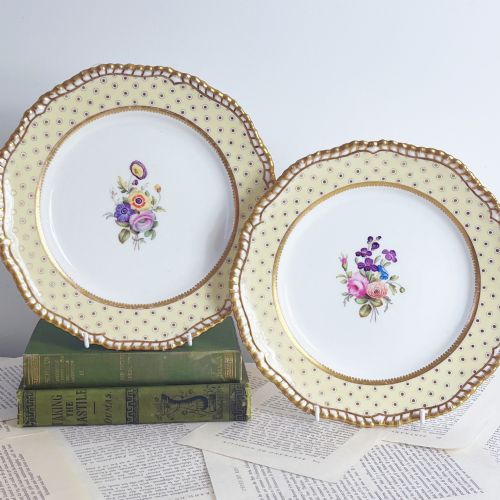
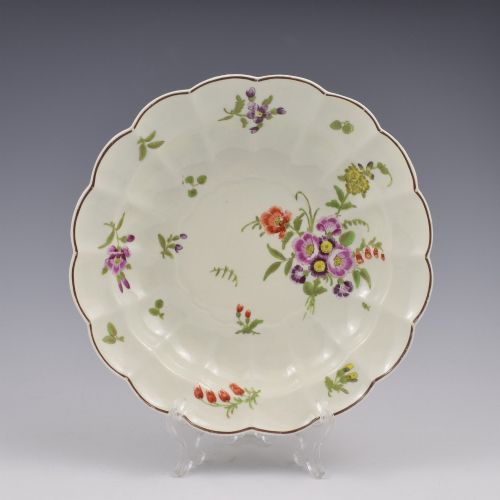
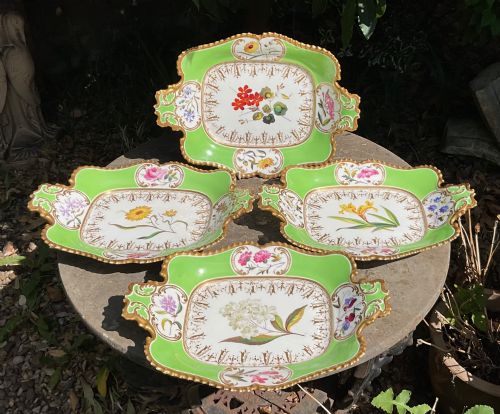
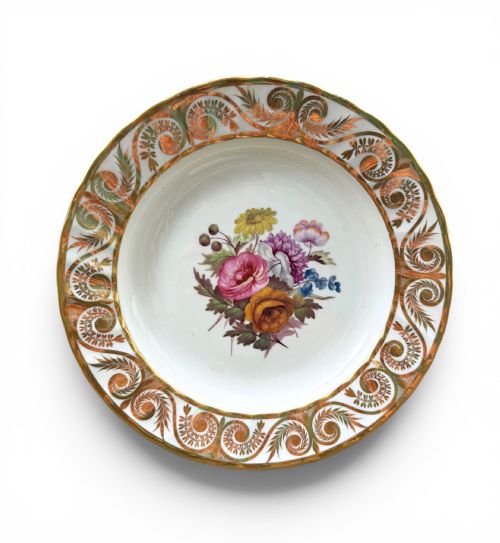
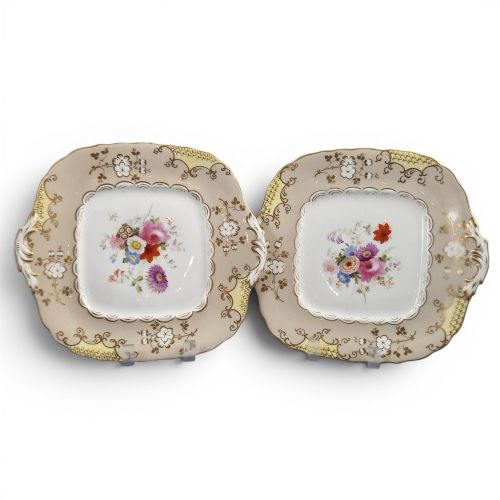
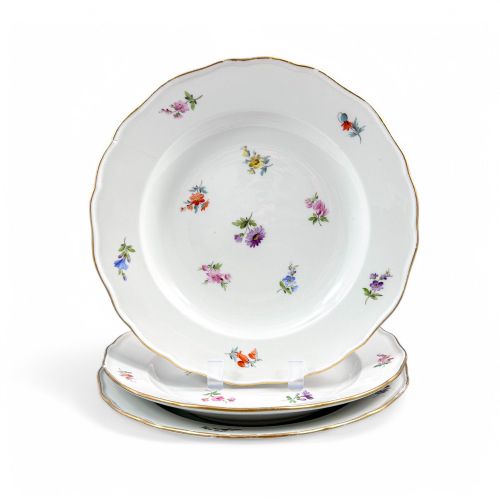
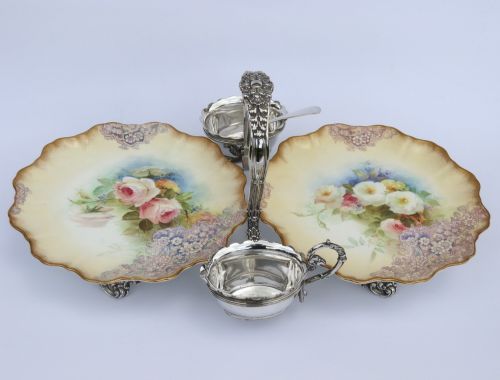
These floral porcelain dessert plates bring hand-painted botanicals and gilded borders straight to the table from periods spanning the eighteenth century to the twentieth.
Floral Porcelain Dessert Plates
When you search for floral porcelain dessert plates, you encounter serving dishes and plates created for the final course of grand meals. These pieces originate from historic English and continental factories, appearing across Georgian, Regency, and Victorian eras.
How they were made
Potters shaped ceramic paste, bone china, or soft paste porcelain into lobed, basketweave, or shaped plates before firing. Artisans then applied enamel colours by hand alongside gold leaf and gilding to accentuate the botanical motifs.
Kiln techniques varied between factories such as Worcester, Derby, and Minton, producing distinct bodies like Felspar porcelain or stone china. Surface decoration relied on skilled painters executing floral studies directly onto the glazed ceramic.
Listings feature eighteenth and nineteenth-century porcelain, bone china, and stone china from factories including Minton, Spode, and Derby.
What varies in quality
Quality rests upon the precision of the hand-painted floral motifs and the crispness of moulded details like basketweave or ozier borders. Superior examples exhibit finely detailed botanical studies rather than repetitive transfer-printed outlines.
The application of gold leaf and gilding dictates the grade of a service, with rich burnished gilding elevating standard factory output. Maker attribution, such as factory marks or documented painter attributions, further distinguishes finer cabinet pieces.
Grainger Lee And Co·Spode·Chamberlains Worcester·Coalport·Meissen·Walker And Hall·John Ridgway·Rockingham Pottery·Minton·Chantilly·Kerr And Binns·Wedgwood·Royal Crown Derby·Bloor Derby·Davenport
The Floral Porcelain Dessert Plates Glossary
- Bone china
- A type of porcelain incorporating bone ash into the ceramic paste, producing a strong, translucent body used extensively by English factories.
- Gilding
- The application of gold leaf or gold paint to ceramic surfaces, frequently embellishing rims and handles.
- Soft paste porcelain
- An early ceramic composition fired at lower temperatures than hard paste, creating a warm glaze texture seen in eighteenth-century pieces.
- Ozier border
- A moulded wicker-pattern relief design decorating the rim of ceramic plates and dishes.
- Enamel
- Opaque glass-based colours fused to the porcelain surface during firing to create permanent floral decorations.
Floral Porcelain Dessert Plates: Frequently Asked Questions
How were dessert plates used?
These dishes formed part of grand dessert services utilised for serving fruit, sweetmeats, and pastries at the conclusion of formal meals. Diners received specialised plates for this final course, distinct from the dinner services used for savoury dishes.
Many survived as cabinet plates or matched sets after individual pieces from larger services were dispersed over time.
Can I use these plates today?
While historic porcelain remains durable, antique plates featuring hand-painted enamels and delicate gilding benefit from careful hand washing rather than mechanical dishwashing. Modern use requires gentle handling to preserve the fragile nineteenth-century surface decorations.
Many collectors prefer to display these pieces in cabinets or utilise them selectively for special occasions.
How do I identify the period?
Dating relies upon factory marks, puce or printed stamps on the reverse, and stylistic indicators such as Regency shapes or Victorian botanical painting styles. Reference books help match patterns and factory marks recorded across the eighteenth and nineteenth centuries.
Physical characteristics like soft paste bodies or stone china composition provide further clues to the manufacturing era.
What is stone china?
Stone china is a durable ceramic body developed by nineteenth-century English potteries to withstand heavier everyday use while retaining a refined appearance. It combined the strength of stoneware with the smooth white surface of porcelain.
Plates made from this material often feature robust painted floral borders designed to endure regular service.