




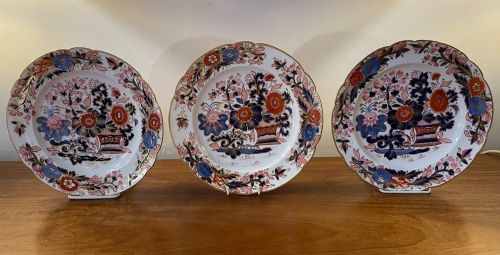
Floral Pattern Ceramics
Floral pattern ceramics bring botanical motifs to porcelain, earthenware, and ironstone across centuries of tableware and display pieces.
Floral Pattern Ceramics
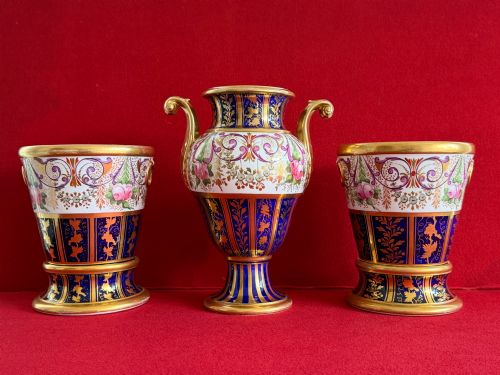
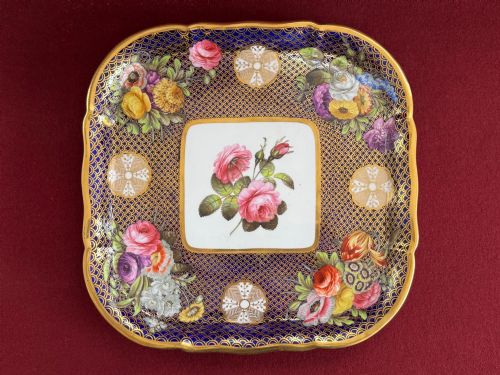
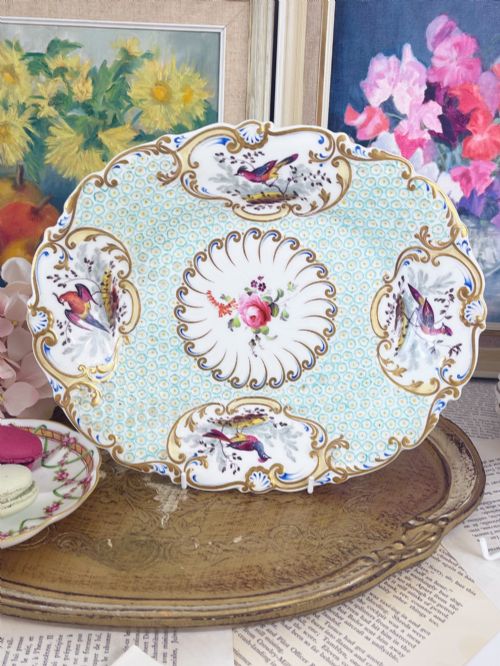
When you search for floral pattern ceramics, you find items spanning the 18th century through to the 1930s, encompassing Georgian, Regency, Victorian, and later periods. The selection includes vases, decorative plates, pedestals bowls, teacups, and jugs.
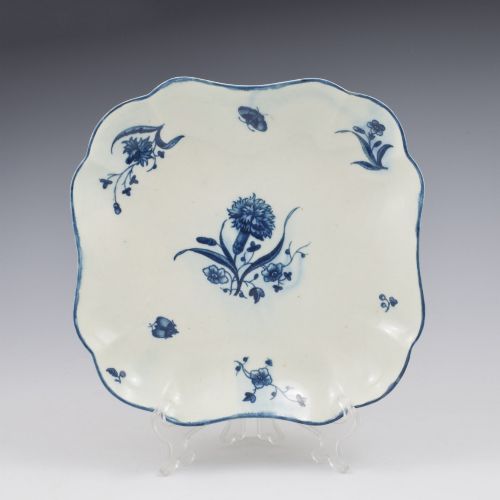
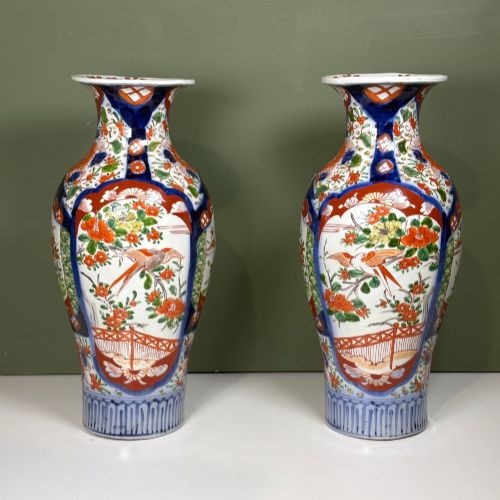
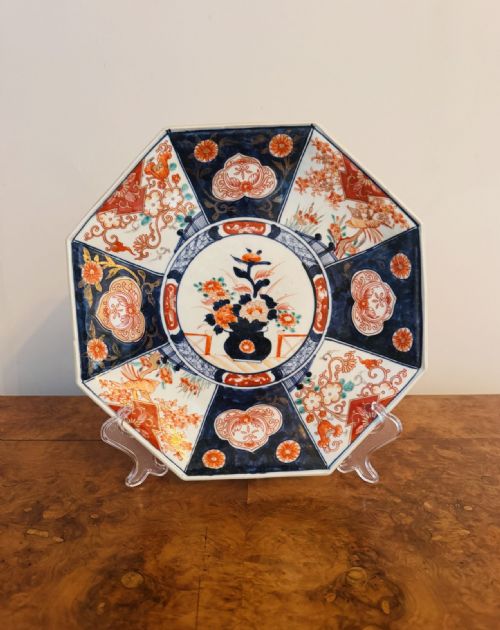
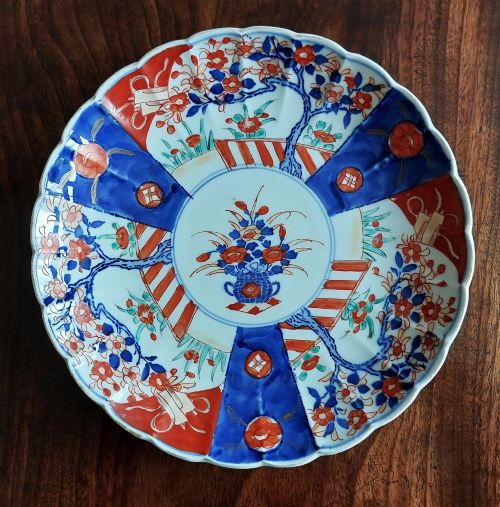
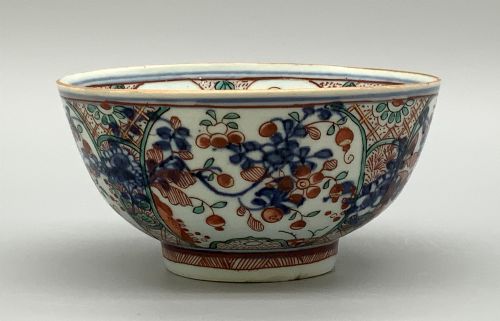
Most entries originate from British factories and Staffordshire potteries, alongside Japanese Imari wares and Chinese export pieces. Domestic wares range from transfer-printed blue and white pottery to brightly painted Gaudy Welsh jugs.
Moorcroft vases and Spode porcelain service pieces represent common iterations on this page. Buyers encounter everything from handpainted cabinet plates to robust ironstone platters intended for daily service.
Materials and production methods
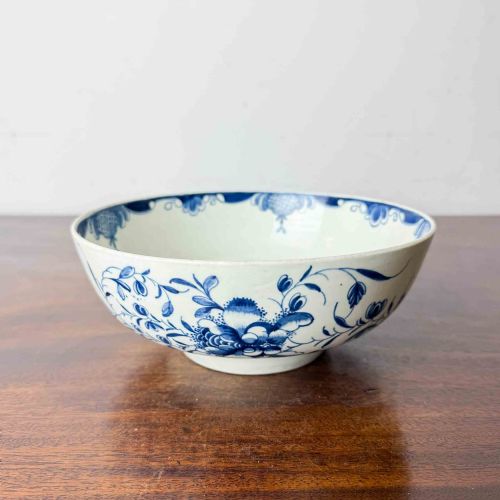
Makers shaped these objects using porcelain, bone china, ironstone, and earthenware, applying glazes to seal the porous clay bodies before decoration. Cobalt blue transfer printing allowed intricate floral sheets to wrap around jugs and plates efficiently.
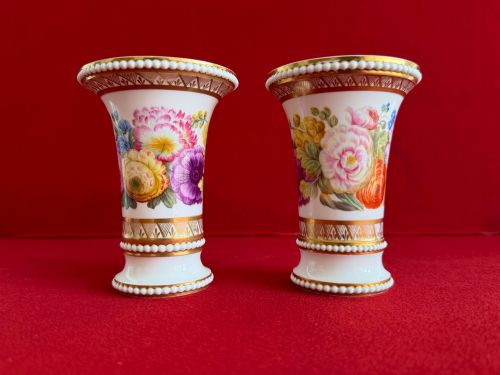
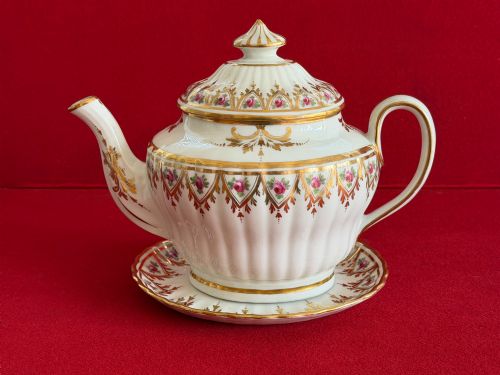
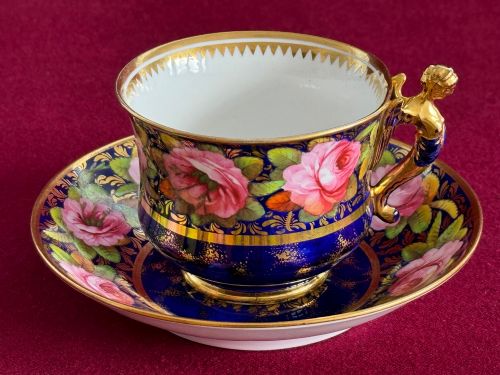
Enamel colours and gilding were often handpainted over the glaze or onto the raw body before firing. Gold leaf and rich enamel pigments defined high-status items, while simpler earthenware relied on coloured glazes and majolica techniques.
Floral Pattern Ceramics Retail Price Guide 2026
Typical asking prices for floral pattern ceramics among the pieces listed under this phrase on Sellingantiques today, from the lower quarter to the upper quarter. They describe what is for sale here now, not the wider market.
Materials represented include porcelain, ironstone, earthenware, enamel, and gold leaf, paired with styles from Art Deco to Japanese Imari.
Assessing quality in floral ceramics
Quality rests upon the crispness of the botanical painting, the precision of the transfer print, and the depth of the glaze. Handpainted pieces with fine brushwork and secure enamel adherence sit above mass-produced items with blurred lines.
The weight, throwing skill, and translucency of the porcelain or ironstone body dictate how well a piece survived its era. Early factory productions show superior modelling in handles and rims compared to later utilitarian wares.
Moorcroft·New Hall Porcelain·Spode·H & R Daniel·Masons Ironstone·Minton·John Rogers and Son·John Davenport·Royal Worcester
The Floral Pattern Ceramics Glossary
- Ironstone
- A durable type of earthenware patented in the 19th century to imitate porcelain while offering greater strength for heavy service use.
- Garniture
- A set of three or more matching vases or vessels designed to be displayed together on a mantelpiece or sideboard.
- Imari palette
- A distinctive decorative scheme utilising underglaze blue, iron red, and gilt, inspired by Japanese export porcelain.
- Transfer printing
- A mechanical method of applying complex botanical and scenic designs to ceramic surfaces using engraved copper plates and tissue paper.
Floral Pattern Ceramics: Frequently Asked Questions
How do I date a floral ceramic piece?
Dating relies on factory marks, pattern numbers, and the composition of the ceramic body. Porcelain bodies from the Georgian era differ distinctly in weight and translucency from later Victorian ironstone.
Style shifts also offer clues, moving from handpainted Regency botanicals to transfer-printed Gaudy Welsh patterns and early 20th-century art pottery.
Are these ceramics safe for daily use?
Many historical plates, jugs, and teacups were built for functional service, particularly robust ironstone and sturdy earthenware. However, antique overglaze enamels and gilding can wear down with modern detergents and scrubbing.
Delicate porcelain garnitures and early painted cabinet pieces are better suited for display rather than regular dining.
What is Gaudy Welsh pottery?
Gaudy Welsh refers to a colourful style of earthenware produced in the 19th century, featuring bright cobalt blue, copper lustre, and pink or red floral motifs. These wares were primarily made for everyday household use.
Pattern names like Grape, Drape, and Pagoda frequently appear on jugs and plates from this tradition.
How should I clean antique floral ceramics?
Cleaning requires warm water and mild soap applied gently with a soft cloth or sponge. Avoid soaking pieces with porous bodies or hairline cracks, as moisture can discolour historical pastes.
Harsh chemical cleaners and dishwashers will strip delicate gilt edges and handpainted enamel details permanently.