




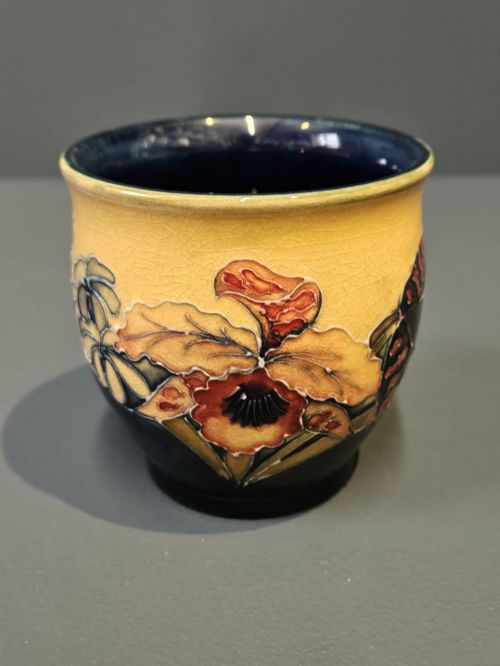
Floral Painted Pottery
Floral painted pottery brings together centuries of hand-decorated ceramics, from vibrant Victorian jugs to delicate eighteenth-century bowls.
Floral Painted Pottery
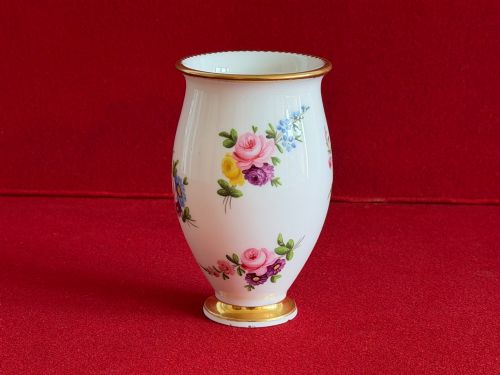
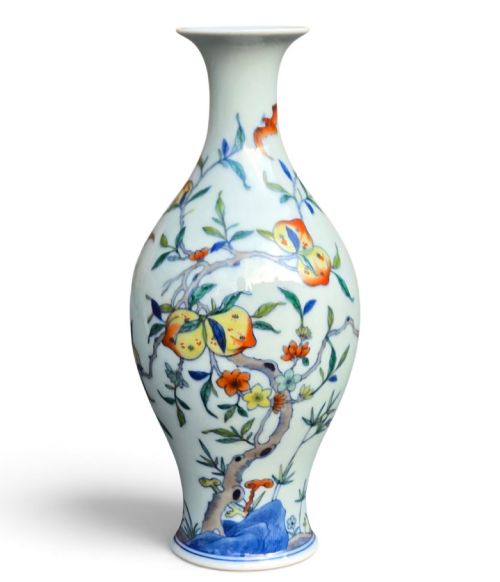
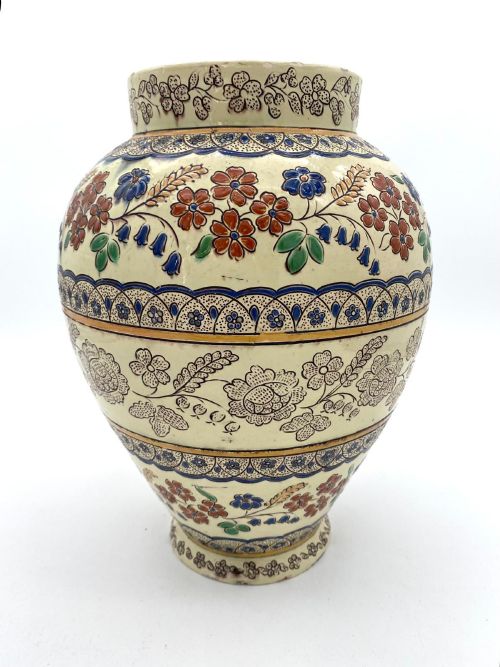
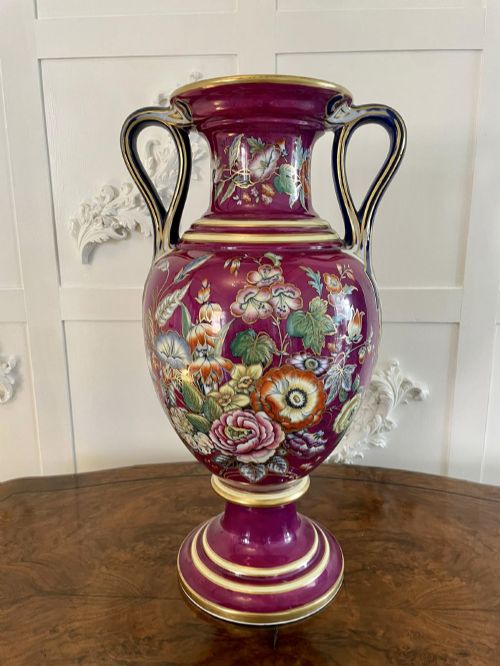
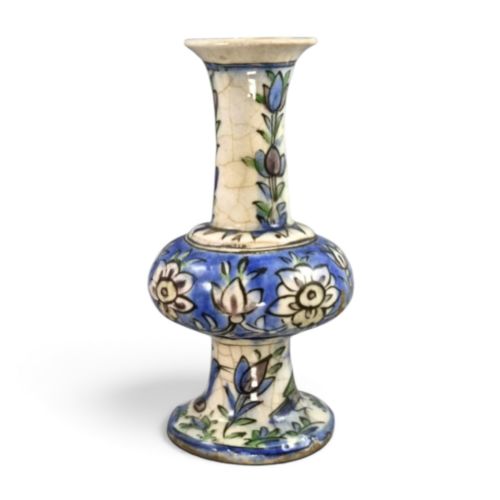
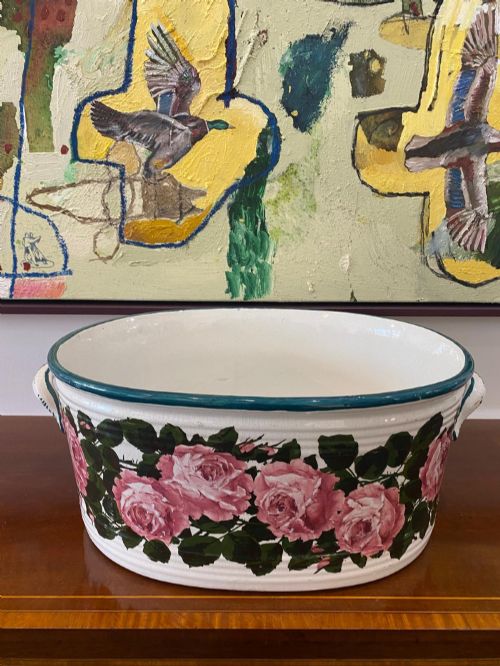
Floral painted pottery encompasses a broad range of vessels and decorative items adorned with painted botanical motifs. When exploring floral painted pottery, buyers encounter objects spanning the eighteenth, nineteenth, and early twentieth centuries.
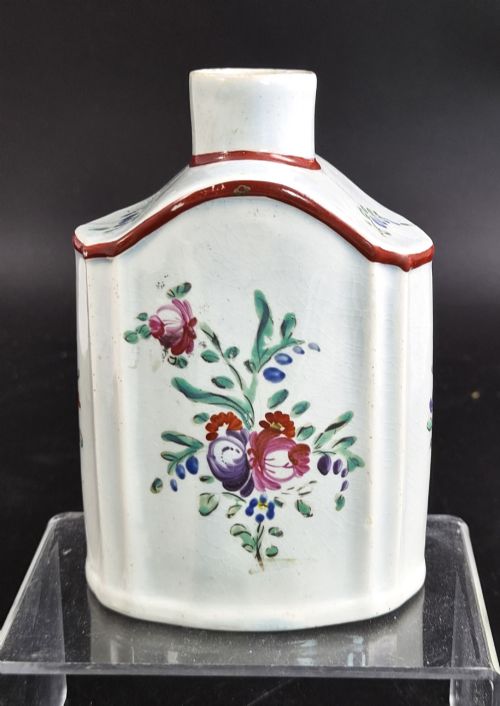
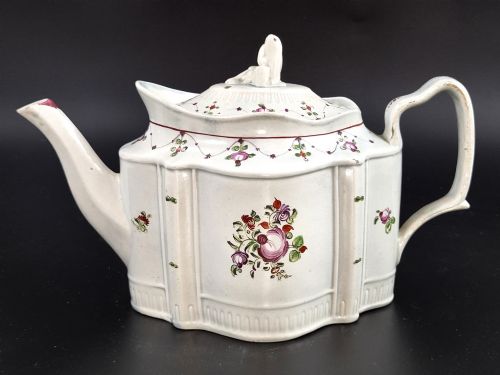
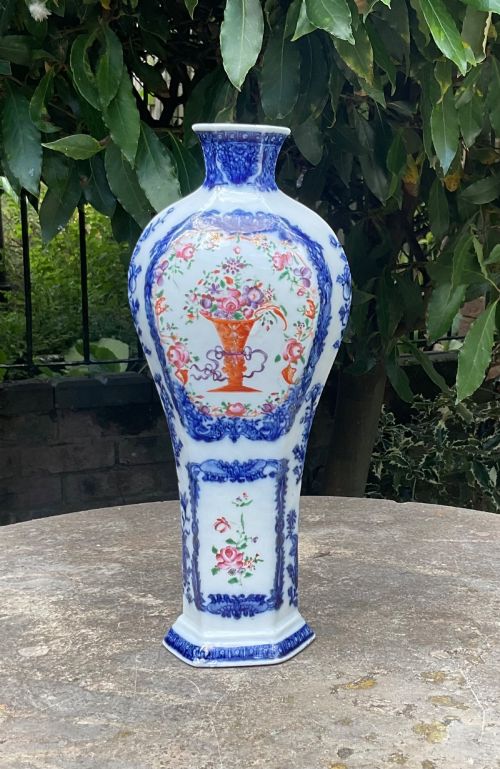
The selections on this page lean heavily towards vases, jugs, pitchers, and bowls created across various global traditions. English creamware, Staffordshire pieces, Dutch Delft, and Japanese Imari form the core of the physical evidence.
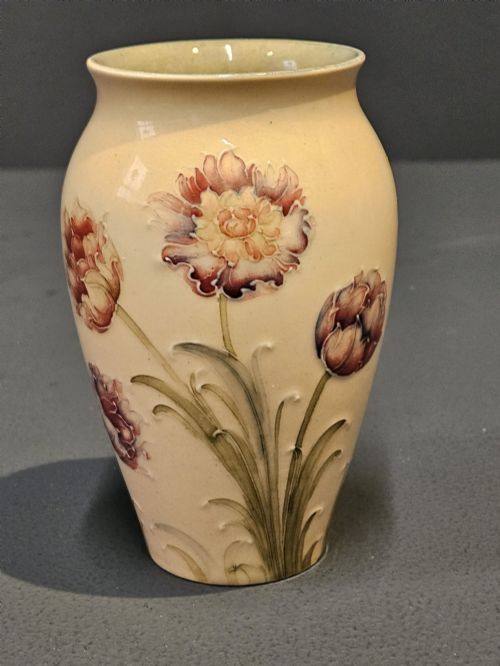
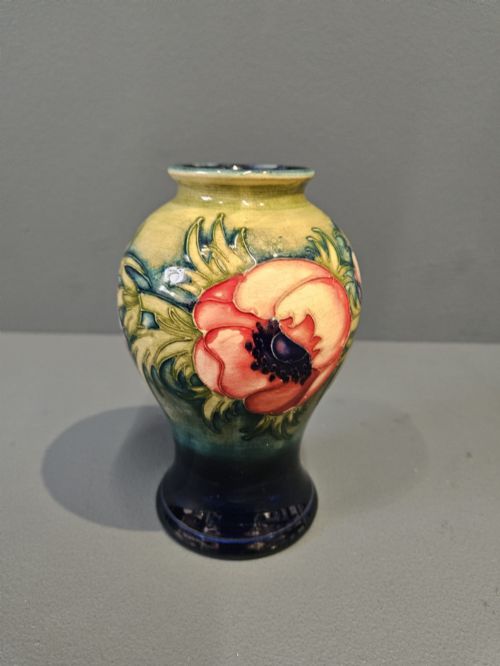
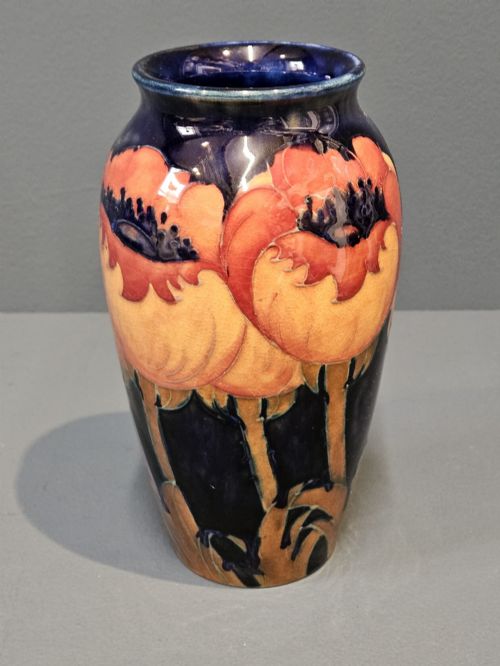
Moorcroft vases, Gaudy Welsh jugs, and Doulton Lambeth faience represent the diversity of forms available. Each piece demonstrates how makers utilised botanical subjects on ceramic surfaces across distinct historical periods.
Materials and Techniques
Potters relied on earthenware, porcelain, ironstone, and tin-glazed ceramic bodies to form the foundation of these pieces. Tin glaze and enamel pigments provided the smooth, opaque surfaces necessary for detailed brushwork.
Makers applied hand-painted pigments directly onto the ceramic body or over a primary glaze before firing. Artisans occasionally incorporated gold leaf highlights and copper lustre to add depth to the painted floral arrangements.
Floral Painted Pottery Retail Price Guide 2026
Typical asking prices for floral painted pottery among the pieces listed under this phrase on Sellingantiques today, from the lower quarter to the upper quarter. They describe what is for sale here now, not the wider market.
Listings feature items from the eighteenth, nineteenth, and early twentieth centuries, spanning Victorian, Art Nouveau, and Arts and Crafts styles.
Assessing Quality and Execution
Quality rests primarily in the precision and fluidity of the hand-painted brushwork. Superior examples display confident, deliberate floral details that demonstrate a high level of technical control from the artist.
The choice of body and glaze application also distinguishes the pieces. Refined ceramic pastes, stable tin glazes, and well-preserved enamel colours indicate superior manufacture.
Moorcroft·Leeds Pottery·Wemyss·Doulton Lambeth·John Bevington·Manpei
The Floral Painted Pottery Glossary
- Creamware
- A refined earthenware developed in England featuring a pale yellowish-cream lead glaze. It became popular during the eighteenth century for tableware and decorative vessels.
- Tin-Glazed Earthenware
- Pottery covered with an opaque white tin glaze that accepts painted colours directly onto the unfired surface. This technique defines traditional Delftware.
- Faience
- European tin-glazed earthenware, often associated with French and English production. The term describes decorated pottery sharing methods with majolica and Delft.
- Enamel
- Vitrified glass powder melted onto the ceramic surface during a secondary firing to produce bright, permanent colours. It allows for vibrant floral palettes.
- Imari
- A style of Japanese export porcelain characterised by underglaze blue and overglaze red, gold, and other colours. Motifs often combine floral and geometric patterns.
Floral Painted Pottery: Frequently Asked Questions
How do I clean floral painted pottery?
Wash these ceramics gently by hand using lukewarm water and mild soap.
Avoid soaking pieces with delicate enamels or gold leaf to protect the surface decoration.
Are these ceramic pieces suitable for daily use?
Most antique and vintage pieces function best as decorative display items rather than utilitarian kitchenware.
Older glazes and ironstone bodies can be sensitive to modern detergents and heavy wear.
How do I date a piece of pottery?
Examine the base for maker marks, impressed stamps, or pattern names recorded in historical archives.
Stylistic cues like Art Nouveau curves or Victorian colour palettes also help narrow down the period.
What is the difference between earthenware and porcelain?
Earthenware is a porous, opaque pottery body fired at lower temperatures.
Porcelain is a vitrified, dense ceramic that often appears translucent when held to the light.