


Floral Painted Art Pottery
Floral painted art pottery brings together hand-decorated ceramic forms and botanical subjects, offering collectors vibrant colour and distinct period character.
Floral Painted Art Pottery
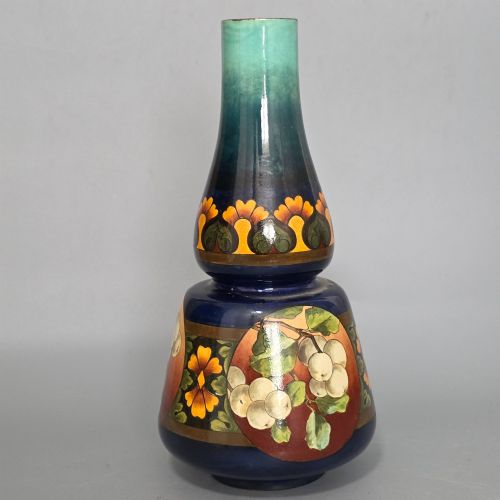
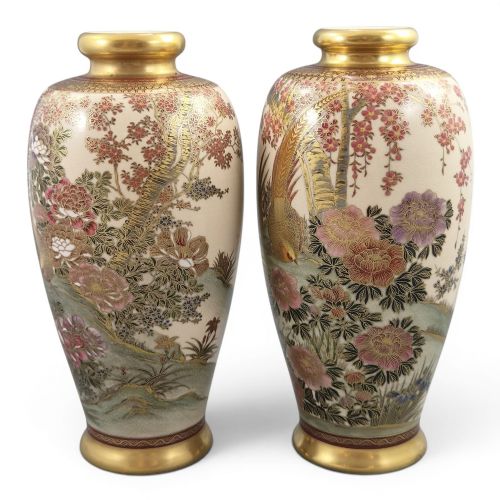
These objects encompass a range of decorative ceramics, including vases, bowls, tiles, and tea sets adorned with botanical motifs. When exploring floral painted art pottery, buyers frequently encounter works from the late nineteenth and early twentieth centuries, spanning the Victorian era through Art Nouveau and Art Deco movements.
Materials and Construction Techniques
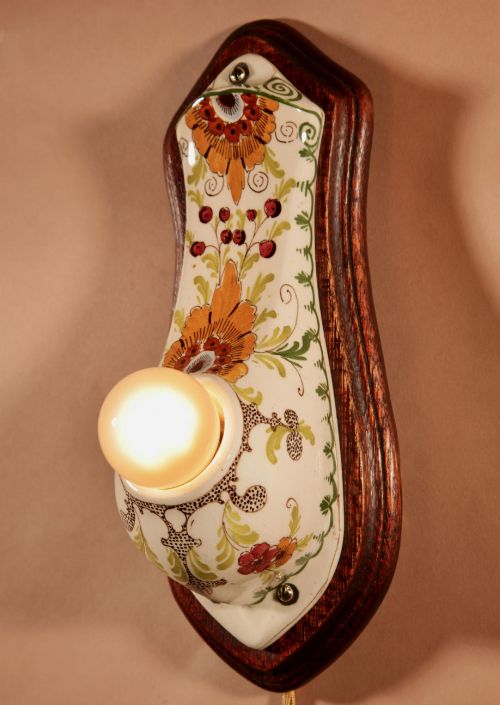
Makers utilised earthenware, stoneware, and porcelain as foundational bodies, shaping them into domestic vessels, wall lights, and display pieces. Potters applied glazes, enamel, and occasionally gold leaf to enrich the ceramic surface before firing.
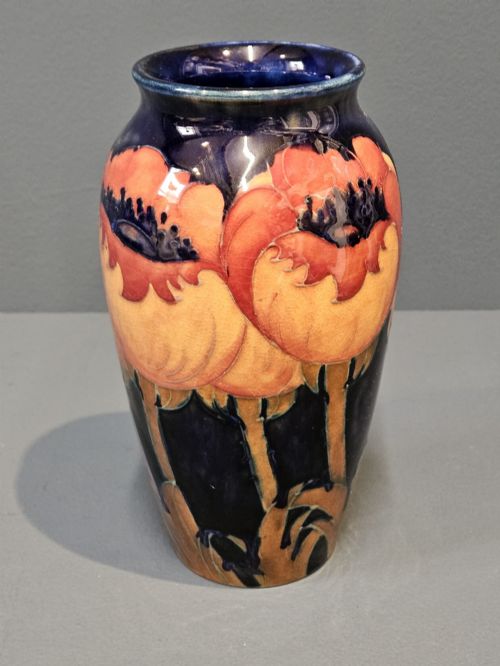
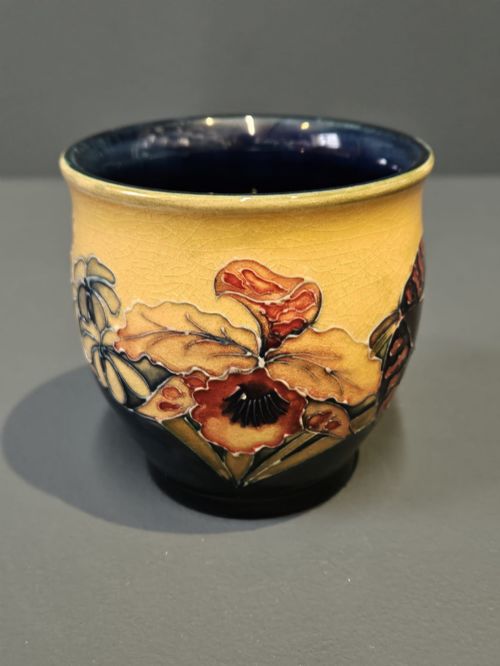
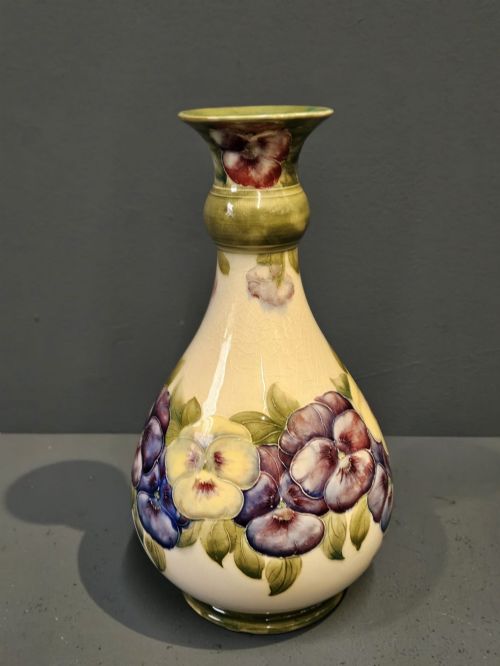
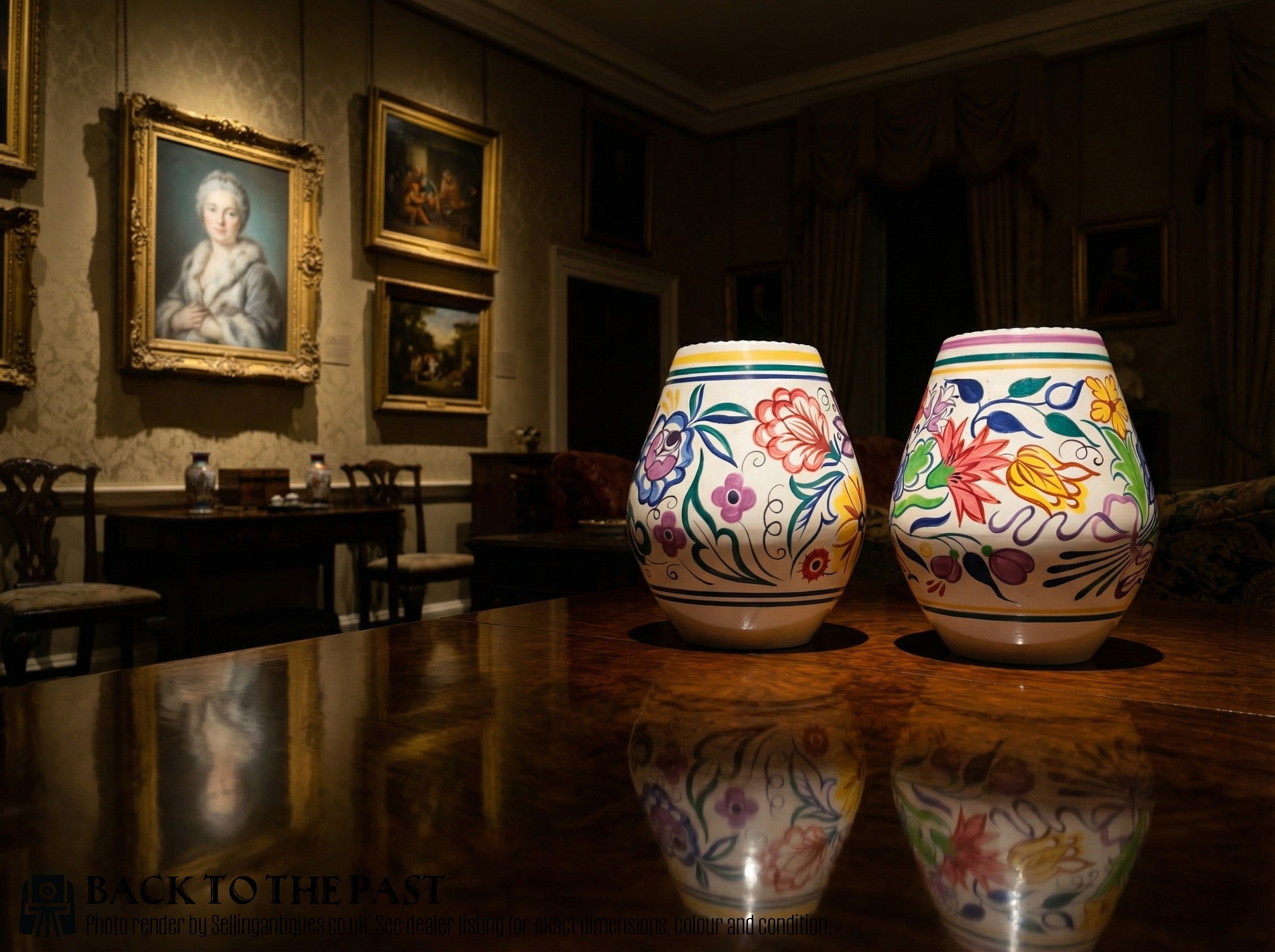
Decoration relied heavily on hand-painting techniques, encompassing underglaze slip decoration, faience methods, and tube-lining to delineate floral patterns such as pansies, tulips, and roses.
Object forms span domestic tea sets, wall lights, stick stands, and decorative vases.
Assessing Quality and Execution
Superior examples demonstrate precision in the hand-painted brushwork and depth in the glaze application, where colours remain vibrant and evenly bonded to the ceramic body. The complexity of the design, such as intricate tube-lined floral motifs, separates standard production wares from ambitious studio and factory pieces.
Form and balance also dictate distinction, with well-proportioned silhouettes and clearly impressed or painted factory marks confirming the origin and authorship of the object.
Moorcroft·Doulton Lambeth·Charlotte Rhead·Poole Pottery·Ernst Wahliss
The Floral Painted Art Pottery Glossary
- Faience
- Tin-glazed earthenware or pottery decorated with opaque coloured glazes. This technique provides a smooth canvas for hand-painted botanical and abstract designs.
- Earthenware
- Porous pottery fired at lower temperatures, commonly used for domestic vessels and decorative vases. It requires a glaze layer to achieve water resistance.
- Stoneware
- A dense, impermeable ceramic fired at high temperatures until vitrified. It forms a durable body for heavily decorated Victorian and art pottery pieces.
- Art Nouveau
- An international decorative style characterised by organic, fluid lines and natural motifs. Floral painted art pottery from this period frequently depicts sinuous stems and stylized blossoms.
Floral Painted Art Pottery: Frequently Asked Questions
How do I identify a Moorcroft vase?
Moorcroft pieces typically display tube-lined floral patterns where raised outlines contain the hand-painted glazes. Look for signature markings or initials on the underside alongside factory stamps.
Designs often feature recognizable botanical subjects such as pansies, orchids, or roses, executed with distinct depth of colour and texture.
What is faience pottery?
Faience refers to earthenware covered with a tin glaze, providing an opaque surface suitable for detailed hand-painted decoration. Makers utilised this technique to achieve rich, painterly floral scenes.
In British ceramics, the term frequently describes wares with absorbent bodies finished in decorative coloured glazes and enamel pigments.
How should I clean antique pottery?
Dust surfaces gently with a soft, dry cloth to prevent accumulation without disturbing fragile enamels or gold leaf details. Avoid submerging older earthenware or pieces with repaired sections in water.
Harsh chemical cleaners strip historical glazes, so simple dry maintenance preserves the integrity of hand-painted finishes.
Are these pieces waterproof?
Many historical ceramics feature porous bodies or interior crazing that makes prolonged contact with water risky for the fabric. Displaying them as decorative objects or using internal liners safeguards the vessel.
Stoneware variants tend to be less porous than early earthenware, but careful inspection of the interior helps determine suitability for fresh flowers.