
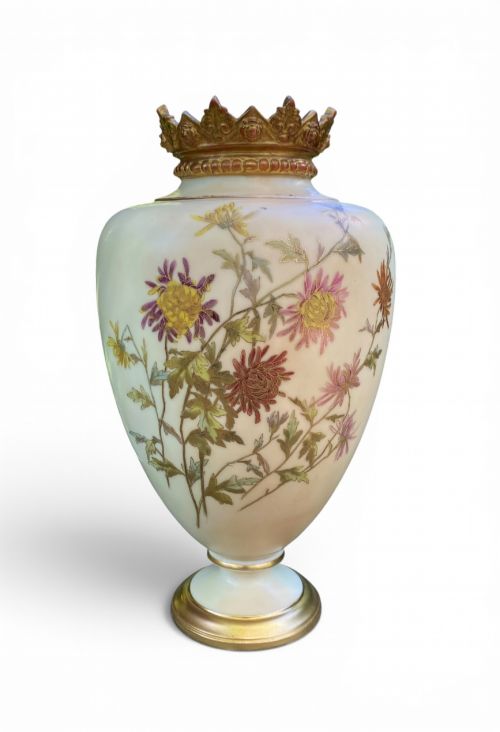


English Ceramic Pottery Vases
English ceramic pottery vases bring tactile weight and rich decorative history to a room, ranging from bold Victorian earthenware to vibrant Art Deco glazes.
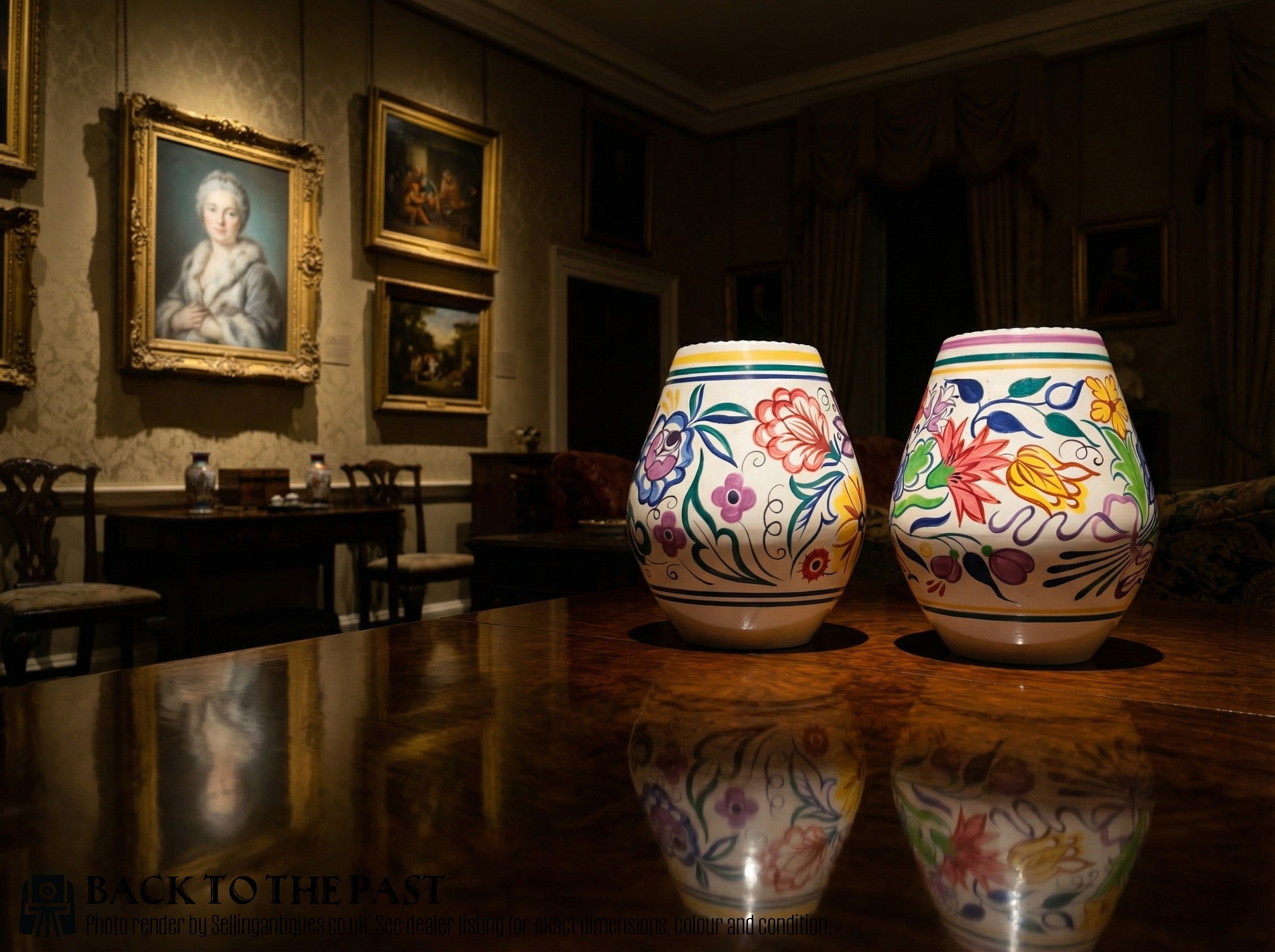
English Ceramic Pottery Vases
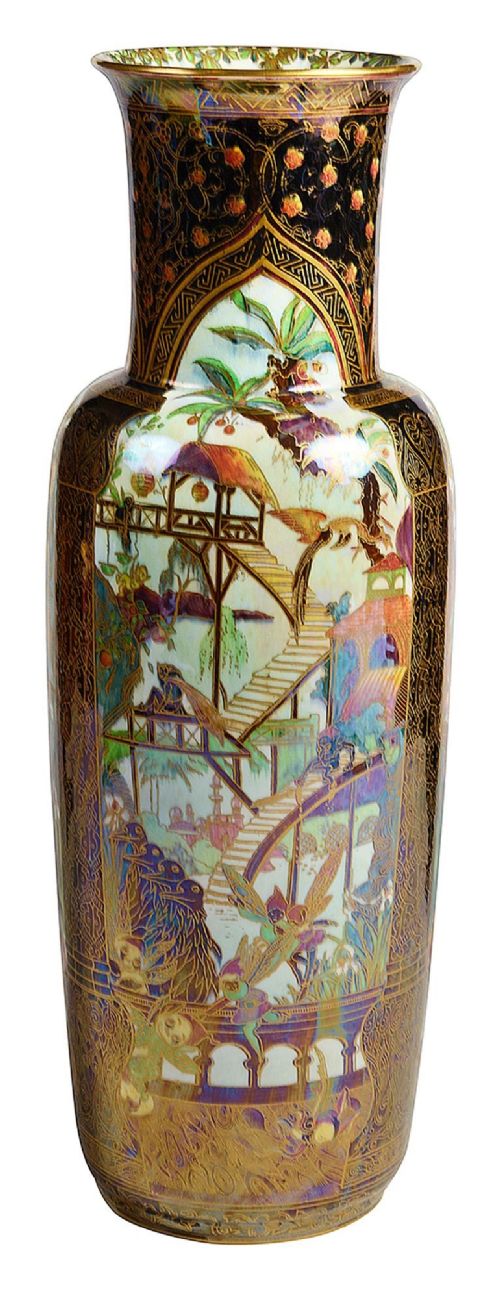
English ceramic pottery vases encompass a diverse range of vessels, from utilitarian spill vases and jugs to elaborate decorative urns produced across the nineteenth and twentieth centuries. Buyers seeking these pieces encounter an array of regional expressions, including slip-decorated earthenwares and refined porcelain bodies.
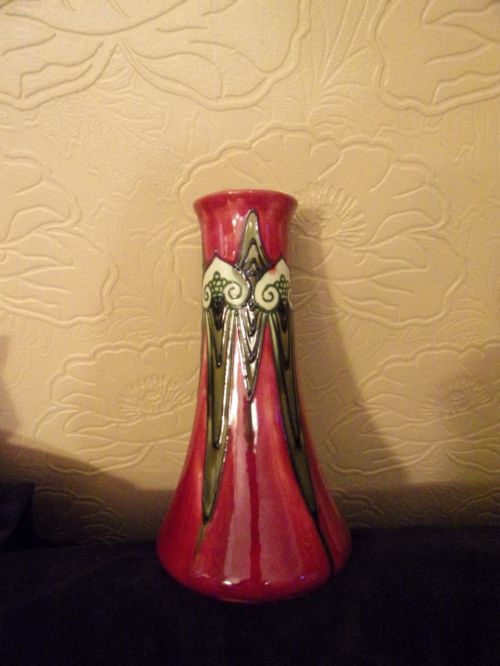
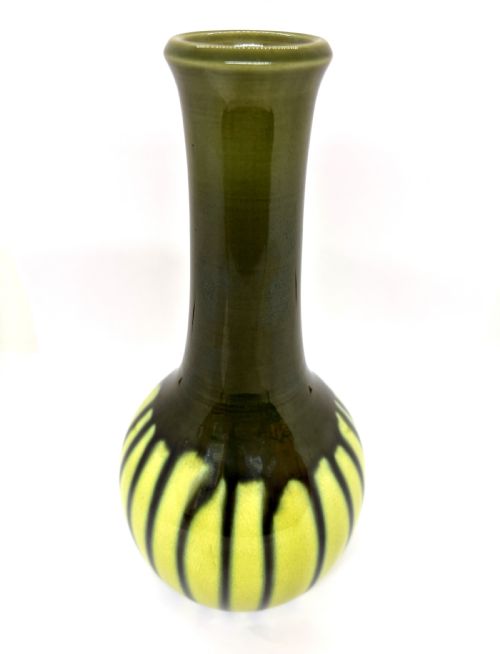
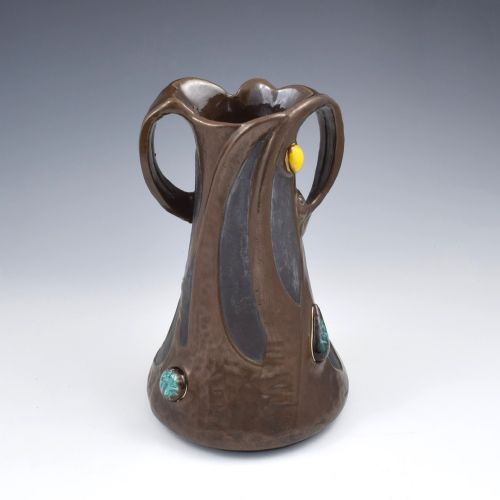
The selection here heavily reflects the output of major factories and studio potters working through the Victorian, Edwardian, and Art Nouveau periods. Expect to find characteristic forms influenced by the Aesthetic Movement, Arts and Crafts ideals, and later geometric Art Deco designs.
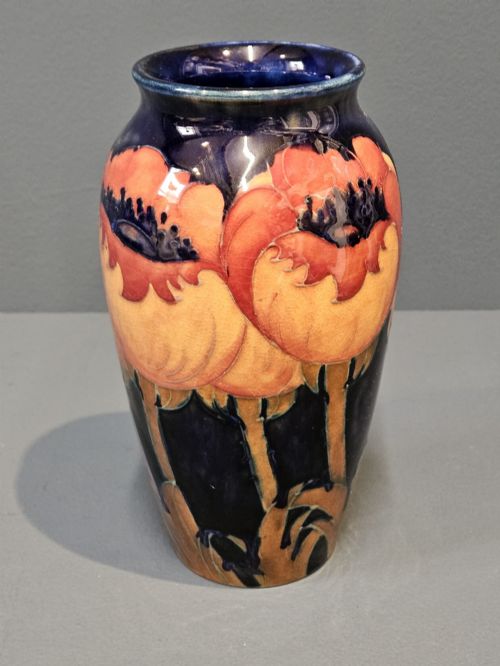
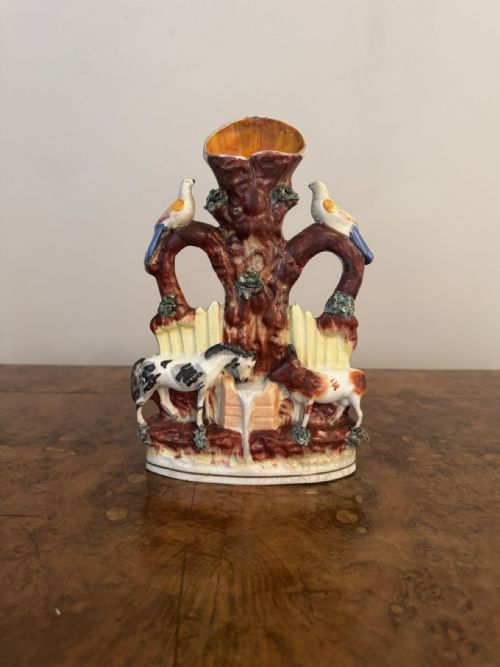
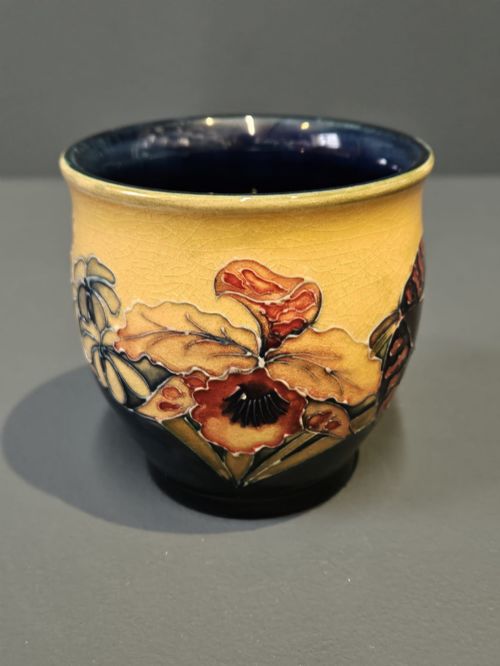
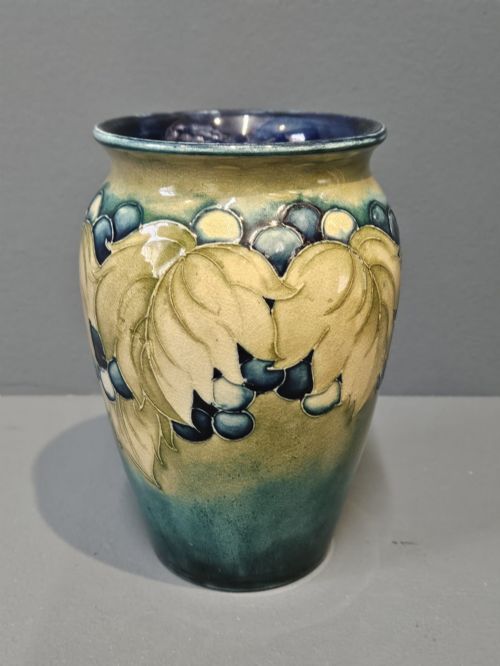
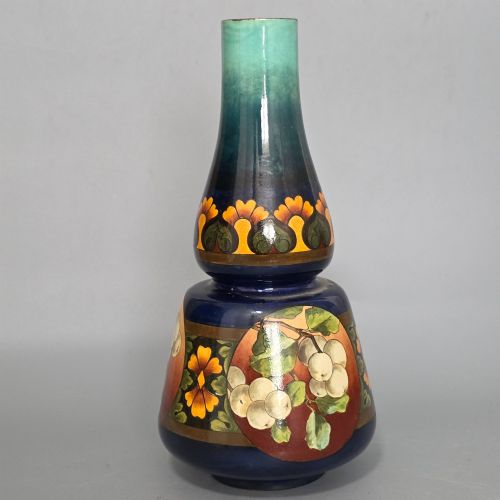
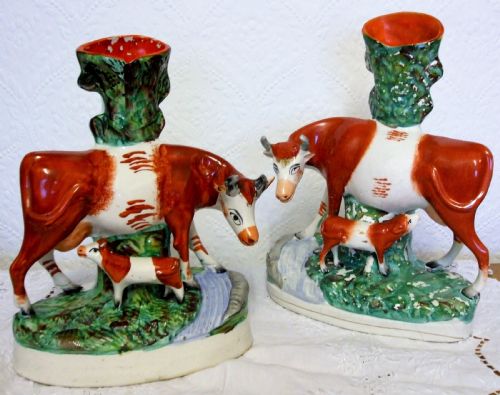
Figurative Staffordshire pottery, such as spill vases depicting animals and castles, sits alongside thrown studio pieces adorned with copper effects and tube-lined flora. This variety allows collectors to focus on domestic mantelpiece ornaments or larger architectural floor vases.
Judging the execution
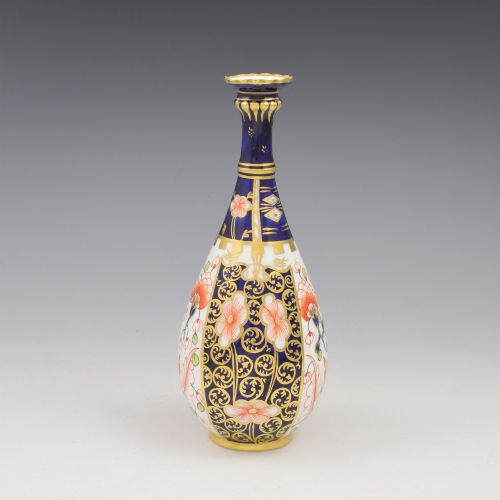
Quality rests primarily in the crispness of the modelling and the deliberate control of the kiln firing, which determines the depth and clarity of the glaze. Hand-painted patterns and tube-lined designs demonstrate superior craftsmanship when the brushwork or clay trailing shows confident, unhesitating execution without pooling or blurring.
The reputation of the specific decorator or pottery significantly elevates a piece, particularly when individual artists sign their work or employ distinctive experimental glazes. Heavier bodies and well-balanced proportions indicate thoughtful studio production rather than mass commercial output.
The listings span earthenware, stoneware, and glazed ceramic bodies produced across the nineteenth and twentieth centuries.
Moorcroft·Minton·Wedgwood·Burmantoft s Pottery·Bretby Pottery·Shelley·Doulton Lambeth·Royal Worcester·Royal Crown Derby·Spode·Mason s Ironstone·Royal Lancastrian
The English Ceramic Pottery Vases Glossary
- Earthenware
- Porous pottery fired at lower temperatures, typically requiring a glazed surface to hold liquids. It forms the body for much traditional Staffordshire pottery.
- Stoneware
- Dense, impermeable pottery fired at high temperatures until the clay vitrifies. It offers great durability and accepts salt glazes well.
- Tube-lining
- A decorative technique where a fine nozzle applies a trail of liquid clay to outline a design on the pottery surface. Coloured enamels are then filled within the raised boundaries.
- Lustre
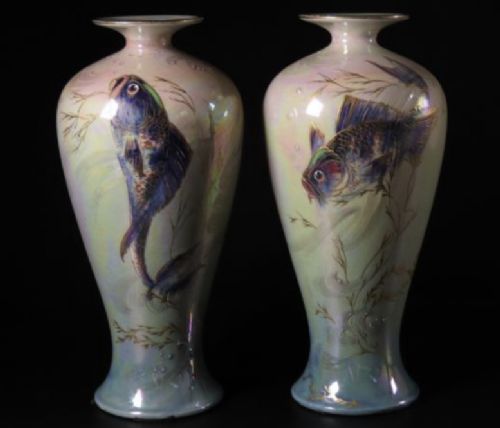
- A metallic ceramic finish that produces a reflective, iridescent sheen. It is achieved by applying metallic oxides to the glaze before a reduced-oxygen firing.
- Spill vase
- A small cylindrical vessel designed to hold taper candles or wooden spills used for lighting pipes and fires. They often take figurative Staffordshire forms depicting animals or architecture.
English Ceramic Pottery Vases: Frequently Asked Questions
How do I date an antique vase?
Dating relies on combining the specific factory mark stamped or painted on the base with stylistic indicators such as colour palettes and glaze types. Victorian and Edwardian pieces often carry registration numbers or specific potter's monograms that narrow down the production year.
Changes in clay body composition and manufacturing techniques also help establish a chronological window. Comparing the piece to documented factory catalogues provides further confirmation of its era.
What is the difference between earthenware and stoneware?
Earthenware is fired at lower temperatures, remaining porous and softer unless sealed entirely by glaze. It allows for bright earthenware colours and forms the base of traditional decorative figures and majolica.
Stoneware undergoes high-temperature firing until the material vitrifies and becomes completely non-porous without glaze. This results in a heavy, durable body frequently used for utilitarian vessels and textured artistic vases.
How should I display ceramic vases at home?
Position vases where natural light can catch the subtleties of reactive glazes and metallic lustre finishes without exposing them to direct, harsh sunlight. Placing them on stable surfaces away from high-traffic areas protects delicate earthenware rims and applied handles.
Group pieces by shared periods or contrasting forms to create balanced displays on mantelpieces or cabinets. Ensuring adequate spacing allows the unique silhouette of each vessel to remain the focal point.
Are marked vases more valuable than unmarked ones?
Factory stamps, painted monograms, and impressed ciphers provide definitive evidence of origin and maker, which generally aids attribution. Marked pieces allow collectors to trace the exact workshop and sometimes the individual artist responsible for the decoration.
However, superb artistic execution in studio pottery occasionally outweighs the absence of a factory mark. Exceptional glazing and form can establish a piece's merit independently of a signature.