




Floral Motif Pottery
These floral motif pottery pieces bring botanical colour into a room, offering everything from delicate Japanese dishes to bold Austrian ewers.
Floral Motif Pottery
Floral motif pottery encompasses a diverse selection of ceramic objects decorated with plant and flower designs across multiple centuries. Buyers examining this category encounter wares ranging from 17th century tiles to early 20th century vases and wash sets.
Vases, decorative plates, chargers, and jardiniere vessels form the core of the selection available on this page. These pieces showcase botanical ornamentation executed through various international ceramic traditions, spanning European earthenware to Asian porcelain.
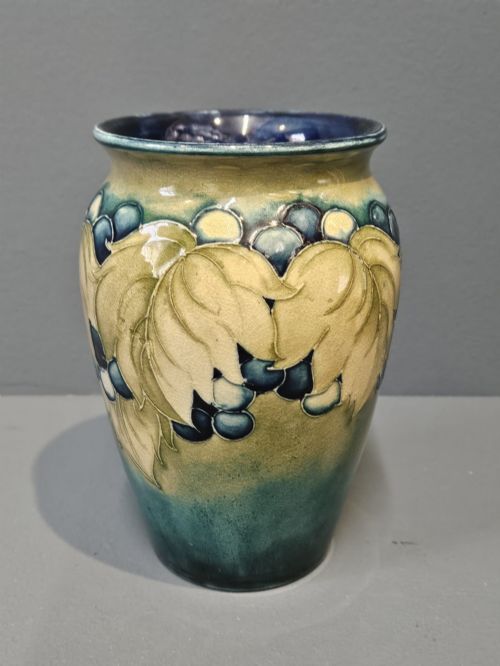
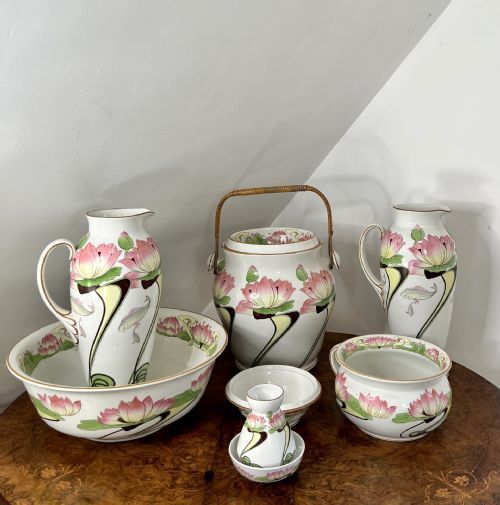
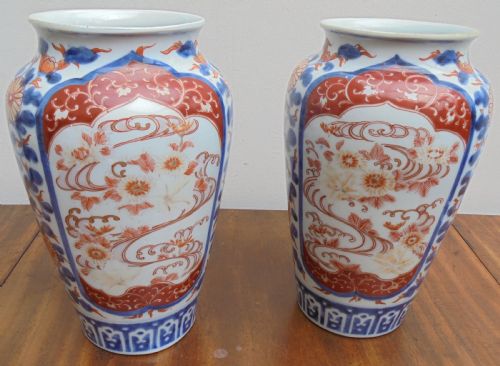
Victorian and Art Nouveau examples appear frequently, often featuring rich glazes and sculptural plant forms. Japanese Imari plates and vases also feature prominently, bringing distinctive floral and oriental patterns into the mix.
How they were made
Maker's workshops utilised earthenware, porcelain, and stone china as the foundational bodies for these decorated ceramics. Potters shaped these materials into vessels, tiles, and dishes before applying detailed botanical illustrations.
Glaze and enamel played a central role in finishing the surface, sealing the ceramic body and adding vibrant colour to the floral patterns. Some specialised pieces also incorporated gold leaf highlights to accentuate the painted botanical motifs.
Floral Motif Pottery Retail Price Guide 2026
Typical asking prices for floral motif pottery among the pieces listed under this phrase on Sellingantiques today, from the lower quarter to the upper quarter. They describe what is for sale here now, not the wider market.
Listings span multiple centuries, ranging from seventeenth century Kubachi pottery tiles to early twentieth century Art Deco and Art Nouveau vessels.
What varies in quality
Quality in these ceramics rests on the precision of the hand-painted floral decoration and the depth of the glaze. Finer pieces display crisp botanical details and harmonious colour palettes that remain striking across the entire surface.
The sophistication of the ceramic body and the prestige of the studio or maker heavily influence the standing of a piece. Well-modelled earthenware forms and carefully balanced porcelain designs command greater attention from collectors.
Moorcroft·Ryuzan·Ernst Wahliss·George Jones·Mason's·Davenport
The Floral Motif Pottery Glossary
- Earthenware
- A porous pottery body fired at lower temperatures, commonly found in majolica and traditional domestic wares. It requires a glaze to become impermeable to liquids.
- Majolica
- A type of colourful lead-glazed earthenware popular during the Victorian era. It is celebrated for its sculptural relief decoration and rich botanical or animal subjects.
- Imari
- A traditional style of Japanese porcelain featuring cobalt blue and iron red decoration, often enhanced with gold. These wares were widely exported to Europe and heavily emulated.
- Jardiniere
- A large ornamental pot designed to hold live plants or flowers. They often sit on pedestals or tabletops as statement pieces in interior decoration.
- Ironstone
- A durable type of British ceramic developed as a tougher alternative to porcelain. It takes enamel colours and floral transfers exceptionally well.
Floral Motif Pottery: Frequently Asked Questions
How do I clean antique majolica pottery?
Dust these glazed earthenware pieces gently with a soft, dry cloth to remove surface particles.
Avoid immersing them in water or using harsh chemical cleaners, as moisture can penetrate old, crazed glazes.
What is the difference between earthenware and porcelain?
Earthenware is a heavier, opaque ceramic body fired at lower temperatures that requires glazing to hold water.
Porcelain is a denser, vitrified material fired at much higher heats, often appearing semi-translucent and offering greater durability.
Where were Japanese Imari plates made?
These pieces originated in the town of Arita and were exported through the port of Imari during the Edo period and later.
They gained immense popularity in European households for their striking palette of blue, red, and gold.
How can I identify an Art Nouveau vase?
Art Nouveau ceramics typically display organic, flowing lines inspired by natural plant forms rather than rigid symmetry.
They frequently utilise soft celadon tones, stylised floral motifs, and iridescent glazes characteristic of the period around nineteen hundred.