


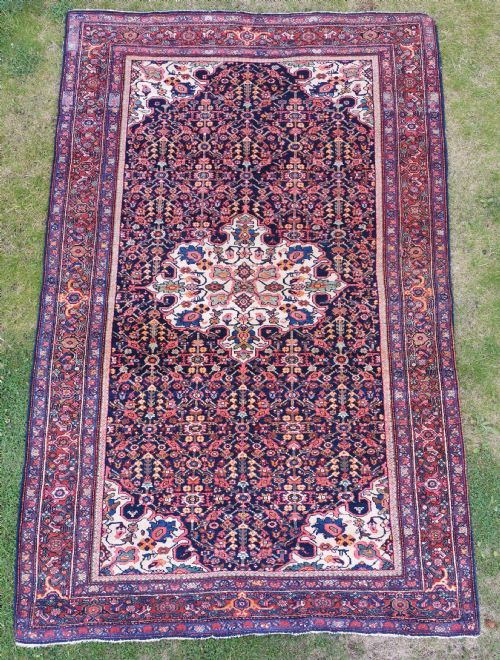
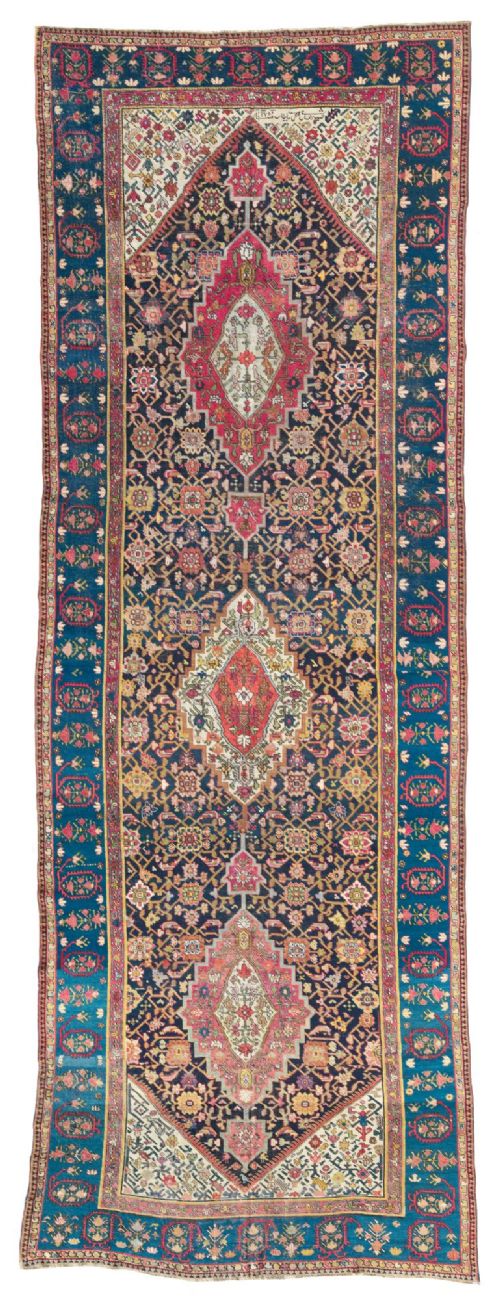
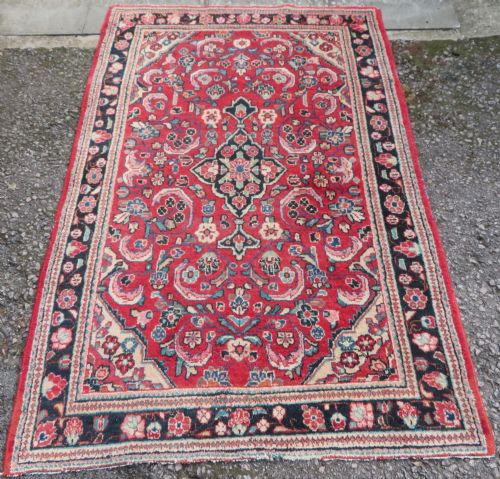
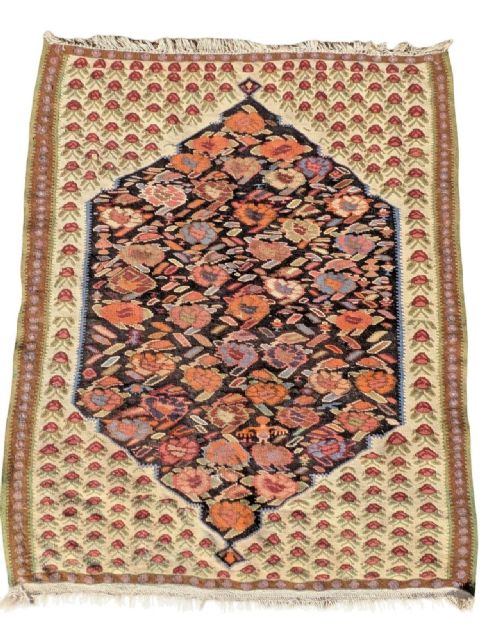
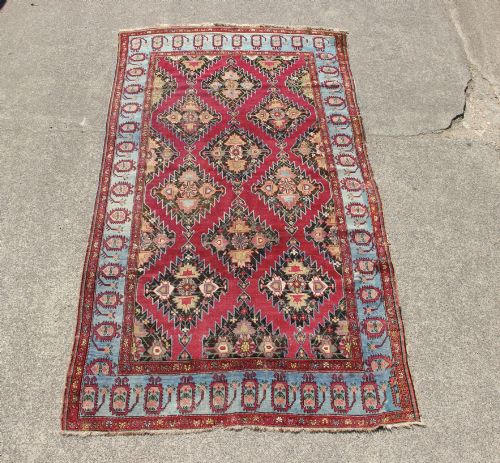
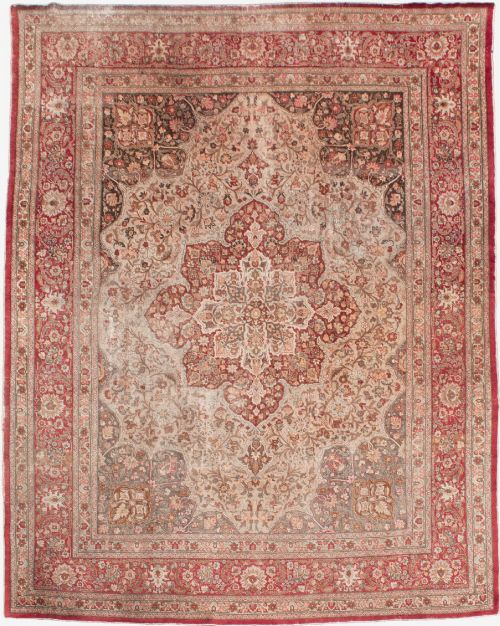
Floral Medallion Wool Rug
These floral medallion wool rug examples bring traditional Persian and Caucasian weaving traditions into a room, offering durability and enduring design.
Floral Medallion Wool Rug
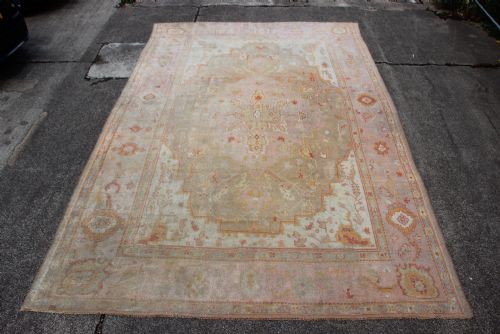
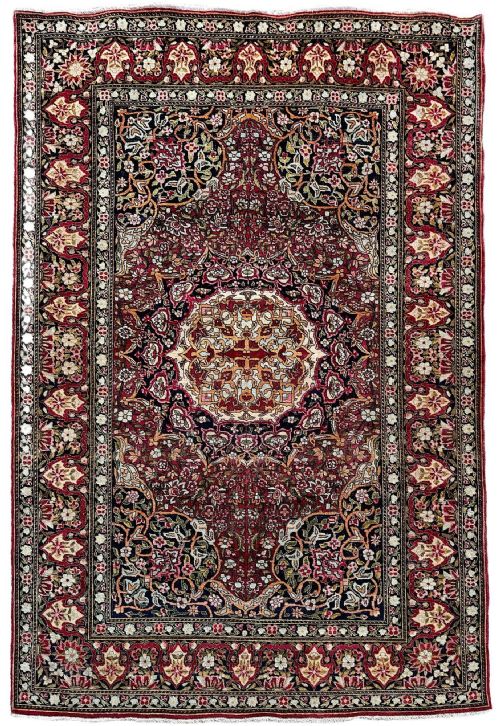
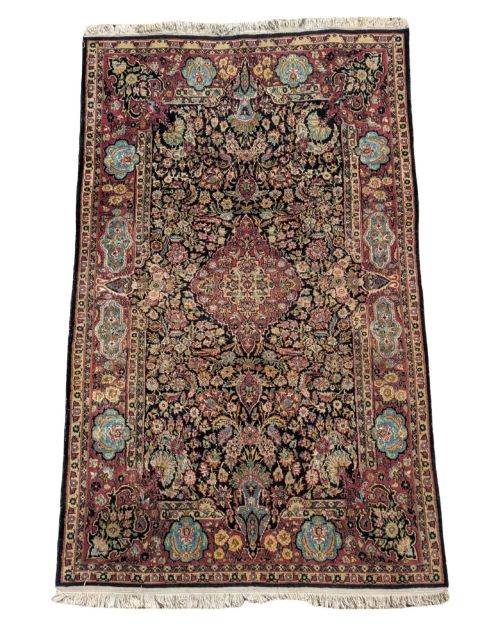
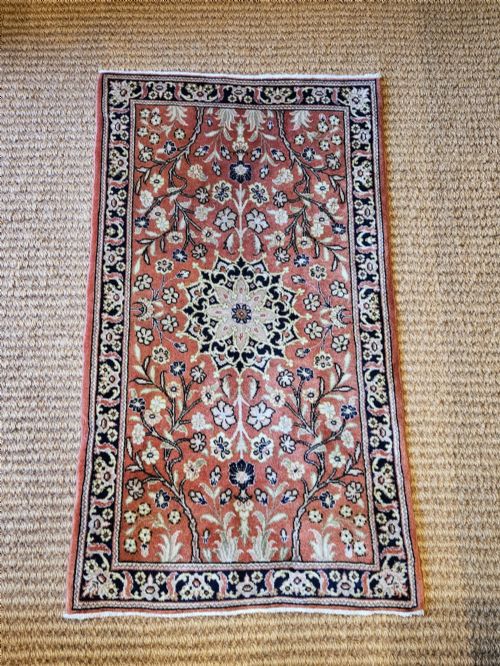
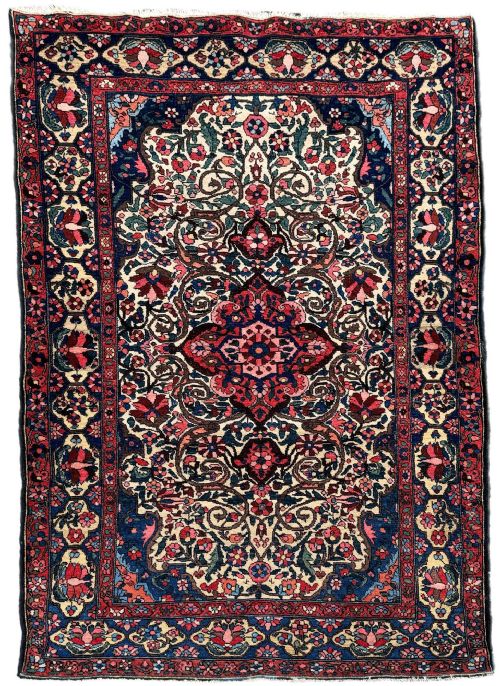
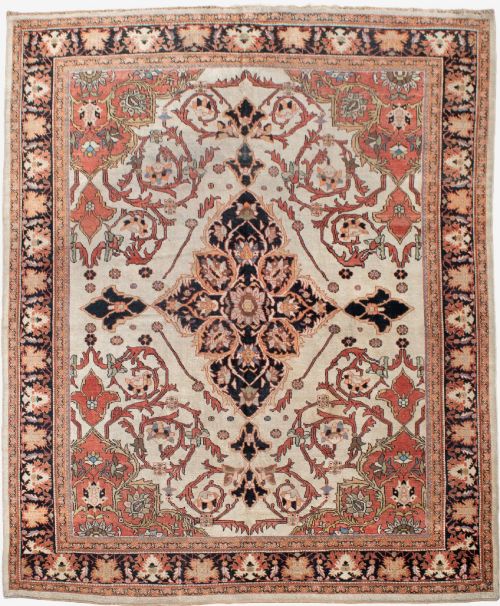
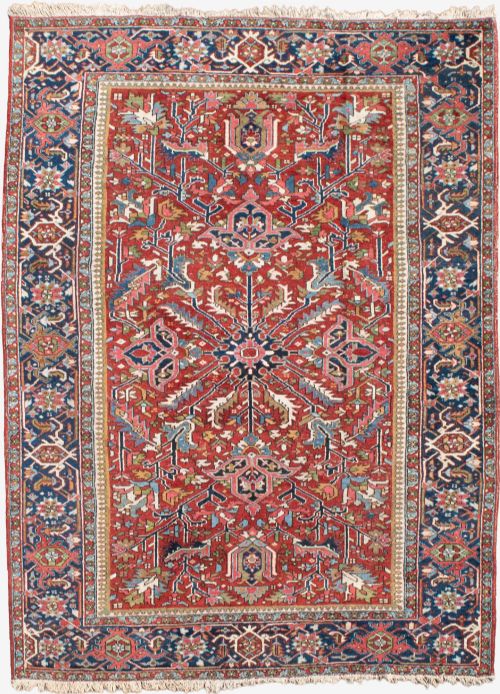
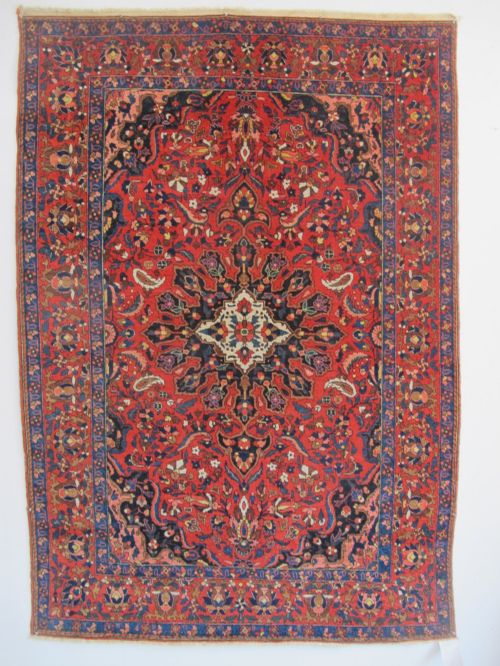
A floral medallion wool rug centres around a prominent central motif surrounded by intricate floral patterns and geometric borders. These textiles span periods from the mid-nineteenth century through the early twentieth century, originating primarily from weaving centres across Persia, alongside examples from India, China, and the Caucasus.
Buyers encounter various formats here, ranging from hearth-sized mats and runner rugs to expansive room-size carpets and kilims. The selection includes specific regional types such as Bakhtiar, Tabriz, Mahal, Heriz, and Kashan, each displaying distinct handling of the central medallion design.
The dominant forms employ wool as the primary material for the pile and foundation, occasionally incorporating cotton foundations or silk highlights for added texture. These pieces served practical domestic purposes in country houses and urban reception rooms alike, functioning both as floor coverings and decorative textile panels.
Materials and construction methods
The construction relies fundamentally on wool, utilised for both the knotted pile and the underlying warp and weft foundation threads, often supplemented by cotton for structural stability. Certain pieces integrate silk highlights to accentuate specific botanical details within the design.
Weavers knotted the wool by hand onto the foundation, employing traditional techniques traditional to Persian workshops and regional village looms active from the eighteen-fifties to the nineteen-thirties. The dyes applied to the wool yarn create the soft pastel and deep tonal variations recorded across the inventory.
This site lists items dated from 1850 to 1940, predominantly constructed from wool with occasional cotton foundations and silk highlights.
Distinctions in quality
Quality rests upon the density of the hand knotting and the precision executed in rendering the central floral medallion and surrounding field. Finer specimens display tighter knots and superior clarity in the botanical motifs across the carpet.
The choice of materials also divides the range, particularly where weavers introduced silk highlights or exceptionally fine wool grades. Condition, structural integrity of the cotton or wool foundation, and the harmonious preservation of original plant-based dyes determine the standing of each carpet.
Benlian Tabriz
The Floral Medallion Wool Rug Glossary
- Medallion
- The central ornamental motif found in the field of the rug. It forms the focal point around which floral and geometric elements arrange themselves.
- Pile
- The upright wool or silk loops that form the usable surface of the carpet. Hand-knotted pile provides the texture and warmth characteristic of these textiles.
- Warp
- The vertical foundation threads stretched tightly on the loom before knotting begins. Cotton and wool serve commonly for this structural grid.
- Weft
- The horizontal threads passed across the warp threads between rows of knots to secure the pile. This interweaving tightens the body of the rug.
- Kilim
- A flat-woven textile produced without a pile. These pieces rely on the interlocking of warp and weft threads to create pattern.
Floral Medallion Wool Rug: Frequently Asked Questions
Where were these rugs made?
The pieces originate predominantly from traditional weaving centres and villages across Persia, including regions such as Bakhtiar, Tabriz, Heriz, Mahal, and Kashan. Additional examples stem from production hubs in India, China, and the Caucasus.
Production dates cluster primarily between the mid-nineteenth century and the nineteen-thirties, reflecting the output of regional workshops and country house weavers.
How do I clean a wool rug?
Regular gentle vacuuming without a beater bar removes surface dust trapped in the wool pile. Professional specialist cleaning remains essential for addressing deeper soils to protect the natural dyes and fibres.
Avoid excessive moisture and harsh chemical detergents, which can damage the wool pile and cotton foundations.
Can I place these in high traffic areas?
Wool possesses natural resilience and lanolin content that helps resist dirt and wear. Room-size carpets and runners handle hallway or living room placement well when paired with a quality underlay.
Delighter examples featuring silk highlights or delicate flat-woven kilim structures benefit from placement in lower-traffic settings to preserve their condition.
How do I tell regional styles apart?
Regional attribution relies on observing specific characteristics in the medallion geometry, border patterns, and colour palettes. For instance, Heriz carpets often present bolder geometric interpretations, whereas Tabriz and Kashan pieces display finer, curvilinear floral rendering.
The materials also offer clues, such as the distinct wool textures and cotton foundation structures typical of specific Persian and Caucasian workshops.