


Floral Marquetry Wine Table
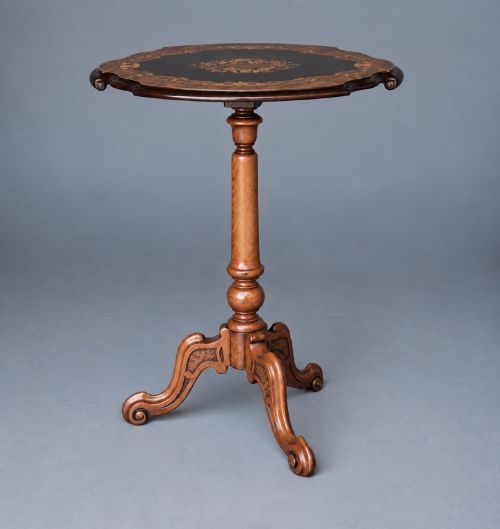
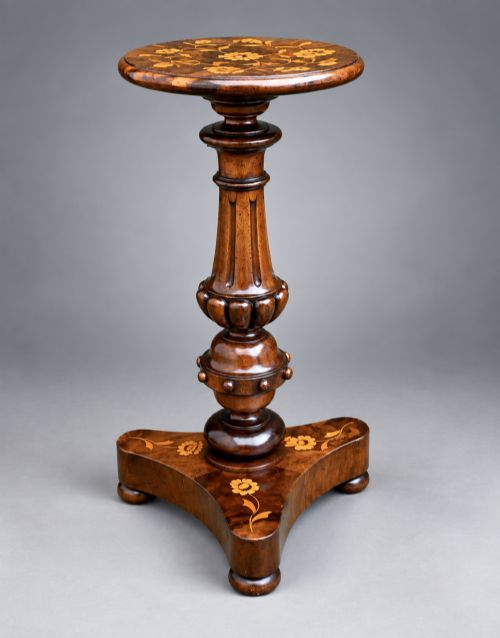
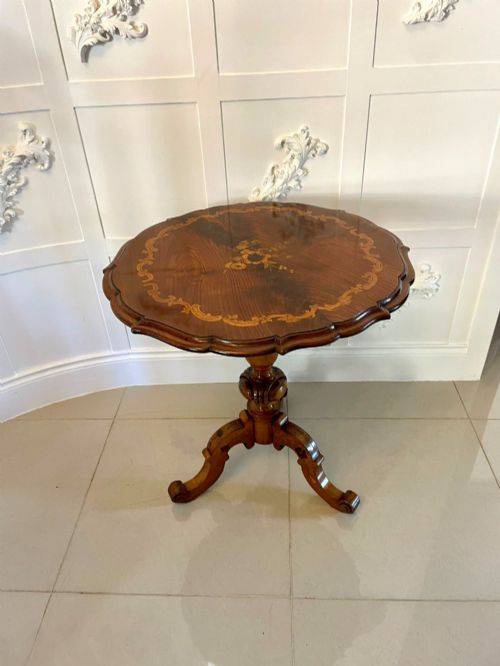
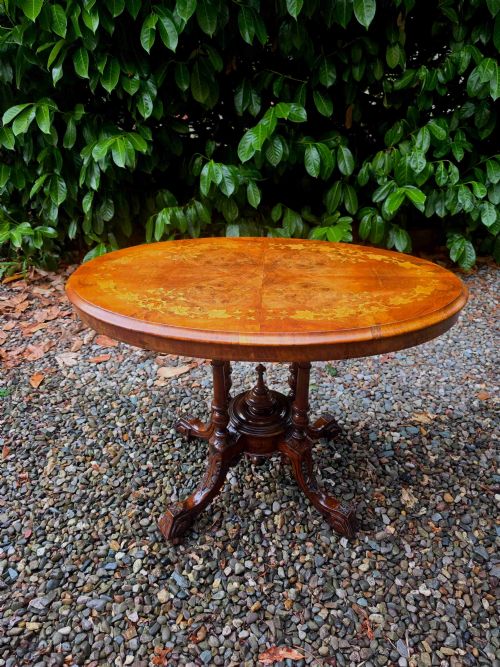
These floral marquetry wine table examples combine delicate botanical wood inlay with compact occasional surfaces, offering a refined piece for holding a glass or candle.
Floral Marquetry Wine Table
A floral marquetry wine table brings together fine botanical wood veneers and a compact occasional table form, designed for intimate spaces and displaying small decorative items. You will frequently encounter Victorian pieces alongside French Louis XVI style and Dutch marquetry designs on this page.
The construction spans several distinct forms including small lamp tables, pedestal occasional tables, flip-top tables, and candle stands. Walnut, burr walnut, and kingwood frequently serve as the primary timber foundations for the intricate floral patterns.
Origins stretch across English, French, and Italian workshops spanning the nineteenth century, with specific examples referencing George III influences and Aesthetic Period sensibilities. These occasional tables function effectively beside seating or as standalone centrepieces.
How They Were Made
Cabinet makers utilised marquetry veneer techniques, hand-cutting diverse fruitwoods and bone into complex floral and scroll motifs. These individual pieces of veneer were assembled like jigsaws before being applied to carcases of walnut, mahogany, or olive wood.
Structural supports often take the form of turned pedestals, tripod bases, or slender cabriole legs characteristic of French Rococo and Louis XV revival styles. Selected items incorporate brass or ormolu mounts to edge the tops and accent the legs.
Current listings feature nineteenth-century pieces spanning the Victorian era, Aesthetic Period, and various French revival styles.
What Varies in Quality
The sophistication of the veneer work dictates the standing of each piece, distinguishing simple geometric stringing from elaborate, multi-shaded floral displays. The precision in matching the grain of walnut and kingwood backgrounds directly affects visual depth.
Construction methods and timber selection separate standard production from superior workshops, visible in the stability of tripod bases and the crispness of bone or fruitwood inlays. The integration of bronze or ormolu mounts also signals higher manufacturing ambition.
The Floral Marquetry Wine Table Glossary
- Marquetry
- A decorative technique where small pieces of tinted or natural wood veneer are arranged to form pictorial or floral patterns on a wooden ground. This method requires steady hands and precise cutting to ensure tight joints between the various timbers.
- Burr Walnut
- Wood harvested from walnut tree growths that produces complex, swirling grain patterns highly valued for decorative table tops. It provides a rich background texture that contrasts with lighter fruitwood floral inlays.
- Gueridon
- A small occasional table, typically round and supported by a central pedestal or three legs, originating in seventeenth-century France. These pieces often feature elaborate marquetry tops suited for display.
- Ormolu
- Gilded bronze mounts and edgings applied to nineteenth-century furniture to highlight structural outlines. The metalwork adds metallic contrast to the surrounding timber veneers.
- Tilt Top Table
- A table mechanism featuring a hinged top that folds vertically when not in use to save space. This practical innovation allows the marquetry surface to double as a decorative wall panel.
Floral Marquetry Wine Table: Frequently Asked Questions
What is a floral marquetry wine table used for?
These pieces function primarily as occasional tables, serving as convenient surfaces for drinks, small lamps, or decorative ornaments.
Their compact footprints allow them to fit easily beside armchairs or in tight corners while adding significant decorative presence to a room.
How do I care for antique veneer?
Keep these tables away from direct sunlight and strong heat sources to prevent the wood veneers from drying out or lifting over time.
Dust gently with a soft cloth and avoid modern aerosol polishes that can degrade nineteenth-century finishes.
How do I distinguish French from Dutch styles?
French revival pieces frequently employ kingwood, mahogany, and restrained floral motifs alongside ormolu mounts.
Dutch examples often showcase busier, more exuberant floral marquetry covering the entire top and base surfaces in varied fruitwoods.
Are these tables sturdy enough for daily use?
Most tripod and pedestal forms handle light daily placement of cups or books quite comfortably.
However, delicate tilt-top mechanisms and intricate fruitwood veneers require gentle handling to preserve their historical condition.