





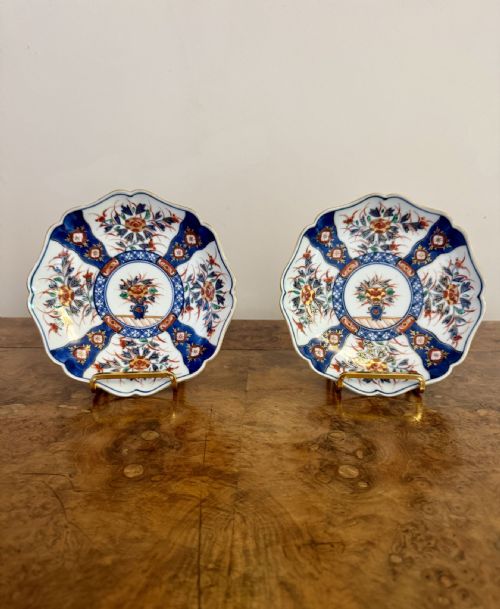
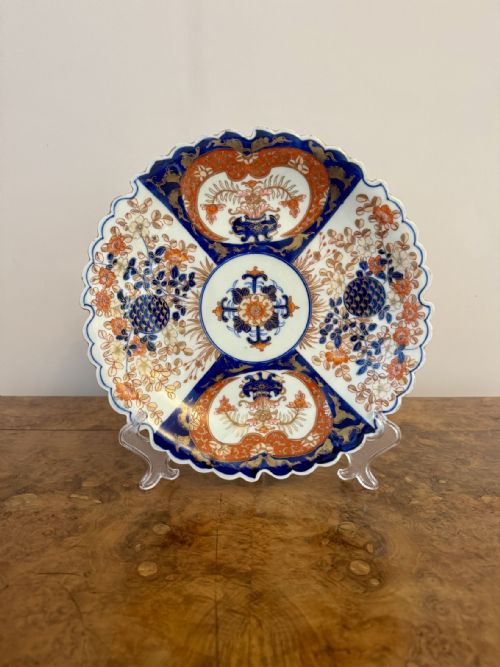
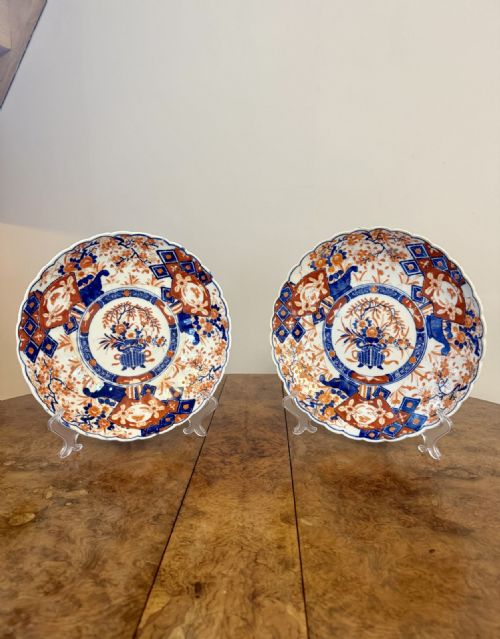
Floral Imari Charger Dish
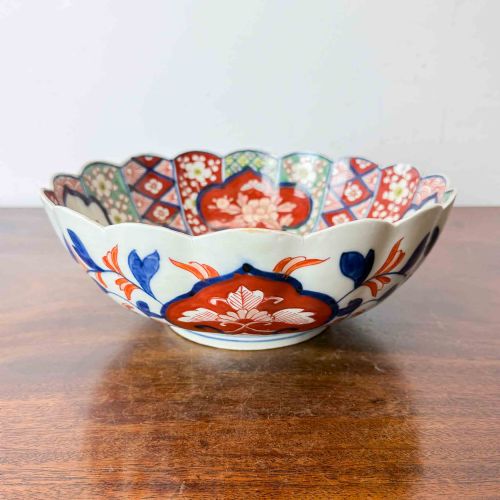
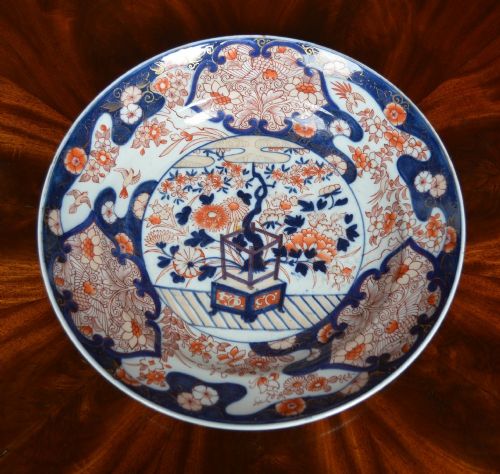
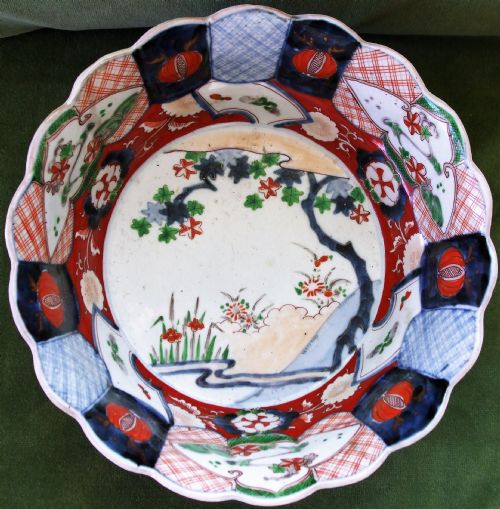
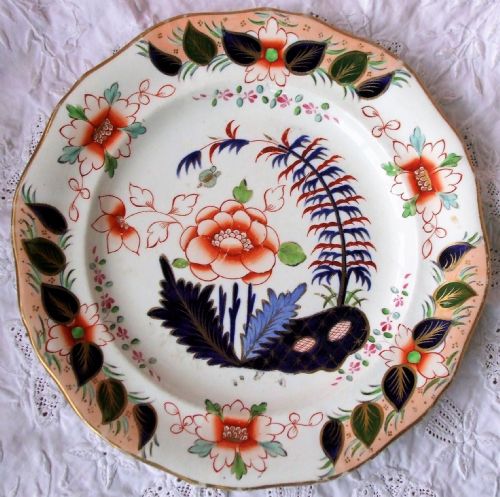
These floral imari charger dish selections bring substantial hand-painted porcelain to a room, offering rich blue and iron-red palettes from nineteenth-century Japanese and English makers.
Floral Imari Charger Dish
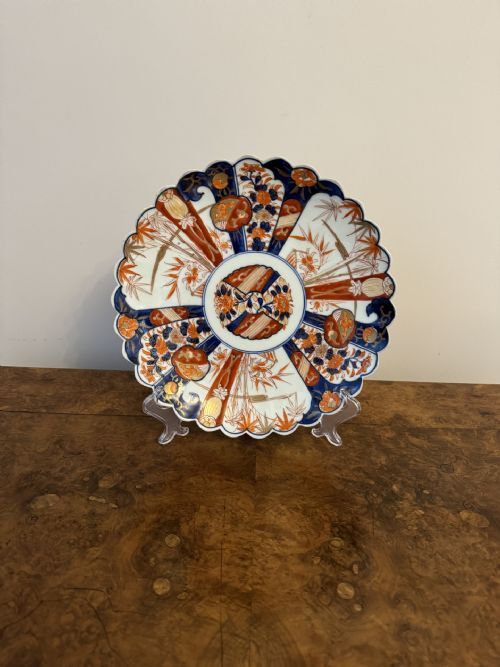
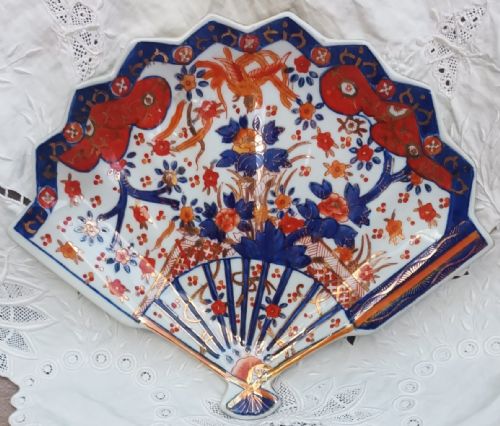
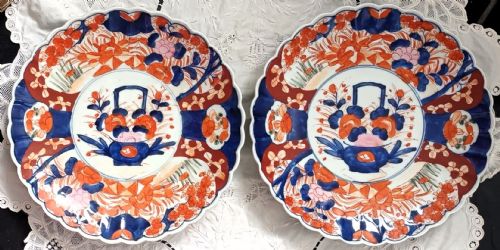
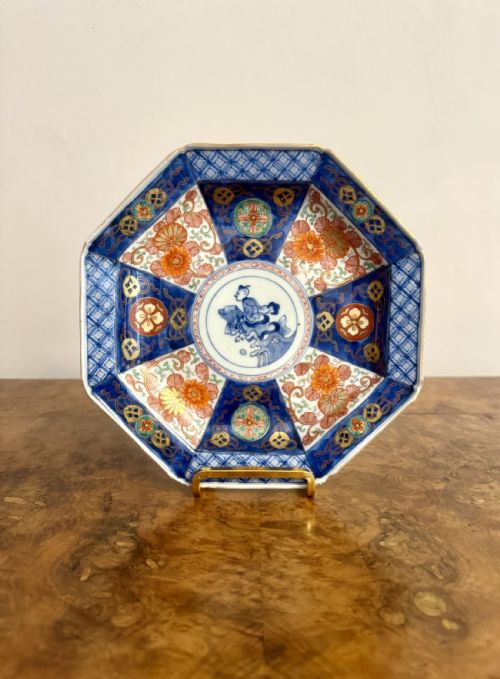
A floral imari charger dish brings large-scale decorative ceramics to a wall or table, originating predominantly from Japanese Meiji and Edo periods alongside nineteenth-century English interpretations. The pieces span wide chargers, scalloped plates, and expansive bowls decorated with traditional motifs.
Japanese Arita kilns and later nineteenth-century makers provide the bulk of these items, featuring characteristic blue and white elements accented with iron-red and gilt details. Collectors encounter various formats ranging from standard circular chargers to hexagonal plates and deep display dishes.
Materials and production methods
Potters utilised hard-paste porcelain and ceramic bodies finished with cobalt underglaze pigments. Artisans applied hand-painted cobalt blue designs directly to the unglazed clay before the initial firing.
Overglaze enamel colours and gold leaf accents or gilding were added during a secondary firing process. This layering created the dense, tactile surface patterns typical of the tradition.
Listings feature periods spanning from the eighteenth-century Qing dynasty and Edo period through Victorian times up to nineteen twenty.
Assessing quality in imari ceramics
Artistic execution on a floral imari charger dish distinguishes standard production items from superior examples. Precision in hand-painted floral and bird motifs demonstrates the skill of the decorator.
The vibrancy of the cobalt underglaze combined with well-preserved enamel and gold leaf application dictates desirability. Consistency in the porcelain body and crispness along scalloped edges also define the better tier.
John Davenport of Longport
The Floral Imari Charger Dish Glossary
- Imari
- A style of Japanese porcelain featuring a tripartite palette of underglaze cobalt blue, iron-red, and supplementary gilt highlights. The name derives from the port from which these wares were shipped to Europe.
- Charger
- A large decorative plate or dish intended primarily for display rather than for serving food at table. These pieces often measure twelve inches or more across.
- Meiji Period
- The era in Japanese history spanning from eighteen sixty-eight to nineteen twelve, noted for extensive export ceramics. Works from this time display intricate hand-painted detail.
- Cobalt Underglaze
- A blue pigment applied to pottery before glazing and firing, capable of withstanding extreme kiln temperatures. It yields a deep, permanent blue colour beneath a clear glaze layer.
- Arita
- The Japanese town and surrounding region in Hizen province famous as the cradle of Japanese porcelain production. Kilns here supplied significant quantities of export wares.
Floral Imari Charger Dish: Frequently Asked Questions
How were floral imari charger dishes used?
These large pieces served primarily as display items on sideboards, walls, or cabinet plate rails rather than dining vessels. Their size and vibrant palettes made them focal points in nineteenth-century interiors.
Today, collectors continue to exhibit them using wall hangers or plate stands to showcase the hand-painted details safely.
How do I date a Japanese imari charger?
Dating relies on examining the weight of the porcelain body, the depth of the cobalt underglaze, and the style of the overglaze enamels. Meiji period pieces often exhibit fine, dense brushwork and bright gilding.
Earlier Edo examples tend to show heavier potting and slightly softer blue tones, while later nineteenth and early twentieth-century pieces display standardised export traits.
What is the difference between imari and blue and white?
While both use cobalt underglaze on porcelain, imari incorporates a contrasting palette of iron-red enamel and gold leaf. Standard blue and white ceramics rely solely on shades of cobalt.
The addition of these warm secondary tones gives imari its characteristic richness and visual complexity.
Can I hang an antique charger on the wall?
Yes, many chargers feature substantial rims or were specifically produced for display purposes. Utilising a properly fitted, coated wire wall hanger distributes the weight evenly across the base.
Ensure the mounting is secure into a wall stud given the considerable weight of nineteenth-century porcelain.