



Floral Flatweave Kilim
These floral flatweave kilim pieces bring together traditional folk art motifs and flat-woven wool, offering collectors versatile textiles rich in regional character.
Floral Flatweave Kilim
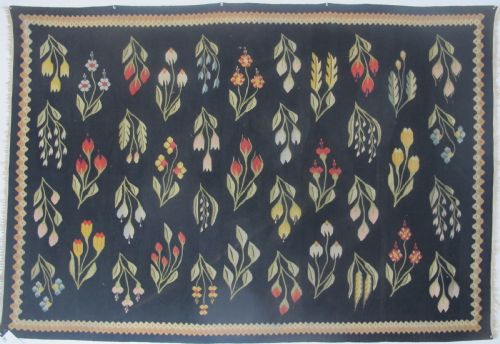
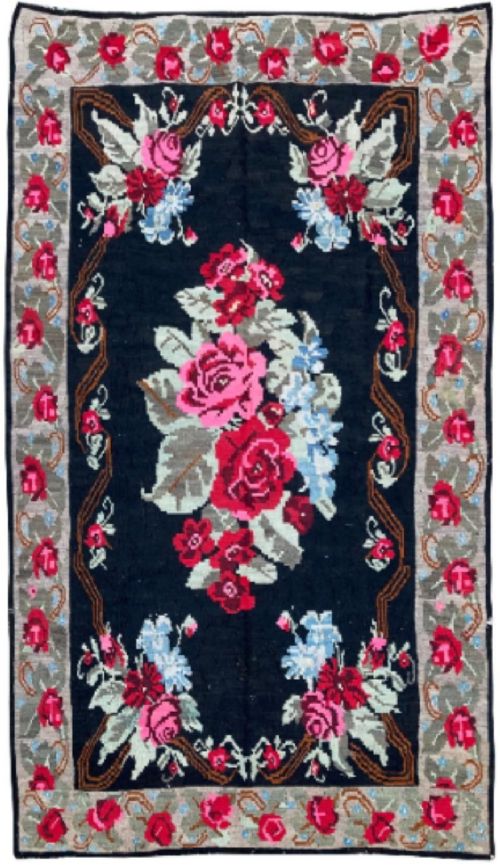
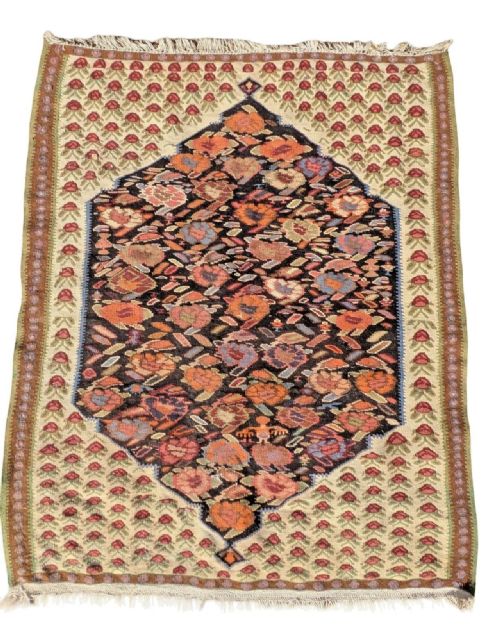
A floral flatweave kilim combines traditional flat-woven textile construction with botanical patterns, spanning regions from Eastern Europe to the Caucasus. Buyers searching for a floral flatweave kilim encounter rugs, carpets, and tapestries originating from traditions such as Bessarabian, Persian, and Balkan folk art.
The most common examples on this page are antique Bessarabian kilims, alongside pieces originating from Ukrainian, Moldovan, Caucasian, and Thracian workshops. These flatweaves serve primarily as decorative floor coverings and wall hangings, bringing distinct historical styles into modern interiors.
How They Were Made
These textiles rely on wool and cotton foundations, utilising flat-weaving techniques without a piled surface to achieve crisp, graphic botanical designs. Artisans weave warps and wefts together tightly to create durable tapestries and rugs that maintain flat profiles.
The construction methods reflect regional folk traditions, utilising natural dye palettes and hand-spun materials to render floral bouquets and traditional motifs across the surface.
Floral Flatweave Kilim Retail Price Guide 2026
Typical asking prices for floral flatweave kilim among the pieces listed under this phrase on Sellingantiques today, from the lower quarter to the upper quarter. They describe what is for sale here now, not the wider market.
Listings feature periods spanning from 1880 to 1930, utilising wool and cotton across Bessarabian, Caucasian, and Balkan folk art styles.
What Varies in Quality
Quality rests in the precision of the flat-weave structure and the artistic execution of the floral motifs across the textile. Finer examples display balanced proportions, tightly packed weft threads, and sophisticated colour blending within the traditional patterns.
The integrity of the wool and cotton materials dictates the longevity of each piece, distinguishing robust daily floor coverings from more delicate decorative tapestries.
The Floral Flatweave Kilim Glossary
- Kilim
- A flat-woven carpet or rug produced without a pile, created by tightly interweaving warp and weft strands. This technique results in a smooth, reversible textile with distinct geometric or floral patterns.
- Bessarabian
- A regional style originating from the historical region between the Black Sea and the Prut River, known for dark grounds and naturalistic floral bouquets. These kilims often reflect a blend of Eastern European and Ottoman design influences.
- Flatweave
- A textile construction method where no pile is knotted onto the foundation, yielding a lightweight and thin fabric. Such pieces function effectively as both floor rugs and wall-hanging tapestries.
- Caucasian
- Pertaining to textiles woven in the Caucasus region, bridging Europe and Asia with characteristic tribal and floral motifs. These pieces demonstrate distinct regional dyeing and weaving techniques.
Floral Flatweave Kilim: Frequently Asked Questions
How do I clean a kilim?
Maintenance requires gentle vacuuming without a beater bar and professional textile cleaning when necessary. Avoid excessive moisture to protect the wool fibres.
Keeping the textile out of direct sunlight preserves the natural dyes used in the floral patterns.
Can I put a kilim on the floor?
These flatweaves function well on floors, provided you use an appropriate underlay to prevent slipping and reduce wear. High-traffic areas require sturdier specimens to endure daily foot traffic.
Lighter tapestries benefit from wall mounting to minimise physical friction.
How do I date a kilim?
Dating relies on examining the wool consistency, dye palettes, and structural characteristics typical of periods from the late nineteenth century into the early twentieth century. Regional weaving traits provide further clues to age.
Comparing structural motifs with documented examples helps establish the manufacturing timeframe.
What is the difference between a rug and a tapestry?
While both share flat-weave construction methods, rugs are engineered primarily for floor use with denser foundations. Tapestries are typically lighter and designed specifically for vertical wall display.
Weight and backing structure often distinguish the intended placement of each textile.