




Floral Crest Wall Mirror
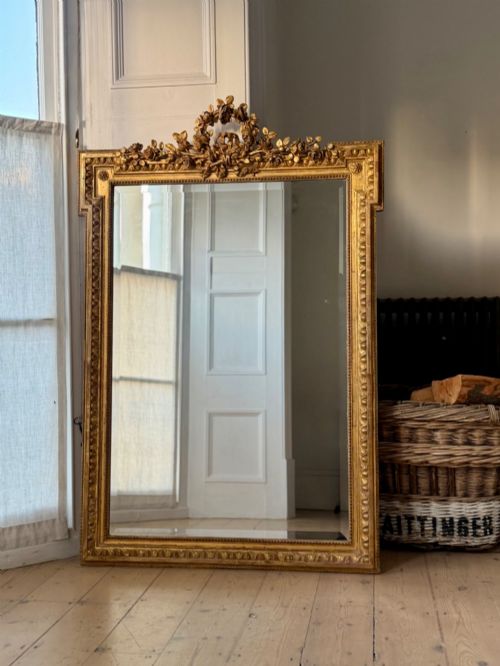
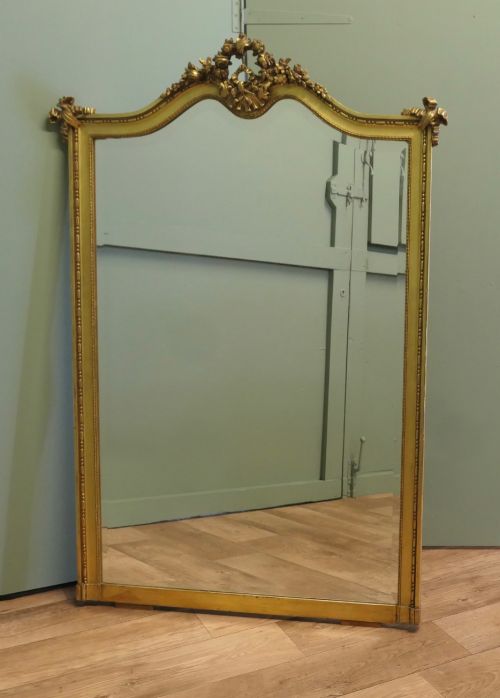
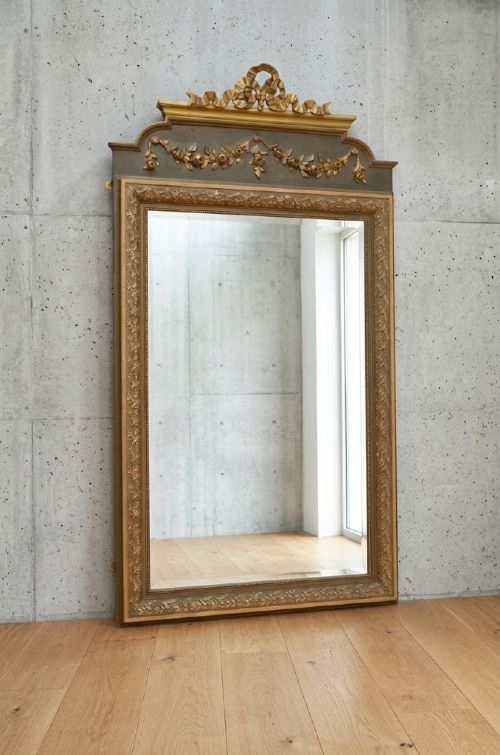
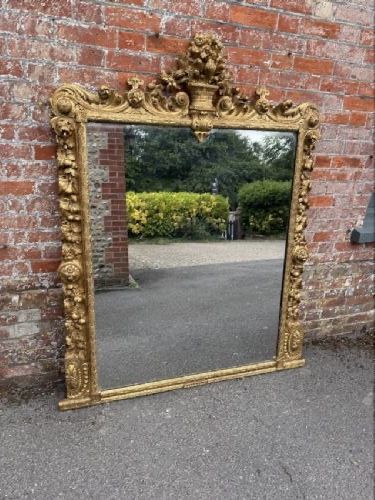
A floral crest wall mirror brings architectural weight and botanical grace to a room, framing light with carved ribbons, leaves, and crests.
Floral Crest Wall Mirror
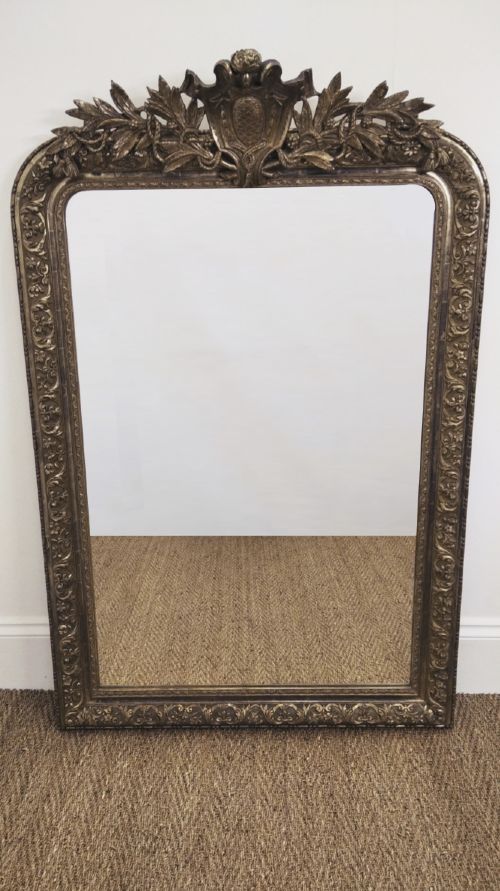
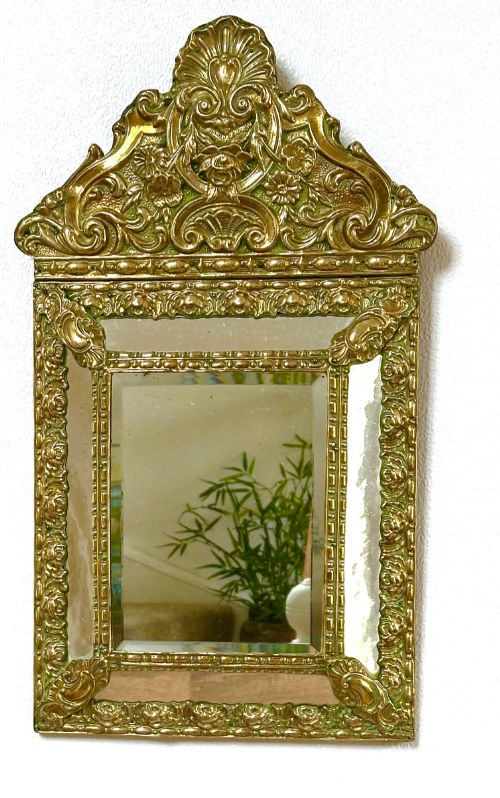
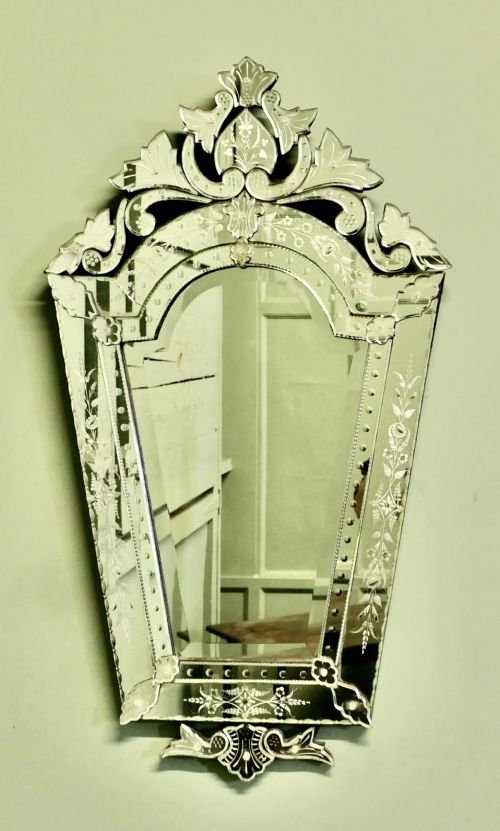
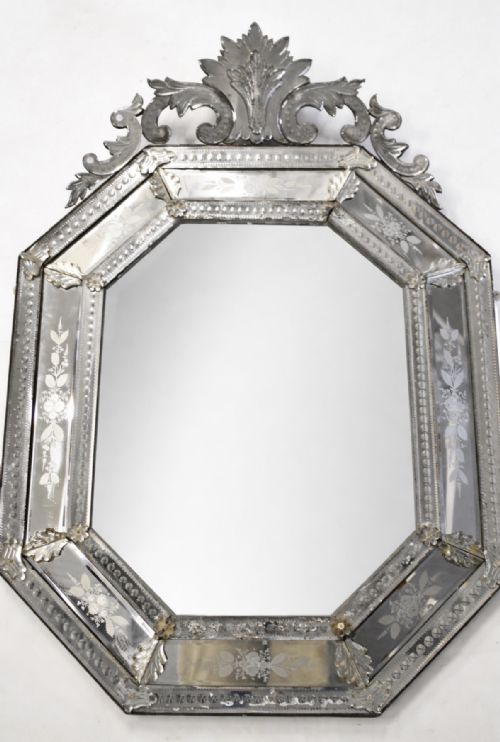
A floral crest wall mirror is a decorative looking glass featuring carved or moulded foliage, flowers, and ribbons at its apex. You will frequently encounter nineteenth-century giltwood examples and Venetian cushion mirrors on this page, alongside eighteenth-century overmantels and walnut pier mirrors.
The selection ranges from compact painted ovals to large wall-hanging and overmantel formats. Styles span from French Rococo and Neoclassical revival to Art Deco and Venetian designs, reflecting centuries of European mirror-making traditions.
How they were made
Carved wood, gesso, and giltwood form the primary structural and decorative foundation for these mirrors. Artisans carved intricate floral motifs, ribbons, and crests directly into timber or built up relief details in gesso before applying gold leaf or paint.
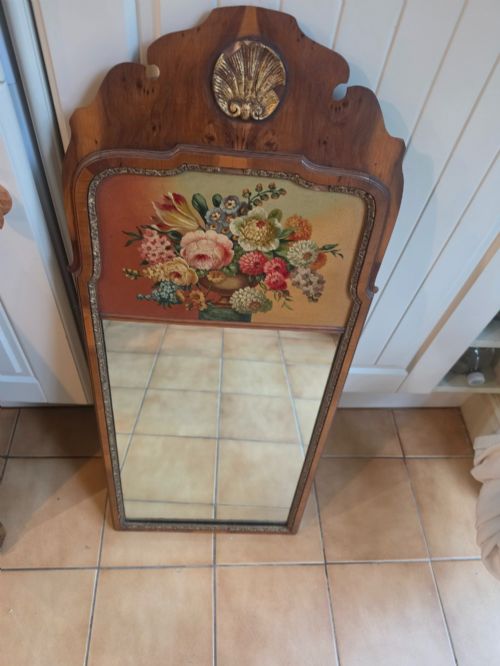
Mirrored glass plates are set within frames of walnut, painted wood, or silvered finishes. Construction methods combine traditional joinery with hand-carved detailing, occasionally incorporating bevelled plates and hand-painted foliate panels.
Floral Crest Wall Mirror Retail Price Guide 2026
Typical asking prices for floral crest wall mirror among the pieces listed under this phrase on Sellingantiques today, from the lower quarter to the upper quarter. They describe what is for sale here now, not the wider market.
Listings span from the 18th century to the 1950s, incorporating materials such as walnut, gesso, mirrored glass, and painted wood.
What varies in quality
The depth and crispness of the carved foliage distinguish the finest examples from simpler production. Superior pieces show meticulous hand-tooling in the gesso and wood, where ribbons and floral crests retain sharp, distinct contours rather than softened edges.
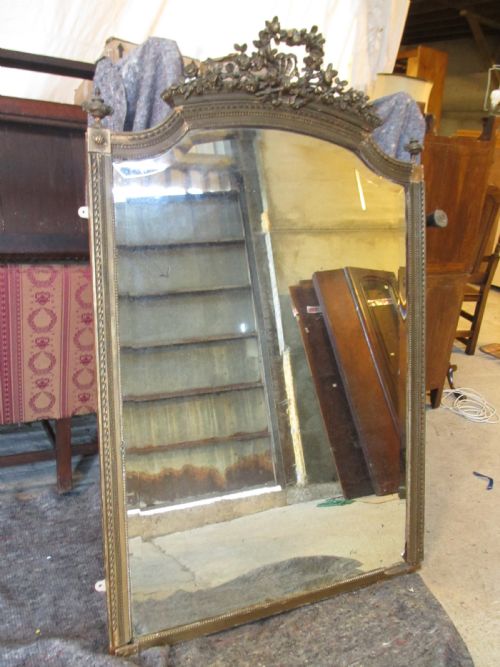
The integrity of the gilding and the character of the glass plate also separate tiers of quality. Original silvering, hand-painted panels, and well-preserved giltwood surfaces demonstrate superior craftsmanship compared to later regilding or replacement plates.
The Floral Crest Wall Mirror Glossary
- Giltwood
- Wood carved and coated with gold leaf. This finish defines many formal mirrors from the eighteenth and nineteenth centuries.
- Gesso
- A plaster-like mixture applied to wood frames and carved into relief ornament. It provides the smooth base for gilding and paint.
- Overmantel mirror
- A large horizontal looking glass designed to hang above a fireplace mantel. These pieces often anchor the proportions of a reception room.
- Pier mirror
- A tall, narrow mirror designed to hang on the wall space between windows. They frequently feature painted or walnut surfaces.
- Cushion mirror
- A frame with outward-sloping edges that angle towards the central glass plate. Venetian examples often utilise this volumetric form.
Floral Crest Wall Mirror: Frequently Asked Questions
How do I hang a heavy antique mirror?
Heavy wall mirrors require secure fixings into structural wall studs or solid masonry using appropriate brackets. Professional installation is advisable for large overmantel formats to ensure the weight is properly distributed.
Most antique frames include original hanging loops or chains, but these should be inspected and supplemented with modern load-bearing hardware for safety.
What is foxing on a mirror?
Foxing refers to the small brown spots and patches that develop on antique mirror plates as the silver backing oxidises over time. This natural ageing process creates a characteristic mottled appearance.
Many collectors prize foxing as a mark of authenticity that distinguishes genuine historic glass from modern reproductions.
How do I clean an antique gilt frame?
Giltwood and gesso frames require gentle dusting with a soft, dry brush to remove surface particles. Moisture and chemical cleaners can strip delicate gold leaf and historic finishes.
Professional conservators should handle any deep cleaning or repairs to damaged carved elements to preserve the integrity of the surface.
How do I distinguish eighteenth-century styles?
Eighteenth-century mirrors often display asymmetrical Rococo curves, floral swags, and rich walnut or giltwood surfaces. Examining the construction joints and backboards helps confirm the period.
Later revival pieces from the Victorian era and the twentieth century frequently emulate these earlier forms using modified manufacturing techniques.