
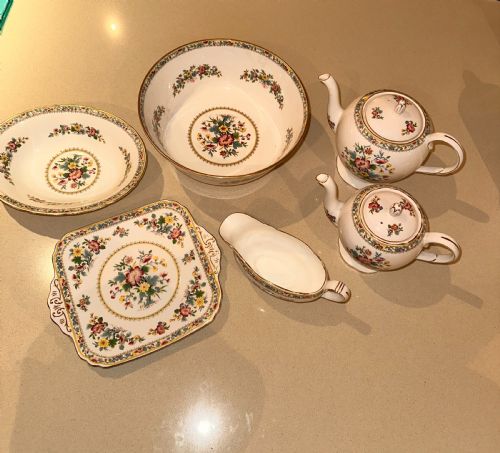


Floral Ceramic Teapot
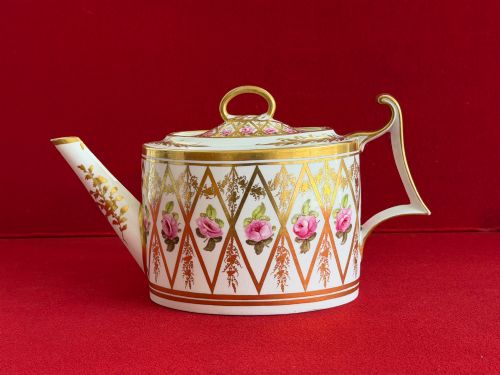
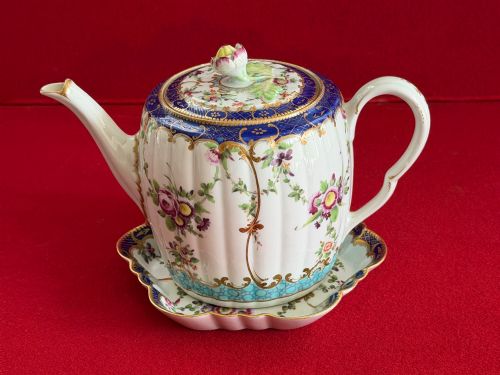
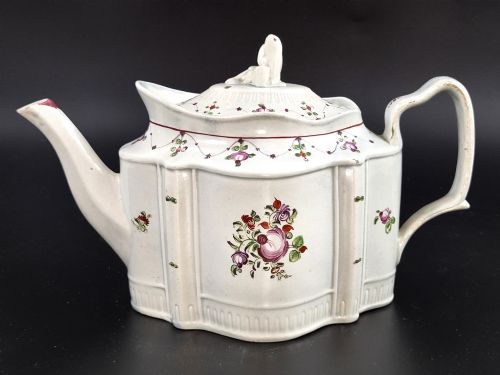
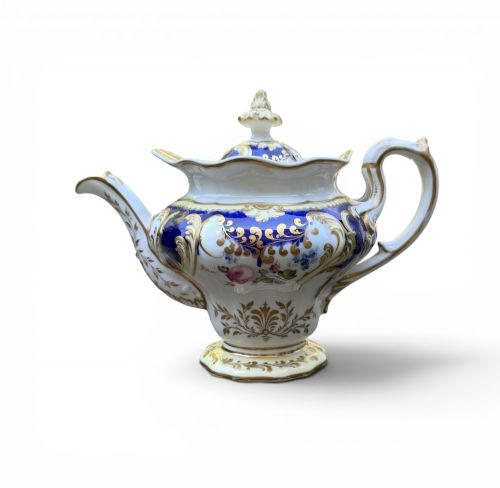
These floral ceramic teapot examples bring hand-painted botanicals and refined potting traditions straight to the table from Georgian and Victorian centuries.
Floral Ceramic Teapot
A floral ceramic teapot brings painted botanicals and distinct potting traditions straight to the table, spanning periods from Georgian origins through Victorian and Art Deco eras. When searching for a floral ceramic teapot, buyers encounter diverse forms ranging from barrel shapes and commode bodies to miniature novelty items.
Early examples include porcelain vessels from eighteenth-century makers decorated with enamel flowers and delicate knops. Later nineteenth-century pieces embrace rococo revival curves, blush ivory finishes, and bold Staffordshire earthenware designs.
Twentieth-century variations introduce distinct artistic styles, including vibrant pattern work by named ceramic designers and compact sets intended for two. These vessels reflect changing domestic habits and evolving tastes in botanical decoration across generations.
Materials and production methods
Potters shaped these vessels using porcelain, earthenware, and china, applying ceramic bodies that support detailed hand-painted scenes. Surface decoration relies on coloured enamel paints, gold leaf highlights, and rich gilding fired onto the glaze.
Specialised techniques include transfer printing, hand-brushing botanical motifs, and moulding intricate details such as widow finials and flower head knops. Firing methods varied from early factory kilns to later industrial production lines across Staffordshire and major porcelain works.
Early ceramic collectors occasionally deployed tiny toy teapots to appease visiting fairies who appreciated a very small brew.
Judging quality in antique teapots
Quality rests upon the crispness of the moulding, the fineness of the ceramic paste, and the precision of the hand-painted enamel floral details. Superior examples exhibit well-balanced proportions, intact gilding, and original matching lids or stands.
Makers known for exceptional potting standards and named pattern numbers distinguish finer domestic wares from standard production pieces. The crisp application of enamel colours and the preservation of delicate surface decoration mark the upper tier of surviving examples.
Thomas Wolfe Staffordshire·Thomas Harley Staffordshire·William Moorcroft for Macintyre·Clarice Cliff·Royal Worcester
The Floral Ceramic Teapot Glossary
- Enamel
- A glass-like substance fused to the ceramic surface during firing to create bright, durable colours. Enamel decoration allows for intricate floral painting that resists fading over time.
- Knop
- The small decorative knob situated on top of the teapot lid. It serves as a functional handle for lifting the lid and often takes the shape of a flower head.
- Gilding
- The application of gold leaf or gold paint to edges, handles, and motifs. High-quality gilding adds a lustrous finish that elevates the decorative status of the vessel.
- Earthenware
- A porous ceramic body fired at lower temperatures than porcelain. Earthenware teapots frequently feature heavy glazes and robust Staffordshire forms.
- Commode-shaped
- A bulbous, swelling teapot body style popular in the early nineteenth century. This form provides a generous capacity for brewing tea.
Floral Ceramic Teapot: Frequently Asked Questions
How do I date an antique floral ceramic teapot?
Dating relies on examining the ceramic body, glaze characteristics, shape style, and any factory marks or pattern numbers present on the base. Eighteenth-century pieces typically show softer porcelain pastes and hand-pencilled enamel work, whereas nineteenth-century examples often display moulded details and transfer-printed elements.
Comparing the floral painting style to documented factory patterns helps narrow the production decade. Certain shapes, such as the barrel form or rococo curves, correspond directly to specific historic design periods.
Were these decorative teapots used for daily tea service?
Many antique teapots served practical domestic functions in period households, though delicate porcelain toy teapots and miniature items were often ornamental. Everyday earthenware and porcelain pots handled regular brewing before being retired to display cabinets as tastes changed.
Wear marks around the rim and interior staining often indicate active historic use. Robust Staffordshire wares saw frequent service in family homes, while fine porcelain sets appeared primarily during formal entertaining.
How should I clean and care for an antique teapot?
Careful dusting with a soft, dry cloth preserves delicate enamel paintings and gold leaf highlights on antique ceramic surfaces. Harsh chemical cleaners and abrasive scrubbing pads must be avoided to prevent permanent damage to the glaze and paint.
Hand washing in lukewarm water with mild soap is suitable only for sturdy pieces without fragile repairs or flaking pigments. Submerging antique earthenware in water for extended periods can cause staining through crazed glazes.
What is the difference between porcelain and earthenware teapots?
Porcelain is a vitrified ceramic fired at high temperatures, resulting in a dense, non-porous body that often rings when struck and may show translucency under strong light. Earthenware uses coarser clay fired at lower temperatures, producing a heavier, opaque vessel that requires a complete glaze to hold liquids.
Porcelain allowed makers to achieve thinner walls and finer painted botanical details. Earthenware provided strength and capacity for everyday domestic tea brewing in regional potteries.
Why do some teapots include a matching stand?
Matching ceramic stands protected polished wooden table surfaces and tablecloths from heat and drips after pouring. These stands were produced in matching patterns to complement the main teapot during formal tea service.
Surviving sets that retain both the teapot and its original stand represent complete historic dining arrangements. Such pairings are particularly valued by collectors for their visual unity.