


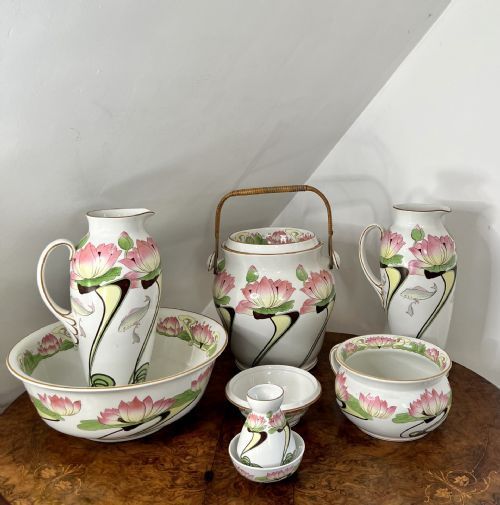


Floral Ceramic Basin
These floral ceramic basin examples range from Victorian wash sets to Imari bowls, offering practical utility and painted botanical artistry for the home.
Floral Ceramic Basin
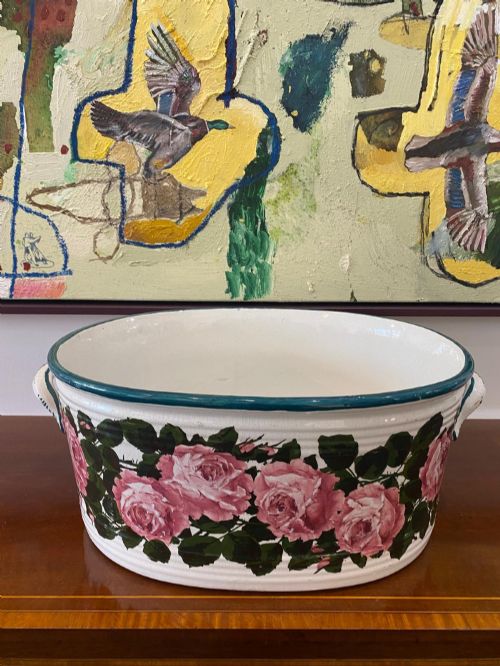
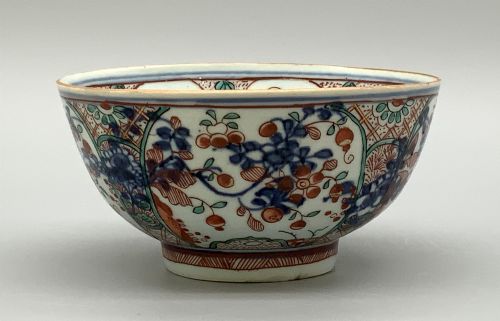
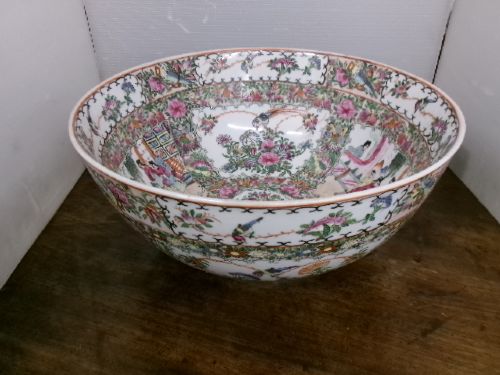
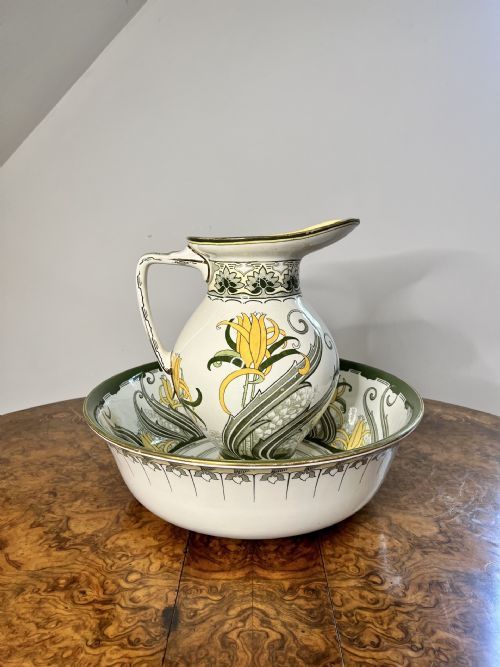
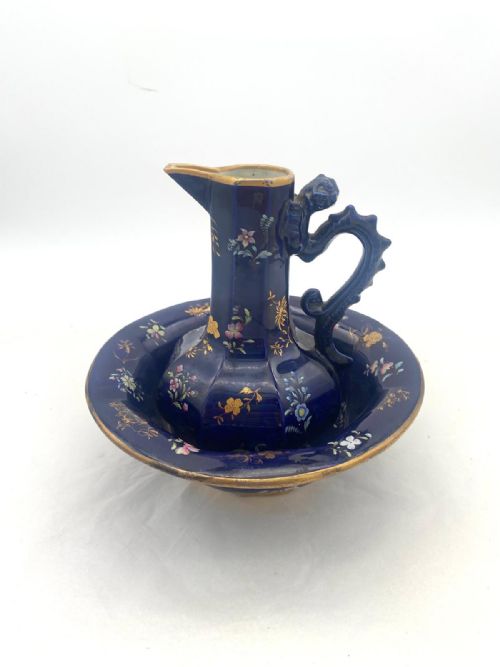
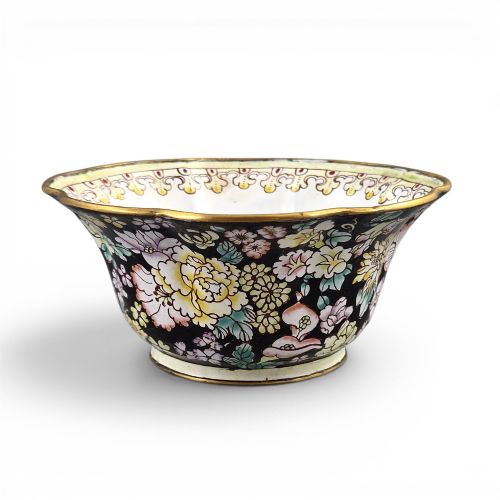
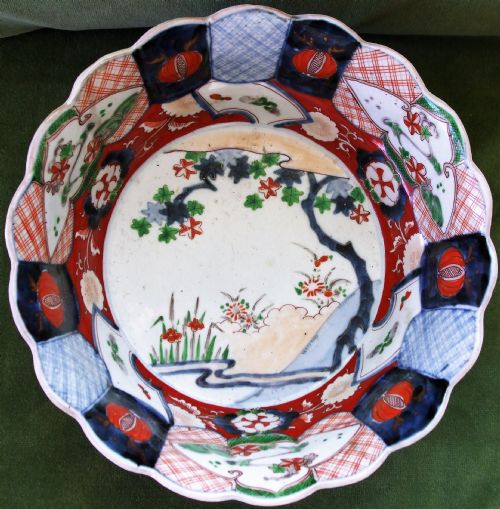
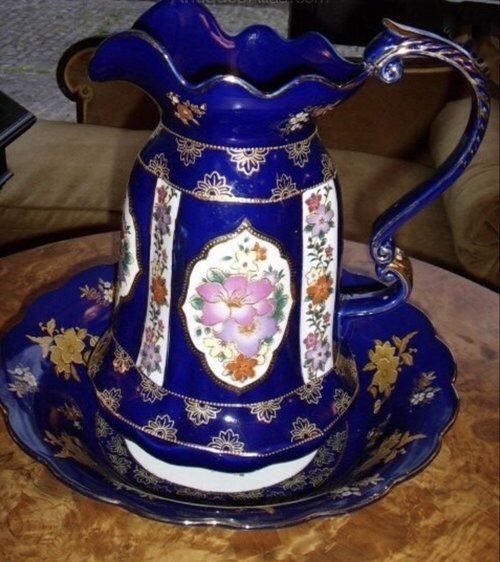
A floral ceramic basin encompasses functional wash sets, footbaths, jardiniere vessels and large decorative bowls originating across the eighteenth, nineteenth and early twentieth centuries. Buyers seeking a floral ceramic basin encounter full washstand suites comprising jugs and basins, alongside standalone decorative porcelain and earthenware pieces.
The selection spans domestic Victorian and Edwardian bathroom wares alongside imported Japanese Imari and Satsuma porcelain, together with Chinese export items. Many examples combine floral motifs with cobalt blue glazes, hand-painted enamels or transfer-printed patterns upon earthenware and porcelain bodies.
How They Were Made
Potters shaped these objects from earthenware, ironstone and porcelain, applying rich glazes and metallic finishes such as gold leaf and gilt detailing. Many vessels incorporate hand-painted pigments over or under the glaze, while others utilise transfer printing to replicate intricate botanical designs.
Firing techniques varied from high-temperature porcelain kilns in East Asia to British industrial pottery ovens in Staffordshire and Worcester. Artisans utilised cobalt blue pigments, enamel-on-copper methods and specialised slipware applications like spongeware to build durable, decorated ceramic surfaces.
Some nineteenth-century footbaths were generously proportioned so tired Victorians could soak their feet in floral luxury.
What Varies In Quality
The standard of a floral ceramic basin depends upon the crispness of the hand-painted brushwork or the precision of the transfer-printed floral outlines across the ceramic body. Superior examples display careful detailing in polychrome enamels, cobalt pigments and gilding, whereas simpler utility wares rely on straightforward transfer patterns.
Maker attribution and period integrity also dictate standing within the range, with signed studio pieces and factory-marked works from recognised potteries commanding greater distinction. The weight, symmetry and glaze consistency of the earthenware or porcelain further separate everyday utilitarian items from exhibition-grade vessels.
Wemyss·Mann And Co·Spode·Ridgway·Ryuzan·Nikko·Royal Worcester·Samson·Mark Jones And Sons
The Floral Ceramic Basin Glossary
- Earthenware
- Porous pottery fired at lower temperatures, typically glazed to ensure it holds water for wash sets and basins. This material forms the body of many traditional domestic ceramic vessels.
- Imari
- A style of Japanese porcelain featuring characteristic underglaze blue and iron red, frequently enriched with gold and floral panels. It gained immense popularity in European decorative arts during successive centuries.
- Jardiniere
- An ornamental ceramic pot or bowl designed to hold plants or flowers rather than serve at a washstand. These pieces often feature prominent floral or landscape decoration.
- Spongeware
- Pottery decorated by dabbing pigment onto the clay body using a sponge to create mottled or stippled patterns. This technique produced robust, patterned domestic wares.
Floral Ceramic Basin: Frequently Asked Questions
How were wash sets used?
Wash sets provided the primary means of personal hygiene in bedrooms before the widespread installation of indoor plumbing and running water. A large basin held the water while a matching jug served to pour it.
Users also utilised smaller accessory vessels within the set for soap and sponges, keeping daily washing facilities self-contained within the washstand furniture.
What distinguishes Satsuma ware?
Satsuma ceramics feature a distinctive ivory-coloured, crackled earthenware glaze that provides a pale canvas for elaborate hand-painted decoration. Artisans typically applied dense floral motifs, often heightened with raised gold enamel.
Originating in Japan, these decorative bowls and vessels were frequently signed by individual artists or studio workshops on the base.
Can these basins hold water?
Most antique basins and footbaths remain structurally capable of holding water, though modern daily use requires careful handling to preserve delicate glazes and gilding. Hairline cracks or historical repairs can compromise watertight integrity over time.
Collectors generally inspect the interior glaze and base thoroughly before utilising historical ceramic vessels for practical liquid containment.
How do I date a ceramic piece?
Dating relies upon examining factory backstamps, impressed marks, and the specific chemical composition of the ceramic body or glaze. Stylistic indicators like Art Nouveau curves or Victorian colour palettes also narrow down the period of manufacture.
Comparing pattern numbers and registry marks against historical factory records provides a precise window of production for marked British and European wares.