


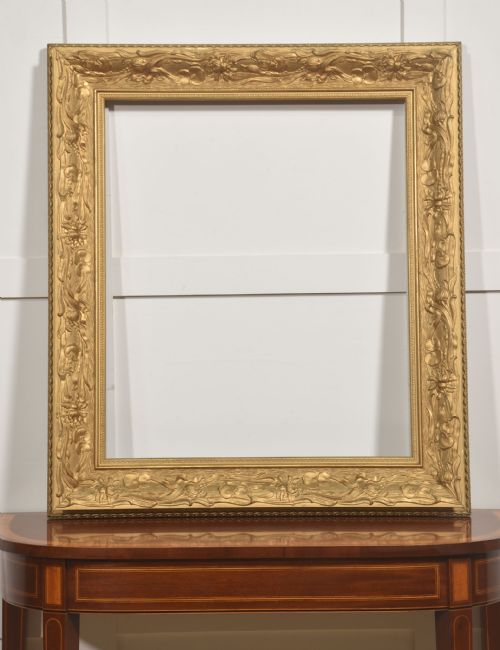


Floral Carved Gilt Mirror
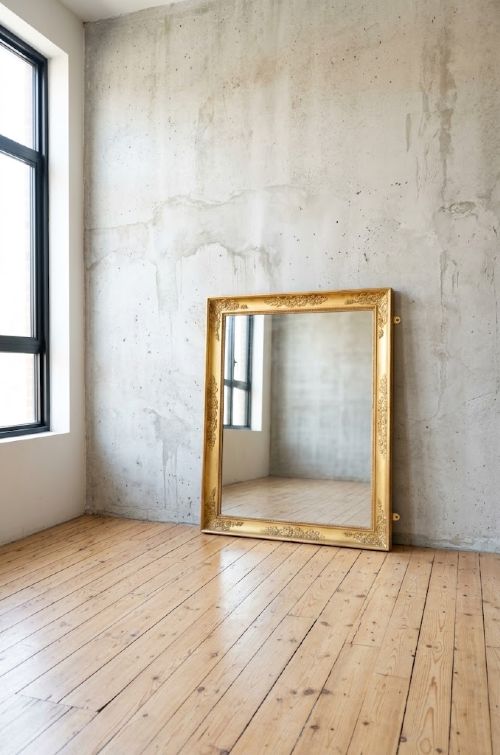
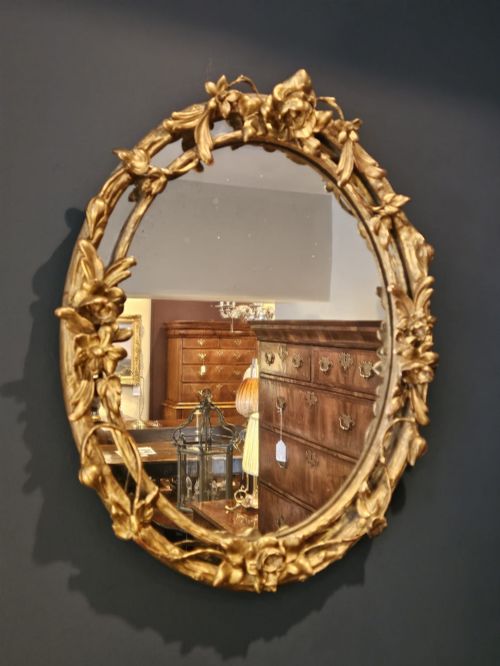
A floral carved gilt mirror brings warmth and reflective light to a room through intricately carved botanical motifs and gleaming metallic surfaces.
Floral Carved Gilt Mirror
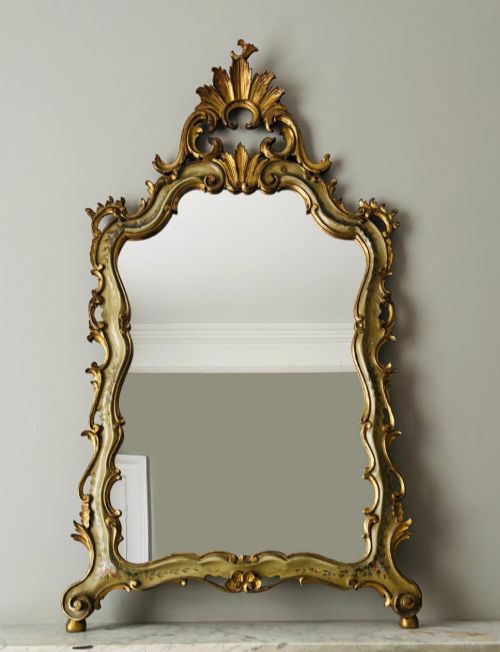
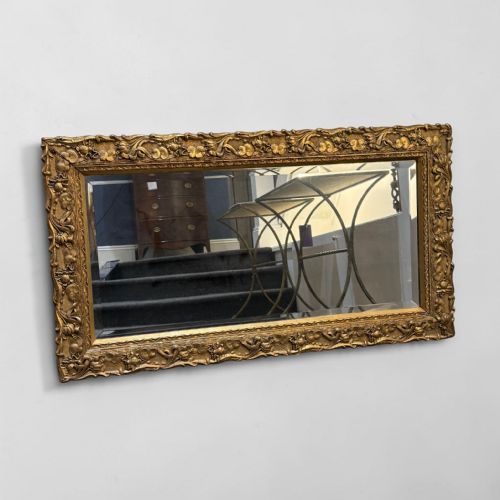
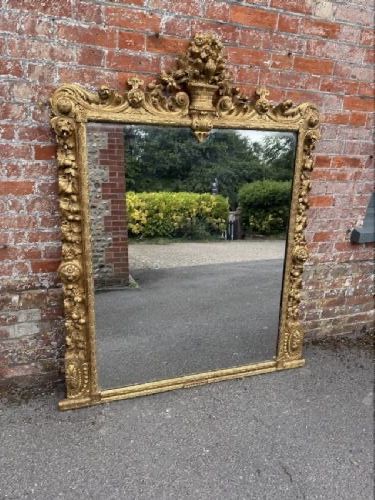
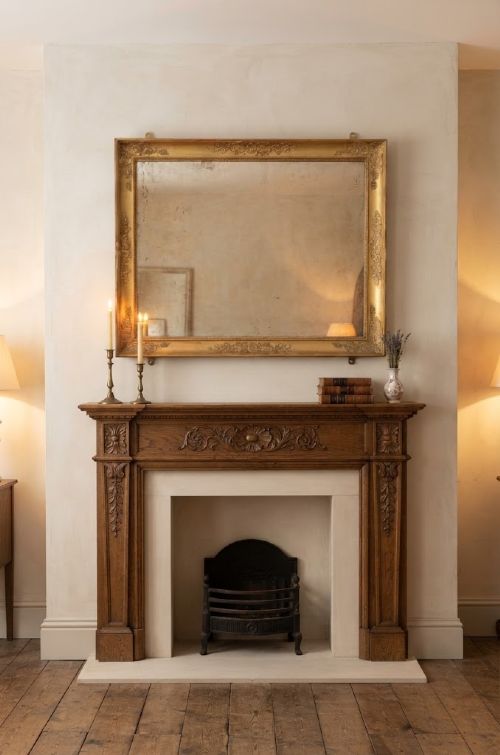
When you search for a floral carved gilt mirror, you encounter pieces that function as both functional looking glasses and decorative wall art. These objects span periods from the eighteenth century through the Edwardian era, taking the form of wall mirrors, overmantel mirrors, and trumeau mirrors.
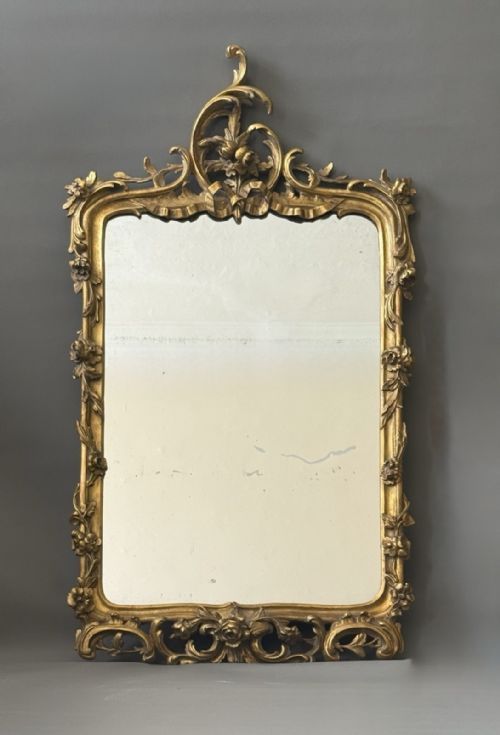
The version you are most likely to meet on this page is a nineteenth-century or Victorian example featuring carved wooden frames adorned with floral details. Pieces originating from French and Italian workshops appear alongside English designs, incorporating styles such as French Rococo, Art Nouveau, and Belle Époque.
How they were made
Artisans built the structural frames using timber such as walnut, mahogany, and general wood, applying layers of gesso to create smooth surfaces for detailed carving. Carvers shaped floral and foliate motifs directly into the wood or moulded them in gesso relief.
Makers applied gold leaf or paint over the prepared surfaces to achieve the characteristic metallic lustre. Many examples retain antique glass plates, while others feature replacement mirror glass or hand-painted foliate panels.
Materials recorded across the inventory include giltwood, gesso, gold leaf, walnut, mahogany, and painted wood.
What varies in quality
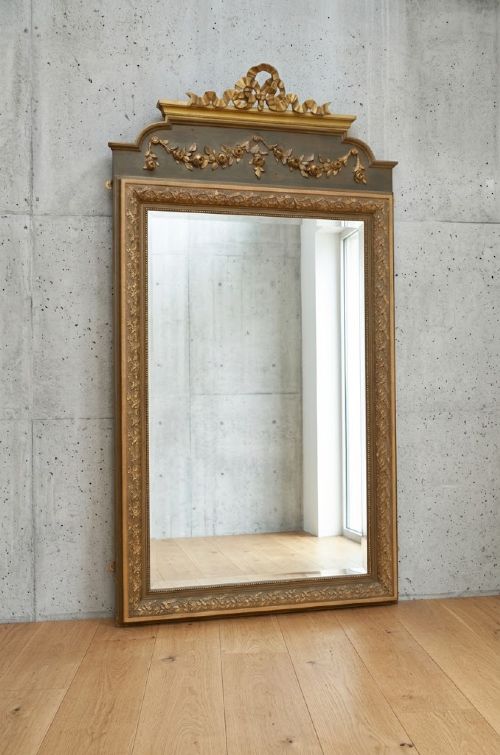
The depth and crispness of the carving separate standard frames from finer works, particularly where delicate elements like ribbon crests or rose vines retain their original definition. Hand-tooled gesso and meticulous application of gold leaf indicate superior craftsmanship compared to simpler moulded decoration.
The preservation of the original glass plate and the harmony between the painted or gilded surfaces and the underlying wood structure dictate the overall integrity of the piece.
The Floral Carved Gilt Mirror Glossary
- Giltwood
- Wood that has been coated with gold leaf or gold paint. This technique provides a luminous metallic finish that catches the ambient light in a room.
- Gesso
- A plaster-like mixture applied to wood frames to create a smooth surface for carving and gilding. Artisans could model this material into elaborate relief decorations before applying gold leaf.
- Overmantel Mirror
- A large mirror designed to hang specifically above a fireplace mantel. These pieces often feature extended horizontal proportions to complement the fireplace surround.
- Trumeau Mirror
- A decorative wall mirror incorporating a painted or carved panel above the glass plate. Originating in French interior design, these pieces often feature mythological or floral subjects.
- Pier Glass
- A tall, narrow mirror designed to hang on the wall space between two windows. They frequently feature decorative frames that match the vertical architectural proportions.
Floral Carved Gilt Mirror: Frequently Asked Questions
How do I clean a gilt mirror?
Dust the carved frame gently with a soft, dry brush to prevent damage to the delicate gold leaf or gesso surface. Avoid chemical cleaning products that might strip the historic finish.
Clean the glass plate using a mild glass cleaner applied to a cloth rather than sprayed directly onto the glass, ensuring liquid does not seep behind the frame edge.
Where should I hang an overmantel mirror?
Hang an overmantel mirror securely above a fireplace mantel to anchor the room's focal point and reflect natural light across the space. Ensure the wall fixings match the substantial weight of the timber and gesso frame.
Consider the ceiling height and surrounding furniture proportions to balance the visual weight of the mirror within the interior.
What is the difference between Victorian and Edwardian mirrors?
Victorian mirrors often display heavier, highly ornate carving with deep relief work and elaborate floral or mythological motifs. These pieces reflect the eclectic revival styles popular during the nineteenth century.
Edwardian examples tend towards lighter, more restrained designs influenced by Art Nouveau or earlier revival aesthetics, featuring flowing lines and delicate botanical details.
Are antique mirror plates always original?
Many antique mirrors retain their original glass plates, which often exhibit subtle foxing, minor spots, and distortion characteristic of older manufacturing methods. These traits contribute to the historical character of the object.
Some pieces have received new glass over time to improve reflectivity, which alters the original composition while maintaining the decorative appeal of the frame.