
Floral Canvas Wall Art
Floral canvas wall art brings centuries of painted blooms into modern rooms, uniting classical still lifes with mid-century expression.
Floral Canvas Wall Art
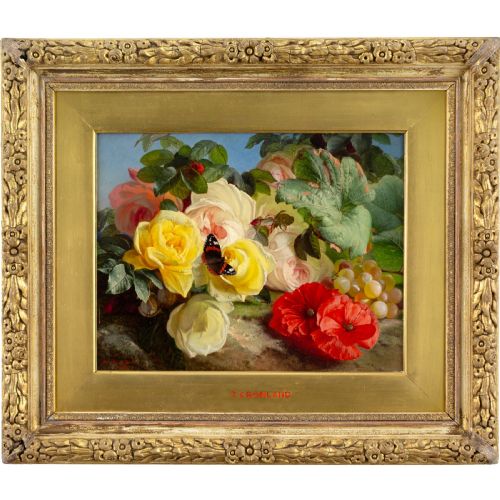
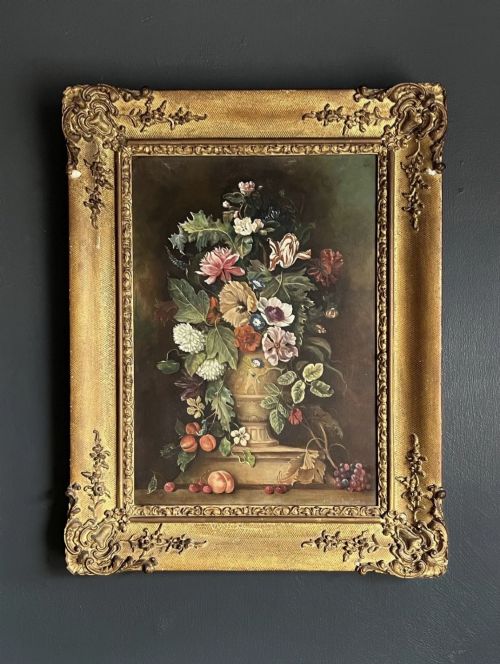
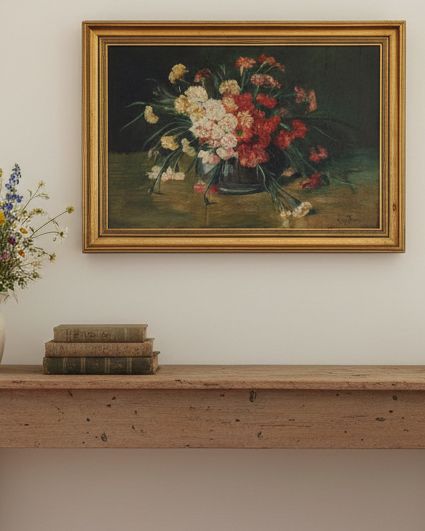
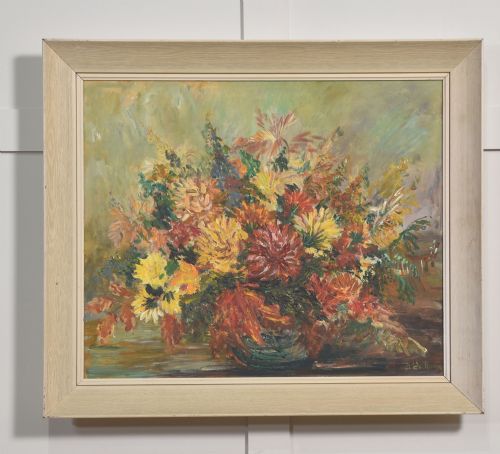
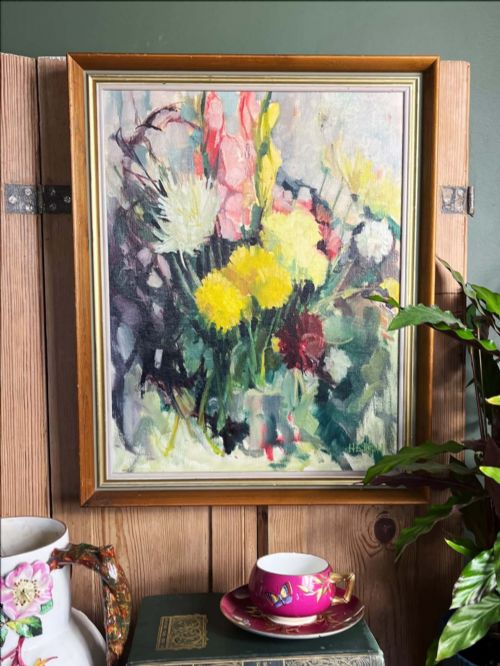
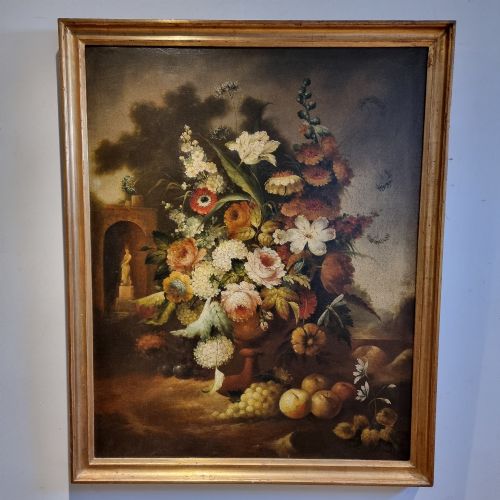
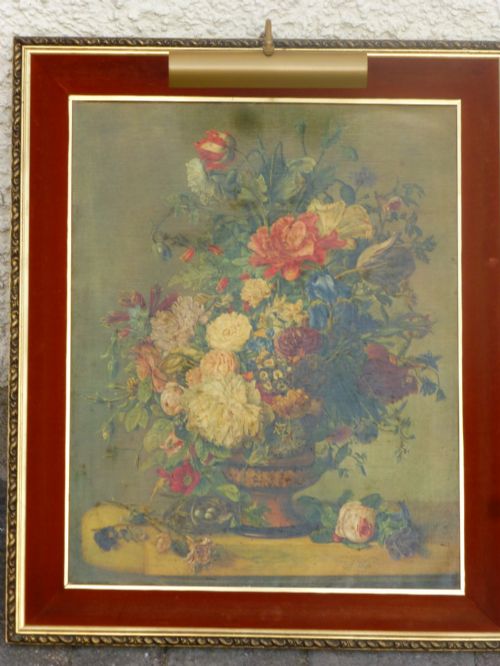
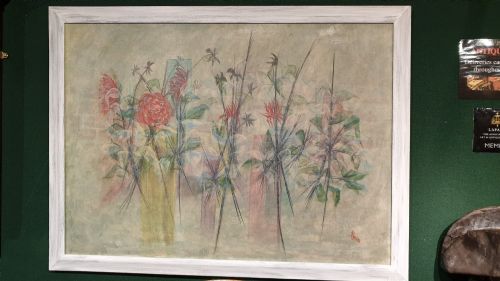
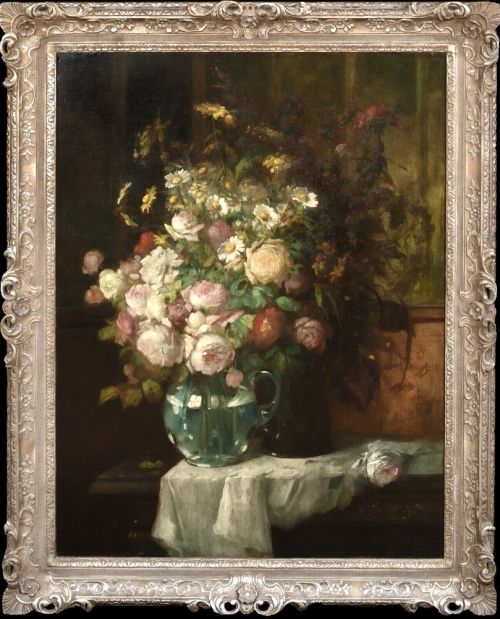
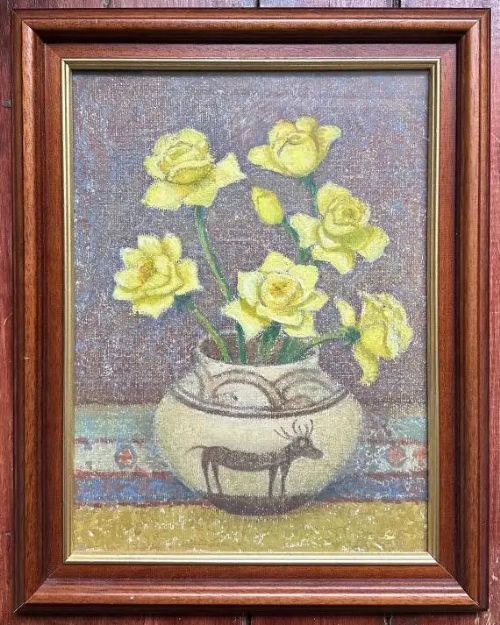
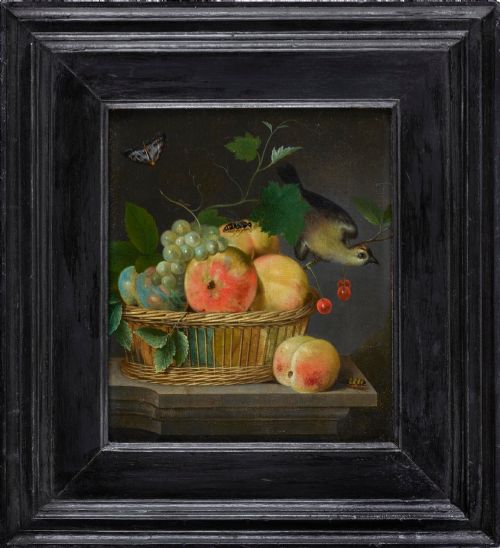
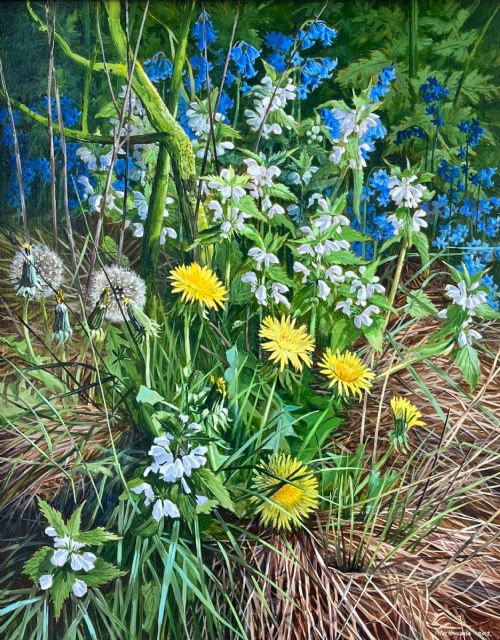
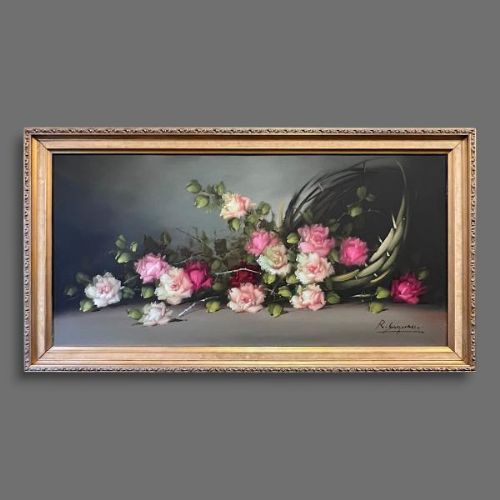
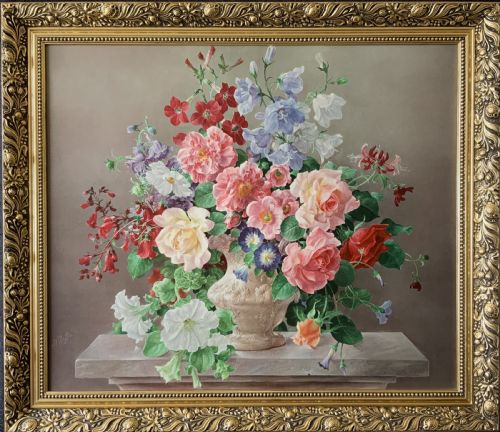
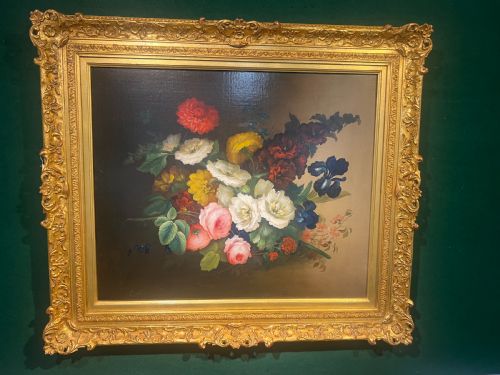
Floral canvas wall art comprises oil paintings and framed works depicting blossoms, stems, and botanical displays across several centuries. Buyers encounter compositions ranging from 18th-century style arrangements to mid-century impressionist interpretations of garden scenes.
The selection includes original oils on canvas, board, and period oleographs housed in traditional frames. Makers span British, Dutch, French, and Austrian artists working within impressionist, post-impressionist, and modernist traditions.
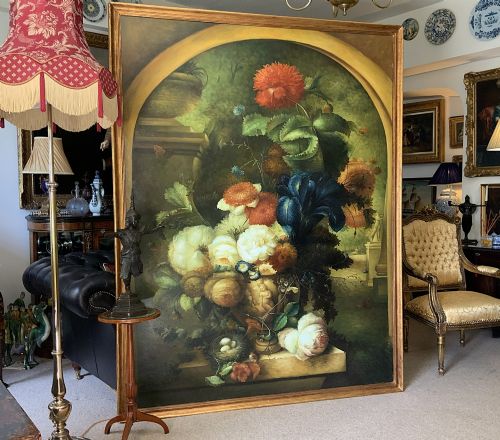
Works vary from intimate tabletop studies of roses and daisies to monumental wall-sized Dutch floral still lifes. These pieces serve as focal points in domestic interiors, bringing organic colour and historical texture to wall spaces.
How they were made
Artists painted primarily with oil on woven canvas supports, sometimes utilising wooden boards for smaller compositional studies. Ground layers provided stability for rich pigment applications that captured natural light upon petals and leaves.
Many historical and vintage examples retain their original gilt gesso frames, which were carved and gilded to complement the paintings. Craftsmanship involves traditional stretching, priming, and framing techniques characteristic of European studio workshops.
Some floral displays stubbornly refuse to drop a single petal, keeping garden roses fresh for centuries.
What varies in quality
Compositional balance and brushwork dexterity distinguish ambitious gallery works from simpler decorative studies. Masterful handling of light, shadow, and botanical accuracy marks the finest examples in this field.
The integrity of the canvas support and the preservation of the original paint layer determine long-term condition. Additionally, the quality and period authenticity of the accompanying gilt frame influence the overall artistic weight of the piece.
Theude Grönland·D. L. Williams·Konstantin Stoitzner·Emma Fordyce MacRae·Gaspar Peeter Verbruggen·Harold Clayton·Edwin Steele·Manuela Bonati·Victor Simonin·Owen Bowen·Thomas Bromley Blacklock·Amile Coppieters·Florence Hess·A. Nikolokov
The Floral Canvas Wall Art Glossary
- Canvas
- A heavy woven fabric used as a surface for oil painting. It provides a textured ground that holds layered pigments securely over centuries.
- Gesso
- A plaster-like mixture applied to wooden frames before gilding. It creates a smooth, durable base for gold leaf application.
- Oleograph
- A mechanical print textured to imitate an oil painting. These reproductions appeared in homes during the nineteenth and twentieth centuries.
- Impressionism
- A painting style focusing on light and its changing qualities rather than minute detail. Artists used visible brushstrokes to capture immediate visual impressions.
Floral Canvas Wall Art: Frequently Asked Questions
How do I hang heavy canvas paintings securely?
Large works require robust fixings anchored directly into wall studs or masonry using appropriate wall plugs. Ensure the hanging wire and D-rings on the frame are rated for the total weight of the painting.
Distribute the load evenly across two wall hooks to keep the frame level and reduce stress on the wooden stretcher bars over time.
What is the difference between an oil painting and an oleograph?
An original oil painting consists of hand-applied pigments on canvas, showing raised brush texture and individual artist brushstrokes under magnification. Each brush mark is unique to the creator's hand.
An oleograph is a printed reproduction created to simulate the surface texture of an oil painting. These prints lack genuine paint layering and often display a uniform dot pattern or stamped canvas texture.
How should I clean a framed oil painting?
Dust frames gently with a dry, soft-bristled brush to remove surface particles without disturbing delicate gilt surfaces. Avoid touching the painted canvas surface directly with cloths or cleaning agents.
Professional conservators should handle deep cleaning of aged varnish layers and oil paint surfaces. Household cleaners can permanently damage historical pigments and binders.
How do I identify the period of a floral still life?
Examine the style of the brushwork, the species of flowers depicted, and the framing materials used. Victorian and 19th-century works often feature dense, formal arrangements with dark backgrounds.
Mid-century impressionist pieces tend toward looser brushstrokes and brighter palettes. Canvas stamps, stretcher construction, and artist signatures also help narrow down the date of creation.