
Floral Bone China
Floral bone china comprises delicate vessels and plates adorned with handpainted blooms, capturing the refined artistry of the nineteenth and early twentieth centuries.
Floral Bone China
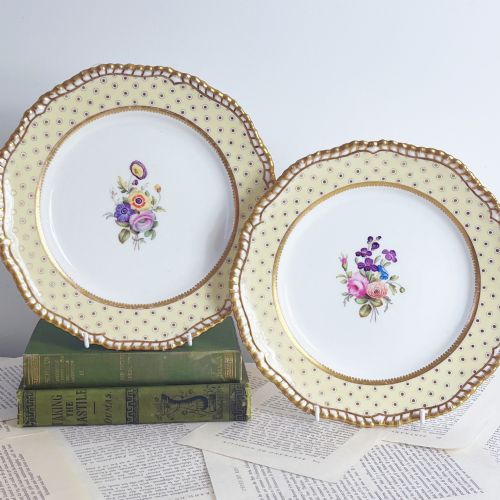
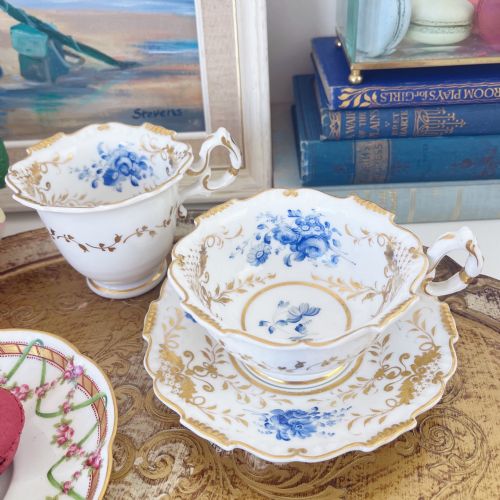
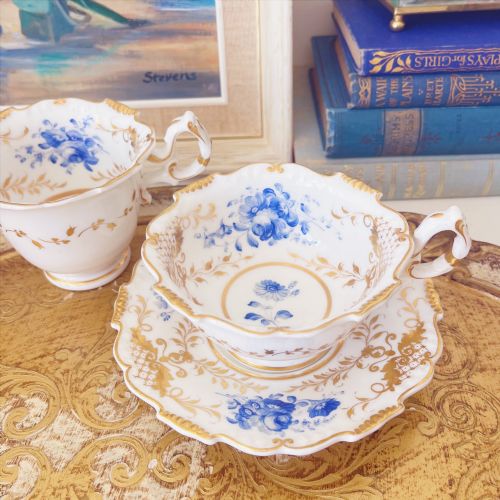
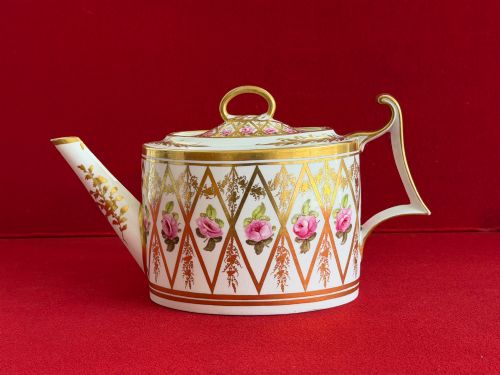
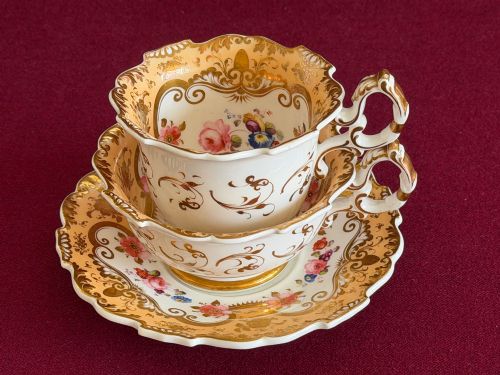
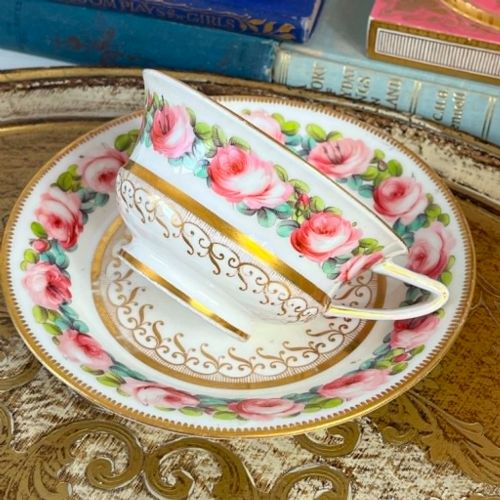
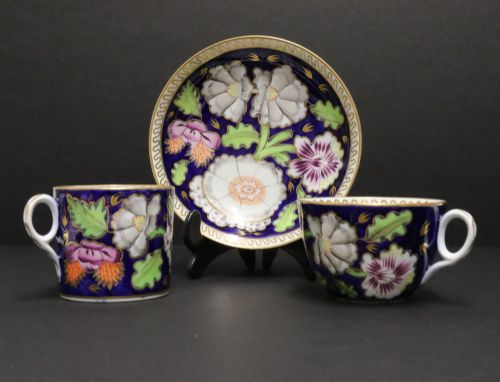
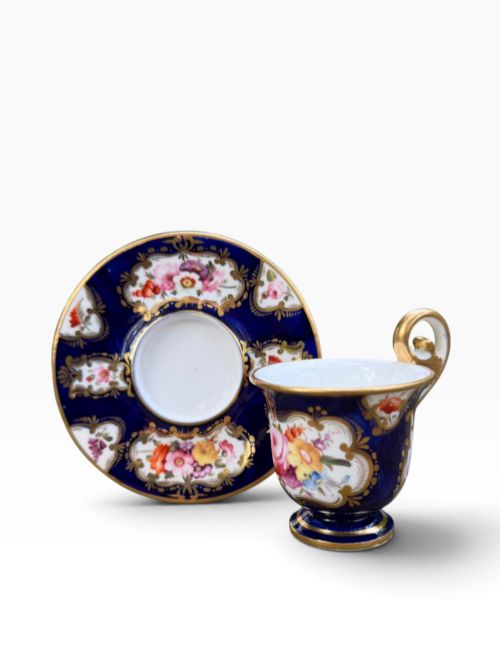
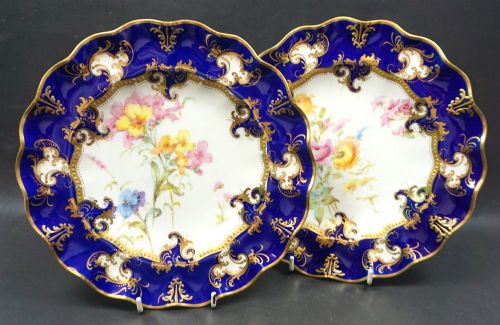
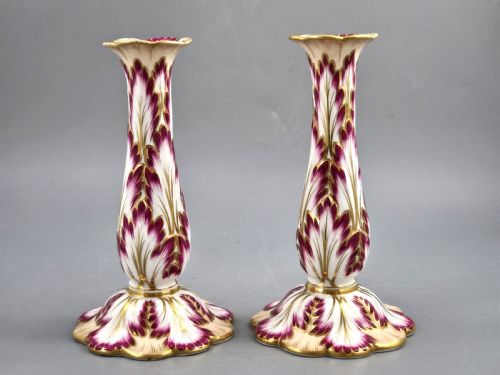
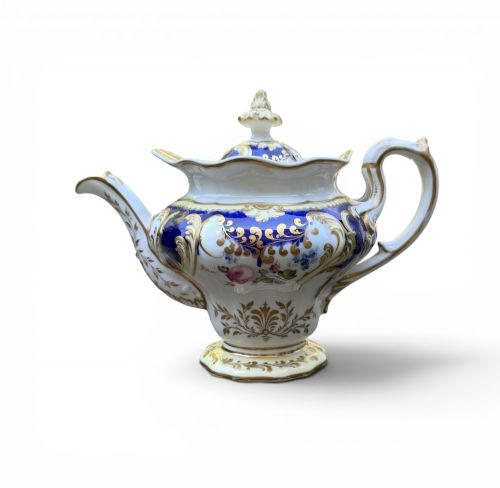
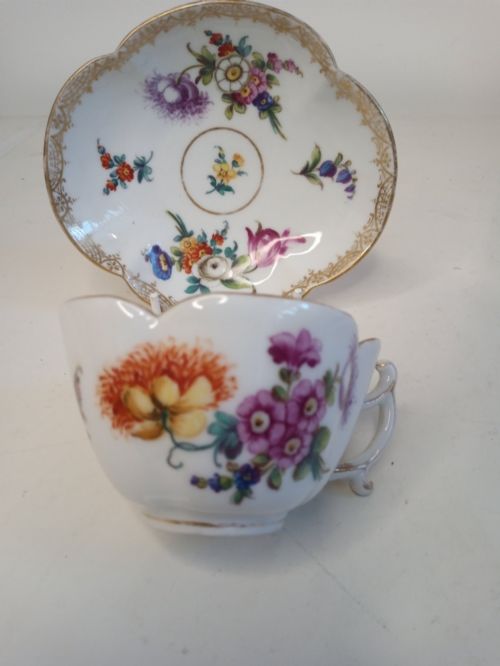
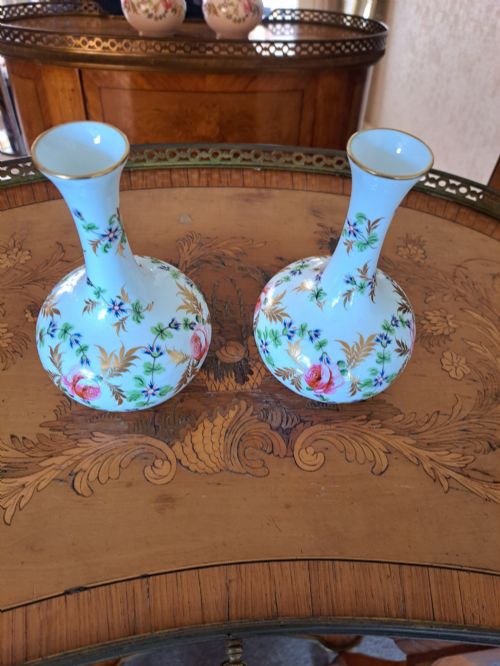
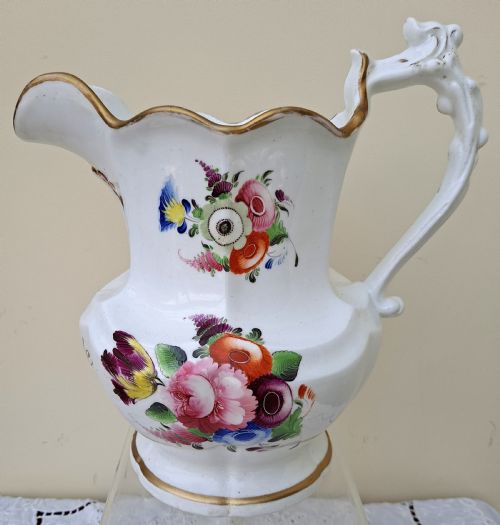
When you search for floral bone china, you encounter teacups, saucers, cabinet plates, teapots and vases originating from Georgian, Victorian, and Edwardian periods. These domestic and decorative items display botanical motifs ranging from botanical studies to naturalistic garden roses.
The pieces you are most likely to meet on this page date from the early nineteenth century onwards, reflecting the output of English factories during the Regency and later eras. They combine functional utility with elaborate ornamentation designed for display in drawing rooms and dining parlours.
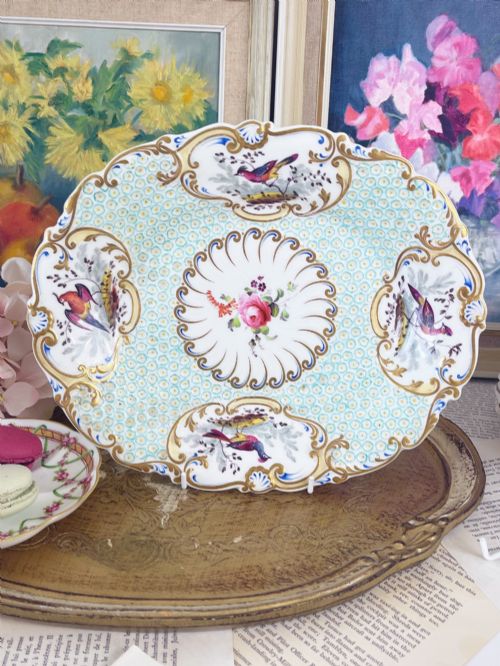
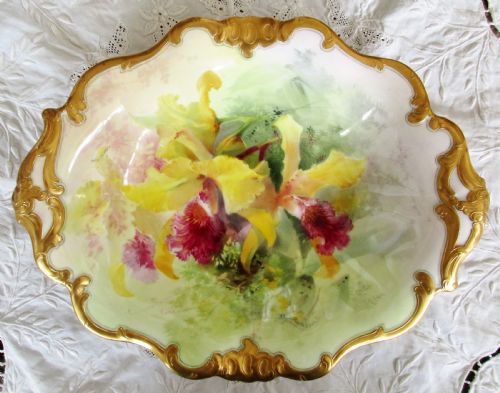
Makers such as Spode, Coalport, Minton and Royal Crown Derby dominate these listings, offering shapes that vary from simple tea trios to elaborate rococo serving dishes. Each form demonstrates the period preference for combining fine ceramic bodies with vibrant botanical decoration.
How they were made
Potters formed these items using refined porcelain and bone china bodies, shaped on wheels or pressed into moulds to create delicate walls and intricate forms like basketweave plates. Artisans then applied enamel pigments by hand, painting botanical details before firing the pieces in kilns to fix the colours.
Gilding played a central role in finishing these wares, with craftsmen applying gold leaf, gilt, or gold gilding to rims, handles, and borders. This metalwork received burnishing to create a contrast against the white ceramic surface and the painted floral scenes.
Early nineteenth-century painters occasionally hid tiny beetles among the cabbage roses to amuse observant tea drinkers.
What varies in quality
Quality rests heavily on the precision and skill of the handpainting, where delicate brushwork and botanical accuracy distinguish superior studio output from standard factory decoration. Superior pieces feature detailed shading in the petals and leaves, often attributed to named artists or specialised workshops.
The application and preservation of the gilding also determine the grade of a piece, with thick, hand-applied gold leaf withstanding time better than thin washes. Additionally, the crispness of the moulding on shapes like rococo teapots or basketweave plates indicates the primary condition of the original ceramic moulds.
Spode·H and R Daniel·Coalport·Royal Crown Derby·Minton·Royal Doulton·Royal Worcester·Davenport
The Floral Bone China Glossary
- Bone china
- A type of soft-paste ceramic incorporating bone ash, developed to produce a strong, translucent white body suitable for fine tableware. This material allows for thinner walls than traditional earthenware while maintaining durability.
- Trio
- A matching set comprising a teacup, coffee cup, and saucer, popular during the Georgian and Regency periods for formal entertaining. These groupings allowed hosts to serve different hot beverages in coordinated styles.
- Gilding
- The application of gold leaf or powdered gold to ceramic surfaces for decorative emphasis. Artisans burnished this metal layer to achieve a polished shine against the painted enamel.
- Cabinet plate
- A decorative ceramic plate intended for display in a glass-fronted cabinet rather than everyday dining use. These items typically feature elaborate handpainted scenes and rich gilding.
- Sucrier
- A covered sugar bowl designed to accompany tea services on the dining table. They frequently mirror the decorative motifs and shape of the matching teapot and cups.
Floral Bone China: Frequently Asked Questions
What is floral bone china?
Floral bone china encompasses ceramic tableware and decorative objects adorned with painted flowers, produced mainly by English potteries during the nineteenth and early twentieth centuries. These items range from single cabinet cups to large dinner services.
Craftsmen used porcelain and bone china bodies as canvases for botanical illustrations, combining utility with ornamental appeal. The genre includes works from prominent factories operating during the Georgian, Regency, and Victorian periods.
How were these tea sets used?
Tea sets and trios served during formal afternoon gatherings and after-dinner socialising in wealthy households. They formed an essential part of the domestic ritual surrounding hot beverages.
Hosts displayed their social standing through the quality of their porcelain, using matching cups, saucers, and teapots to entertain guests in the drawing room.
How do I date a piece?
Dating relies on identifying factory backstamps, pattern numbers, and stylistic markers such as Regency shapes or Victorian rococo flourishes. Comparing the ceramic body and painting style to known factory timelines helps narrow the period.
Potters often changed their marks with new partnerships or royal warrants, providing reliable clues for determining the decade of manufacture.
How should I care for antique china?
Antique china requires gentle hand washing in warm water with mild detergent, avoiding dishwashers and harsh abrasive sponges. The delicate enamel paints and gold gilding can fade or wear away with aggressive cleaning.
Storage should involve padded dividers between stacked plates to prevent scratching the glaze, keeping pieces away from direct sunlight.