

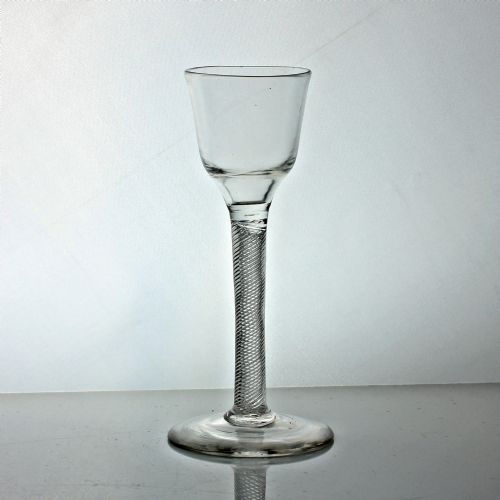

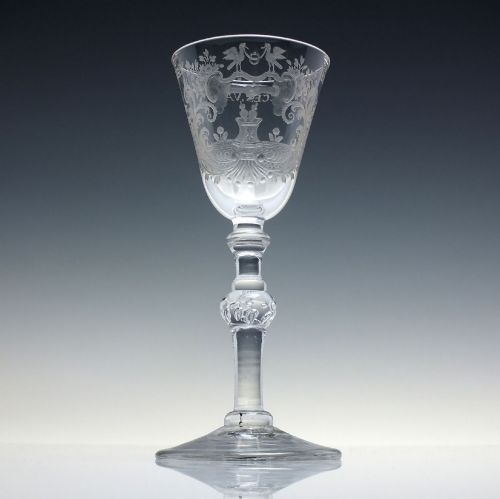
Flint Glass Goblet
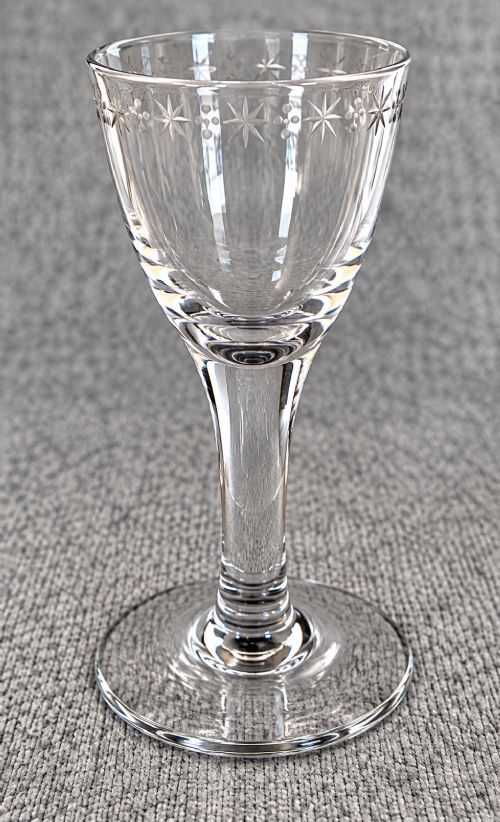
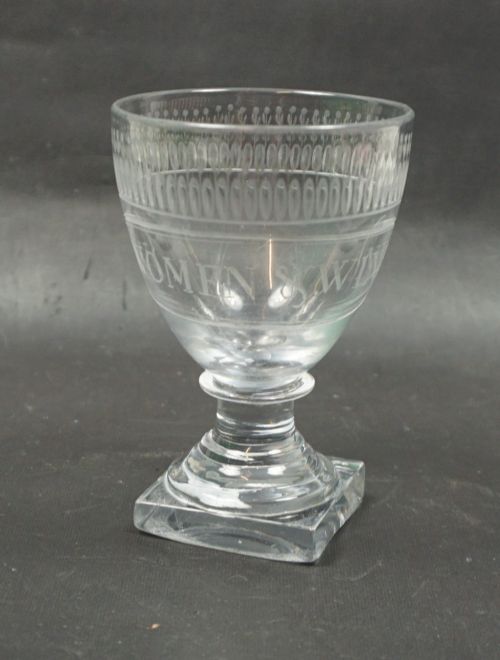
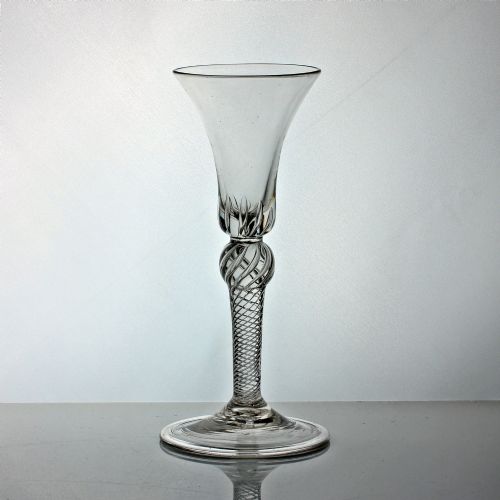
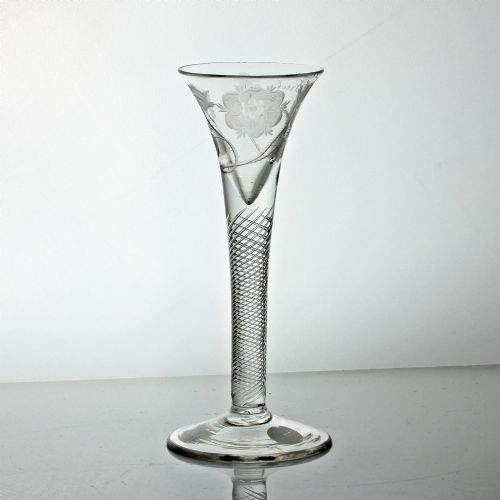
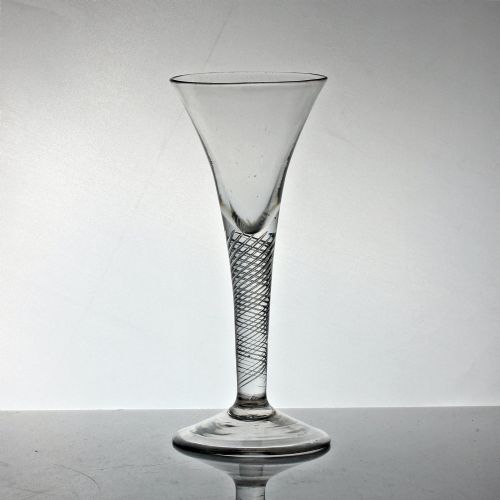
These heavy, resonant vessels are flint glass goblets, prized for their exceptional clarity and brilliant refractive qualities by collectors of historic drinkware.
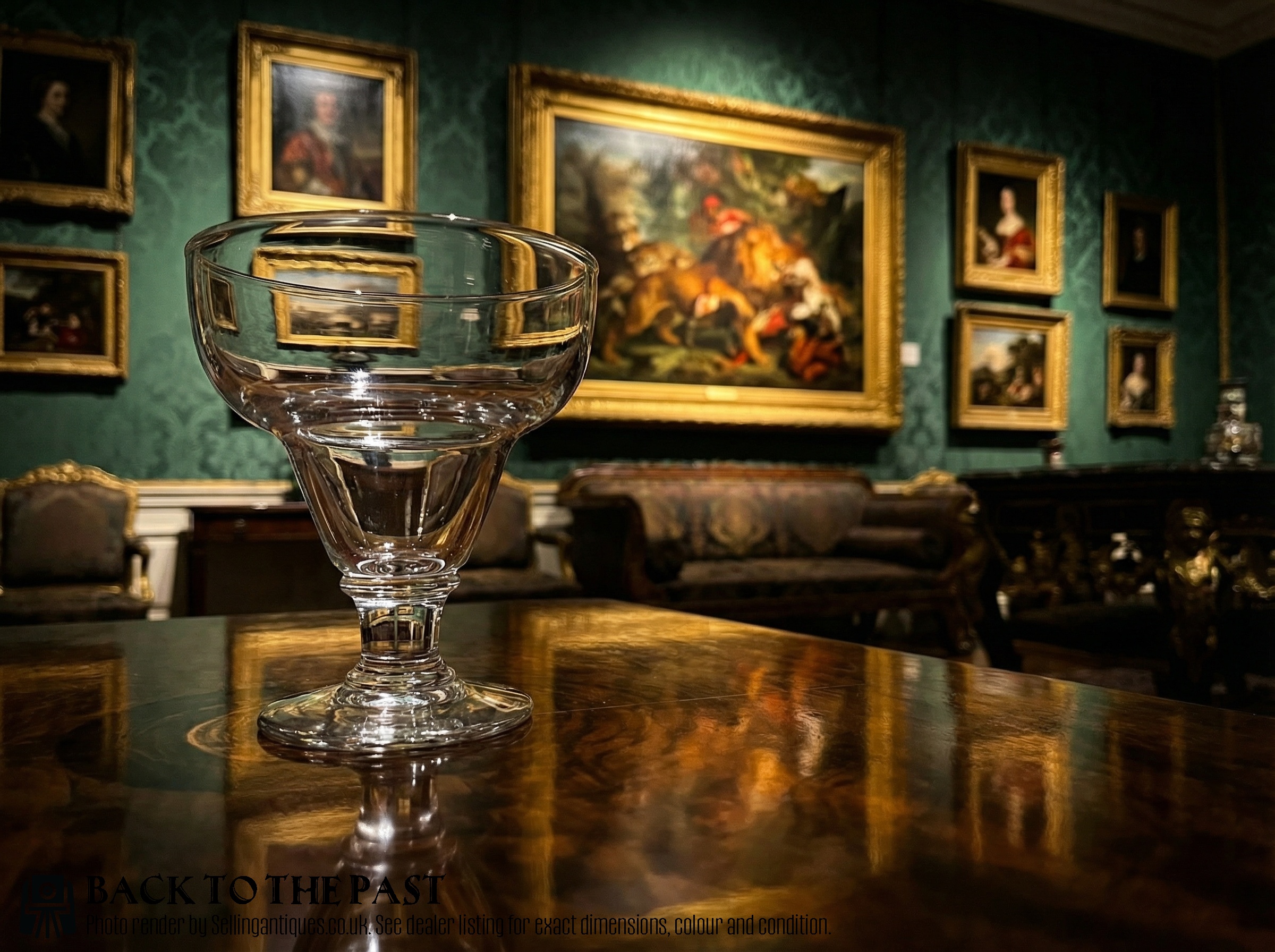
Flint Glass Goblet
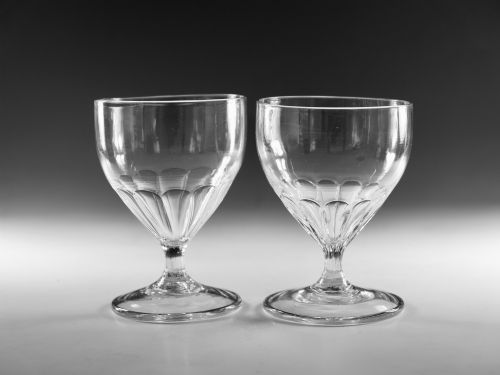
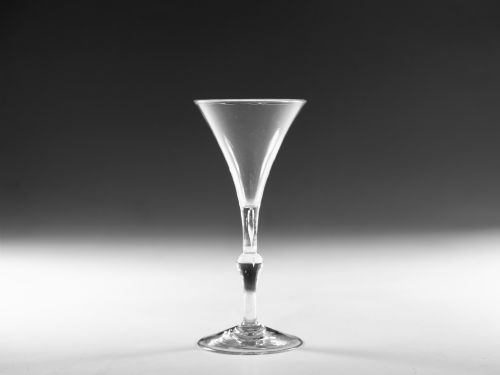
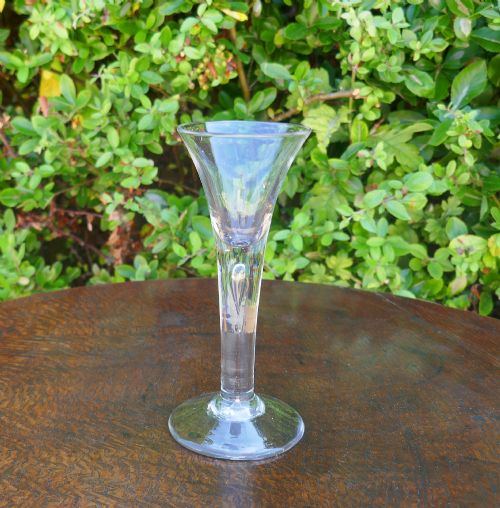
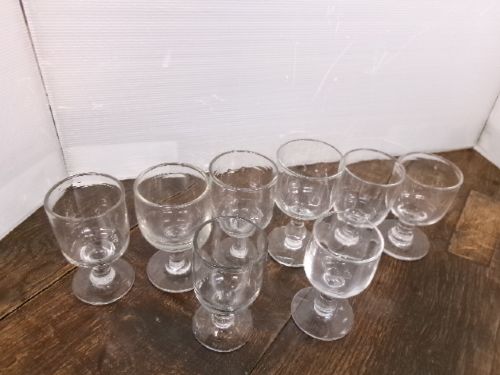
A flint glass goblet represents a pinnacle of historical drinking vessels, most frequently encountered in forms originating from the eighteenth and nineteenth centuries. Collectors searching for a flint glass goblet will find examples spanning Georgian and Victorian periods, including stemware, wine glasses, and larger rummers. These pieces range from simple plain stem configurations to elaborately engraved drinking vessels.
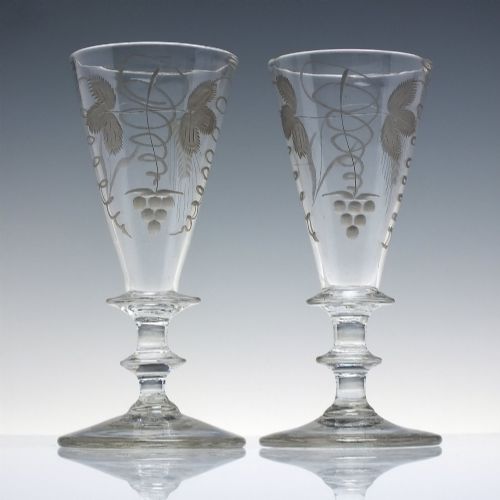
The inventory on this page demonstrates a strong representation of Georgian drinking glasses, alongside robust rummers and ale glasses. Forms include trumpet, bell, ogee, and pan top bowls, often supported by folded feet or domed bases. Earlier iterations lean towards baluster and balustroid styles, while later nineteenth-century examples introduce larger proportions and distinct masonic or commemorative engravings.

Materials and construction
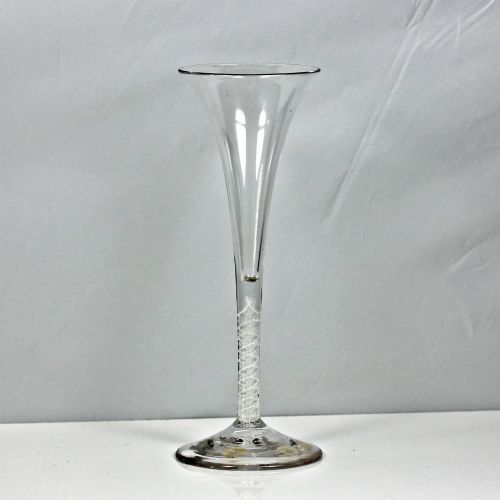
The creation of a flint glass goblet relies on lead glass, clear lead glass, and lead crystal, which provide the dense substance necessary for deep wheel engraving and optical clarity. Master glassmakers manipulated the molten material into complex stem formations, incorporating air bubbles, multi-spiral air twists, and double-series opaque twists.
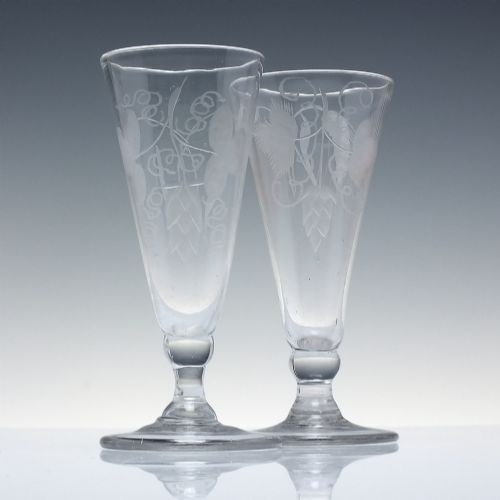
Vessels such as ale glasses and rummers frequently feature blown bowls joined to applied stems and footplates. Techniques like ribbing and moulding shape the lower portions of the bowls, while diamond-point or wheel engraving adorns the surface with floral motifs, hop and barley patterns, or political emblems.
Flint Glass Goblet Retail Price Guide 2026
Typical asking prices for flint glass goblet among the pieces listed under this phrase on Sellingantiques today, from the lower quarter to the upper quarter. They describe what is for sale here now, not the wider market.
Judging quality and character
Quality in a flint glass goblet rests upon the purity of the metal and the dexterity displayed in the stem formation. Superior examples exhibit minimal trapped impurities in the clear glass, balanced proportions between bowl and foot, and crisp, intentional twists without distortion.
The Flint Glass Goblet Glossary
- Flint glass
- A dense, brilliant glass containing lead oxide that increases refractive index and weight. It provides the characteristic ring and clarity found in better drinking vessels.
- Air twist
- A decorative stem formation containing elongated spiral channels of trapped air inside the glass. Makers created these by drawing and twisting heated bubbles within the metal.
- Opaque twist
- A stem enclosing white or coloured enamel rods drawn into intricate threads and twisted within the clear glass. This technique gained popularity during the mid-eighteenth century.
- Rummer
- A large, sturdy drinking glass or goblet common in the late eighteenth and nineteenth centuries. They were typically utilised for punch, beer, or wine.
- Baluster
- A heavy, swelling stem form reminiscent of architectural pillars, frequently seen on early pieces from the first half of the eighteenth century.
Flint Glass Goblet: Frequently Asked Questions
What is a flint glass goblet?
A flint glass goblet is a heavy, clear drinking vessel made from lead-rich glass, designed for toasts and formal dining.
These pieces were produced primarily during the Georgian and Victorian eras, valued for their bright ring and optical brilliance.
How do I date an old goblet?
Dating relies on observing the form of the bowl, the construction of the stem, and the profile of the foot. Air twists and baluster stems generally point to the eighteenth century, whilst heavier rummers often date to the nineteenth century.
Tool marks, pontil scars on the underside of the foot, and the specific composition of the metal also offer chronological clues.
What were rummers used for?
Rummers served as robust drinking vessels for ale, cider, punch, or heavy wines during social gatherings.
Their larger capacity and sturdier build made them practical for everyday tavern or domestic use compared to delicate wine glasses.