


Flight Barr Worcester Dish
A flight barr worcester dish brings together the finest Regency porcelain painting and gilded decoration from the famous factory.
Flight Barr Worcester Dish
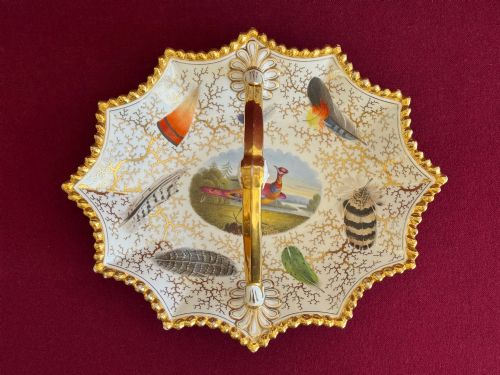
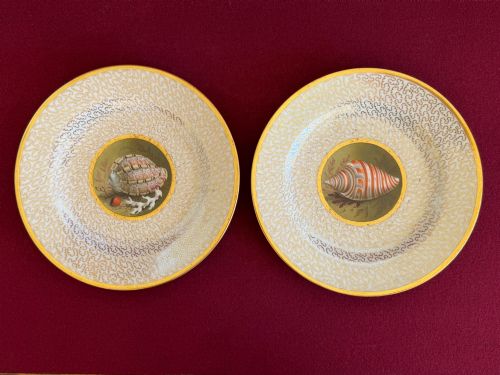
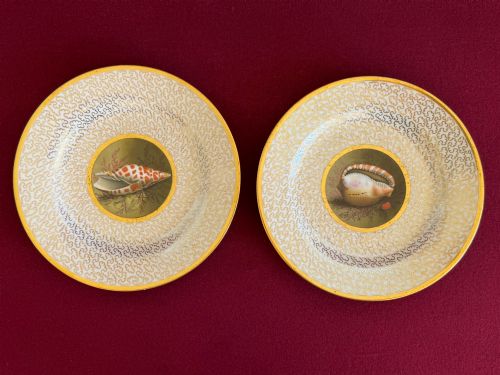
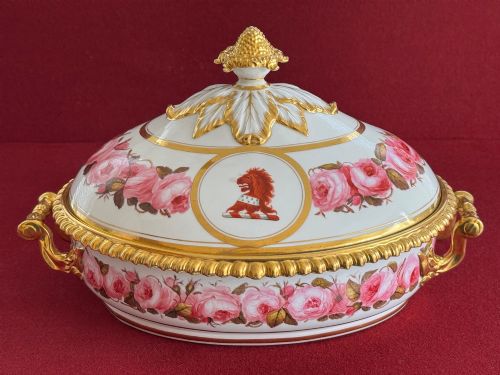
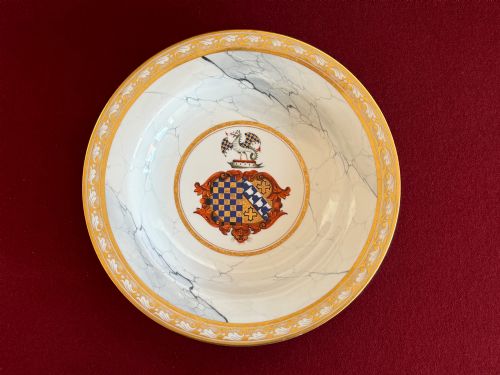
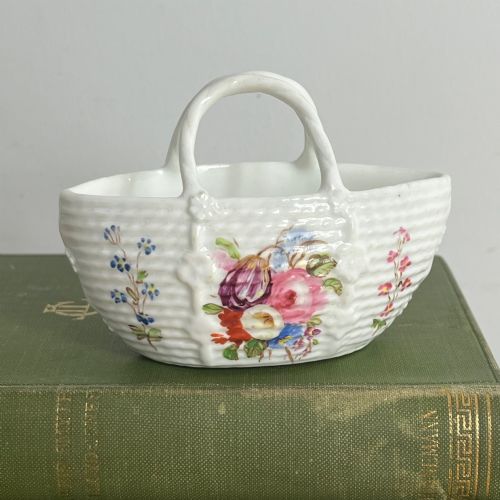
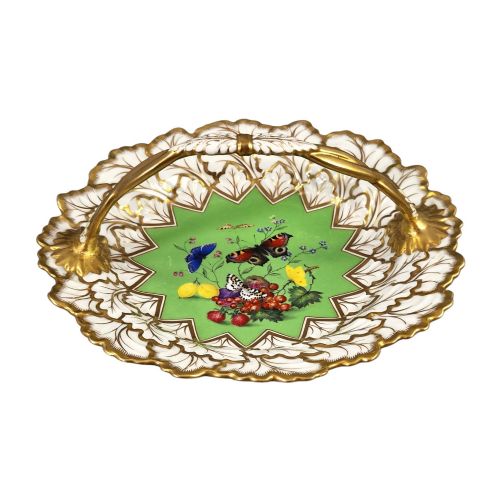
A flight barr worcester dish encompasses a range of serving vessels, dessert plates, cabinet pieces, and baskets produced during the Georgian and Regency periods. Buyers seeking a flight barr worcester dish will find items shaped as circular plates, shell forms, oval dishes, and covered sauce tureens.
The objects span the early nineteenth century, specifically from around eighteen hundred to eighteen thirty. Common domestic and display forms include dessert plates, topographical plates, and baskets designed for table service or cabinet exhibition.
Materials and methods
These pieces are constructed from porcelain and soft-paste porcelain, serving as the ceramic base for intricate decoration. Artisans applied handpainted scenes, floral motifs, and armorial designs directly onto the porcelain body.
Gilt, gold leaf, and gilding provide the metallic enrichment seen on handles and borders. Enamel colours complete the palette, fixed through kiln firing to secure the painted surfaces.
Listings feature porcelain, enamel, and gold leaf applied across Regency and Georgian periods.
Factors of distinction
Quality rests upon the execution of the handpainted detail, whether depicting botanical studies, topographical views like Binstead Cottage or Godstow Bridge, or complex patterns such as the Dragon in Compartments and Royal Lily. Superior examples display precise brushwork and careful enamel mixing.
The application of gold leaf and gilding also determines the standard of a piece, with crisp tooling and intact metallic surfaces distinguishing finer examples from standard production.
Flight Barr and Barr·Barr Flight and Barr·Samuel Astles
The Flight Barr Worcester Dish Glossary
- Soft-paste porcelain
- A ceramic composition fired at lower temperatures than hard paste, creating a slightly softer body favoured by early nineteenth-century English factories. It allows for a distinctive glaze texture.
- Gilding
- The application of gold leaf or gold powder to ceramic surfaces for decorative effect. This technique highlights rims, handles, and painted borders.
- Sauce tureen
- A covered ceramic vessel designed for holding and serving sauces at the dining table. These often include matching stands and gilt handles.
- Armorial
- A design featuring a family coat of arms or heraldic crest. These bespoke commissions indicate ownership by prominent historical figures.
- Imari
- A decorative style inspired by Japanese export wares, featuring iron red, cobalt blue, and gilt details. It appears on several plates and tureens from this period.
Flight Barr Worcester Dish: Frequently Asked Questions
How do I date a Flight Barr Worcester piece?
Dating relies upon the specific partnership styles recorded in the factory period, typically spanning the early nineteenth century from eighteen hundred to eighteen thirty. Examining the painted script marks on the underside often helps narrow the production window.
Changes in factory management during the Georgian and Regency eras created distinct variations in naming formats on the reverse of the porcelain.
Were these dishes meant for dining?
Many items, such as dessert plates, soup plates, and entrée dishes, were created for formal dining tables during the Regency period. They formed part of large services used to serve dessert courses.
Baskets and shell-shaped dishes also served functional roles in presenting fruit or sweets during aristocratic meals.
What patterns are most common?
Floral painting, topographical views of specific British sites, and Japanese-inspired motifs like the Dragon and Kylin pattern appear frequently in the listings. Armorial designs and the Royal Lily pattern also recur.
Specialist painters sometimes executed named views, linking individual plates to specific geographic locations.
How should I care for gilded porcelain?
Hand washing in lukewarm water with mild soap is essential to preserve the delicate enamel paints and gold leaf decoration. Abrasive sponges or modern dishwashers will damage the historic surface.
Storing pieces away from direct sunlight protects the enamel colours from fading over time.