




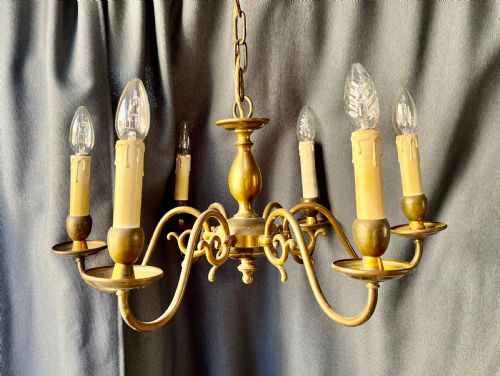

Flemish Style Pendant Light
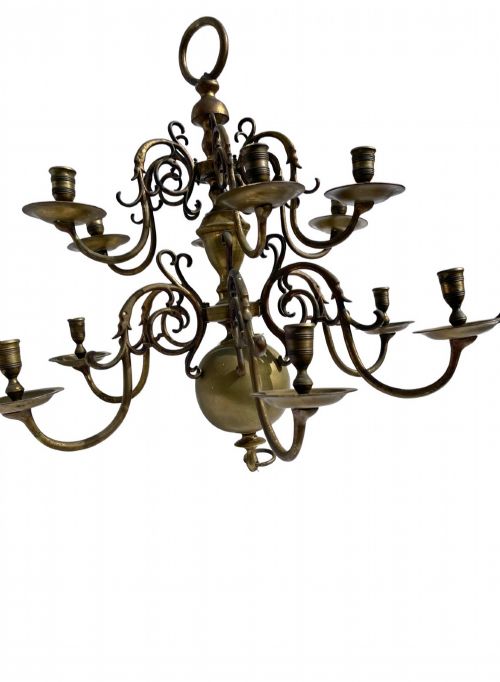
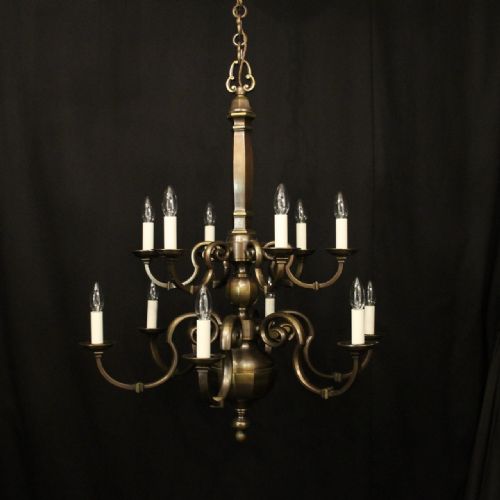
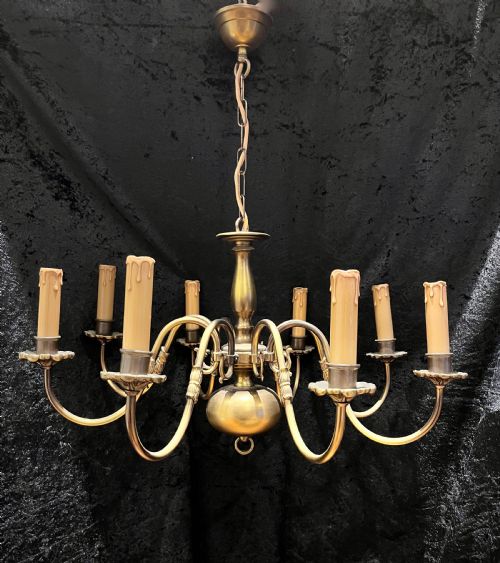
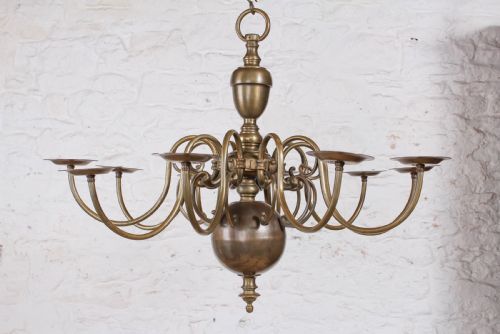
These flemish style pendant light fixtures bring heavy brass and bronze form to a room, offering period presence and multi-branch illumination.
Flemish Style Pendant Light
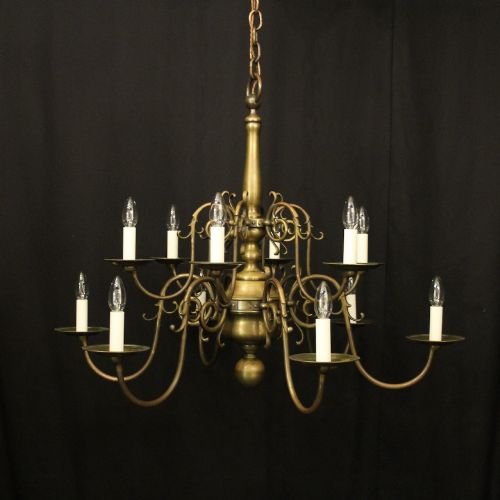
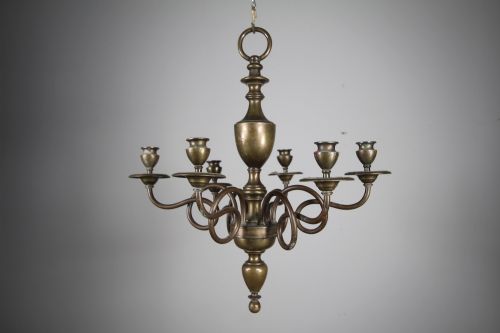
A flemish style pendant light takes the form of a brass or bronze chandelier, drawing on seventeenth-century Dutch and Flemish designs to anchor a high ceiling. Most examples met here date from the nineteenth and early twentieth centuries, spanning Edwardian, Victorian, and later revivals.
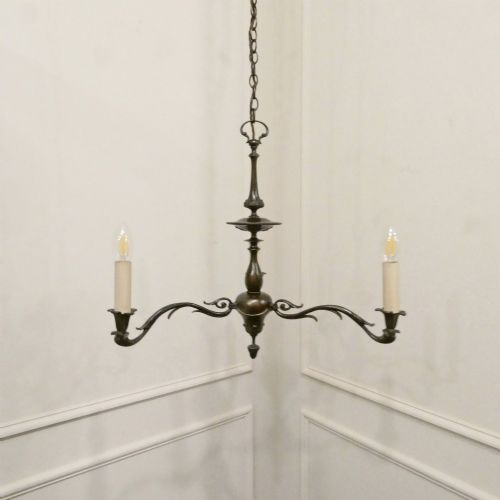
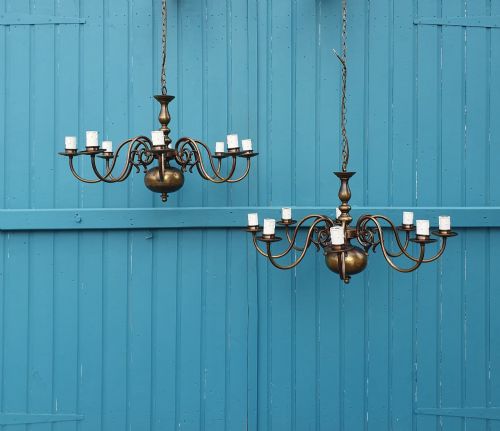
These fixtures typically feature multiple arms or branches arranged around a central stem, ranging from compact three-foot width pieces to large twelve-branch installations. They originate primarily from English and Dutch workshops working in baroque and renaissance revival modes.
How They Were Made
Metalworking dominates these pieces, utilising cast brass, solid brass, and bronze to build durable multi-arm frames that support several lights. Silver plate also appears on selected examples, adding a distinct metallic finish over the base metal.
Construction relies on traditional foundry techniques, joining cast metal components and arms securely to central stems capable of holding multiple branches and heavy candle or bulb fittings.
Flemish Style Pendant Light Retail Price Guide 2026
Typical asking prices for flemish style pendant light among the pieces listed under this phrase on Sellingantiques today, from the lower quarter to the upper quarter. They describe what is for sale here now, not the wider market.
Listings feature brass, solid brass, and bronze materials across pieces dated from the eighteenth century to nineteen thirty.
What Varies in Quality
The sophistication of the casting work dictates much of the distinction between pieces, where sharper detail in the metal ornamentation separates finer examples from simpler production. Heavier gauge metal and balanced arm symmetry indicate greater care in manufacture.
The scale and complexity of the branch configuration also separate standard pieces from grander fixtures, with multi-tier arrangements and larger multi-light counts demanding more intricate structural engineering.
The Flemish Style Pendant Light Glossary
- Chandelier
- A branched hanging light fixture designed to hold multiple lamps or candles. These pieces form the primary object type seen in this category.
- Brass
- An alloy of copper and zinc used extensively for the frames and arms of these lights. It provides a durable metallic body that takes a polished or patinated finish.
- Bronze
- A copper alloy containing tin, utilised in heavier antique chandelier frames. It yields a darker, robust metal structure with distinct ageing characteristics.
- Revival
- A stylistic movement that recreates historical aesthetics from earlier periods, such as baroque or renaissance designs. This approach defines the historical inspiration behind these pieces.
Flemish Style Pendant Light: Frequently Asked Questions
How do I hang a heavy brass chandelier safely?
These solid brass and bronze fixtures require direct attachment to structural ceiling joists using rated fixings to support the substantial weight.
Professional electrical installation is necessary to integrate older metal wiring standards with modern ceiling circuits.
What periods do these pendant lights come from?
The listings span from the eighteenth century through the nineteenth century and into the early twentieth century, including Edwardian examples.
Revival styles from the 1900s to 1930s dominate the current selection, referencing earlier Dutch and Flemish baroque traditions.
How do I clean an antique brass light?
Dust the metal surfaces gently with a soft dry cloth to remove everyday accumulation without disturbing the historic patination.
Avoid harsh chemical metal polishes that strip the aged finish and alter the authentic appearance of the bronze or brass.
Are these lights suitable for low ceilings?
Most multi-arm fixtures in this category feature significant drop heights and branching structures that demand adequate clearance below.
Larger twelve-branch examples and multi-tier designs suit principal rooms with high proportions rather than compact spaces.