







Dutch Baroque Light
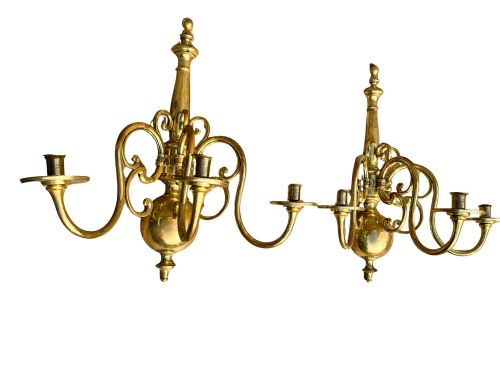
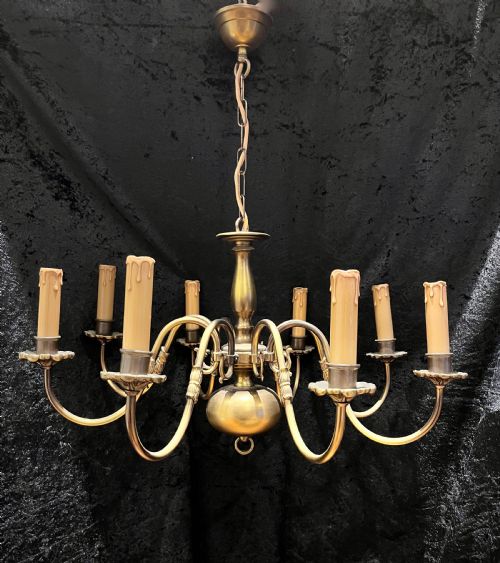
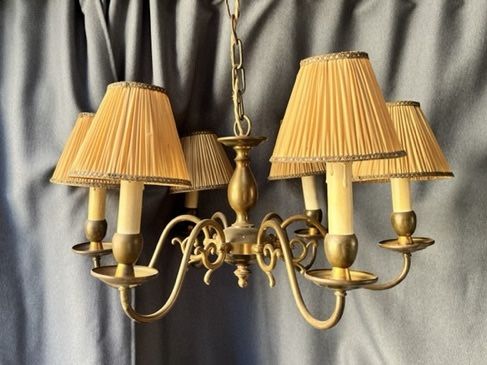
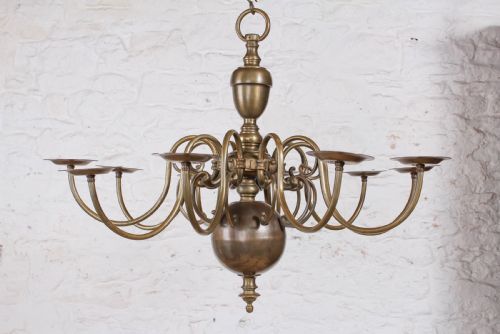
Dutch baroque light pieces bring heavy brass and warm oak into a room, offering the substance of seventeenth-century domestic life.
Dutch Baroque Light
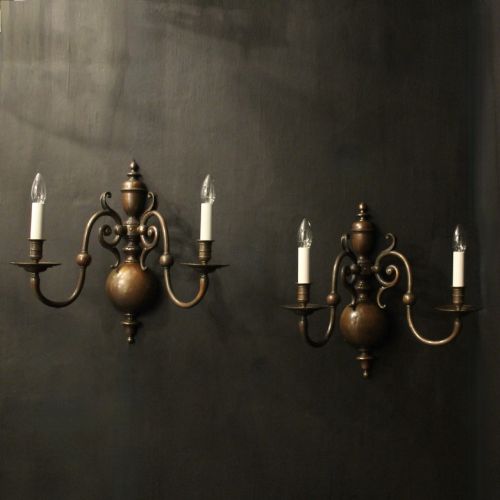
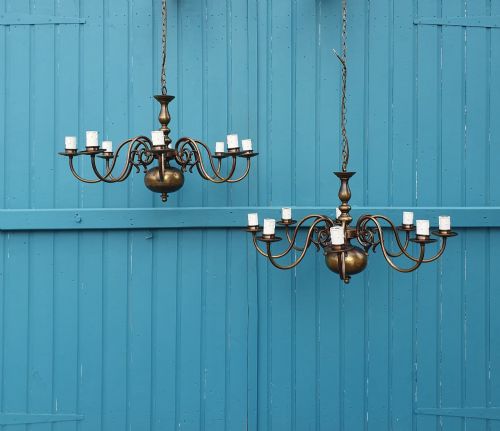
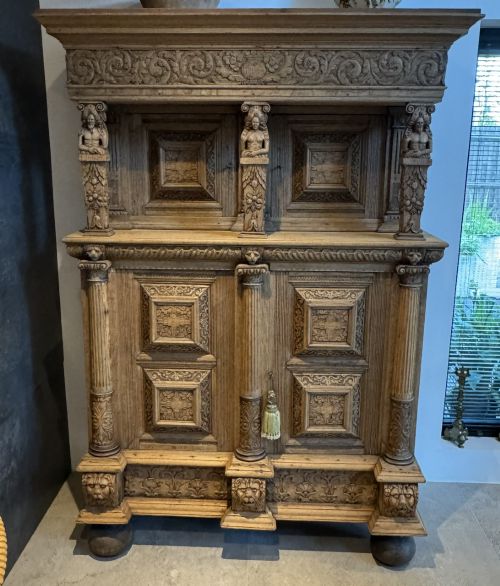
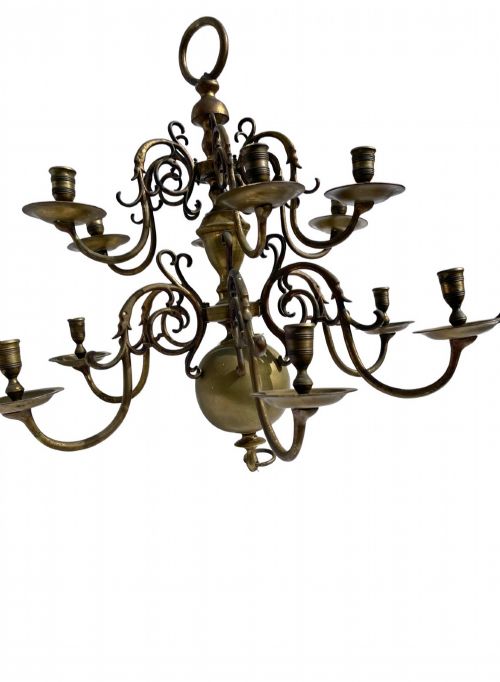
When you search for dutch baroque light, you encounter a selection of heavy metal and dark wood furniture spanning the seventeenth century up to the nineteen-twenties. These objects divide chiefly into multi-branched chandeliers, heavy candlesticks, and substantial linen cupboards or cabinets.
The most common forms you meet on this page are multi-armed brass chandeliers and solid brass candlesticks, often dating from later revivals as well as the period itself. Alongside these metal fixtures, you find oak cabinets and linen cupboards representing domestic storage from the same cultural sphere.
Origins span across Dutch and Flemish workshops, with pieces ranging from original seventeenth-century examples to later nineteenth-century revivals and early twentieth-century interpretations. Each piece reflects the dark, robust aesthetic of the era, whether through polished metal reflecting flame or deep-grained oak forming architectural storage.
How they were made
Makers shaped these fixtures using cast brass, copper, and bronze, building up multi-tiered forms through metalworking techniques. Chandeliers rely on central stems with radiating arms, while candlesticks utilise heavy cast bases designed to hold candles steady.
Wood pieces such as linen cupboards and cabinets employ solid oak, built with panelled doors and deep cornices to handle heavy domestic storage. Metal and timber work together in the broader interior aesthetic, balancing reflective brass surfaces with dark, dense wood.
Dutch Baroque Light Retail Price Guide 2026
Typical asking prices for dutch baroque light among the pieces listed under this phrase on Sellingantiques today, from the lower quarter to the upper quarter. They describe what is for sale here now, not the wider market.
Early brass pricket sticks required steady hands to impale candles securely before the invention of simple sockets.
What varies in quality
Quality rests in the weight of the casting and the crispness of the turning on brass stems and wooden panels. Earlier and finer examples show deliberate proportion across multiple branches and hand-finished detailing on brass surfaces.
Later revival pieces and twentieth-century interpretations vary in the purity of their metal alloys and the depth of their timber construction. Substantial gauge brass and solid oak distinguish the more convincing items from lighter, simpler productions.
The Dutch Baroque Light Glossary
- Chandelier
- A branched lighting fixture suspended from the ceiling. These hold multiple candles or bulbs across several tiers.
- Heemskerk candlestick
- A specific type of brass candlestick characterised by a central drip pan and a bell-shaped base. They date back to the seventeenth century and appear in Dutch paintings of the era.
- Pricket
- A sharp metal spike on a candlestick designed to skewer and hold a large candle in place. This form predates socket-style candleholders.
- Linen cupboard
- A large wooden storage piece used for household textiles. These often feature heavy panelled oak doors and deep architectural mouldings.
- Wall sconce
- A lighting bracket mounted directly to a vertical surface. They direct light outward into a room from a wall position.
Dutch Baroque Light: Frequently Asked Questions
What is a Heemskerk candlestick?
A Heemskerk candlestick is a distinct seventeenth-century brass lighting form featuring a prominent central drip pan and a wide, bell-shaped base. These pieces were designed to catch wax and provide stability on heavy tables.
They appear in seventeenth-century Dutch genre painting, offering a reliable marker for dating early brasswork accurately.
How do I distinguish original seventeenth century brass from later revivals?
Original pieces from the seventeenth century show specific casting irregularities and tool marks consistent with period workshops. They also carry the deep, undisturbed patina of centuries of handling and polishing.
Later nineteenth and twentieth-century revivals often feature cleaner, more uniform surfaces and standardised thread fittings that reveal a mechanised production process.
Where were these brass chandeliers originally hung?
Large brass chandeliers hung in the principal rooms of seventeenth and eighteenth-century homes, civic halls, and merchant houses. Their multiple arms were designed to maximise candlelight in large, dark spaces.
In modern interiors, they require secure ceiling fixings due to the substantial weight of the cast brass components.
What wood is used in Dutch baroque furniture?
Solid oak serves as the primary timber for storage pieces like linen cupboards and cabinets. This dense wood provided the structural strength required for heavy, panelled domestic furniture.
Over centuries, oak darkens naturally and develops a rich surface texture that complements the polished brass of contemporary lighting fixtures.