



Flatweave Tribal Carpet Bag
These flatweave tribal carpet bag pieces are nomadic storage containers and domestic textiles prized for their intricate geometric designs and authentic village character.
Flatweave Tribal Carpet Bag
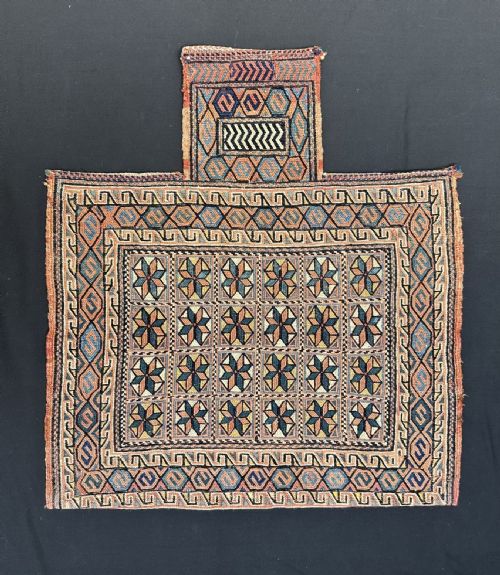
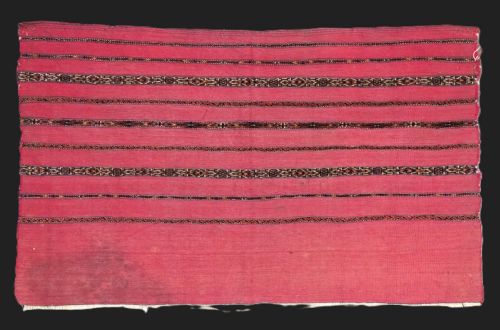
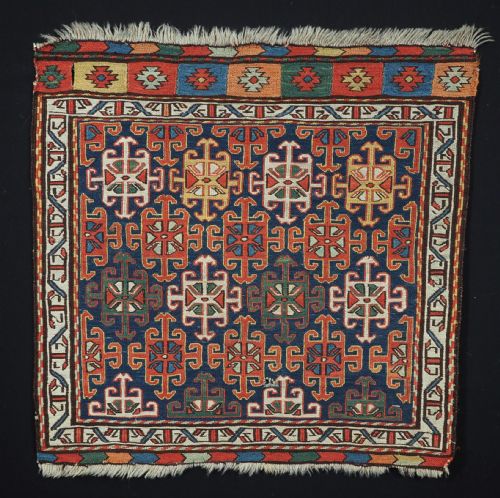
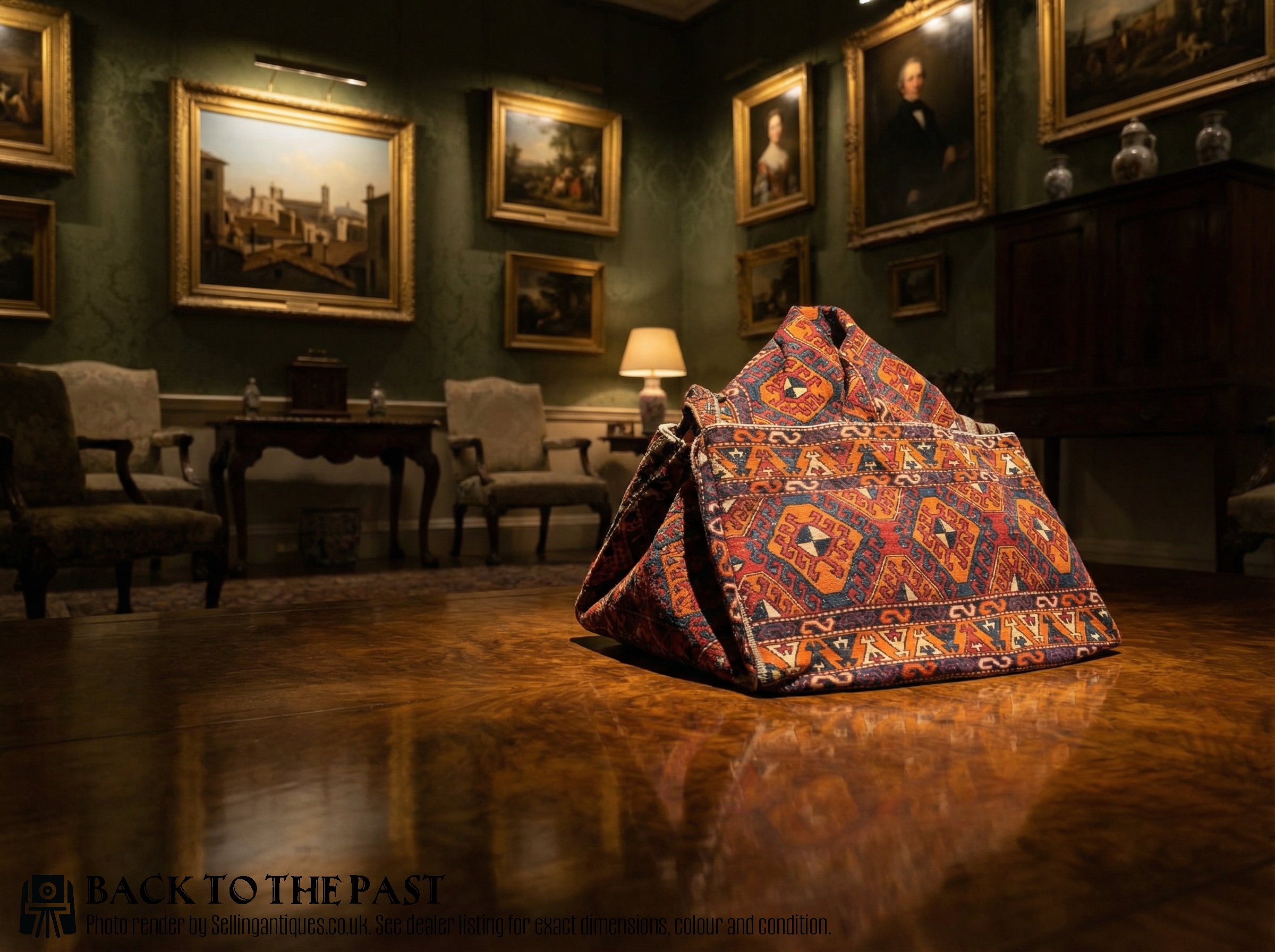
A flatweave tribal carpet bag typically presents as a utilitarian storage container, storage bag, salt-bag, or saddle bag half face originating from nomadic and tribal groups across Central Asia, Persia, and the Caucasus. When you search for this phrase, you encounter textiles created to withstand the rigours of nomadic life, including chuval faces, mafrash panels, and complete storage containers. The pieces available here span from the mid nineteenth century into the early twentieth century, reflecting the traditional utilitarian weaving of groups such as the Tekke Turkmen, Yomut, Shahsavan, and Afshar.
The forms range from complete storage bags with their original backs intact to single bag faces and panels saved as decorative objects. Many examples represent specific functional types, such as salt-bags and torba designs, which served practical roles within tribal encampments before finding appreciation among collectors of antique textiles.
Materials and technique
The construction relies heavily on hand-spun wool and natural dyes or vegetable dyes, occasionally combined with cotton and goat hair to provide structural strength. Weavers employed flatweave techniques alongside soumak wrapping to produce crisp geometric patterns and durable fabric suitable for daily nomadic use.
The palette derives from natural sources, yielding deep reds, browns, and secondary tones that age gracefully. Artisans constructed these containers with dense knotting or tight flatweaving, ensuring the structural integrity necessary for carrying household goods or salt.
Nomads wove these durable bags to hold everything from personal salt supplies to entire household wardrobes during seasonal migrations.
What varies in quality
Quality rests upon the fineness of the weave, the clarity of the tribal motifs, and the preservation of the original natural dyes. Pieces exhibiting exceptional tightness in the flatweave or soumak technique alongside complex bird, dragon, or banded designs stand apart from simpler utility items.
The condition of the wool, the retention of complete backs on storage bags, and the vibrancy of the vegetable dyes determine the overall standing of an example. Finer weaves and complete faces command greater attention from those focused on authentic tribal artistry.
The Flatweave Tribal Carpet Bag Glossary
- Flatweave
- A textile produced without pile by interlacing warp and weft threads directly. This technique creates a smooth, thin fabric characteristic of many nomadic storage bags.
- Chuval
- A large tent storage bag produced by Turkmen tribes used for bedding and household possessions. These items often feature distinctive gul motifs arranged in rows.
- Mafrash
- A rectangular storage chest or bag panel used by nomadic groups for transporting belongings during migration. They frequently display banded designs or soumak technique.
- Soumak
- A supplementary weft wrapping technique that produces a durable textile with a braided appearance on the face and loose threads on the reverse. It adds structural weight and defined pattern outlines.
- Torba
- A smaller storage bag than the chuval, traditionally hung on the lattice walls of a yurt. They display careful tribal patterning across the face.
Flatweave Tribal Carpet Bag: Frequently Asked Questions
What is a tribal bag face?
A tribal bag face is the decorative front portion of a nomadic storage container that has been separated from its plain wool or goat hair back. These sections were often preserved because their intricate geometric patterns and soumak technique made them desirable as decorative hangings.
Over time, many utilitarian bags lost their structural backs through heavy wear, leaving collectors with these striking panels.
How were these bags used originally?
Nomadic groups utilised these containers inside tents and during migrations to store bedding, clothing, salt, and household goods. Their robust construction from hand-spun wool and natural dyes ensured they could endure constant handling and transport.
Different sizes and shapes served specific functions, from small salt-bags kept near the hearth to large chuval storage bags.
How do I identify a Shahsavan piece?
Shahsavan pieces often feature crisp soumak technique with characteristic bird, dragon, or banded geometric motifs. Their colour palette typically incorporates rich reds and blues derived from natural dyes.
These textiles originate from the northwestern regions of Iran and the Caucasus, displaying distinct structural traits compared to Turkmen weaving.
How should I care for an antique flatweave textile?
Keep flatweave textiles out of direct sunlight to protect the natural dyes from fading over time. Gentle vacuuming through a mesh screen helps remove dust without damaging the hand-spun wool fibres.
Avoiding excessive moisture and professional cleaning when necessary will help preserve the structural integrity of the weave.