

Flatback Pottery Figures
Flatback pottery figures are nineteenth-century earthenware ornaments designed to be placed on mantelpieces, featuring unglazed backs intended to face the wall.
Flatback Pottery Figures
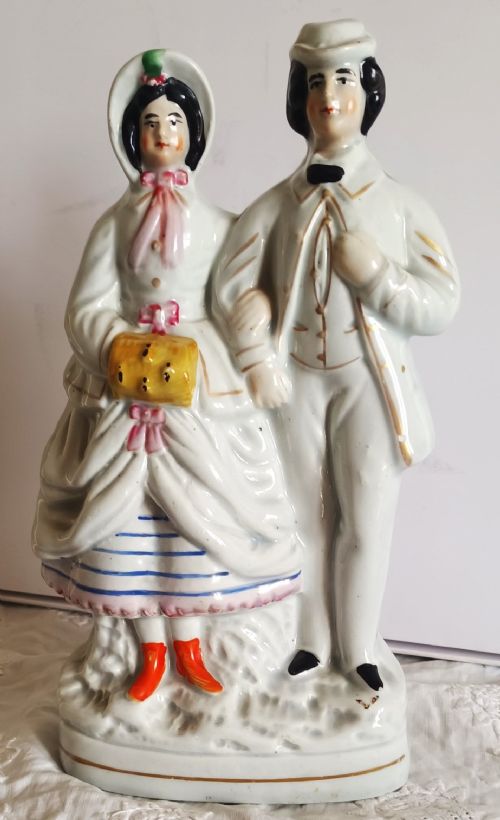
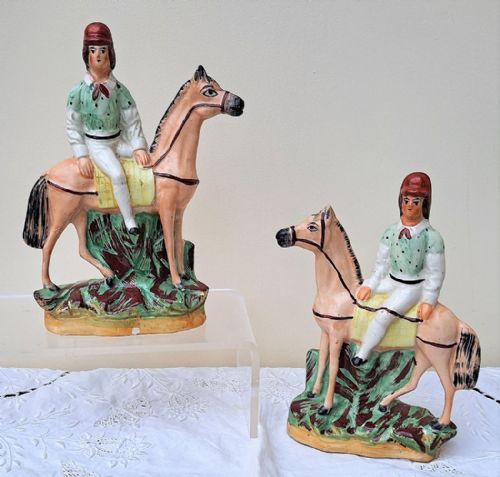
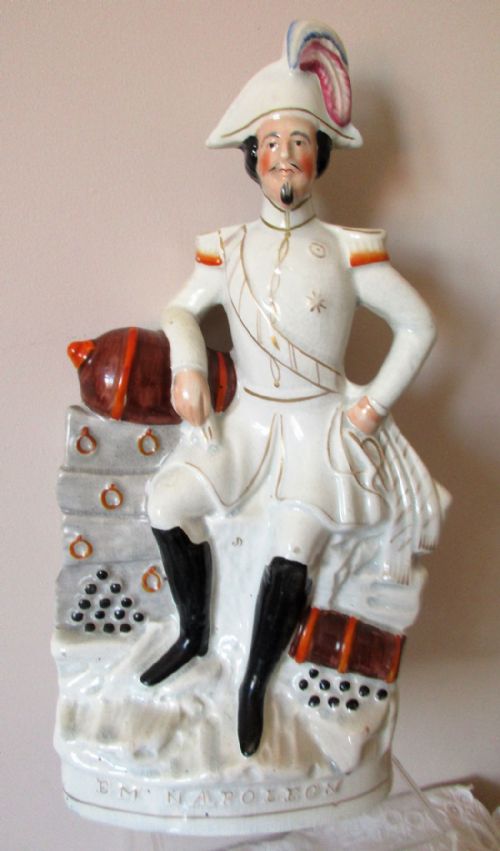
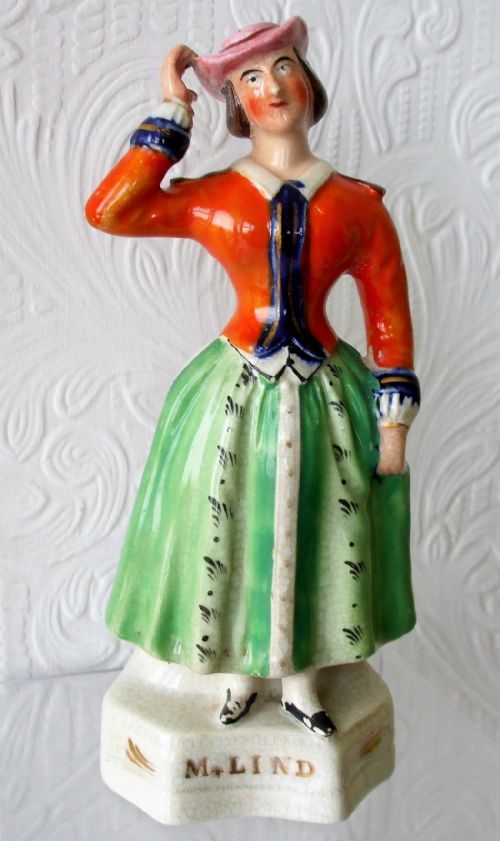
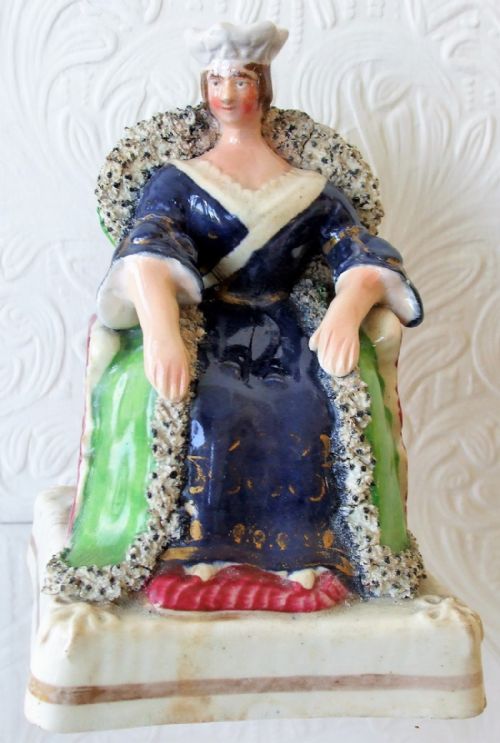
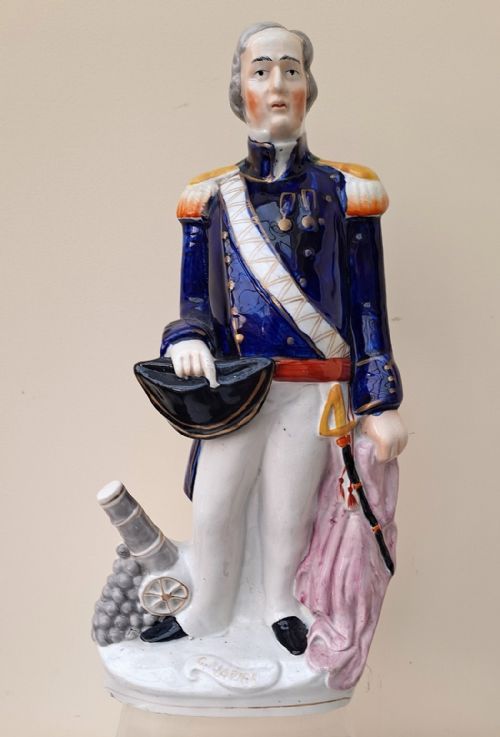
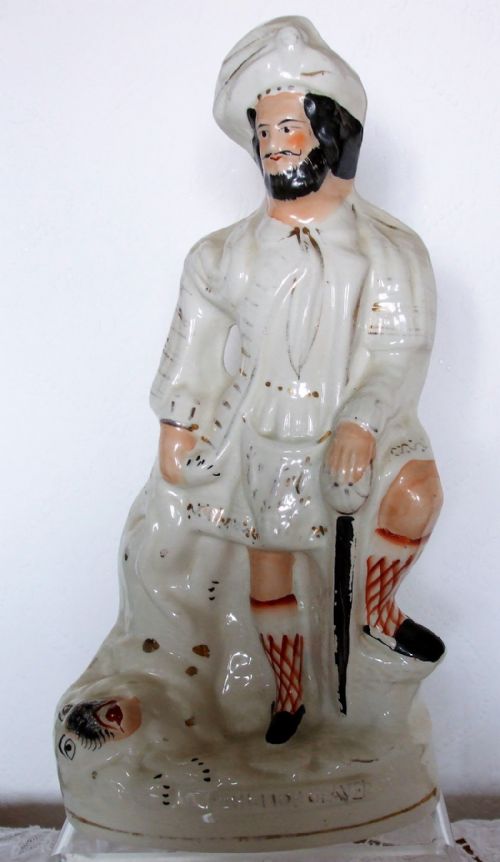
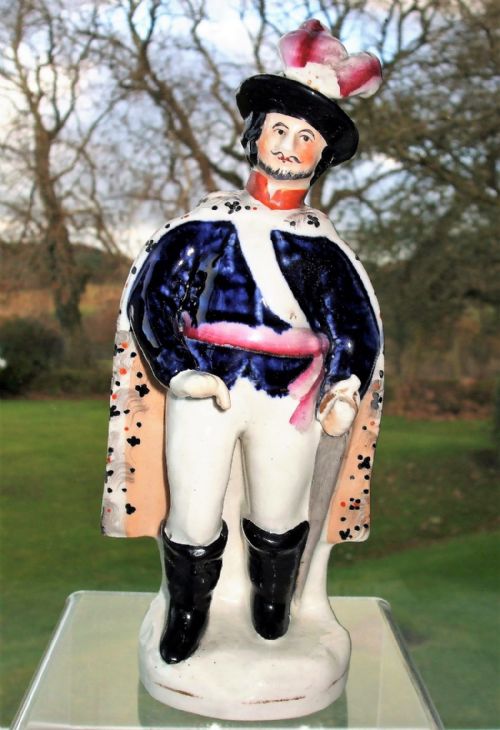
Flatback pottery figures encompass nineteenth-century earthenware pieces shaped as royal portraits, theatrical characters, sailors, and historical subjects. Buyers searching for flatback pottery figures encounter portrait figures, equestrian pieces, spill vases, and cottage models dating from the Victorian era.
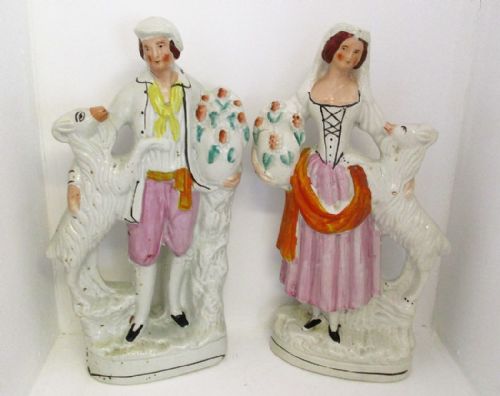
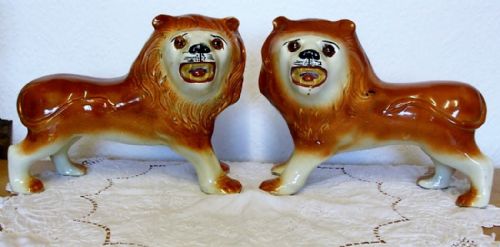
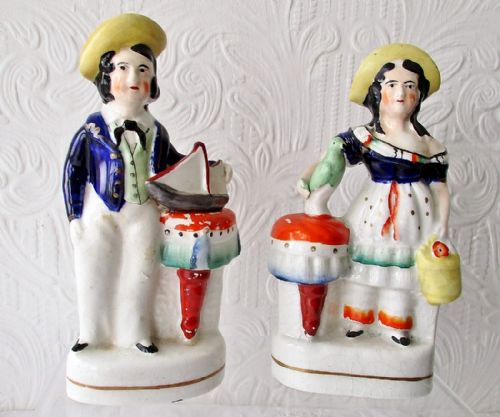
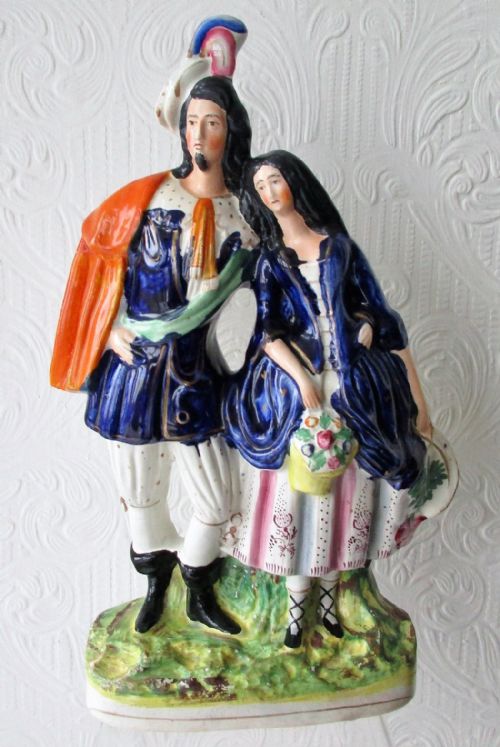
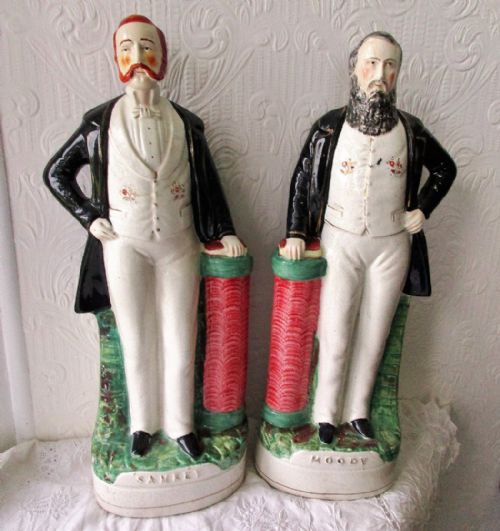
The version most commonly met on this page is the Victorian Staffordshire figure, often modelled as pairs depicting royalty, military heroes, or literary characters. These earthenware ornaments span the middle and late nineteenth century, capturing popular heroes, theatrical personalities, and domestic animals.
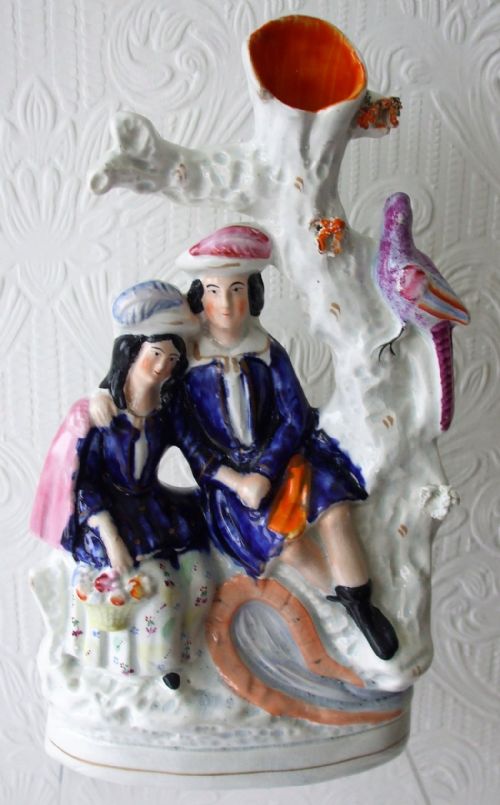
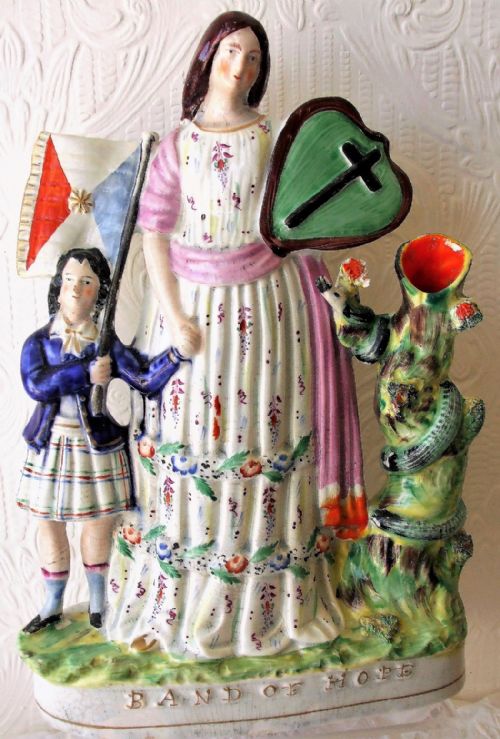
Many examples take the form of spill vases, combining decorative portraiture with a functional receptacle for matches. Other variations include flatback castles and country couples, all sharing the characteristic unglazed rear surface designed to sit flush against a wall.
How they were made
Makers shaped these earthenware pieces using press moulds, joining front and back sections before applying a glaze to the front display surface. The unglazed backs were left flat and plain since the ornaments stood directly against cottage and parlour walls.
Flatback Pottery Figures Retail Price Guide 2026
Typical asking prices for flatback pottery figures among the pieces listed under this phrase on Sellingantiques today, from the lower quarter to the upper quarter. They describe what is for sale here now, not the wider market.
Victorian mantelpieces gained cheerful company when potters turned current events into colourful ceramic characters.
What varies in quality
Quality separates through the crispness of the modelling and the precision of the hand-painting on the faces and garments. Superior examples retain bright enamel colours and clear lettering on the glazed surfaces without excessive blurring.
The weight and finish of the ceramic body differ across pieces, with finer figures displaying more delicate facial expressions and careful application of gilt. Larger models and pairs demand greater skill in the moulding process to prevent warping during kiln firing.
Sampson Smith
The Flatback Pottery Figures Glossary
- Flatback
- A ceramic figure modelled fully on the front and sides while the reverse remains flat and unglazed. This construction allowed the ornament to sit closely against a mantelpiece or shelf.
- Spill vase
- A hollow pottery cylinder incorporated into a figure group, designed to hold taper spills for lighting pipes or candles. These combine utilitarian function with portrait modelling.
- Lead glaze
- A glossy coating applied to earthenware before firing to seal the porous clay and provide a smooth surface. It gives the colours a characteristic depth and shine.
- Earthenware
- A porous pottery body fired at relatively low temperatures, forming the standard material for nineteenth-century Staffordshire figures. It requires glazing to hold liquids or resist moisture.
Flatback Pottery Figures: Frequently Asked Questions
What are flatback pottery figures?
Flatback pottery figures are nineteenth-century earthenware ornaments shaped as people, animals, and buildings. They feature decorated fronts and flat, unglazed backs.
Potters designed them for display on mantelpieces and shelves in Victorian homes. Subjects range from royal portraits and military heroes to theatrical performers and country couples.
Where were flatback pottery figures displayed?
People placed these figures on mantelpieces, sideboards, and parlor shelves throughout nineteenth-century homes. Their flat backs allowed them to stand flush against walls in rooms with limited space.
They served as decorative ornaments and conversation pieces for middle-class Victorian households. Spill vase variants also stood on mantelpieces to hold wooden tapers for lighting fires and pipes.
How do you date flatback pottery figures?
Dating relies on the historical subjects depicted, such as Crimean War figures, royal portrait pieces, or specific theatrical personalities. Makers recorded contemporary events, military campaigns, and public figures on the ceramic bases.
The style of the earthenware body, glaze characteristics, and painted lettering provide further clues to the period of manufacture during the nineteenth century.
Were flatback figures made in pairs?
Makers frequently produced flatback figures as matching pairs, depicting subjects like the Prince of Wales and Princess Royal, or farmyard animals. These symmetrical pairs suited the formal arrangement of Victorian mantelpieces.
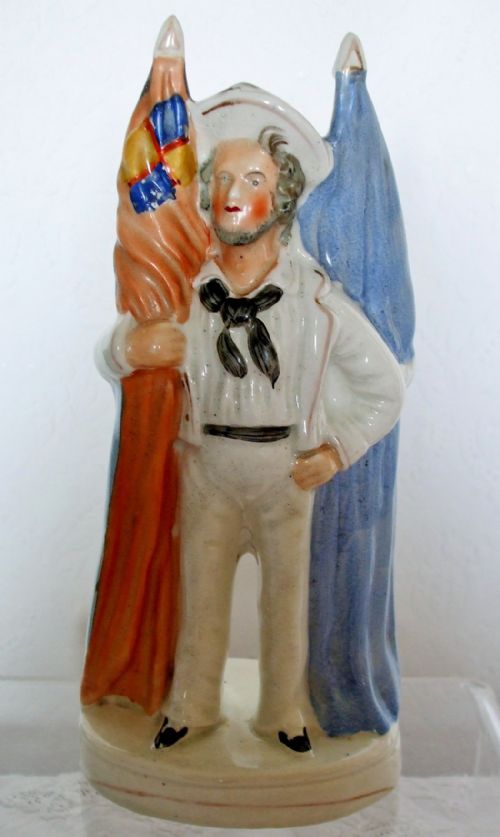
Single figures also appeared alongside pairs, representing standalone portraits of historical figures, sailors, or literary characters.