

Ceramic Royal Figurines
Ceramic royal figurines bring together portraiture and pottery, capturing monarchs, royals and figures from 19th-century and 20th-century workshops for display.
Ceramic Royal Figurines
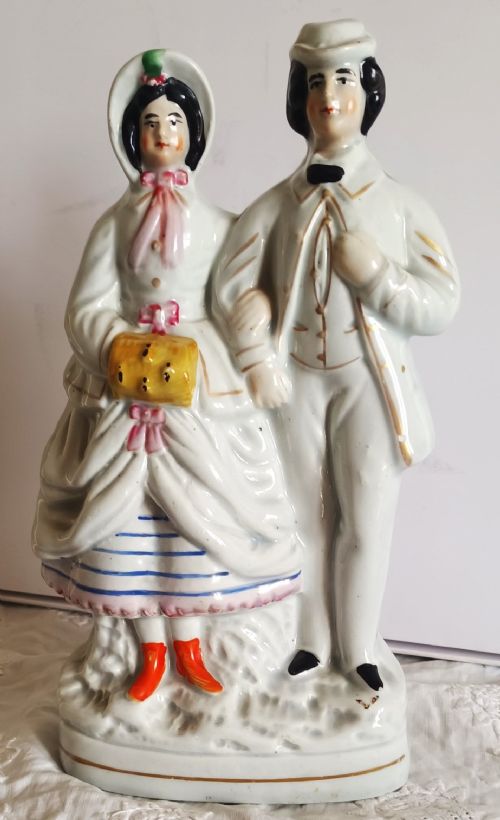
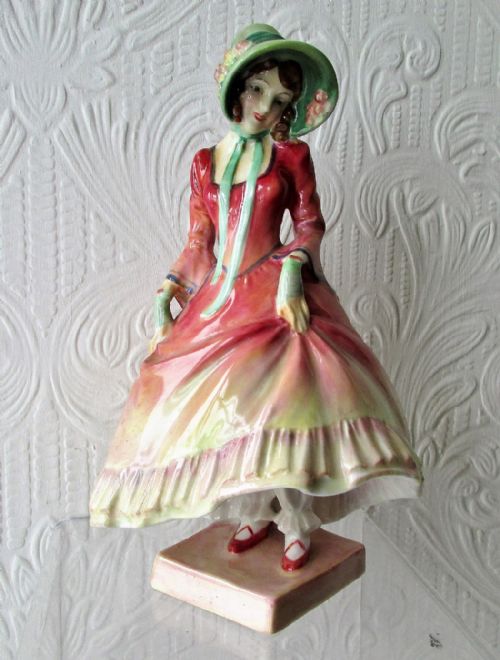
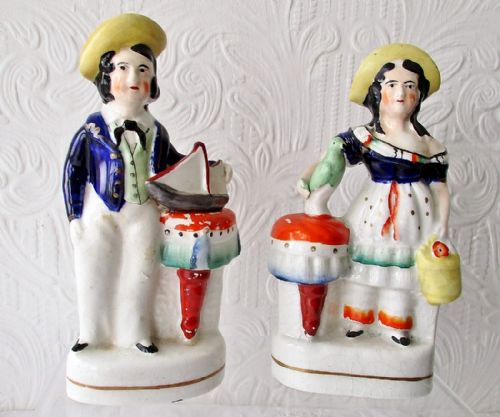
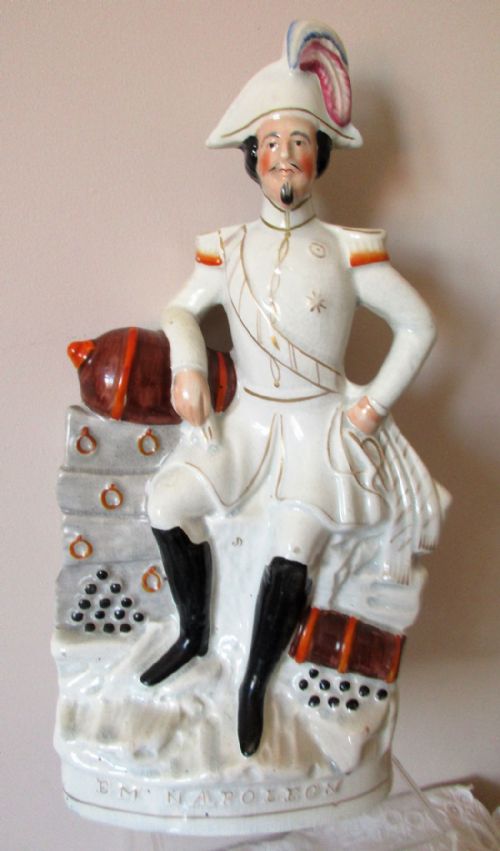
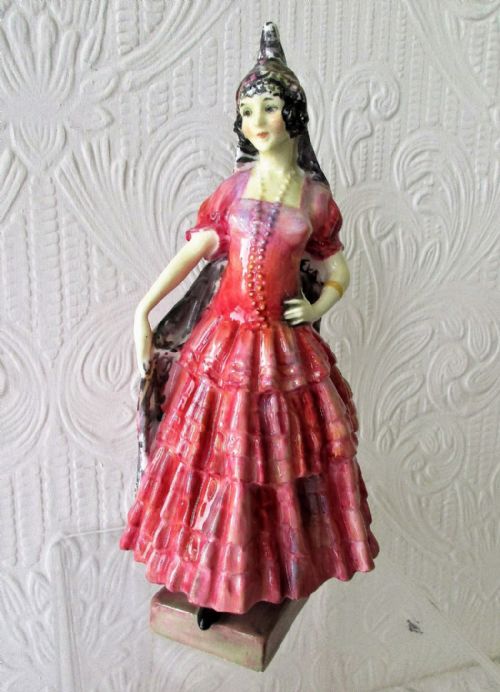
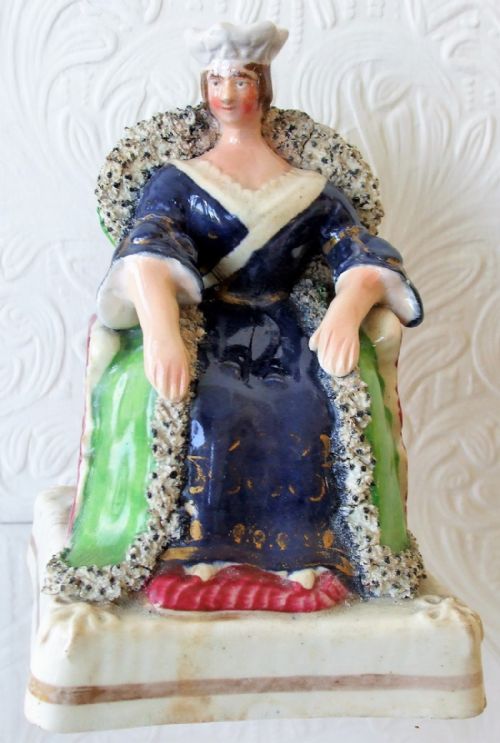
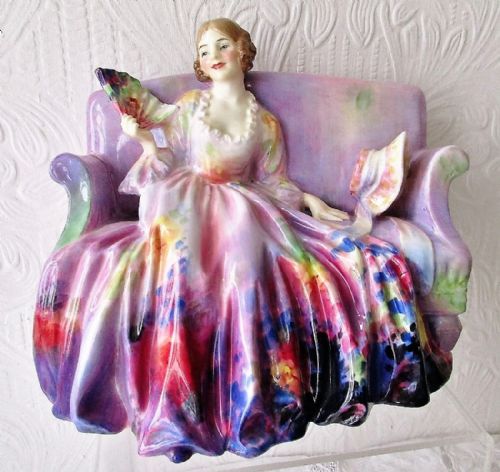
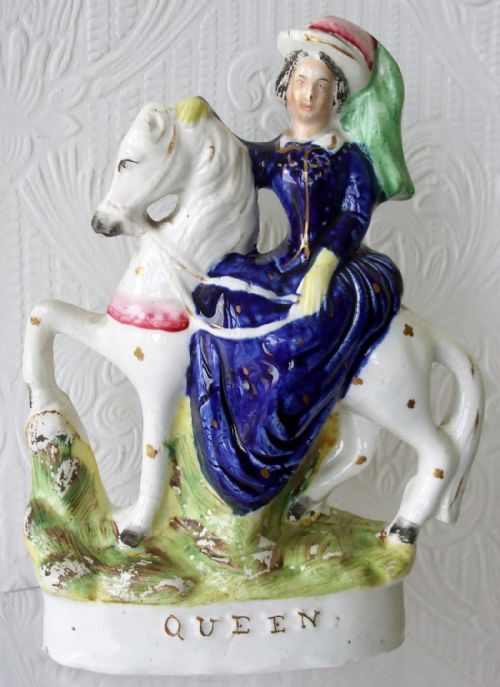
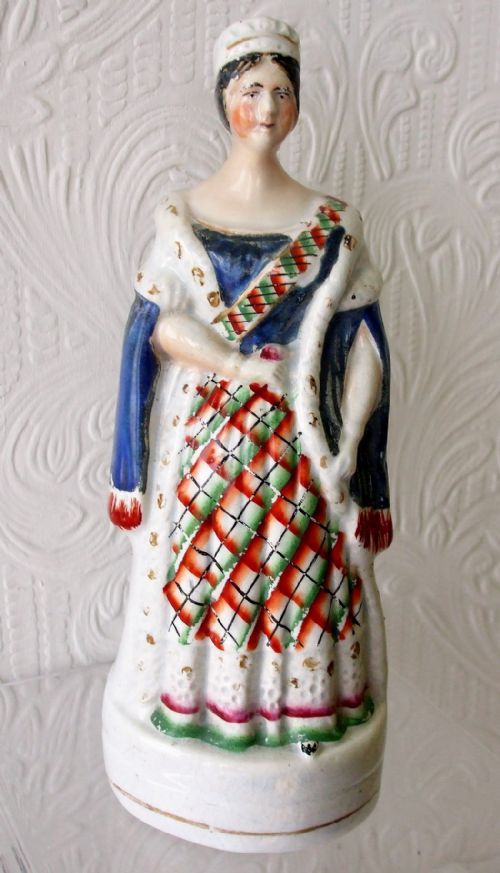
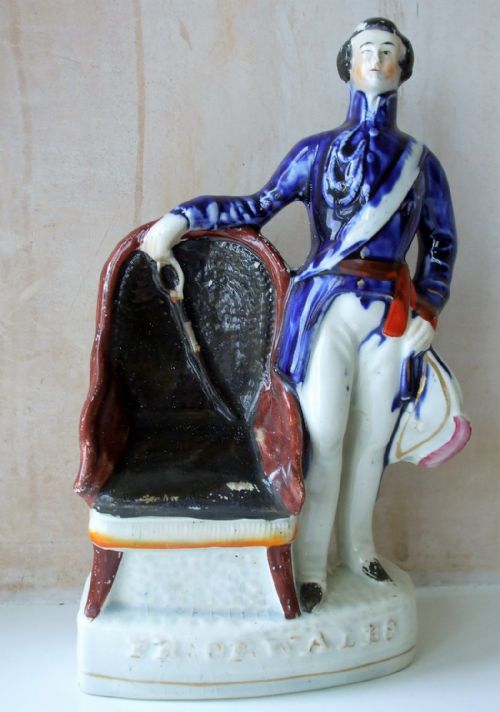
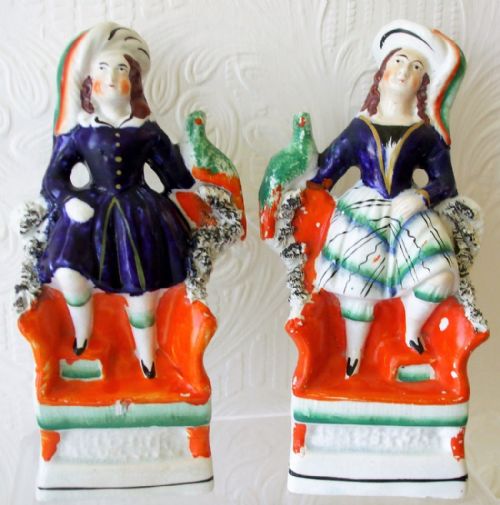
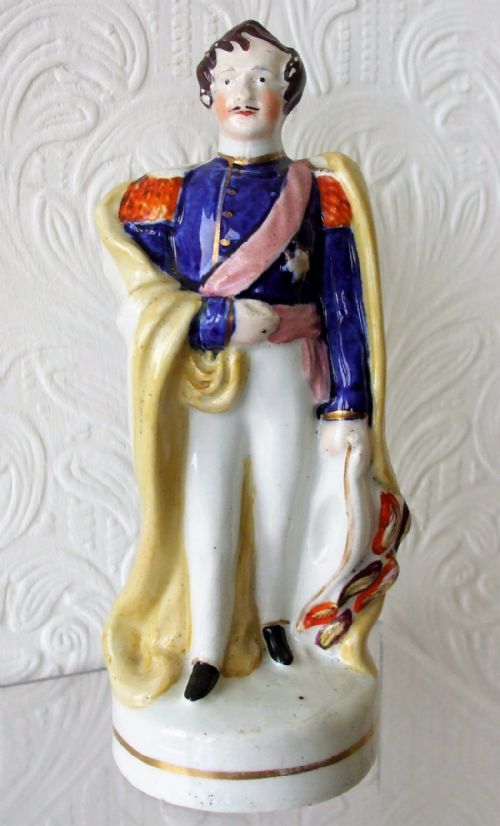
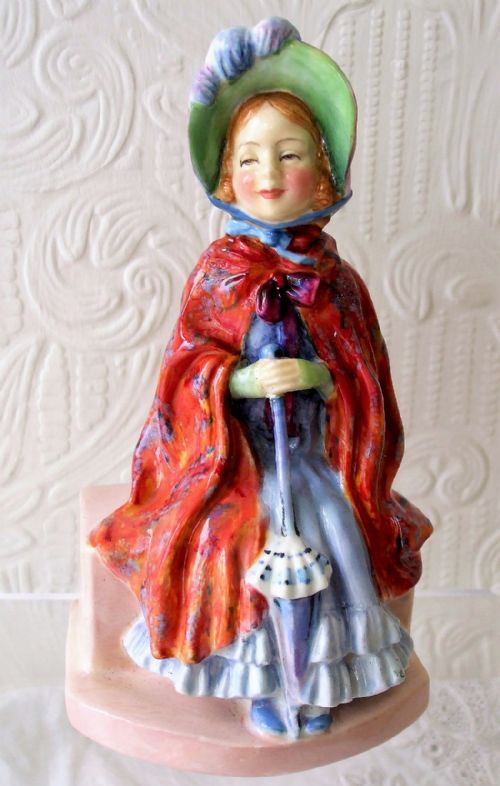
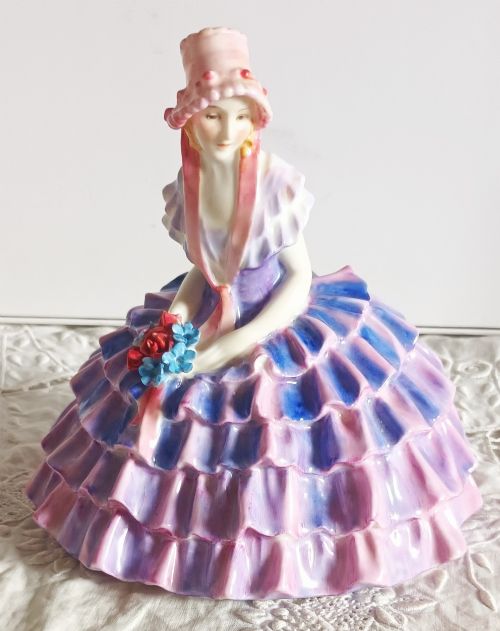
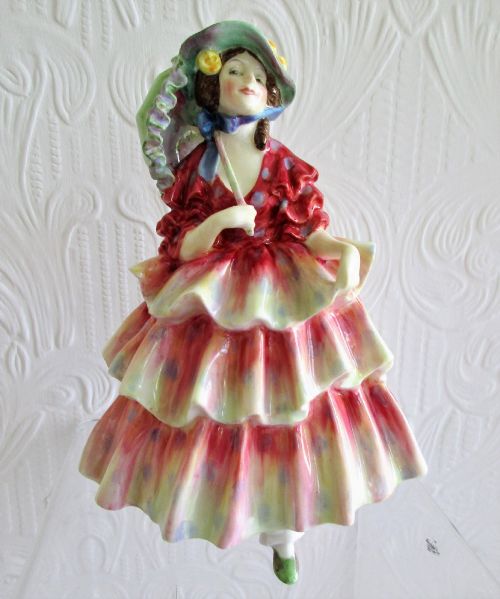
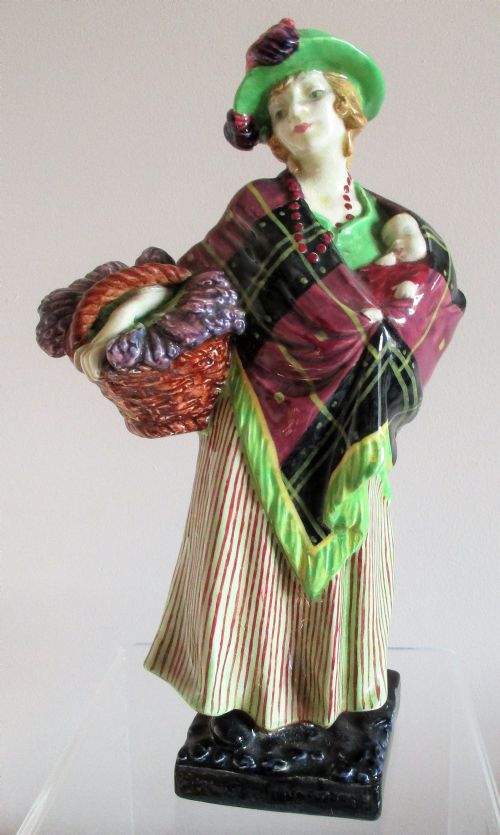
When searching for ceramic royal figurines, collectors encounter two distinct traditions spanning the Victorian era through the mid-20th century. The first comprises Staffordshire portrait figures of British royalty, including Queen Victoria, Prince Albert, and the Prince of Wales, modelled in earthenware with flat backs and vibrant hand-applied glazes. The second tradition spans refined porcelain and bone china figures from factories holding royal warrants, capturing subjects from classical maidens to literary characters.
The Staffordshire group leans toward folk art and historical commemoration, often depicting monarchs seated or on horseback with robust modelling and gold leaf highlights. Conversely, factory-produced figures from makers such as Royal Doulton and Royal Worcester present delicate polychrome enamels and sophisticated glaze finishes. These pieces reflect the evolving tastes of Victorian, Edwardian, and Art Deco households, transitioning from bold mantelpiece ornaments to intricate cabinet sculptures.
Materials and production methods
Potters shaped these figures using press moulds or slip casting, depending on the scale and complexity of the model. Staffordshire earthenware pieces were cast in two-part moulds, joined, and finished with a tin or lead glaze before receiving hand-painted cobalt blue, enamel, and gold leaf details. Later porcelain and bone china items underwent high-temperature kiln firings to achieve a dense, vitrified body capable of holding subtle blush ivory and polychrome surface decorations.
Surface finishes rely heavily on the interaction between the clay body and the kiln. Glaze formulations vary from the glossy, pooling surfaces of early Staffordshire pieces to the matte or soft-sheen blush ivory developed by Royal Worcester. Gilt accents and enamel highlights were added in subsequent low-temperature firings, locking the rich colour palette permanently onto the ceramic surface.
Ceramic Royal Figurines Retail Price Guide 2026
Typical asking prices for ceramic royal figurines among the pieces listed under this phrase on Sellingantiques today, from the lower quarter to the upper quarter. They describe what is for sale here now, not the wider market.
Several Victorian figures immortalize royal pets, ensuring that pampered palace puppies and kittens share mantel space with monarchs.
Factors determining quality
Colour application and glaze purity further distinguish finer examples. Superior pieces display controlled enamel work without running or smudging, alongside rich, well-preserved gold leaf. The crispness of the base mark and the stability of the fired body indicate the care taken during production at the pottery.
Royal Doulton·Royal Worcester·Royal Dux Bohemia·Royal Copenhagen·James Hadley
The Ceramic Royal Figurines Glossary
- Flatback
- A Staffordshire figure modelled with a finished front and a hollow, unglazed or minimally glazed back designed to stand against a wall. This construction method saved weight and materials during kiln firing.
- Blush Ivory
- A specialised cream-coloured matte porcelain body pioneered by Royal Worcester, featuring delicate tinted underglazes that mimic natural skin tones and organic textures. It gained immense popularity during the late Victorian period.
- Bone China
- A type of porcelain containing bone ash, resulting in a strong, highly translucent ceramic body that accepts fine polychrome enamel painting and gilding exceptionally well.
- Enamel
- Vitreous colours applied over a fired glaze and fused in a muffle kiln at a lower temperature. This technique allows for a broad spectrum of bright hues on finished ceramic surfaces.
- Staffordshire Pottery
- The collective output of numerous kilns operating in the Midlands of England, renowned for producing earthenware portrait figures and domestic ornaments.
Ceramic Royal Figurines: Frequently Asked Questions
How were Staffordshire royal figures displayed?
These earthenware portrait pieces sat on mantelpieces, cottage dressers, and windowsills across 19th-century homes. Their flat backs allowed them to rest flush against walls in domestic living spaces.
Owners often grouped monarchs and family members together, creating patriotic displays that celebrated the British monarchy during Victorian times.
What is the difference between earthenware and porcelain figures?
Earthenware figures, common in early Staffordshire production, utilise porous clay fired at lower temperatures and finished with opaque glazes. They offer a robust, folk-art aesthetic with bold hand painting.
Porcelain and bone china pieces undergo higher firing temperatures, yielding a vitrified, translucent body capable of supporting delicate details, fine facial expressions, and sophisticated enamel palettes.
How do I date an antique ceramic figure?
Dating relies on a combination of factory backstamps, model numbers, registration marks, and stylistic clues. Early Victorian Staffordshire pieces often lack makers' marks, requiring stylistic comparison with known portrait subjects.
Factory pieces from makers like Royal Doulton or Royal Worcester frequently feature impressed or printed ciphers that narrow production down to specific decades or active artist periods.
Why do some figures have model numbers?
Potteries assigned numerical codes to successful sculptural forms to streamline production and record inventory. These numbers help collectors identify specific editions, designers, and production eras.
In factory production, numbers such as Royal Doulton HN codes or Royal Worcester model numbers provide a direct link to company archives and manufacturing dates.