



Earthenware Portrait Statue
An earthenware portrait statue captures royalty, statesmen and theatrical stars in pottery, offering a tangible link to Victorian public life.
Earthenware Portrait Statue
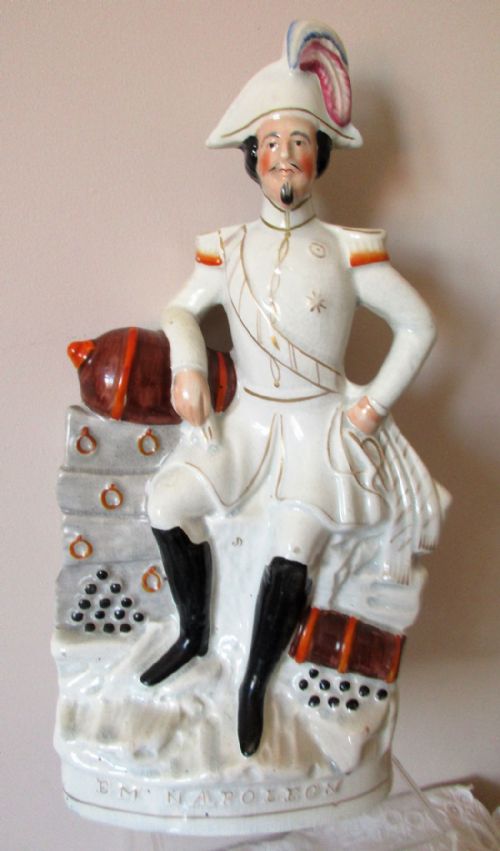
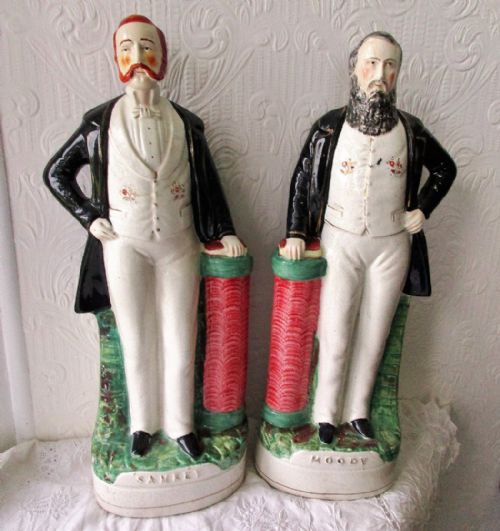
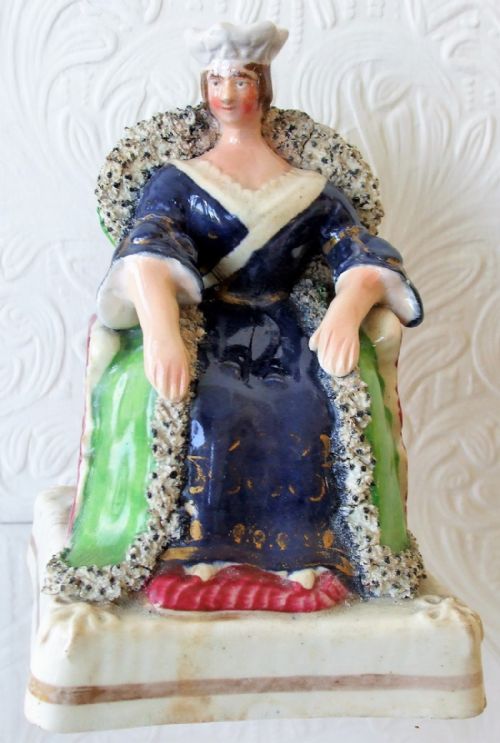
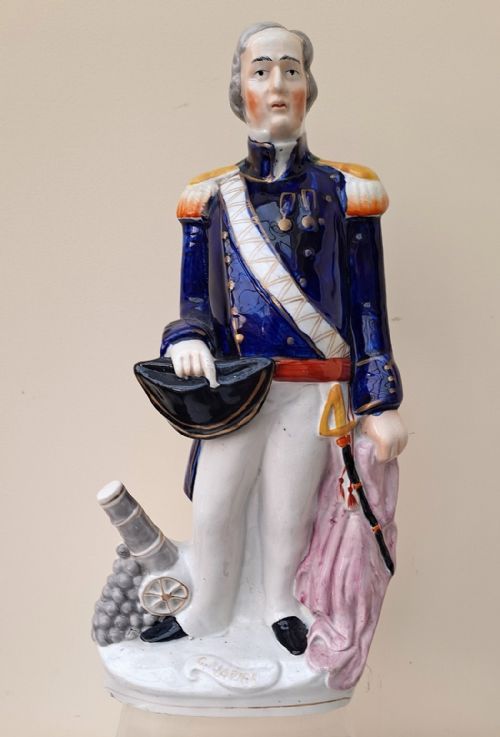
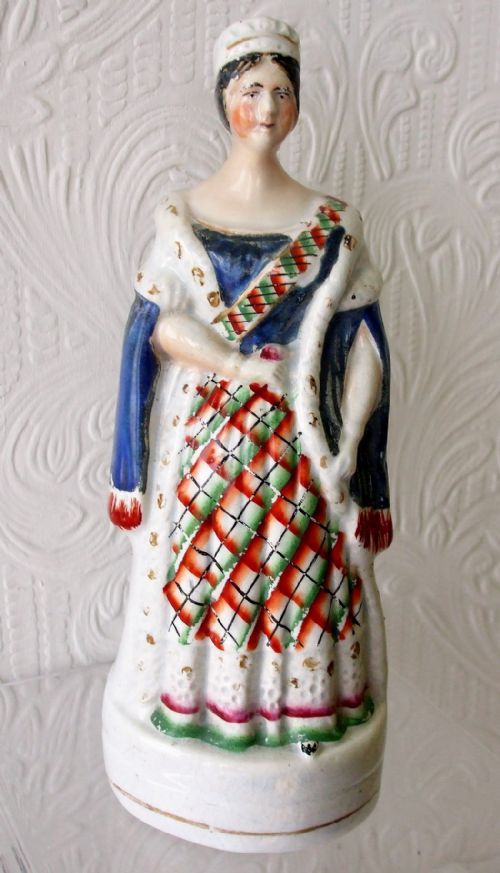
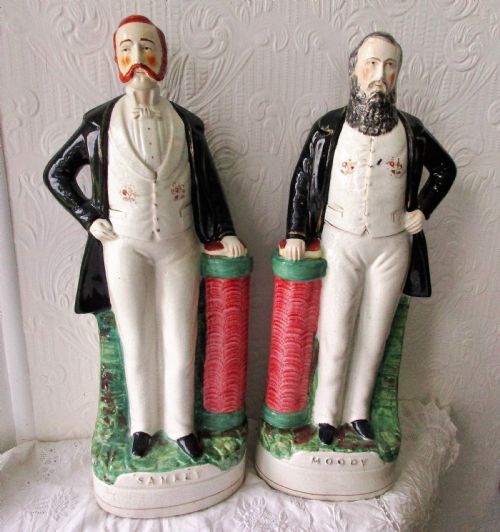
Every earthenware portrait statue depicts a specific person of note, ranging from monarchs like Queen Victoria to evangelists such as Moody and Sankey, and literary figures like William Shakespeare.
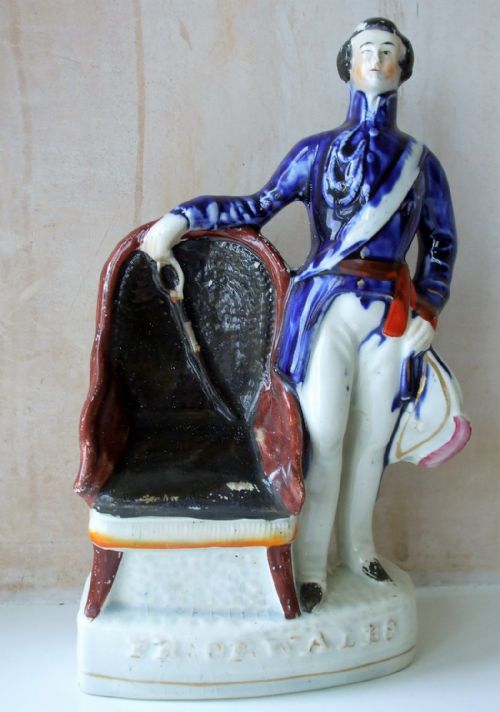
The majority of pieces encountered on this page originate from the nineteenth century, reflecting the Victorian appetite for commemorative pottery figures of royalty, military leaders and national heroes.
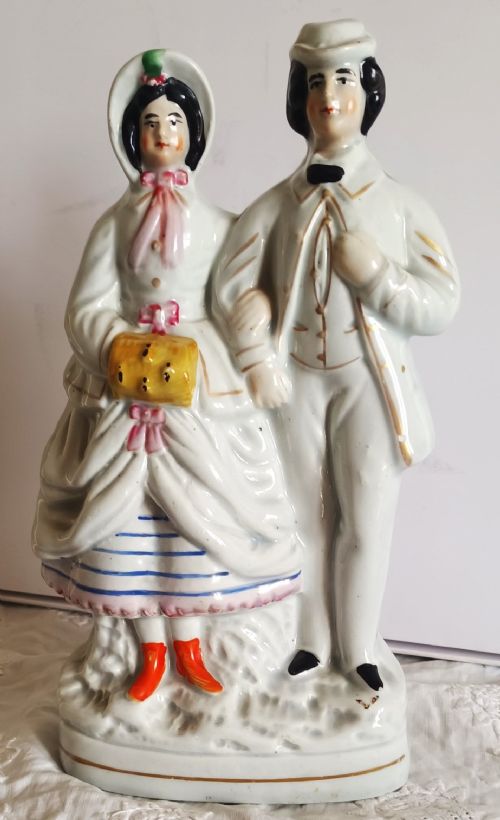
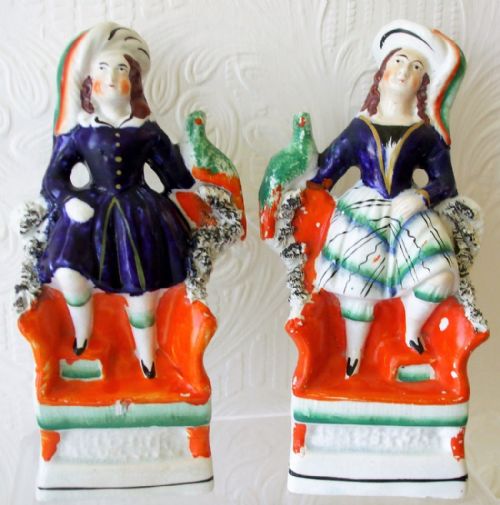
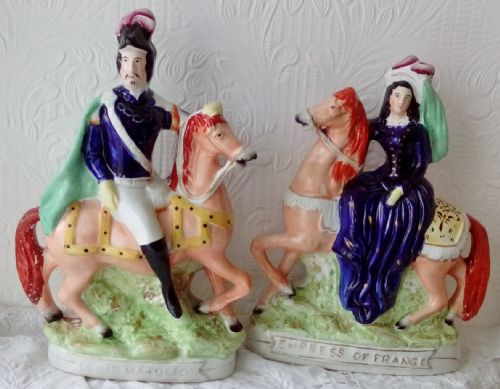
Makers produced these portrait subjects both individually and in matched pairs, such as the Prince of Wales and Princess Royal, or Louis Napoleon and the Empress of France.
Materials and construction
Selected details receive embellishments of gold leaf, highlighting crowns, buttons or inscriptions upon the base of the ceramic figure.
Earthenware Portrait Statue Retail Price Guide 2026
Typical asking prices for earthenware portrait statue among the pieces listed under this phrase on Sellingantiques today, from the lower quarter to the upper quarter. They describe what is for sale here now, not the wider market.
Listings span the nineteenth century, featuring Victorian Folk Art, Georgian, and Art Nouveau styles across earthenware and terracotta.
Distinctions in craftsmanship
Finely modelled portrait statues display sharper facial likenesses and more carefully applied enamel paint, whereas lesser examples rely on simpler strokes and heavier glaze application.
The precision of the painted titles and the crispness of the moulded details distinguish standard Staffordshire figures from superior representations of historical personages.
Georges Morin
The Earthenware Portrait Statue Glossary
- Earthenware
- A porous pottery body fired at lower temperatures, serving as the primary material for nineteenth-century portrait figures. It requires a glaze to render it impermeable to liquids.
- Lead glaze
- A glassy coating containing lead oxide, fused to the earthenware body during a secondary firing. It produces the smooth, reflective finish typical of Staffordshire pottery.
- Staffordshire figures
- Pottery ornaments produced in the industrial potteries of Staffordshire, encompassing the portrait statues, busts and theatrical subjects seen here.
Earthenware Portrait Statue: Frequently Asked Questions
What is an earthenware portrait statue?
An earthenware portrait statue is a moulded ceramic figure created to honour a monarch, military hero, evangelist or theatrical performer.
These pieces served as popular mantelpiece ornaments in nineteenth-century homes, allowing the public to display their admiration for prominent figures of the era.
How were these figures displayed originally?
Victorian households placed these ceramic portraits on mantelpieces, sideboards and tabletops, often pairing related subjects together such as royal couples or political allies.
Their brightly painted surfaces and gilded details were designed to catch the candlelight and gaslight of period interiors.
Are these pieces dated accurately?
Dating relies on historical events, reigning monarchs, and the known operational periods of nineteenth-century Staffordshire potteries.
Changes in glazing techniques and moulding styles help narrow down the decade of production for unmarked portrait figures.