



Staffordshire Royal Portrait Figure
A Staffordshire royal portrait figure brings Victorian majesty straight to your mantelpiece through hand-painted earthenware likenesses of monarchs and military heroes.
Staffordshire Royal Portrait Figure
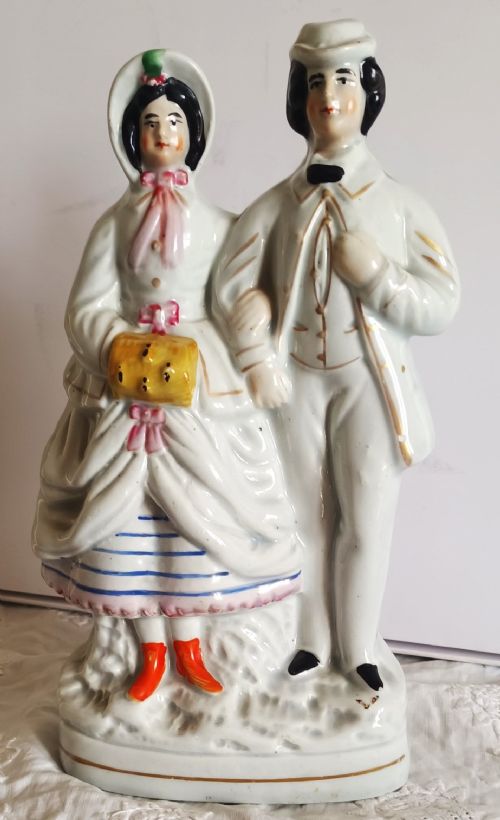
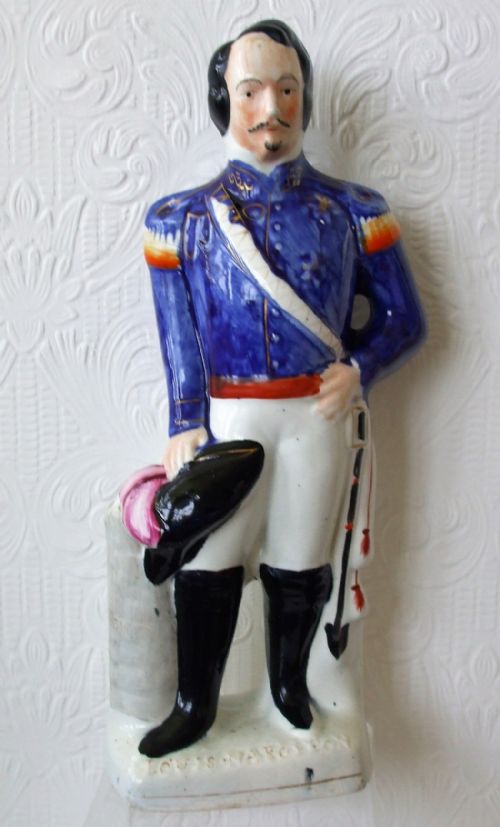
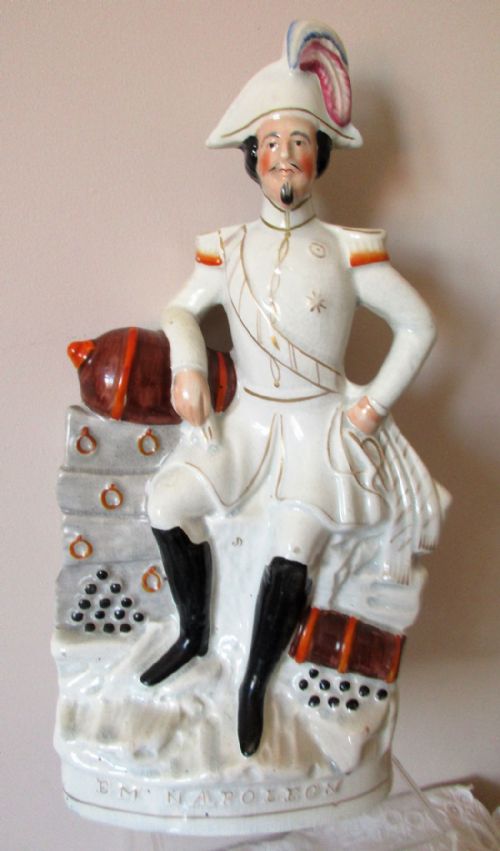
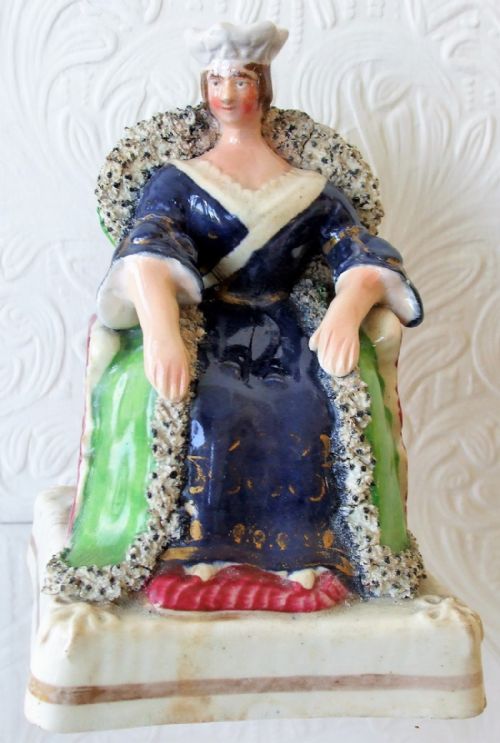
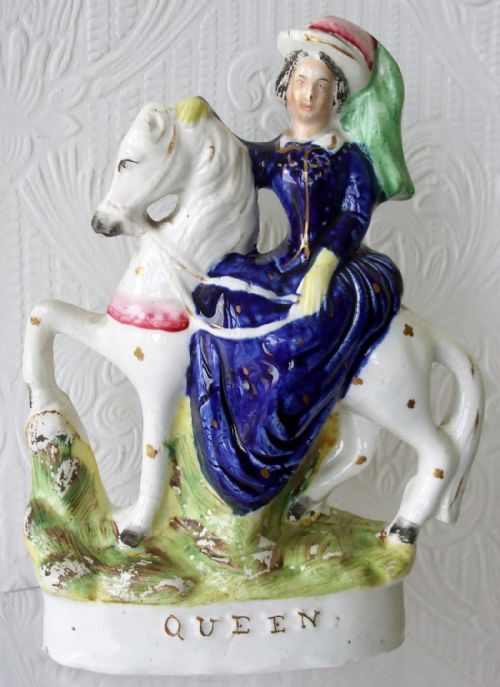
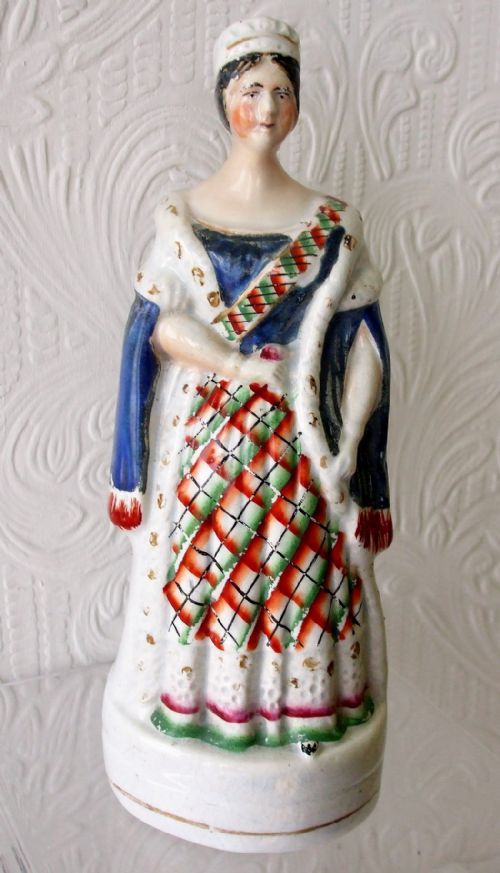
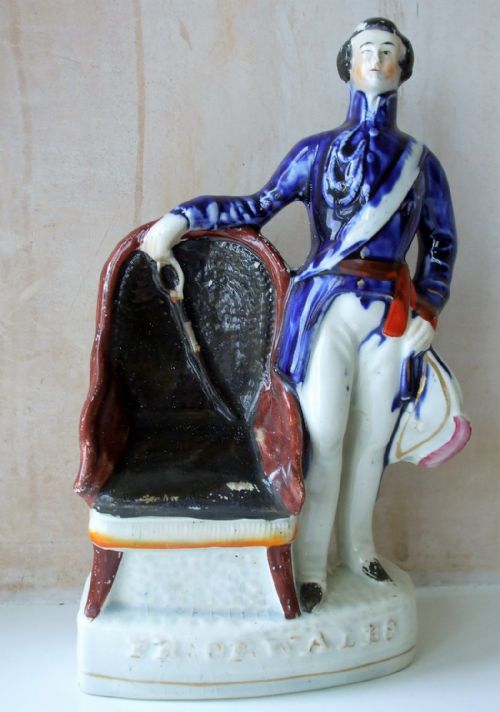
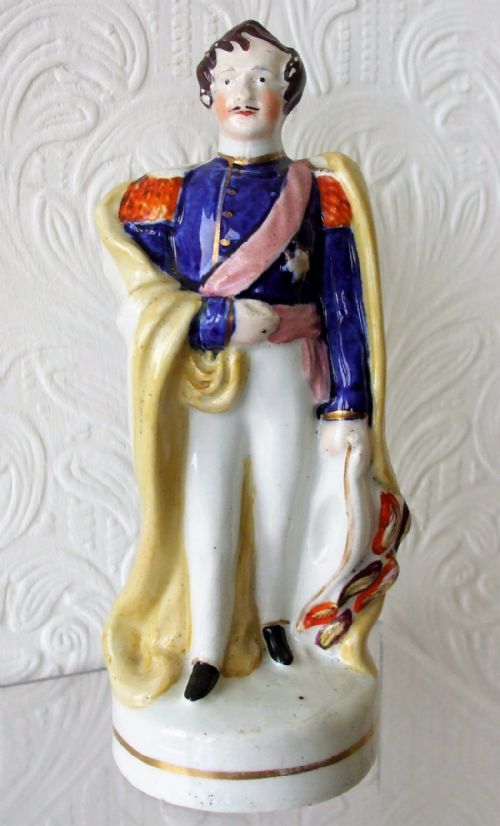
Staffordshire royal portrait figures are ceramic depictions of nineteenth-century monarchs, royal children and allied political leaders made in the pottery kilns of central England. These pieces capture the public fascination with the Victorian monarchy through commemorative portraits of figures such as Queen Victoria, Prince Albert and Napoleon III.
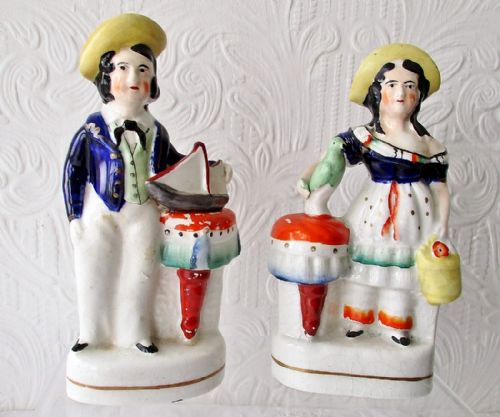
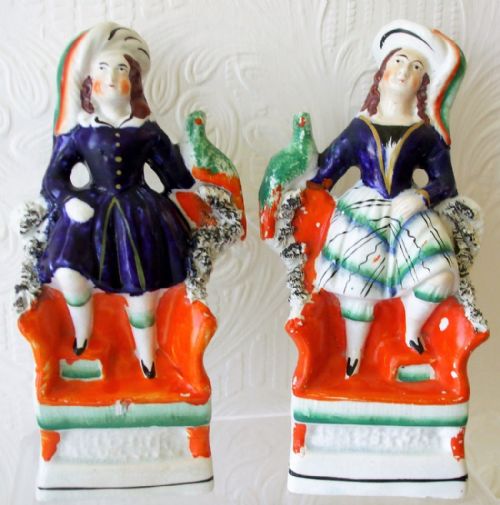
The most common examples on this page are flatback figures designed to stand against a wall, depicting single rulers or royal groups like Turkey, England and France. Pairs representing the Prince of Wales and Princess Royal frequently appear alongside solo portraits of Queen Victoria.
Originating in the nineteenth century, particularly spanning the decades from eighteen sixty to eighteen eighty, these pottery figures functioned as affordable mantelpiece ornaments for Victorian households. They translate contemporary print culture and political alliances into domestic ceramic sculpture.
What varies in quality
Quality in these figures depends upon the precision of the hand-painted enamel work and the crispness of the moulded details. Finer examples retain vibrant gold leaf and clean enamel paint that clearly define the facial expressions and uniforms of the royal subjects.
The complexity of the form also dictates the standard of the piece, as multi-figure groups like alliance scenes demand greater skill in modelling than single portraits. Careful application of glaze and balanced coloration separate superior Victorian folk art from simpler commercial output.
Staffordshire Royal Portrait Figure Retail Price Guide 2026
Typical asking prices for staffordshire royal portrait figure among the pieces listed under this phrase on Sellingantiques today, from the lower quarter to the upper quarter. They describe what is for sale here now, not the wider market.
Listings feature nineteenth-century Staffordshire pieces utilising earthenware, lead glaze, enamel paint and gold leaf within Victorian folk art styles.
The Staffordshire Royal Portrait Figure Glossary
- Earthenware
- Porous pottery fired at a lower temperature than stoneware or porcelain. It serves as the primary body material for nineteenth-century Staffordshire figures.
- Flatback
- A style of ceramic figure where the reverse is unglazed and flat, intended for display against a wall rather than in the round.
- Lead glaze
- A glossy coating containing lead oxide applied to pottery before firing. It gives these nineteenth-century pieces their characteristic shine and protects the painted surface.
- Gilt
- A thin layer of gold or gold leaf applied to ceramic decoration. It highlights royal crowns, titles and military buttons on portrait figures.
Staffordshire Royal Portrait Figure: Frequently Asked Questions
What are Staffordshire royal portrait figures?
Staffordshire royal portrait figures are nineteenth-century ceramic sculptures depicting monarchs, princes and political figures of the era.
Potters in England created these earthenware ornaments to commemorate royalty and international alliances for Victorian households.
How were flatback figures displayed?
Flatback figures were designed with unglazed flat rears so they could sit flush against mantelpieces or shelves.
This construction kept the pieces stable against walls while focusing all decorative detail on the front.
Which royals appear on these figures?
Common subjects include Queen Victoria, Prince Albert, the Prince of Wales and Napoleon III.
Group pieces also record international alliances such as Turkey, England and France during the nineteenth century.
How do I care for antique earthenware?
Keep antique earthenware away from direct sunlight and moisture to protect the delicate enamel paint and gold leaf.
Dust the surface gently with a dry, soft brush rather than using liquid cleaners.