



Antique Military Pottery Figure
An antique military pottery figure brings naval commanders, foreign rulers and royal portraits right to your shelf.
Antique Military Pottery Figure
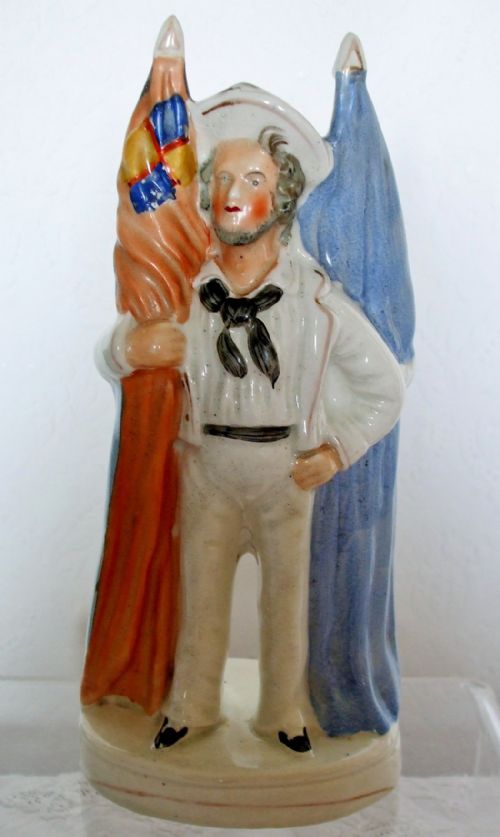
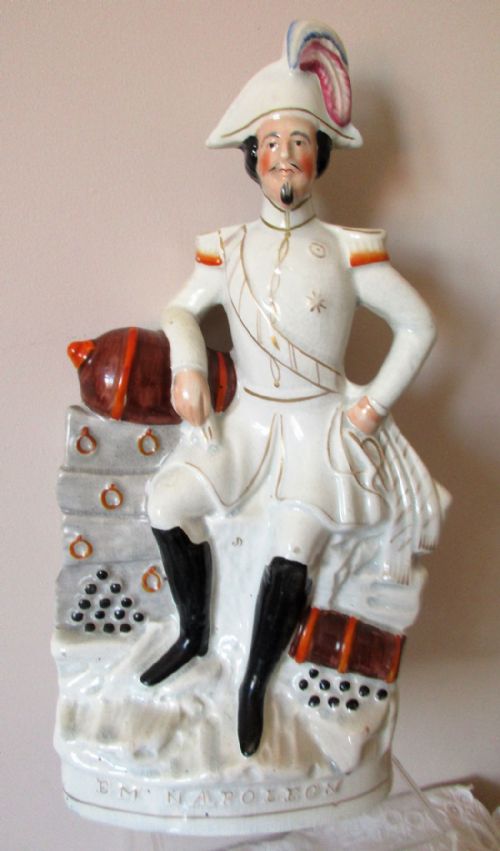
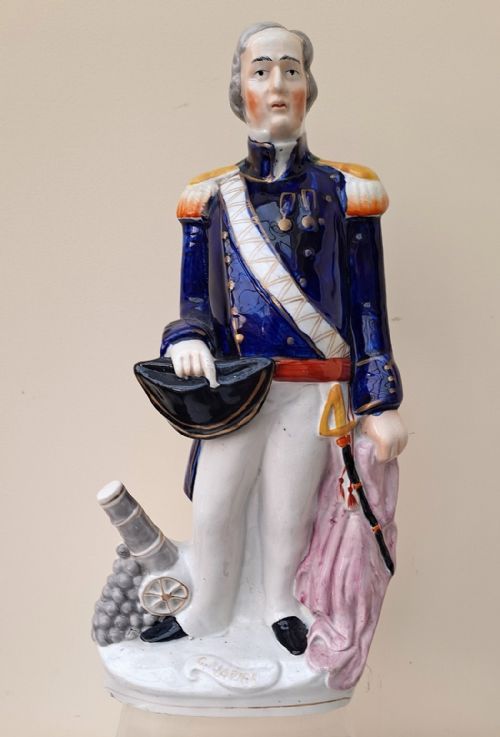
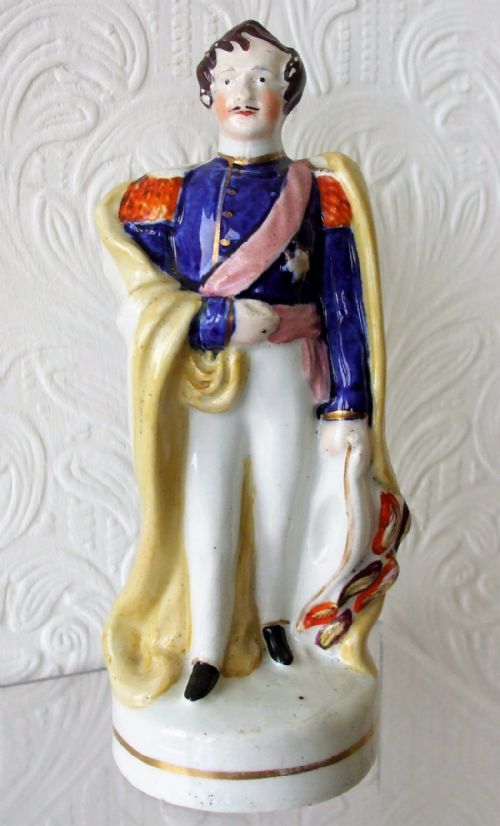
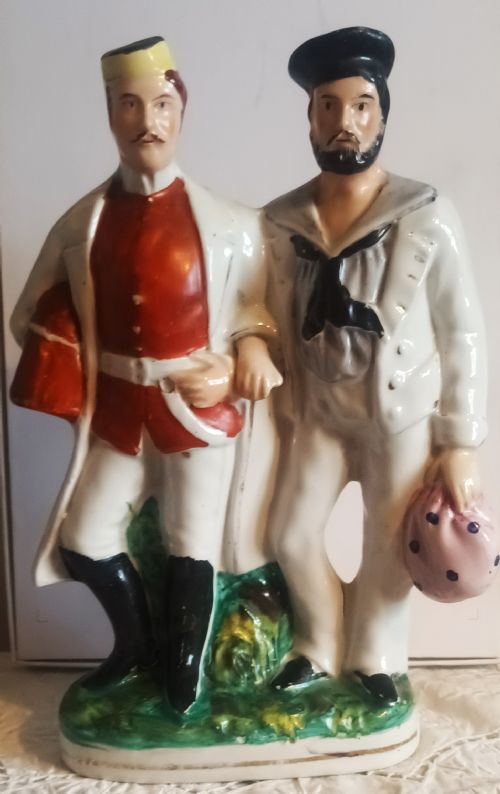
An antique military pottery figure represents the commemorative ceramic sculpture produced during the nineteenth century, capturing the notable military figures, sailors, and rulers of the era. These decorative objects take the form of standing portraits and grouped companions, often modelled with distinct uniforms and titles.
The versions most frequently met on this page belong to the Victorian period, originating from Staffordshire potteries. Collectors encounter representations of figures such as Napoleon III, Prince Albert, and Admiral Sir Charles Napier, alongside reversible designs that pair an English sailor with a French soldier.
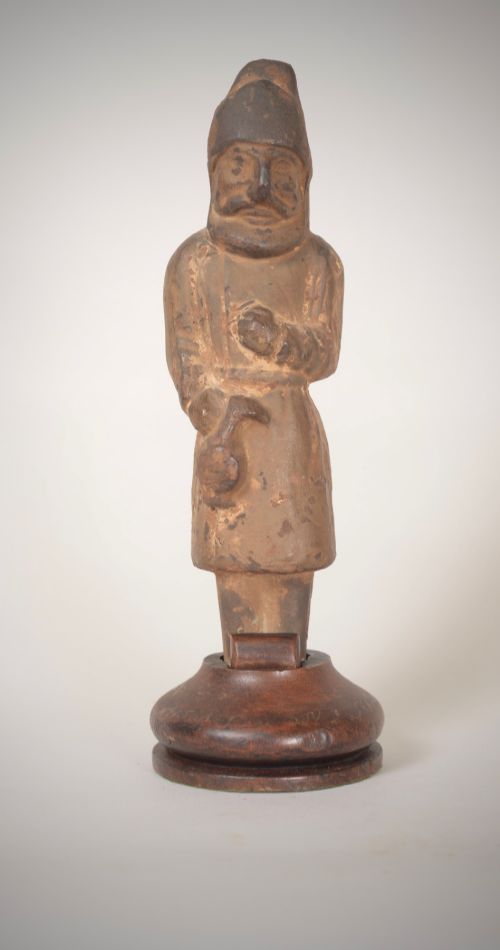
Earlier examples extend back to ancient periods, represented by terracotta guardian sculptures from the Tang dynasty. These older ceramic works contrast sharply with the colourful earthenware portrait pieces of the later nineteenth century, yet both categories share a fundamental sculptural form.
How they were made
Makers shaped these earthenware and terracotta pieces through moulding and modelling, producing solid or hollow ceramic bodies. Craftsmen then applied glazes and lead glazes to seal the porous clay surfaces, preparing the figures for additional surface detail.
Antique Military Pottery Figure Retail Price Guide 2026
Typical asking prices for military pottery figure among the pieces listed under this phrase on Sellingantiques today, from the lower quarter to the upper quarter. They describe what is for sale here now, not the wider market.
Listings on this site feature earthenware, terracotta, enamel paint, and gold leaf across the nineteenth century and earlier periods.
What varies in quality
The application of enamel paint and gold leaf creates a further distinction in quality, with superior pieces showing precise brushwork and well-preserved gilding. Clean, even glaze coverage without excessive pooling also marks the better-finished items.
The Antique Military Pottery Figure Glossary
- Earthenware
- A porous pottery type fired at relatively low temperatures. It forms the primary ceramic body for nineteenth-century English portrait figures.
- Enamel Paint
- Vitreous pigments applied over the fired glaze and subjected to a low-temperature firing. This technique delivers bright surface colours on Victorian figures.
- Lead Glaze
- A glossy coating containing lead oxide applied to the clay body. It produces a shiny, protective finish across the ceramic surface.
- Gold Leaf
- Beaten gold applied to the decorated surface for highlights and lettering. It frequently outlines uniform buttons and names on portrait figures.
- Terracotta
- Unglazed brownish-red fired clay used in ancient sculpture. It provides the material foundation for early guardian figures.
Antique Military Pottery Figure: Frequently Asked Questions
What subjects do these figures show?
These ceramic pieces depict notable military commanders, naval admirals, foreign rulers, and royalty. Common subjects include Admiral Sir Charles Napier, Napoleon III, and Prince Albert.
Some items portray grouped companions in arms or reversible designs featuring opposing soldiers. Each figure records the public heroes and political figures of the nineteenth century.
Where were Victorian pieces made?
The nineteenth-century portrait pieces originate primarily from Staffordshire potteries in England. These regional workshops produced large quantities of commemorative earthenware for domestic display.
Potters shaped these decorative objects to satisfy popular demand for patriotic and royal likenesses. The regional output forms the largest group of items seen here.
How do I care for pottery figures?
Keep these ceramic pieces away from direct sunlight to protect the enamel paints and gold leaf highlights. Dust them gently with a dry, soft brush to avoid scratching the glaze.
Avoid using water or chemical cleaners on antique earthenware surfaces. Stable indoor conditions prevent the underlying clay and glaze from sustaining damage.
Are older figures very different?
Earlier pieces, such as Tang dynasty guardians, consist of unglazed or minimally glazed terracotta rather than decorated earthenware. These ancient sculptures serve a protective purpose rather than commemorating modern historical individuals.
They reflect entirely different cultural origins and manufacturing methods compared to Victorian Staffordshire portrait figures. Their sculptural style focuses on mythical and spiritual defence rather than portraiture.