



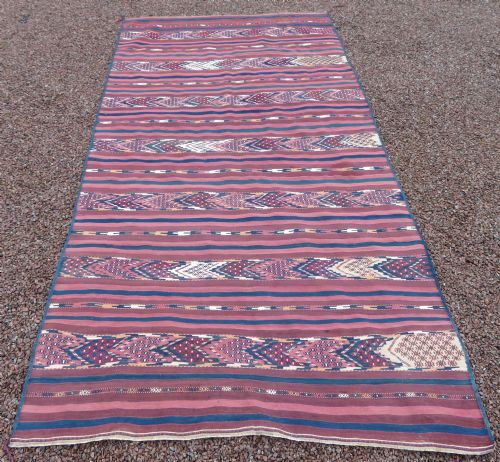
Flat Weave Tribal Runner
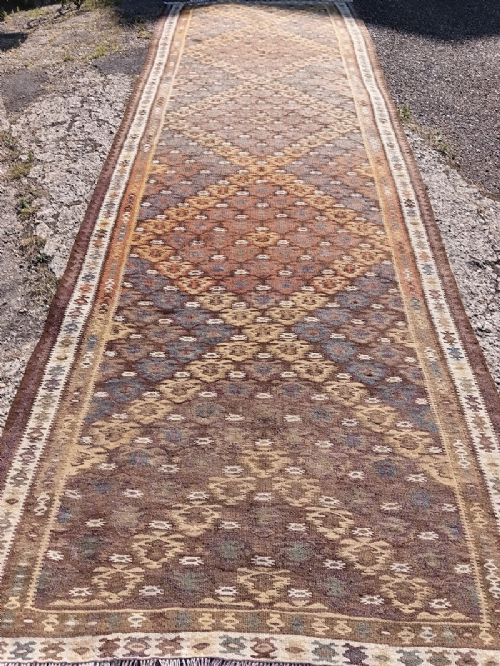
A flat weave tribal runner brings nomadic geometry and floor-anchoring length into a room through flat-woven wool textiles.
Flat Weave Tribal Runner
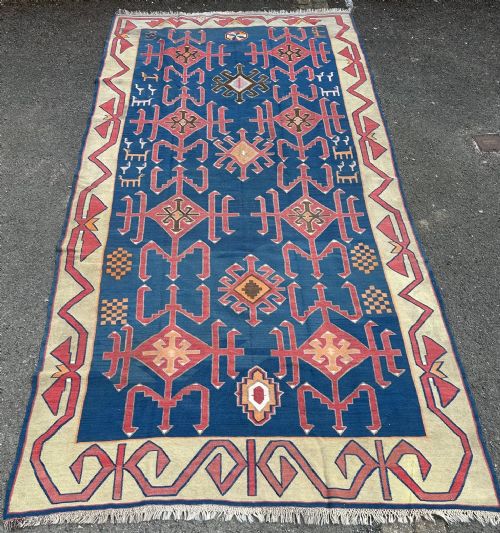
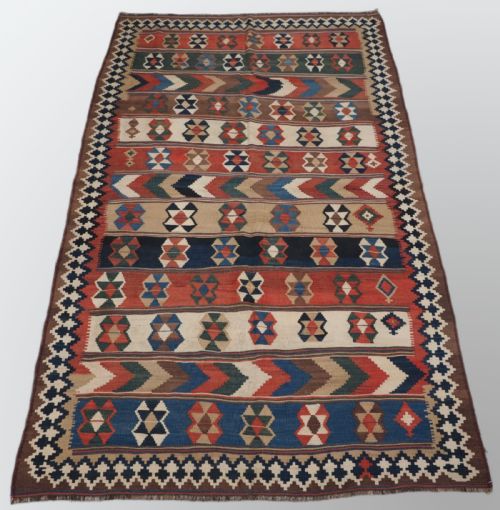
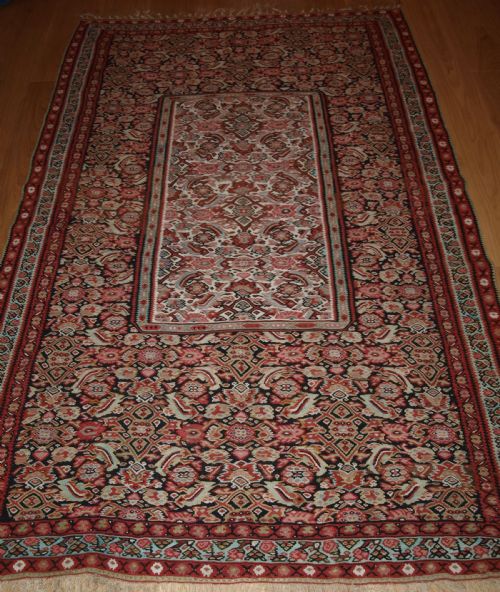
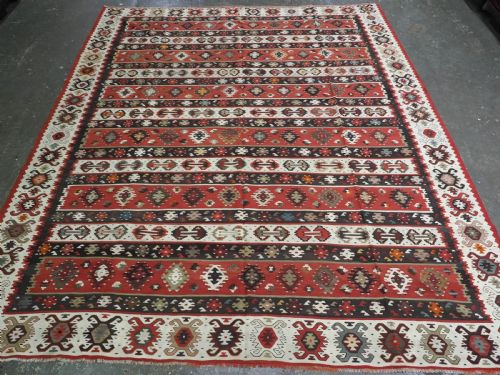
A flat weave tribal runner represents elongated textile floor coverings created by nomadic and village weavers across Persia, the Caucasus, Anatolia, and Central Asia. These pieces are chosen for narrow spaces like hallways or corridors where their linear formats and bold geometric motifs command attention.
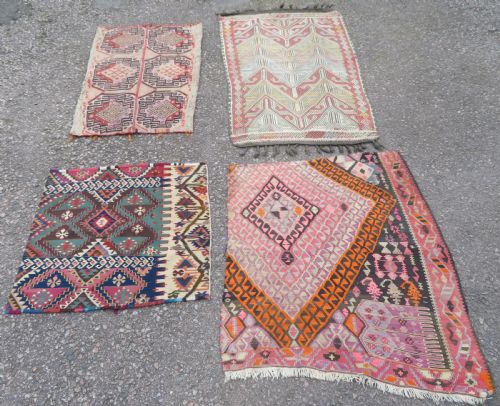
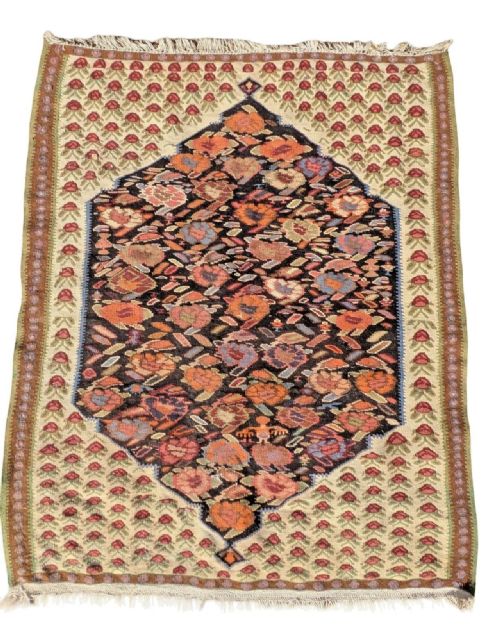
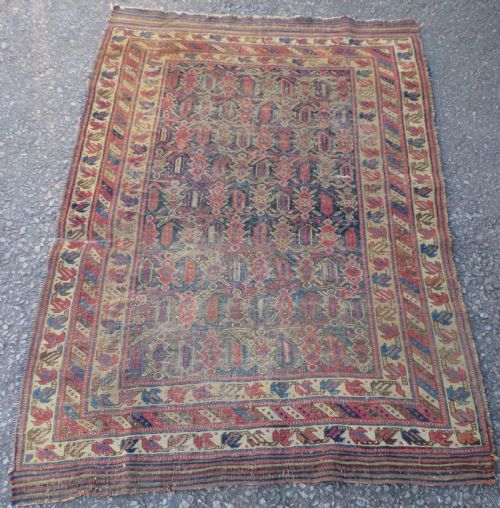
The selections available here span from the late nineteenth century into the mid-twentieth century, capturing utilitarian village and tribal floor coverings rather than court workshop pieces. Buyers frequently encounter regional kilims and runner rugs featuring banded designs, repeated medallions, and eye-dazzler patterns.
Originating from specific tribal groups and weaving centres such as the Yomut Turkmen, Qashqai, Shahsavan, and various Anatolian towns, each runner carries the distinct design vocabulary of its makers. These items serve as functional historical textiles that introduce saturated natural colour and crisp graphic layouts to modern interiors.
What varies in quality
The finesse of the weave sets finer village and tribal examples apart, where tighter interlacing of hand-spun wool creates a crisp, durable graphic structure. A more refined tension in the flat-weave technique keeps straight margins and prevents distortion along the length of the runner.
Artistic execution in the distribution of natural dyes and geometric motifs dictates visual success, distinguishing standard utility pieces from exceptional tribal expressions. Greater harmony in soft or bold colour combinations elevates the overall presence of the textile within its historical period.
Flat Weave Tribal Runner Retail Price Guide 2026
Typical asking prices for flat weave tribal runner among the pieces listed under this phrase on Sellingantiques today, from the lower quarter to the upper quarter. They describe what is for sale here now, not the wider market.
Several examples here are woven in two separate longitudinal halves and joined down the middle, proving that ancient weavers solved spatial limits with ingenious needlework.
Bidjar·Afshar·Shirvan·Yomut Turkmen·Qashqai·Tekke Turkmen·Senneh
The Flat Weave Tribal Runner Glossary
- Kilim
- A flat-woven carpet or runner produced without a pile by tightly interweaving warp and weft threads. This technique results in a lightweight, reversible textile with sharp geometric patterns.
- Soumak
- A flat-weave technique involving supplementary wrap-weft threads that create a braided surface texture on the face of the rug. It adds structural weight and durability to tribal pieces.
- Warp
- The stationary lengthwise threads stretched on the loom that form the foundational skeleton of the textile. All weft yarns pass over and under these parallel strands.
- Weft
- The transverse threads passed across the warp to create the solid fabric and visible colour patterns of the rug. In flat weaves, these yarns completely cover the structural warp.
- Cicim
- A supplementary weft-float embroidery technique worked directly on the loom to add raised ornamental patterns across the ground cloth. This decorative method appears on specific nomadic pieces.
- Palas
- A traditional flat-woven tribal rug or cover utilised across Central Asia and the Caucasus. These utilitarian textiles often feature bold, unpadded structures suited for heavy floor use.
Flat Weave Tribal Runner: Frequently Asked Questions
Where should I place a flat weave tribal runner?
These linear carpets suit high-traffic thoroughfares like hallways, corridors, and narrow entryways where their durable flat structure handles foot traffic well.
They also function effectively in kitchens or alongside beds, providing a low-profile floor covering that introduces graphic tribal patterns without obstructing doors.
How do I care for an antique flat weave?
Regular gentle vacuuming without a rotating brush roll prevents dust accumulation within the tight wool weave.
Professional specialist cleaning is recommended for antique textiles to protect delicate natural dyes and hand-spun fibres.
Are these runners reversible?
Most traditional flat weaves lack a distinct wool pile, meaning the geometric design appears clearly on both sides of the textile.
This construction allows the runner to be periodically flipped to distribute wear evenly across both faces.
How do I distinguish regional tribal styles?
Specific motifs, border arrangements, and structural techniques point directly to the producing tribe or village, such as the distinctive palette of Caucasian pieces or the Soumak work of Shahsavan weavers.
Examining the handling of hand-spun wool and colour transitions helps separate Anatolian formats from Central Asian or Persian examples.