



Flame Mahogany Drop Leaf Table
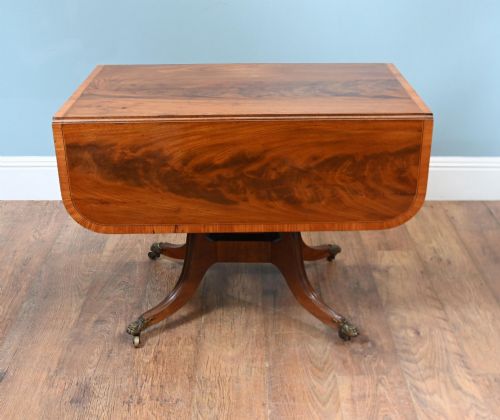
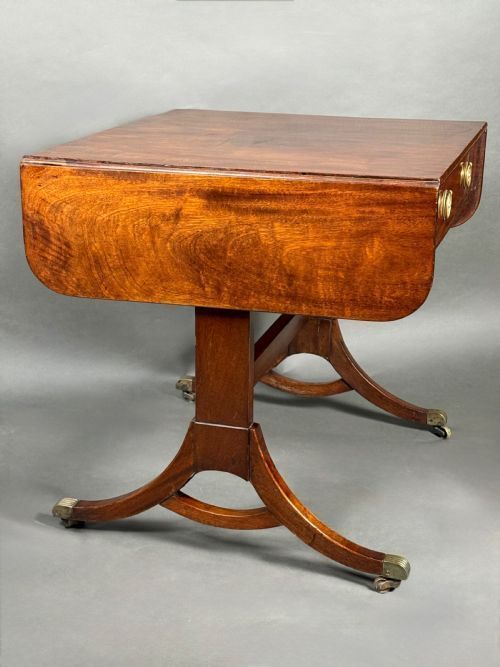
A flame mahogany drop leaf table brings figured warmth and clever folding leaves to a room.
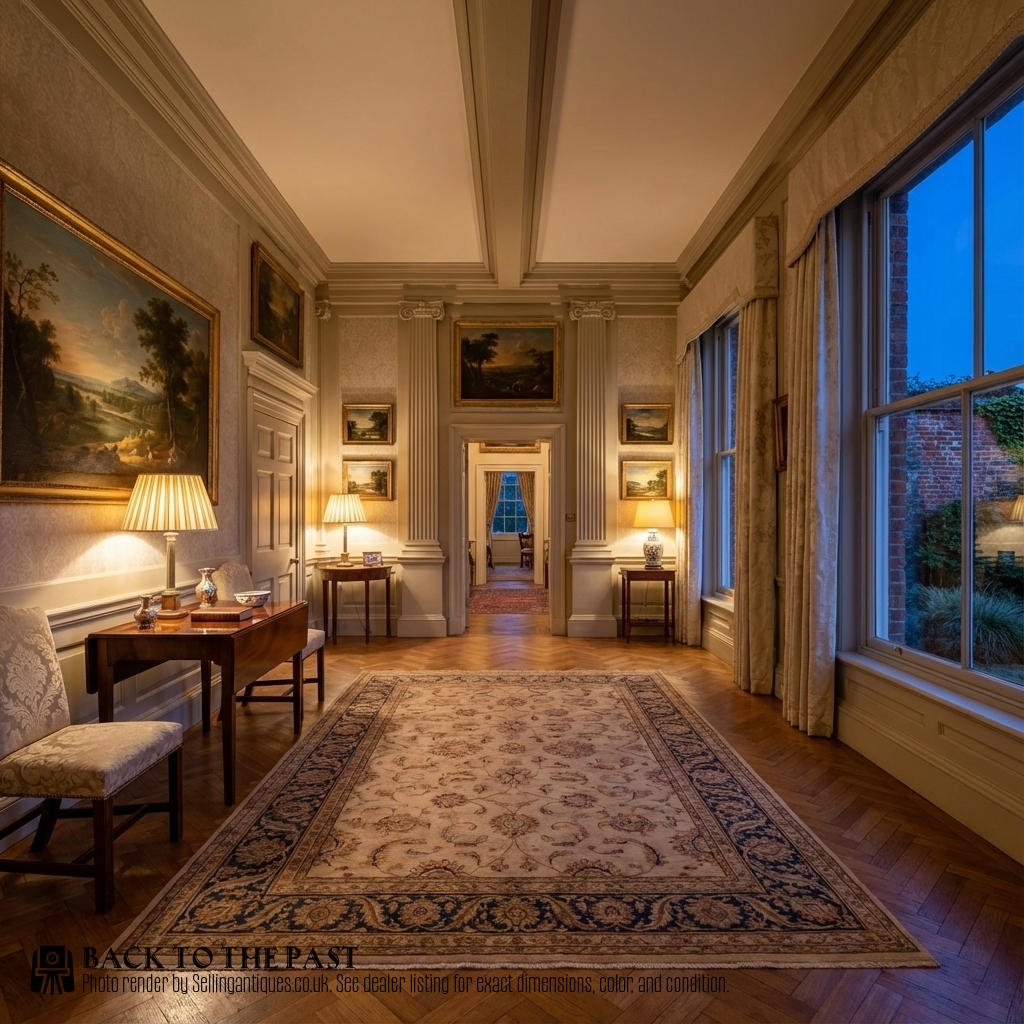
Flame Mahogany Drop Leaf Table
A flame mahogany drop leaf table combines the rich figuring of tropical timber with leaves that fold down when space is tight. These pieces span the eighteenth, nineteenth, and early twentieth centuries, drawing on Georgian, Regency, William IV, and Victorian designs.
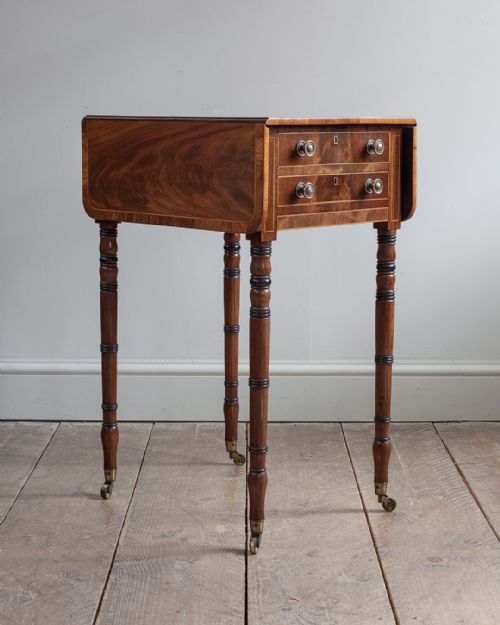
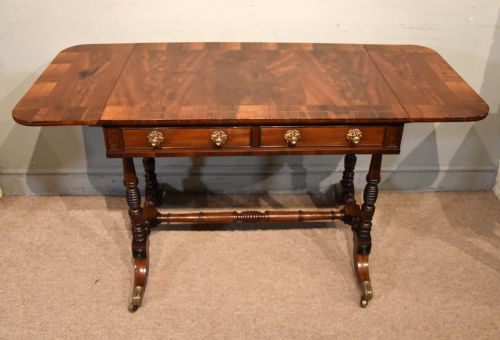
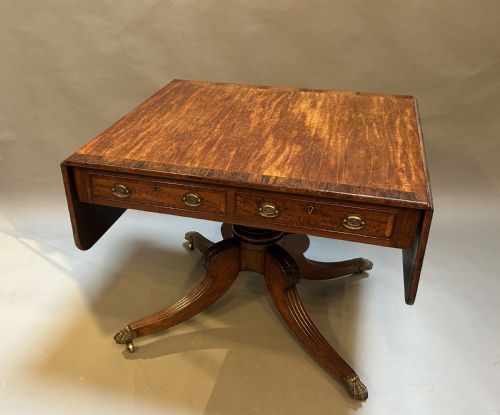
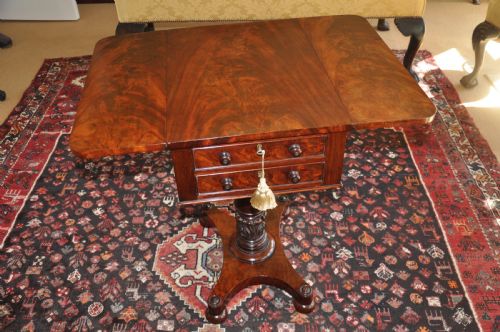
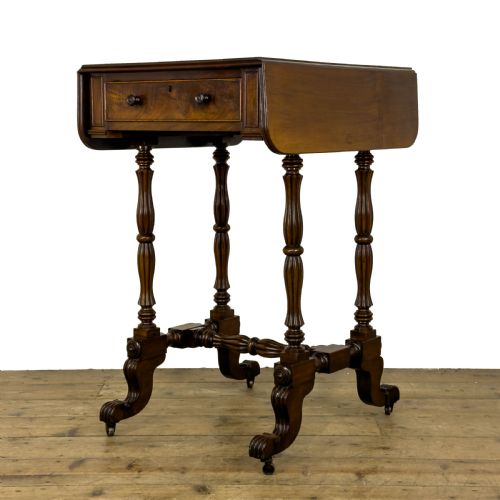
The selection on this page consists predominantly of sofa tables, Pembroke tables, and work tables, alongside occasional and dining tables. Sofa tables and Pembroke tables appear most often, frequently featuring drop leaves supported by hinged brackets or rule joints.
Origins range from British workshops of the Georgian and Regency periods to Scandinavian interpretations in the Empire Revival style. Buyers encounter everything from small occasional items to larger dining tables designed for versatile use in a home.
How they were made
Cabinet makers utilised mahogany and flame mahogany veneer applied over solid secondary timbers to create striking patterned surfaces. Workshops selected timber with dramatic grain movement for the top panels, often framing the edges with contrasting boxwood or ebony inlay.
Construction relied on stable joinery to support the folding flaps of drop leaf tables and the pull-out drawers typical of sofa and work tables. Brass castors, hinges, and sometimes subtle brass stringing completed the fittings, securing movable leaves and drawers for daily use.
Flame Mahogany Drop Leaf Table Retail Price Guide 2026
Typical asking prices for flame mahogany drop leaf table among the pieces listed under this phrase on Sellingantiques today, from the lower quarter to the upper quarter. They describe what is for sale here now, not the wider market.
Several sewing and work tables still hide their original compartmented interiors beneath the folding lid.
What varies in quality
The choice of timber grading sets the baseline, with exceptional examples displaying intense, rolling flame patterns across the entire top surface. Finer pieces demonstrate precise matching of veneer symmetrical to the centre line, whereas lesser examples show plain grain or mismatched sections.
Construction intricacy also marks the difference between standard production and superior cabinet work. Well-made tables feature tightly fitted rule joints, robust underframes, and harmonious proportions in smaller sofa and work tables.
The Flame Mahogany Drop Leaf Table Glossary
- Flame mahogany
- A veneer cut from the fork of the mahogany tree, producing a distinctive rippled pattern resembling flickering flames. This striking figure was highly prized for principal surfaces.
- Drop leaf table
- A table with a fixed centre section and hinged flaps on either side that fold down. These leaves are supported by swing legs, brackets, or fly brackets when raised.
- Sofa table
- A form of drop leaf table originating in the late eighteenth century, traditionally placed in front of a sofa. They typically feature two drawers and trestle ends.
- Pembroke table
- A small drop leaf table with narrow hinged flaps on opposite sides, usually equipped with a single drawer. It was designed for occasional use and easy relocation.
- Rule joint
- A moulding joint used to hang the drop leaves of a table. It maintains a neat appearance whether the leaves are raised or lowered.
Flame Mahogany Drop Leaf Table: Frequently Asked Questions
What is a flame mahogany drop leaf table?
A flame mahogany drop leaf table is a piece of furniture featuring folding leaves and timber cut to show dramatic rippled grain patterns. These tables were produced across the Georgian, Regency, and Victorian eras.
They serve as versatile surfaces that adapt to different room layouts by expanding or folding down when not in use.
How do I use a sofa table today?
A sofa table works well behind a sofa, against a hallway wall, or as a compact writing desk. The drop leaves allow you to adjust its footprint to suit the space available.
Drawers provide useful storage for small household items, making these tables both decorative and practical.
How do I tell Regency from Victorian tables?
Regency tables tend to feature cleaner lines, classical proportions, and brass inlay or subtle reeding. They date from the early nineteenth century and often employ lighter, elegant pedestals.
Victorian tables generally appear heavier and sturdier, sometimes incorporating bolder turnings or Scandinavian Empire Revival influences by the later period.
What is a Pembroke table?
A Pembroke table is a compact design with two hinged leaves that drop down from the sides. It usually includes a single drawer and delicate legs on castors.
Cabinet makers designed them for multipurpose tasks, allowing owners to move them easily around a drawing room or parlour.