




Fitted Oak Secretary Cabinet
A fitted oak secretary cabinet brings together robust timber and clever internal compartments for writing and storage.
Fitted Oak Secretary Cabinet
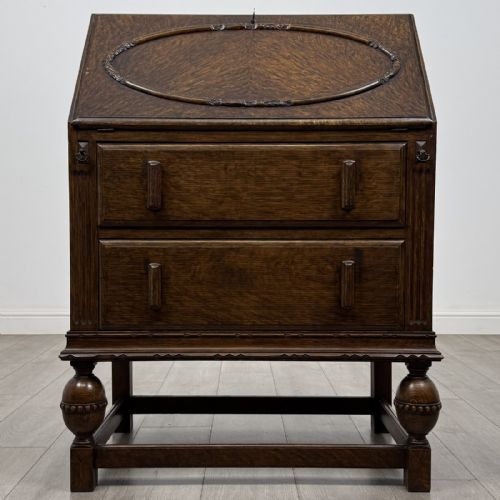
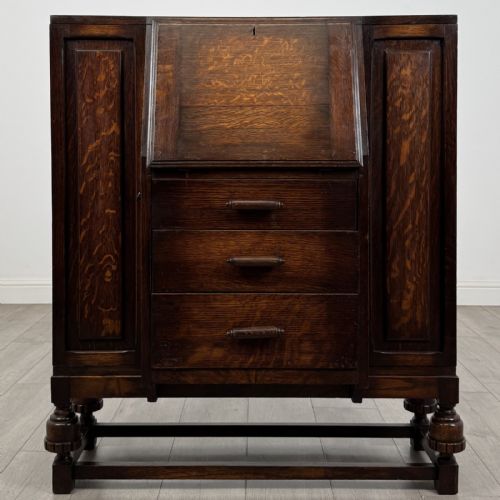
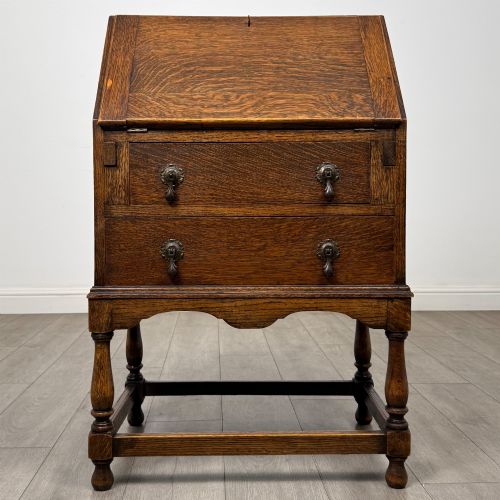
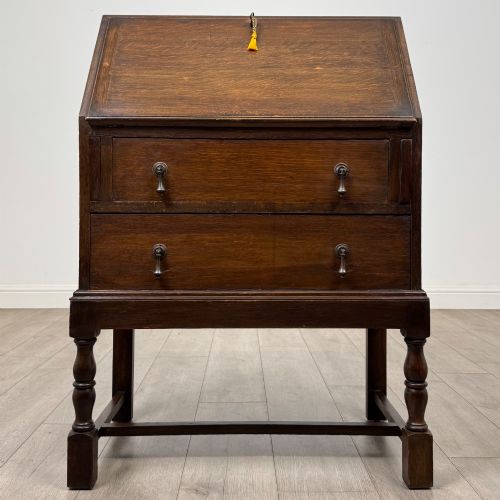
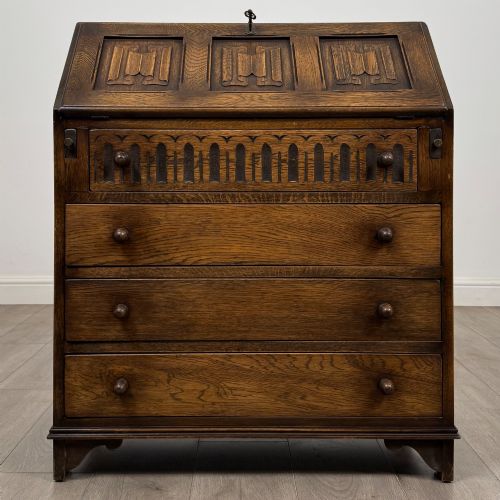
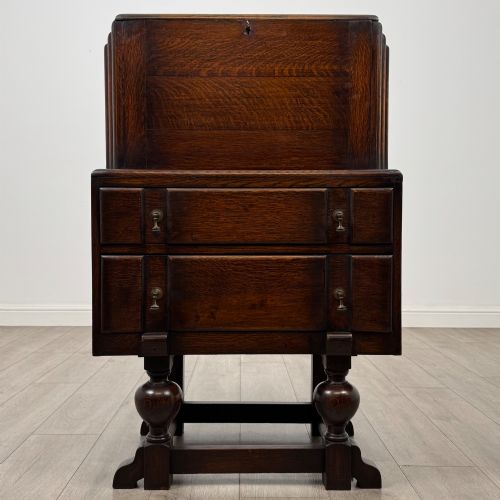
When you search for a fitted oak secretary cabinet, you encounter sturdy writing furniture spanning several centuries from the Georgian era through to the Edwardian period and the 1930s. These pieces combine a drop-front or fall-front writing surface with internal compartments, pigeonholes, and small drawers, often set beneath bookcases or above side cupboards.
The selections on this page heavily feature Edwardian and 20th-century examples alongside earlier Georgian and 19th-century forms. You will find items described variously as bureaux, bureau bookcases, and secretaire chests, reflecting the diverse ways makers configured writing spaces within domestic furniture.
How they were made
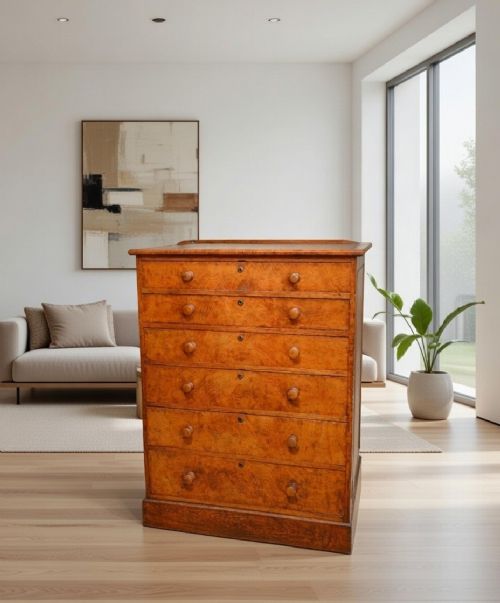
Cabinet makers relied principally upon solid oak and oak veneers, occasionally incorporating pollard oak for distinct grain patterns. Interiors often integrated green baize or leather writing surfaces alongside brass hardware, glass panels, and metal mechanisms for moving parts.
Construction methods varied from traditional dovetailing on drawers to revivalist carving techniques seen in Jacobean and Tudor styles. Regional cabinet makers also utilised linenfold panels and fitted stationery compartments to enhance the utility of each writing desk.
Fitted Oak Secretary Cabinet Retail Price Guide 2026
Typical asking prices for fitted oak secretary cabinet among the pieces listed under this phrase on Sellingantiques today, from the lower quarter to the upper quarter. They describe what is for sale here now, not the wider market.
Some Edwardian and 1930s desks boast moving interiors designed to surprise writers with hidden compartments.
What varies in quality
The distinction between standard examples and superior specimens rests on the depth of the carving, the selection of figured or pollard oak veneers, and the complexity of the internal fittings. Finer pieces demonstrate precise joinery in the stationery compartments and clever integration of moving interior mechanisms.
Proportion and structural balance also separate ordinary bureau cabinets from exceptional ones, particularly in multi-part bookcase configurations. The quality of the original brass handles, locks, and internal baize or leather lining contributes significantly to the integrity of the piece.
James Shoolbred & Co
The Fitted Oak Secretary Cabinet Glossary
- Bureau
- A writing desk with a sloping hinged lid that covers compartments and pigeonholes for papers. These forms often sit atop a chest of drawers or enclosed cupboards.
- Secretaire
- A piece of furniture containing a concealed writing drawer or drop-front writing surface. This term frequently appears interchangeably with bureau in cabinet making.
- Pollard oak
- Timber taken from trees that have been pollarded, producing a richly figured and mottled grain pattern. Cabinet makers used these veneers on high-status surfaces.
- Linenfold
- A style of wood carving that mimics folded linen cloth. This ornamentation appears commonly on panels from revivalist periods.
- Green baize
- A coarse woollen fabric used to line writing surfaces and desk flaps. It provides a smooth, protective area for correspondence.
Fitted Oak Secretary Cabinet: Frequently Asked Questions
How were these cabinets used originally?
These pieces served as private writing desks and correspondence centres in homes and offices. The internal compartments held stationery, inkwells, letters, and important documents securely behind locked doors or flaps.
The drop-front surface provided a dedicated writing table that could be closed quickly to conceal paperwork. Larger versions with bookcases also stored personal libraries and reference volumes.
How do I date an oak bureau cabinet?
Dating relies upon examining construction techniques, hardware, and stylistic revival influences. Georgian pieces generally display hand-dovetailed drawer construction and simpler internal layouts, whereas Edwardian and 1920s versions often utilise machine-made elements and varied revival motifs.
Secondary woods, handle types, and lock mechanisms offer further clues to the period of manufacture. Stylistic markers such as Arts and Crafts simpler lines or Jacobean heavy carving help narrow down the decade.
Where should I place a secretary cabinet in my home?
These compact writing desks work well in studies, living rooms, and bedrooms where surface space is useful. Their vertical design provides substantial storage without occupying a large footprint on the floor.
Ensure the room maintains stable humidity levels to protect solid oak timbers and leather or baize writing surfaces from warping or drying out. Leave sufficient clearance in front of the cabinet for the fall-front flap to open fully.