


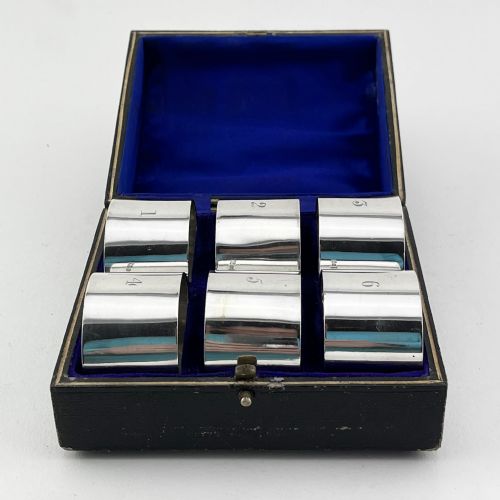


Fitted Box Silver Set
A fitted box silver set brings together designated silver implements and a custom housing, uniting utility and display in one compact format.
Fitted Box Silver Set
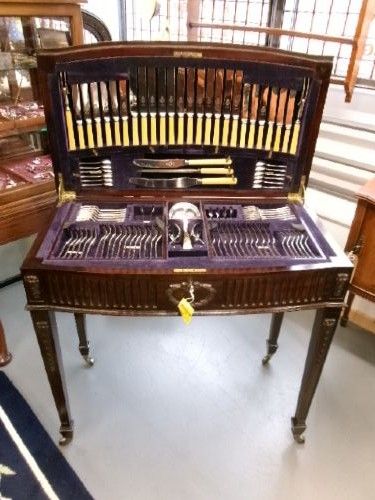
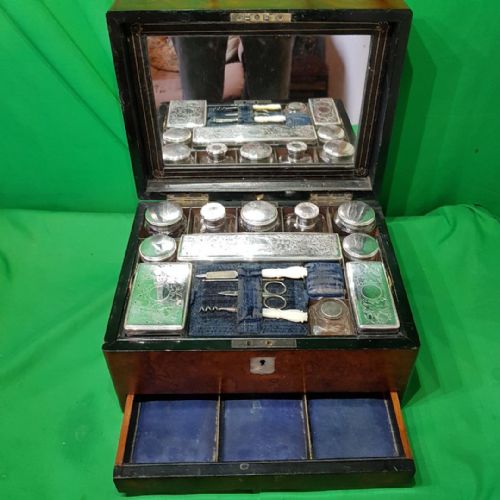
A fitted box silver set encompasses diverse domestic and personal configurations, ranging from vanity and travelling cases lined with silk or velvet to canteens of cutlery and boxed napkin rings. Victorian and Edwardian examples dominate the selection, often taking the form of burr walnut, coromandel, or mahogany boxes housing sterling silver or silver plate.
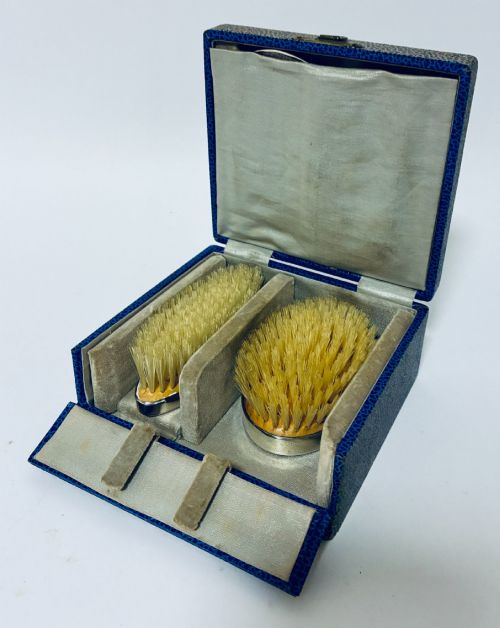
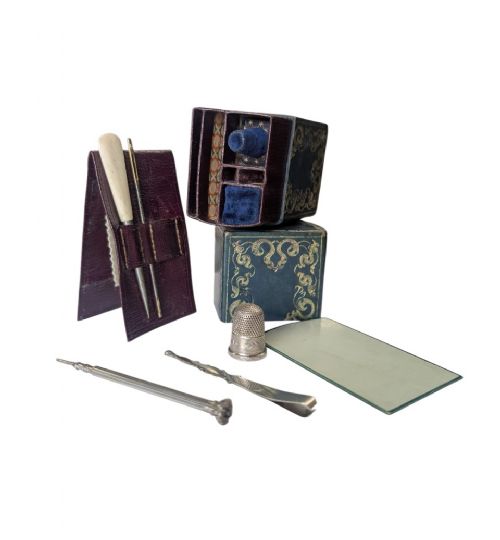
The contents vary according to the original purpose of the box, extending from dressing table accessories and communion pieces to fruit knives, teaspoons, and large service canteens. Dating frequently spans the nineteenth century through the art deco period, reflecting changing domestic habits in dining, grooming, and travel.
What separates the finer examples
Quality rests in the completeness and originality of the fitted interior, where intact silk linings, matching hallmark dates across every utensil, and undamaged glass or crystal bottles elevate a piece significantly. The selection of cabinet woods and the precision of the internal partitioning also dictate the standing of a set.
The execution of the silver itself, whether through crisp chasing on spoons, substantial gauge metal in canteens, or finely detailed gilding, marks the distinction between standard production and top-tier craftsmanship.
Fitted Box Silver Set Retail Price Guide 2026
Typical asking prices for fitted box silver set among the pieces listed under this phrase on Sellingantiques today, from the lower quarter to the upper quarter. They describe what is for sale here now, not the wider market.
An equestrian smoking compendium brings a touch of stableyard luxury directly to the smoking room.
Asprey·Waring & Gillows·Hukin & Heath·Cooper Brothers and Sons·Harry Atkin
The Fitted Box Silver Set Glossary
- Canteen
- A fitted box or cabinet specifically designed to store a complete service of cutlery in dedicated slots or layers. These typically contain forks, spoons, and knives matched in pattern.
- Silver-gilt
- Silver that has been coated with a thin layer of gold on its surface, often referred to as vermeil. This technique protects the underlying metal from tarnishing and adds a rich warmth to the interior of dressing sets.
- Coromandel
- A dense, heavily figured exotic timber imported from Asia, frequently utilised for nineteenth-century luxury dressing boxes and writing slopes. Its dark grain contrasts sharply with silver fittings.
- Communion set
- A portable ecclesiastical set containing miniature chalices, patens, and flagons housed in a compact fitted case for administering sacraments whilst travelling. These date predominantly from the Victorian era.
- Hallmark
- An official stamp applied by an assay office confirming the standard of the silver, the maker's mark, and the year of manufacture. It provides the definitive baseline for dating British and imported pieces.
Fitted Box Silver Set: Frequently Asked Questions
What is the difference between a vanity box and a dressing case?
A vanity box generally focuses on cosmetic and grooming bottles, jars, and brushes arranged within a single main compartment or shallow tray. A dressing case often incorporates deeper storage and more complex tiers designed for extensive travel.
Both types frequently include folding mirrors, lockable compartments, and matching silver-topped crystal containers tailored for personal care.
How can I tell if the silver implements belong to the original box?
Check the assay office marks, maker's marks, and date letters stamped on the silver pieces to see if they align with the period of the box and with one another. A matched set will display consistent engraving, monogramming, and wear patterns across all utensils.
Examine the fitted slots in the velvet or silk lining to verify that each item rests securely without forcing, as replacement pieces often leave slight gaps or indentations.
Were canteens of cutlery always sold in fitted wooden boxes?
Many formal canteens were housed in oak or mahogany floor cabinets, table chests, or portable tabletop boxes lined with baize or velvet to protect the contents. Smaller sets often utilised fitted cardboard or leather boxes with silk interiors for presentation or gifting.
The choice of housing depended on the size of the service and whether the set was intended for permanent dining room storage or portable use.