


First World War Memorabilia
First world war memorabilia brings the tangible history of the early twentieth century into your home through authentic items from a defining global conflict.
What First World War Memorabilia Are
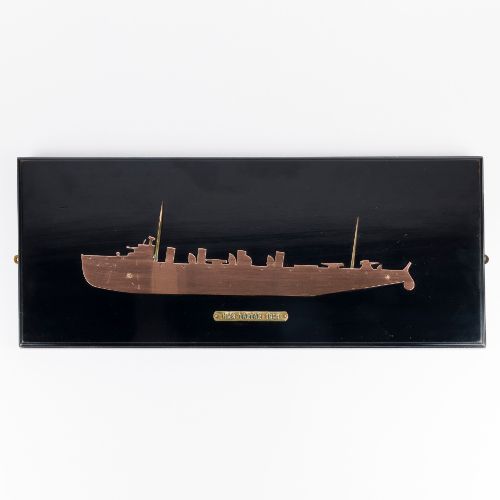
First world war memorabilia encompasses period objects ranging from military optics and character jugs to silver picture frames and mantel clocks. These pieces reflect the material culture of the conflict and the immediate decades that followed, capturing personal and national wartime narratives.
Buyers examining this selection most frequently encounter items representing the Edwardian era and specific military styles. The assortment includes functional trench equipment alongside commemorative household objects produced during the conflict and into the interwar years.
How They Were Made
Maker materials span durable brass and glass utilised in precision optics alongside sterling silver and enamel applied to decorative picture frames. Earthenware and ceramic form the medium for character jugs, finished with detailed glaze work.
Construction techniques combine industrial manufacturing for military equipment with traditional craftsmanship for decorative items like silk-mounted frames and novelty timepieces.
Retail Price Guide 2026
Typical UK retail prices for first world war memorabilia, calculated from the Sellingantiques database of over a million retail prices indexed since 2003. This retail price guide relies exclusively on Sellingantiques data; no external sources or auction records are used, so the figures do not describe the wider market.
Materials in this selection include brass, glass, earthenware, glaze, ceramic, sterling silver, enamel, and silk across Edwardian and military styles.
What Varies in Quality
The distinction between standard examples and superior pieces rests on the precision of the manufacturing and the preservation of original finishes. Fine silver work and crisp enamel detailing indicate higher standards of production.
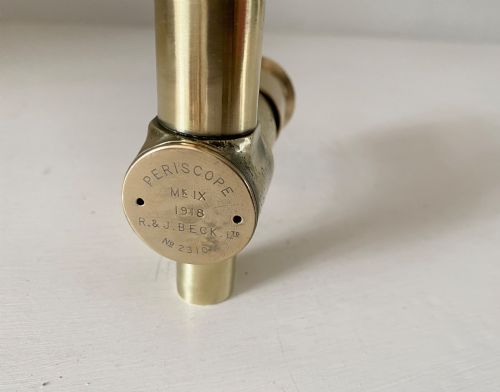
Makers' marks and clear period dates add certainty to military instruments, elevating pieces that retain their original functional capability and distinct stylistic attribution.
R & J Beck Ltd
The First World War Memorabilia Glossary
- Character Jug
- A ceramic vessel shaped as the head of a well-known figure, typically depicting military leaders or prominent personalities from the period.
- Trench Art
- Objects fashioned by soldiers, prisoners of war, or civilians from the waste and debris of modern warfare, utilising brass shell cases and other scrap materials.
- Military Periscope
- An optical instrument utilising mirrors or prisms within a tube to allow observation from a concealed position, crucial for trench warfare.
- Enamel
- A glassy substance fused to the surface of metal objects through firing, providing durable decoration and vibrant colour on frames and badges.
Frequently Asked Questions
What is first world war memorabilia?
First world war memorabilia consists of period artefacts, equipment, and commemorative items produced during or shortly after the conflict. These objects serve as physical records of military operations and civilian life.
Collectors seek these pieces to preserve historical narratives and examine the material culture of the early twentieth century.
How were military periscopes used?
Military periscopes allowed soldiers to observe enemy positions from the safety of a trench without exposing themselves to sniper fire. They relied on internal optics to relay the field of view.
These instruments were essential survival tools in stationary combat environments.
How do I care for silver and enamel items?
Silver picture frames require gentle cleaning with a soft cloth to maintain their polish without damaging delicate applied enamel surfaces. Avoid harsh chemical dips that strip historical patina.
Display these pieces away from direct sunlight to protect coloured enamel from fading.
When were character jugs produced?
Character jugs associated with this conflict appeared around the outbreak of hostilities, portraying notable military figures like Lord Kitchener. Potters utilised traditional ceramic techniques to model these likenesses.
They functioned both as patriotic ornaments and domestic vessels during the war years.